
As a gardener, you’re likely aware of the environmental concerns surrounding traditional potting mixes, particularly those containing peat moss. Not only is peat moss a non-renewable resource, but its harvesting process also contributes to deforestation and habitat destruction. If you’re looking for eco-friendly alternatives to peat moss, you’ve come to the right place! In this article, we’ll explore the benefits of switching to coconut coir, compost-based mixes, and other sphagnum-free options. We’ll also dive into creating your own peat-free potting mix at home and provide tips on transitioning to sustainable gardening practices. Whether you’re a seasoned green thumb or just starting out, this guide will help you make the switch to more environmentally friendly gardening solutions that still deliver impressive results. Get ready to ditch the peat moss for good!
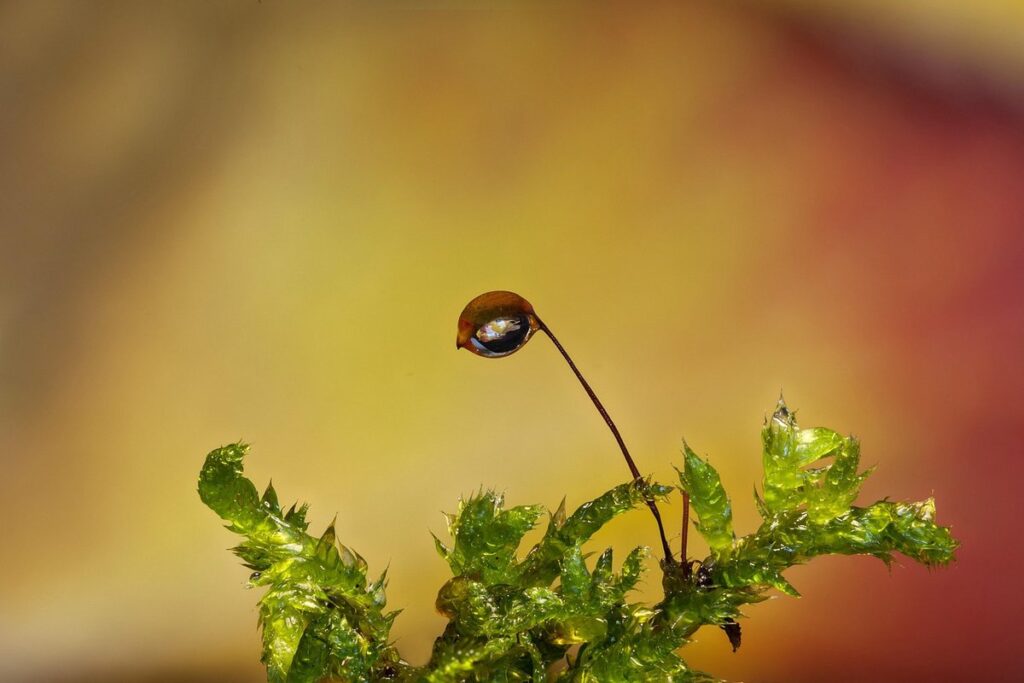
What’s Wrong with Peat Moss?
While peat moss has been a staple in gardening for years, it’s essential to acknowledge its environmental drawbacks and explore alternative solutions that benefit both your garden and the planet. Let’s take a closer look at peat moss’s limitations.
Environmental Impact of Peat Moss
The production of peat moss has significant environmental implications that can’t be ignored. One major concern is habitat destruction. Peat bogs are unique ecosystems that support a wide range of plant and animal species. However, when these areas are harvested for peat moss, it disrupts the delicate balance of the ecosystem, leading to loss of biodiversity and irreversible damage.
Another pressing issue is carbon emissions. Peat bogs store massive amounts of carbon dioxide, which can take thousands of years to decompose. When peat moss is harvested, this stored carbon is released into the atmosphere, contributing to climate change. In fact, it’s estimated that peatlands are responsible for around 3% of global greenhouse gas emissions.
If you’re looking for sustainable alternatives to peat moss, consider using coconut coir or recycled paper products instead. These options not only reduce your environmental footprint but also provide similar benefits to traditional peat moss. For example, coconut coir is a byproduct of the coconut industry and can help to absorb excess water in your soil.
Health Risks Associated with Peat Moss
Using peat moss in gardening comes with some serious health concerns that you should be aware of. One major issue is contamination from heavy metals like mercury, lead, and arsenic. These toxins can leach into the soil and eventually make their way into the plants we eat or breathe. For example, a study found that peat moss contains high levels of mercury, which can cause neurological damage and developmental issues in children.
Another problem with peat moss is its potential to harbor pathogens like E. coli and Salmonella. These bacteria can be present in the peat moss due to animal waste or other contaminants. When you use peat moss in your garden, you may unintentionally spread these pathogens, putting yourself and others at risk of illness.
To minimize exposure to these health risks, it’s essential to choose a peat moss alternative that is sustainable and safe for gardening. Look for products made from natural, locally sourced materials like coconut coir or recycled paper products. These options not only reduce the demand for peat moss but also provide a healthier environment for your plants and family.
Why Look for Alternatives?
You might wonder why it’s so important to find peat moss alternatives, but the truth is that traditional peat moss has some significant drawbacks when it comes to sustainability. Let’s explore these issues together.
Benefits of Sustainable Gardening Practices
As we explore alternatives to peat moss, it’s essential to understand the importance of adopting sustainable gardening practices. Our reliance on non-renewable resources like peat moss not only harms the environment but also contributes to its depletion. Peat bogs, where peat moss is harvested, take thousands of years to form and can take centuries to recover from harvesting.
By switching to peat moss alternatives, you’re playing a vital role in reducing our carbon footprint and preserving these delicate ecosystems for future generations. Not only does this help protect biodiversity, but it also promotes healthy soil development, which is the foundation of any thriving garden.
To incorporate sustainable gardening practices into your routine, consider using coconut coir, composted bark chips, or even leaf mold as natural amendments. These alternatives not only mimic peat moss’s water-holding properties but also provide nutrients and improve soil structure. By making these simple changes, you’ll be contributing to a more environmentally conscious approach to gardening, one that prioritizes long-term sustainability over short-term gains.
Gardener’s Need for Peat Moss Substitutes
As gardeners, we all know that peat moss is an incredibly useful addition to our soil. It’s amazing at retaining moisture, which means our plants get the water they need when they need it most. But did you know that peat moss can also help suppress weeds? Its acidic pH and dense texture create a hostile environment for weed seeds to germinate and grow.
But what happens when we run out of peat moss or want to find more sustainable alternatives? The good news is that there are plenty of substitutes that can fill the gaps in your soil. Compost, for example, is an excellent moisture-retainer and weed-suppressor. Simply mix it into your soil or use it as a mulch around plants. Another option is coconut coir, which has similar water-holding properties to peat moss but is made from sustainable, renewable resources.
When selecting peat moss substitutes, consider the specific needs of your garden. Do you have areas with heavy clay or sandy soil? Look for products that can improve drainage and structure. With a little experimentation, you’ll find that these alternatives not only meet but often exceed peat moss’s capabilities – without harming our planet in the process.
Coconut Coir: A Promising Alternative
One of the most promising peat moss alternatives is coconut coir, a sustainable and eco-friendly option that’s gaining popularity among gardeners. Let’s take a closer look at its benefits and uses in gardening.
Properties and Benefits of Coconut Coir
Coconut coir is a highly sought-after peat moss alternative due to its unique properties and numerous benefits. One of its standout features is its high water-holding capacity, which allows it to retain moisture while also allowing excess water to drain freely. This makes it an excellent choice for plants that require consistent moisture levels but are prone to root rot in waterlogged conditions.
Another significant advantage of coconut coir is its eco-friendliness. Unlike peat moss, which is often harvested from environmentally sensitive areas, coconut coir is a byproduct of the coconut industry and would otherwise be discarded as waste material. This reduces the environmental impact associated with traditional gardening practices and provides a more sustainable solution.
When using coconut coir in your garden, it’s essential to rehydrate it before application. Simply soak the dried coir in water until it reaches its optimal moisture level. Once hydrated, you can mix it with other potting materials or use it as a standalone growing medium for seedlings and young plants.
Using Coconut Coir in Gardening
Coconut coir is a highly versatile and eco-friendly alternative to traditional gardening materials. When it comes to incorporating coconut coir into your gardening practices, one of the most popular uses is as a seed starting medium. To do this, simply mix coconut coir with water to create a consistent paste-like consistency, then fill small pots or cell packs with the mixture. Plant seeds 1/4 inch deep and keep the soil moist but not waterlogged.
Another excellent use for coconut coir is in potting mixes. This is particularly beneficial for containers and hanging baskets where drainage can be an issue. Coconut coir helps retain moisture while preventing waterlogging, reducing the risk of root rot and other problems associated with excessive watering. To make a coconut coir-based potting mix, combine 20-30% coconut coir with a well-draining potting mix. This blend will help retain moisture while ensuring optimal drainage.
You can also use coconut coir as a hydroponic growing medium or in self-watering planters. When used in this way, coconut coir helps to maintain the optimal water balance for healthy root growth.
Compost-Based Peat Moss Substitutes
If you’re looking for a more eco-friendly option, compost-based peat moss substitutes are an excellent alternative to consider in your gardening journey. They offer similar benefits at a lower environmental cost.
Creating Your Own Compost Mix
Creating your own compost mix is a fantastic way to replace peat moss in garden applications. Not only will it reduce your reliance on this non-renewable resource, but it’ll also provide you with a nutrient-rich soil amendment that’s tailored to your specific needs.
To create an effective compost mix, start by gathering a combination of “green” and “brown” materials. Green materials, such as fresh grass clippings or kitchen scraps, are high in nitrogen and will help speed up the decomposition process. Brown materials, like dried leaves or shredded newspaper, provide carbon and help balance out the mix.
A general rule of thumb is to aim for a 2:1 or 3:1 ratio of brown to green materials. For example, if you’re using a 5-gallon bucket to create your compost, add two to three gallons of brown materials and one to two gallons of green materials. Be sure to mix the ingredients well, taking care not to compact them too tightly.
Regular turning will also help aerate the compost pile and speed up decomposition. Aim for every 7-10 days, depending on your climate and specific needs. With a little patience and effort, you’ll have a homemade compost mix that’s perfect for replacing peat moss in your garden beds.
Using Worm Castings as a Fertilizer Alternative
When it comes to finding an alternative to peat moss that’s both effective and sustainable, worm castings should be at the top of your list. These nutrient-rich fertilizers are made by worms as they break down organic matter, making them a game-changer for gardeners looking to reduce their environmental footprint.
One of the biggest benefits of using worm castings is their high nutrient content. They’re packed with nitrogen, phosphorus, and potassium, making them an excellent substitute for synthetic fertilizers. In fact, a single cup of worm castings can contain up to 10 times more nutrients than a cup of peat moss.
Not only are worm castings a great fertilizer alternative, but they also have minimal environmental impact. Since they’re made from natural materials and don’t require heavy machinery or processing, they’re a much more eco-friendly option. Plus, using worm castings can help improve soil structure and biodiversity in your garden, leading to healthier plants and fewer pests.
To get started with using worm castings as a fertilizer alternative, you’ll need to create a worm composting bin. This is a simple process that involves setting up a bin with a mesh bottom and adding red wiggler worms and organic materials like food scraps and coffee grounds. The worms will do the rest, breaking down the materials into a nutrient-rich castings that’s perfect for your garden.
Sphagnum Peat-Free Gardening Products
We’ve discussed using coconut coir and compost, now let’s explore another popular peat moss alternative: Sphagnum peat-free gardening products that are perfect for your garden. These products offer a sustainable solution to traditional peat moss.
Understanding Sphagnum Moss and Its Uses
Sphagnum moss is a highly absorbent and acidic material that can be used as a peat-free alternative in gardening. It’s a type of non-vascular plant that grows in bogs and wetlands, where it accumulates over time to form a thick layer of dead plant matter. This unique characteristic makes sphagnum moss an ideal substitute for peat moss.
One of the most significant benefits of using sphagnum moss is its ability to retain moisture, making it an excellent choice for seed starting and propagation. It can also be used as a mulch or compost additive to improve soil structure and fertility. For example, adding sphagnum moss to your potting mix can help reduce water loss and prevent root rot.
To use sphagnum moss effectively, start by soaking it in water until it reaches the desired consistency. Then, simply add it to your planting mix or use it as a standalone medium for seed starting. Remember that sphagnum moss is highly acidic, so be sure to balance its pH level with other ingredients in your soil mix.
Product Options for Sphagnum-Based Gardening
When it comes to sphagnum-based gardening products, there are several options available that can help you transition away from traditional peat moss. One popular choice is Miracle-Gro’s Sphagnum Moss, a 100% natural and sustainably sourced product made from sphagnum peat. This moss can be used as a seed starting mix or as a top dressing to improve soil structure.
Another option is E.B. Stone Organics Sphagnum Moss, which is OMRI-listed for use in organic gardening. This moss is also 100% natural and free of additives, making it an excellent choice for gardeners who prioritize sustainability. For those looking for a more DIY approach, you can even create your own sphagnum-based potting mix by blending sphagnum peat with other natural ingredients like perlite or vermiculite.
When selecting a sphagnum-based product, be sure to read the label carefully and look for certifications from reputable organizations such as OMRI or USDA Organic. This ensures that you’re getting a high-quality product that meets your standards for sustainability.
DIY Peat-Free Potting Mix Recipes
Want a sustainable potting mix without peat moss? This section shares three easy-to-make, eco-friendly recipes to create your own peat-free potting mixes at home.
Creating a Balanced Mix
Creating a balanced potting mix using peat-free ingredients is easier than you think. When switching to coconut coir and compost, it’s essential to understand the unique characteristics of each component to ensure your final product meets the needs of your plants.
Coconut coir, for instance, has excellent water retention properties but can be prone to compacting if not enough organic matter is incorporated. To counteract this, try adding a 1:1 ratio of compost to coconut coir in your mix. This will help maintain adequate drainage and aeration while also providing essential nutrients.
Another crucial aspect is pH balance. Coconut coir tends to have a slightly acidic pH, which may affect plant growth if not addressed. Adding small amounts of lime or dolomitic limestone can help adjust the pH to within the desired range for your specific plants.
In terms of proportions, aim for a mix that consists of 20-30% coconut coir, 40-50% compost, and the remaining percentage made up of perlite or vermiculite for improved drainage. Experiment with different ratios until you find one that works best for your unique gardening needs.
Testing and Refining Your Mix
Now that you’ve created your peat moss alternative potting mix, it’s time to put it to the test. This is a crucial step, as the ideal ratio of ingredients can vary depending on the specific needs of your plants. To begin, fill a few pots or containers with your homemade mix and plant some seedlings or small seed bombs.
Observe how the plants grow over the next week or two. Are they thriving, or do you notice any issues such as slow growth, yellowing leaves, or root rot? These signs can indicate that something is off-balance in your mix. For example, if your plants are experiencing root rot, it could be a sign that your mix has too high of a water-holding capacity.
Take note of the specific problems you’re encountering and make adjustments to your recipe accordingly. You may need to tweak the ratio of compost or perlite, or even add in some additional ingredients like worm castings or kelp meal. The key is to be patient and flexible – testing and refining your mix is an iterative process that requires trial and error. With a little experimentation, you’ll get it just right and enjoy healthier, more resilient plants as a result.
Transitioning to Peat-Free Gardening Practices
As you continue on your path to sustainable gardening, let’s explore how to transition your existing garden beds to peat-free practices, a crucial step towards minimizing harm to our environment. We’ll walk through the process together!
Strategies for Phasing Out Peat Moss
Phasing out peat moss requires a thoughtful approach to ensure a smooth transition. Start by assessing your current gardening practices and identifying areas where peat moss is used extensively. This could be in seed starting, potting mixes, or even as a mulch. Once you have a clear understanding of your peat moss usage, you can begin to explore alternatives.
One practical strategy is to switch to coconut coir, which has similar water-holding properties but is sustainably sourced and renewable. You can also experiment with using compost or well-rotted manure as a substitute for peat moss in potting mixes. Another approach is to create your own peat-free seed starting mix by combining ingredients like vermiculite, perlite, and worm castings.
When transitioning away from peat moss, it’s essential to consider the long-term implications of your actions. This might involve investing in new equipment or tools, such as a coconut coir block cutter, to facilitate the switch. With careful planning and experimentation, you can successfully phase out peat moss and adopt more sustainable gardening practices that benefit both your garden and the environment.
Encouraging Others to Join the Movement
As you continue on your journey to transition to peat-free gardening practices, you may find yourself wanting to share your newfound knowledge and enthusiasm with others. Encouraging friends, family, and fellow gardeners to join the movement can be a great way to create a sense of community and support one another in making sustainable choices.
One way to encourage others to adopt peat-free methods is by sharing your own experiences and successes. Start by talking about what motivated you to make the switch in the first place – was it concerns over deforestation, water conservation, or soil health? Share specific examples of how you’ve implemented peat-free alternatives in your garden, such as using coconut coir or composted bark chips. Highlight any challenges you faced and how you overcame them.
Another effective way to spread the word is by hosting workshops or gardening events where you can share tips and techniques for transitioning to peat-free practices. Invite experienced gardeners to join you, and consider partnering with local nurseries or gardening clubs to amplify your message. Don’t be afraid to get creative – consider setting up a demonstration garden or offering hands-on activities like potting plants using sustainable media.
As you share your knowledge, remember to emphasize the benefits of peat-free gardening beyond just environmental concerns. Many gardeners are surprised by how well their plants thrive in peat-free conditions, and highlight any specific advantages you’ve noticed, such as improved drainage or increased soil fertility. By sharing concrete results and anecdotes from other gardeners who have made the switch, you can build a compelling case for why peat-free gardening is not only good for the planet, but also for your own plants.
Remember that everyone starts somewhere, and many gardeners may feel uncertain about making the transition to peat-free practices. Be patient and encouraging as you share your expertise – after all, it’s often more effective to lead by example than try to persuade through lectures alone.
Frequently Asked Questions
Can I use coconut coir as a direct replacement for peat moss in my existing potting mix?
Yes, coconut coir can be used as a 1:1 substitute for peat moss in many potting mixes. However, it’s essential to note that coconut coir retains more water than peat moss, so you may need to adjust the overall mix ratio of water and fertilizer to prevent overwatering.
How do I know if my homemade compost-based mix is suitable for all types of plants?
When creating your own compost-based mix, it’s crucial to ensure it has a balanced pH level and adequate nutrient content. Test the pH level using a soil testing kit, and consider adding supplements like worm castings or fish bone meal to provide essential micronutrients.
Can I use coconut coir in containers with poor drainage?
While coconut coir is an excellent water-retentive option, it can be problematic in containers with poor drainage. To mitigate this issue, mix a small amount of perlite or sand into the coconut coir to improve its drainage properties and prevent waterlogging.
How long does it take for coconut coir to break down?
Coconut coir can take several months to break down fully, depending on factors like temperature, moisture levels, and microbial activity. However, it’s still a beneficial option for gardening, as it improves soil structure and supports healthy root growth.
Are there any specific considerations when transitioning from traditional potting mixes to sustainable alternatives?
Yes, transitioning to peat-free potting mixes requires patience and some experimentation. Start by gradually replacing peat moss with alternative ingredients in small batches, monitor the plants’ response, and adjust as needed.