
Pruning your roses can seem intimidating if you’re new to gardening or haven’t had much experience with them. But don’t worry, with some basic knowledge and the right techniques, you’ll be growing gorgeous blooms in no time! Pruning roses is an essential part of rose care that helps promote healthy growth, increases flower production, and keeps your plants looking their best.
In this comprehensive guide, we’ll walk you through the basics of pruning roses, including when to prune, what tools you’ll need, and some expert techniques to get the most out of your blooms. Whether you’re a seasoned pro or just starting out with rose care, our step-by-step instructions will help you learn how to prune like a pro and enjoy beautiful, vibrant flowers all season long!
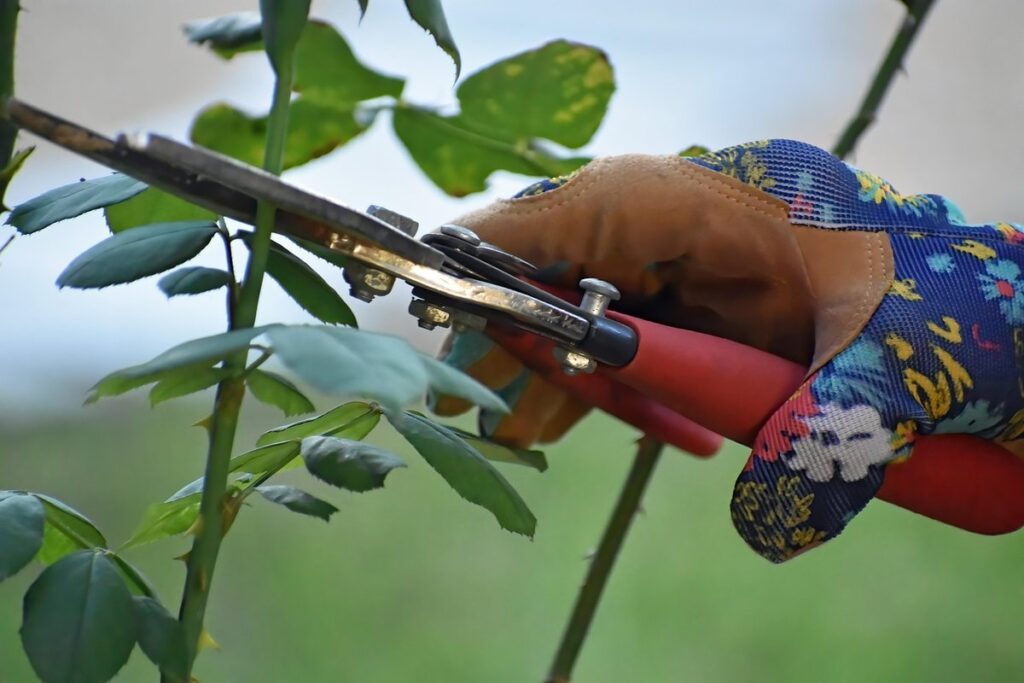
Understanding Rose Pruning Basics
Pruning roses can be intimidating, but understanding the basics is key to keeping your plants healthy and thriving. This section will walk you through the fundamentals of rose pruning, so you can get started with confidence.
Why Prune Roses at All?
Pruning roses is an essential task that plays a vital role in their overall health and blooming performance. By pruning your roses regularly, you’re essentially giving them a “haircut” to maintain their shape, promote healthy growth, and encourage more blooms.
When left unpruned, roses can become leggy and overgrown, making them more susceptible to disease and pests. Pruning helps to remove dead, diseased, or damaged wood, which in turn reduces the risk of infection spreading throughout the plant. Additionally, pruning encourages new growth, allowing your rose bushes to maintain their vibrancy and continue producing an abundance of flowers.
By pruning your roses at the right time and frequency, you’ll not only improve their appearance but also stimulate them to produce more blooms. In fact, many rose enthusiasts swear by regular pruning as a key factor in achieving maximum flower production. By incorporating pruning into your rose care routine, you’ll be rewarded with healthier, more resilient plants that thrive throughout the growing season.
Types of Pruning Cuts
When pruning roses, it’s essential to understand the different types of cuts used to maintain and promote healthy growth. The three primary types of cuts are thinning, reduction, and renewal cuts.
Thinning cuts involve removing select branches or stems from the bush to allow for air circulation, sunlight penetration, and even water distribution. This type of cut encourages the plant to produce new growth and increases flower production. When making a thinning cut, remove only one-third to one-half of the selected branch, leaving a few inches of stem intact.
Reduction cuts are used to control the overall size and shape of the rose bush. This involves cutting back overgrown branches or stems to about one-quarter to one-third of their original length. Reduction cuts help maintain a balanced structure and encourage new growth from the remaining cut ends.
Renewal cuts, also known as renewal pruning, involve cutting back the entire plant to about 12-18 inches from the ground. This type of cut rejuvenates old, mature rose bushes by removing dead or diseased wood, encouraging new stem growth, and promoting a more compact shape. Renewal pruning is typically done every few years to maintain the health and vigor of older roses.
When making any type of cut, it’s crucial to use clean, sharp tools and make cuts at a 45-degree angle just above a bud eye (the small swelling on the stem where a new branch will grow).
Pruning Tools and Equipment
When it comes to pruning roses, having the right tools and equipment can make all the difference. You don’t need a vast collection of specialized gear, but you will want a few essential items that will help you tackle even the most overgrown rose bushes with ease.
First and foremost, you’ll need loppers or long-handled pruners for cutting thicker stems. These are particularly useful for heavier pruning jobs, such as removing dead wood or reshaping mature shrubs. Look for a pair with sharp blades and comfortable grips to avoid fatigue during extended use. Pruners, on the other hand, are better suited for more delicate tasks, like trimming individual blooms or shaping smaller plants.
It’s also crucial to wear protective gear while pruning. A good pair of gardening gloves will safeguard your hands from thorns and scratches, allowing you to work with confidence and precision. Other essential items include a pruning saw (for thicker branches), secateurs (for precise cuts on smaller stems), and a garden knife for detailed work.
Investing in quality tools may seem like an added expense upfront, but they’ll save you time and frustration in the long run.
Timing Your Rose Pruning
When it comes to pruning roses, timing is everything, and understanding when to prune your rose bushes will make all the difference in their health and blooming potential. In this section, we’ll explore how to determine the right time for pruning.
Determining the Best Time to Prune
When it comes to determining the best time to prune your roses, the ideal time varies depending on the type of rose you have. For example, hybrid teas and floribundas are typically pruned in late winter or early spring, around February or March, when the plant is still dormant. This allows for new growth to emerge during the growing season.
Climbing roses, on the other hand, require more careful consideration. These types of roses should be pruned twice a year: once in late winter or early spring, and again immediately after blooming. Pruning climbing roses too early can reduce their bloom period, so it’s essential to time your pruning carefully.
Before you start pruning, take a closer look at the type of rose you have and consider its growth habits and flowering patterns. This will help you determine when the best time is to prune for optimal growth and blooming.
Factors Influencing Pruning Timing
When pruning roses, timing is crucial, and weather conditions, climate, and geographic location play a significant role in determining when it’s best to prune. In regions with harsh winters, for example, it’s essential to prune in the late winter or early spring before new growth begins. This allows the plant to focus its energy on developing strong roots and stems.
In warmer climates, however, pruning can be done at almost any time of year. But even here, it’s still important to consider the weather forecast. Avoid pruning during periods of intense heat or drought, as this can cause stress to the plant. In areas with mild winters, such as Southern California, pruning is often done in late winter to early spring.
Consider your geographic location and climate when deciding on the best time to prune. For instance, if you live in a region prone to frost, it’s crucial to wait until after the last frost date before pruning. This will prevent damage to the plant and encourage healthy new growth.
Preparing Your Rose Bushes
Before you start pruning, make sure your rose bushes are properly prepared for the task by following a few essential steps to promote healthy growth and blooming. This ensures a successful pruning experience.
Inspecting and Evaluating the Bush
Before you start pruning your rose bushes, it’s essential to inspect them thoroughly for signs of disease, pests, or damage. Take a close look at the entire plant, including the stems, leaves, and flowers. Check for any unusual growth patterns, discolored or distorted leaves, or powdery mildew on the foliage.
Look for signs of pest infestations such as aphids, whiteflies, or spider mites. These tiny insects can cause significant damage to your roses if left untreated. Inspect the undersides of leaves and stems, where pests often hide. If you notice any eggs, larvae, or actual pests, treat your rose bushes immediately with insecticidal soap or neem oil.
Also, examine the plant’s overall structure for any signs of damage from wind, disease, or physical trauma. Look for broken or damaged branches, canes, or stems that need to be pruned back. Check the base of the plant for any root rot or fungal diseases. A thorough inspection will help you identify potential problems and ensure your rose bushes receive the care they need before pruning.
Removing Dead, Diseased, or Damaged Wood
When pruning roses, it’s essential to remove dead, diseased, or damaged branches to maintain the health and appearance of your bush. These types of wood can be a haven for pests and diseases, which can spread quickly through the plant.
To identify dead or dying wood, look for signs such as brittleness, cracking, or a grayish color. Gently tug on the branch; if it snaps easily, it’s likely dead. Diseased branches often exhibit fungal growths, such as black spots or powdery mildew. Damaged wood might be twisted, split, or have rough bark.
Remove these branches at their base using sharp, sterile pruning tools to prevent spreading disease. Make clean cuts just above a bud eye (the small swollen area from which new growth emerges) or a lateral branch. This will help the plant heal quickly and reduce the risk of infection. Be sure to dispose of removed branches to prevent them from rotting nearby, creating an environment conducive to fungal growth.
Removing dead, diseased, or damaged wood not only improves the appearance of your rose bushes but also promotes healthy growth and reduces maintenance needs in the long run.
Pruning Techniques and Strategies
When it comes to pruning roses, understanding various techniques and strategies is crucial for achieving healthy growth and beautiful blooms. In this next part of our guide, we’ll explore these essential methods.
Thinning Out Branches
When it comes to pruning roses, thinning out branches is an essential technique that not only improves air circulation but also reduces disease susceptibility and promotes healthy growth. This process involves selectively removing some of the older, weaker branches to allow for better sunlight penetration and air flow.
By thinning out branches, you’ll be creating space between individual stems, which will help prevent fungal diseases from taking hold. For example, a common issue in rose gardens is black spot disease, which thrives in humid environments with poor air circulation. By removing some of the dense foliage, you’ll reduce the likelihood of this disease occurring.
To thin out branches effectively, choose the oldest and most damaged stems first. Look for those that are crossing or rubbing against other branches, as these can cause damage to the plant. Use clean, sharp pruning tools to make smooth cuts just above a bud eye or a lateral branch. Remember to remove only about one-third of the overall mass of the shrub at any given time to avoid shocking the plant.
Reducing and Renewing Wood
When it comes to pruning roses, reducing and renewing wood is an essential technique to maintain their shape and promote blooming. Over time, rose bushes develop old, woody stems that can become congested with branches, leading to reduced flowering and a less-than-ideal appearance.
To reduce and renew the wood in your rose bush, start by identifying which stems are no longer productive or have outgrown their space. Cut these back to about 12 inches from the ground using a sharp pair of pruning shears or loppers. This will help control the size and shape of the plant while allowing new growth to emerge.
As you prune, also look for areas where the branches are crossing or rubbing against each other. Remove any stems that are damaged or diseased, making clean cuts just above a bud eye (the small swelling from which new growth emerges). By doing this, you’ll promote air circulation and reduce the risk of disease.
Aftercare and Maintenance
Now that you’ve pruned your roses, it’s essential to care for them properly to promote healthy growth and encourage new blooms. This section will walk you through the necessary aftercare steps.
Watering and Fertilizing
After pruning your roses, it’s essential to provide them with optimal care, including proper watering and fertilization. This will help promote healthy growth, prevent disease, and encourage blooming.
When it comes to watering, ensure the soil around your pruned rose is consistently moist but not waterlogged. Overwatering can be detrimental to your plant, causing root rot and other problems. To gauge when to water, check the top 2-3 inches of soil by inserting your finger into the earth. If dry, it’s time to give your rose a good soaking.
As for fertilizing, use a balanced, slow-release fertilizer that promotes root growth and flowering. Avoid overfertilizing, which can damage your plant and lead to weak stems. Instead, follow the manufacturer’s instructions and start with a small amount. You can also test your soil pH level and adjust accordingly. Most roses prefer a slightly acidic to neutral soil pH (around 6.0-7.0). By striking this balance, you’ll give your pruned rose the best chance at thriving and producing stunning blooms for years to come.
To prepare your soil, mix in a 2-inch layer of compost or well-rotted manure before planting your pruned rose. This will help improve drainage, reduce soil compaction, and provide essential nutrients.
Monitoring and Adjusting
After pruning your roses, it’s essential to monitor their health and adjust their care accordingly. Regular checks will help you catch any potential issues before they become major problems. Keep an eye out for signs of stress, such as yellowing leaves or droopy stems.
If you notice any disease symptoms like black spots, powdery mildew, or rust, treat the affected areas immediately with fungicides. Be sure to follow the product instructions carefully and spray the entire plant thoroughly. Regular pruning also helps promote air circulation around the canes, reducing the risk of fungal diseases.
As your roses adjust to their new shape and size, they may require some TLC. Check for signs of nutrient deficiencies like stunted growth or pale coloration. If you suspect a problem, consider getting your soil tested to determine its pH level and nutrient content. Adjust your fertilization schedule accordingly to provide the right balance of nutrients.
Remember, prevention is key in rose care. Monitor your plants regularly, and address any issues promptly to ensure they remain healthy and thriving. With proper attention, your pruned roses will reward you with beautiful blooms for years to come.
Common Pruning Mistakes
When pruning roses, it’s easy to make mistakes that can harm your plants. In this next part of our guide, we’ll cover some common pitfalls to watch out for and how to avoid them.
Over-Pruning
When it comes to pruning roses, many gardeners tend to err on the side of caution and over-prune their bushes. This might seem like a good idea, as it appears to encourage new growth and keep the plant healthy. However, over-pruning can have serious consequences for your rose bush.
Firstly, over-pruning can lead to a significant reduction in blooms. When you remove too much foliage, the plant has less energy to produce flowers, resulting in fewer or no blooms at all. This is especially true for hybrid tea and grandiflora roses, which require a certain amount of foliage to produce plenty of blooms.
Furthermore, over-pruning can compromise the overall health of your rose bush. By removing too much stem tissue, you may inadvertently create an entry point for diseases like black spot or powdery mildew. This can be especially problematic if you don’t provide adequate care and maintenance, such as regular watering and fertilization.
To avoid over-pruning, make sure to only remove what’s absolutely necessary – dead, diseased, or damaged branches. Use a sharp, clean pruning tool and cut just above a bud eye (about 1/4 inch from the eye) to encourage new growth and prevent disease.
Under-Pruning
Under-pruning is another common mistake that rose gardeners make. It may seem counterintuitive, but not cutting enough of a rose bush can have detrimental effects on its overall health and productivity. One of the primary issues with under-pruning is reduced blooming. When dead, diseased, or damaged branches are left intact, they can suck energy away from the rest of the plant, reducing flower production.
Poor air circulation is another problem that arises from under-pruning. When branches are too dense, moisture becomes trapped, creating an ideal environment for diseases like black spot and powdery mildew to thrive. In addition, poor air circulation can lead to increased humidity levels around the plant, making it more susceptible to pests and diseases.
To avoid these issues, make sure to prune your rose bushes regularly, removing any dead, diseased, or damaged branches throughout the growing season. This will promote healthy growth, encourage blooming, and prevent disease from taking hold. Remember, a little pruning can go a long way in maintaining the health and beauty of your rose garden.
Frequently Asked Questions
What if I’m not sure how to prune a specific type of rose, such as a hybrid tea or floribunda?
If you’re unsure about pruning a specific type of rose, consult the plant’s label or research online for guidance. Generally, hybrid teas and floribundas require regular pruning to maintain their shape and encourage blooming. Be sure to remove any dead or diseased wood, and thin out branches to promote air circulation.
Can I prune my roses in the fall instead of spring?
Yes, you can prune your roses in the fall, but it’s generally recommended to do so in late winter or early spring when new growth begins. Pruning in the fall can stimulate new growth, which may not have time to harden off before winter, making it more susceptible to damage.
What if I accidentally over-prune my rose bushes?
If you’ve over-pruned your rose bushes, don’t panic! Over-pruning can be stressful for plants, but they’re resilient. To recover, focus on providing optimal care: water and fertilize regularly, mulch around the base to retain moisture, and keep an eye out for pests or diseases that may take advantage of weakened plants.
How often should I prune my rose bushes during their first year?
During a rose bush’s first year, it’s essential to provide support and guidance as it establishes its root system. Prune your new rose bush lightly in the spring after planting, removing any weak or damaged growth. Then, prune again in mid-summer to encourage branching and promote healthy growth.
What about pruning climbing roses – do I need a different approach?
Yes, climbing roses require a distinct pruning strategy. To maintain their vining habit and promote blooming, prune your climbing rose after it finishes blooming, removing any dead or damaged canes. Then, trim back long stems to encourage branching and new growth.