
Creating a beautiful garden can be a thrilling experience, but when pesky rabbits are involved, it can quickly turn into a frustrating challenge. If you’re tired of watching your plants get nibbled to the ground or worse, losing entire gardens to these furry critters, you’re not alone. As any gardener knows, protecting your hard work from unwanted visitors is crucial. But what if we told you there’s a way to outsmart those rabbits and enjoy a lush, thriving garden without breaking the bank or sacrificing style? With this comprehensive guide, we’ll show you how to create a rabbit-resistant garden that’s both stunning and sustainable. We’ll cover everything from expert plant selection to clever design strategies and maintenance tips – all tailored to help you grow a rabbit-free oasis in your own backyard!
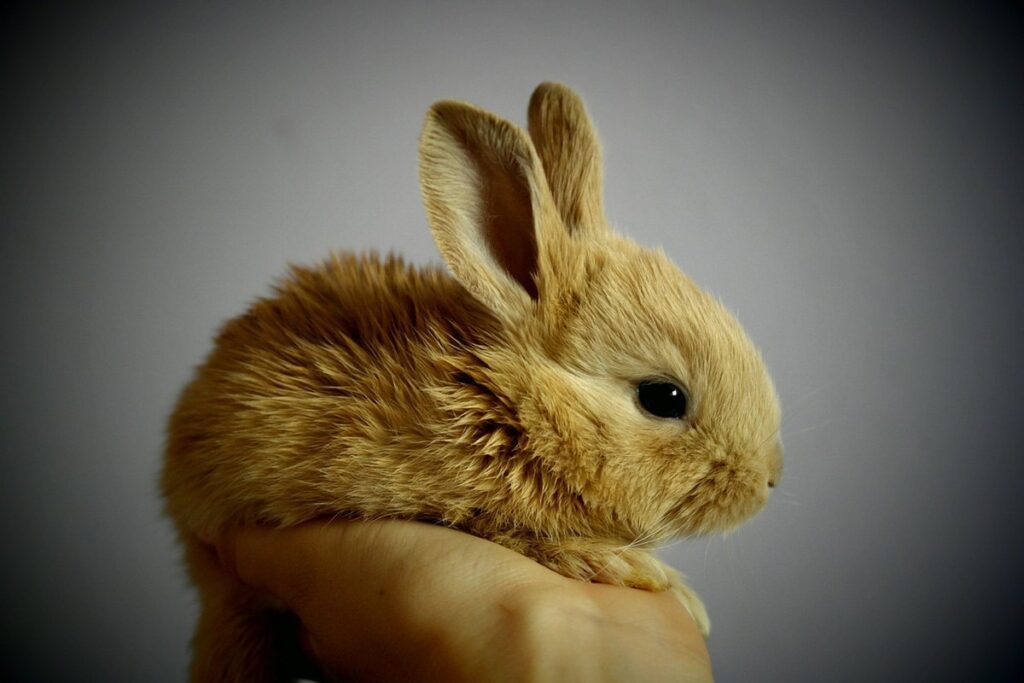
Understanding Rabbits and Their Plant Preferences
When it comes to choosing rabbit-resistant plants, understanding what rabbits prefer to munch on is key. Let’s take a closer look at their eating habits and favorite snacks in nature.
What Do Rabbits Eat?
Rabbits are notorious herbivores, and their plant preferences can be quite destructive to gardens. To understand which plants are rabbit-resistant, it’s essential to know what types of plants they tend to eat.
These furry critters are attracted to plants with tender shoots, leaves, stems, and flowers. Grasses, in particular, are a favorite among rabbits. They munch on various types of grasses, including Kentucky bluegrass, perennial ryegrass, and tall fescue. Leaves from plants like clover, alfalfa, and dandelion are also highly palatable to them.
Stems and flowers aren’t spared either; rabbits love to nibble on the tender shoots of vegetables like carrots, beans, and peas. In addition, they’re drawn to the colorful blooms of marigolds, zinnias, and sunflowers. The reason behind this attraction is simple: these plants are rich in nutrients and offer a convenient source of fiber.
To keep your garden safe from rabbit damage, it’s crucial to understand their eating habits and plant preferences. By choosing rabbit-resistant plants, you can protect your garden and enjoy the beauty of nature without worrying about furry critters munching on your prized flowers and vegetables.
Identifying Rabbit-Proofing Needs
To create an effective rabbit-proof garden, it’s essential to understand how rabbits’ behavior, physiology, and environment influence their feeding habits. Rabbits are herbivores that thrive on a diet rich in fiber, which is why they’re drawn to plants with high cellulose content. They use their powerful teeth to clip grasses and browse leaves, making them particularly fond of plants like clover, alfalfa, and lettuce.
However, not all plants are equally appealing to rabbits. Factors such as plant height, leaf structure, and taste play a significant role in determining which plants they’ll target. Tall plants with broad leaves or dense foliage are more likely to be avoided due to the difficulties involved in accessing these areas. Conversely, low-growing plants with tender shoots or succulent leaves will become prime targets.
When selecting rabbit-resistant plants for your garden, consider factors like plant vigor, leaf thickness, and bitter taste compounds. Plants with strong odors, spines, or thorns are also less likely to be consumed by rabbits. By understanding these preferences and incorporating these characteristics into your plant selection, you’ll significantly reduce the risk of rabbit damage in your garden.
Assessing Your Garden’s Vulnerability
Before selecting rabbit resistant plants, it’s essential to assess your garden’s specific vulnerability to these pesky critters. This involves evaluating the types of plants they’re likely to target first.
Evaluating Plant Susceptibility
When it comes to evaluating plant susceptibility to rabbit damage, understanding what attracts rabbits to certain plants is crucial. Rabbits are notorious for their voracious appetites and keen senses of smell and taste. They tend to favor plants with soft, succulent leaves that are rich in nutrients such as protein, fiber, and minerals. Leaf texture plays a significant role, with smooth-leaved plants like hostas and petunias being particularly appealing to rabbits.
On the other hand, plants with coarse or hairy leaves may be less appealing due to their unpalatability. For example, lavender and rosemary are often ignored by rabbits due to their strong scents and bitter flavors. Assessing your existing garden’s vulnerability involves examining its composition and identifying which plants are most likely to attract rabbits. Take note of the types of plants that grow near rabbit habitats or areas where you’ve spotted rabbit activity.
Consider replacing these plants with more resistant species, such as succulents or bulbs, to minimize damage.
Common Rabbit-Resistant Plants in Different Zones
When it comes to selecting rabbit-resistant plants for your garden, it’s essential to consider the specific climate and region you’re in. Different zones have varying levels of seasonal availability and plant hardiness, making some plants more suitable than others.
In USDA Zone 4, popular options include coneflowers (Echinacea), bee balm (Monarda didyma), and Russian sage (Perovskia atriplicifolia). These plants thrive in cooler temperatures and can tolerate light frosts. In contrast, Zone 7 gardeners can opt for lavender (Lavandula spp.), rosemary (Rosmarinus officinalis), and boxwood (Buxus sempervirens), which prefer warmer climates.
Zone 9 residents have an advantage when it comes to rabbit-resistant plants, with choices like olives (Olea europaea), pomegranates (Punica granatum), and succulents (e.g., Echeveria spp.). Keep in mind that even within zones, plant hardiness can vary depending on specific microclimates. Research your local nursery or gardening associations for more tailored advice on selecting rabbit-resistant plants suitable for your region.
When choosing plants, also consider factors like maturity rate and growth habits to ensure they fit seamlessly into your garden design.
Designing a Rabbit-Resistant Garden
When it comes to designing a garden that rabbits won’t love, there are several key elements to consider. Let’s explore the practical steps you can take to create a rabbit-resistant oasis.
Creating a Deterrent Plant Matrix
To create an effective deterrent against rabbits, it’s essential to design a garden that incorporates multiple layers of defense. One strategy is to use physical barriers such as fencing, mesh, or netting to prevent rabbits from entering the area. However, this alone may not be sufficient, and that’s where companion planting comes in.
Companion planting involves pairing plants with specific characteristics that repel rabbits or make them less appealing to these pests. For example, lavender is known to deter rabbits due to its strong scent, while chili peppers can be used to create a spicy barrier around sensitive plants. Marigolds and garlic are also effective in keeping rabbits away.
When designing your rabbit-resistant garden, consider creating a matrix of deterrent plants. Start by selecting the most vulnerable areas and placing repellent plants nearby. For instance, if you have a prized rose bush, surround it with lavender or chili peppers to keep rabbits at bay. By combining physical barriers and companion planting, you’ll be well on your way to creating a rabbit-free garden oasis.
Incorporating Native Plants
Incorporating native plants into your garden is an excellent way to create a rabbit-resistant landscape. These plants have evolved alongside local wildlife and possess natural defenses against common herbivores like rabbits. By choosing plants that are native to your area, you can tap into their built-in resistance and reduce the need for pesticides or other chemicals.
Native plants also require less maintenance than non-native species. They’re adapted to the local climate and soil conditions, which means they’ll need less watering, pruning, and fertilizing. This is especially beneficial in a rabbit-resistant garden, where you may not want to introduce more chemicals into the environment.
Consider consulting with a local nursery or gardening expert to identify native plant species that thrive in your area. Some examples of native plants that are resistant to rabbits include coneflowers, black-eyed susans, and native grasses. These plants will not only withstand rabbit attacks but also provide a beautiful, low-maintenance landscape for you to enjoy.
Effective Plant Selection for Rabbit Control
When selecting plants to outsmart rabbits, understanding their specific preferences and dislikes is crucial for effective rabbit control. In this next step, we’ll explore which plants to choose for optimal results.
Top Rabbit-Resistant Flowering Plants
When selecting flowering plants for areas with rabbit infestations, it’s essential to choose varieties that are less appealing to these furry critters. Rabbits tend to avoid plants with bitter or unpalatable foliage, making them ideal choices for rabbit-resistant landscaping.
Consider incorporating the following flowering plants into your garden:
* Lavender (Lavandula spp.) – With its fragrant purple blooms and pungent foliage, lavender is a natural deterrent for rabbits.
* Rosemary (Rosmarinus officinalis) – This herbaceous perennial produces blue flowers and has needle-like leaves that are unpalatable to rabbits.
* Daffodil (Narcissus pseudonarcissus) – The bulbs of daffodils contain toxic compounds that repel rabbits, making them a great choice for areas with high rabbit activity.
* Hyacinth (Hyacinthus orientalis) – These fragrant flowers have tubers that are unappealing to rabbits and can be planted in clusters for maximum impact.
When selecting these plants, ensure you choose varieties that bloom at different times to provide a constant display of color throughout the growing season. This will also help to reduce the likelihood of rabbits targeting specific plants based on their bloom cycle.
Edible Options: Including Rabbit-Resistant Fruits and Vegetables
When it comes to creating a rabbit-resistant garden that also provides fresh produce, you’ll be delighted to know that there are many edible options available. Fruits and vegetables that rabbits find unappealing can still thrive in your garden while keeping those pesky critters at bay.
Consider planting fruits like rhubarb, gooseberries, or currants, which are all toxic to rabbits but safe for human consumption. These tart treats can add a burst of flavor to pies, jams, and salads. Another option is citrus fruits like lemons, limes, or oranges, whose acidity makes them unappealing to rabbits.
In terms of vegetables, try growing plants like Brussels sprouts, cabbage, or broccoli, which are often rejected by rabbits due to their strong flavors and textures. These nutritious veggies can be roasted, sautéed, or steamed as a delicious side dish. Remember to research local regulations before planting certain fruits, like rhubarb, which can be invasive in some areas.
By incorporating these rabbit-resistant edible options into your garden design, you’ll create a haven that’s both beautiful and bountiful – a true win-win for gardeners and wildlife alike!
Maintaining Your Rabbit-Resistant Garden
Now that you’ve planted your rabbit-resistant garden, it’s time to focus on maintaining its integrity and ensuring those pesky critters stay out for good. This involves regular monitoring and proactive measures to keep your garden thriving.
Seasonal Maintenance Tasks
As you’ve successfully established a rabbit-resistant garden, it’s essential to maintain it throughout the seasons to ensure its continued health and effectiveness. Regular maintenance tasks can be broken down into pruning, watering, and fertilization strategies.
During spring and fall, when new growth is most prominent, prune your plants to promote healthy development and prevent overgrowth. Remove any dead or damaged leaves or stems to prevent the spread of disease and encourage new growth. For example, if you’re growing a lamb’s ear plant (Stachys byzantina), trim back any woody stems to about 6 inches from the ground.
Summer months often bring hot temperatures, so it’s crucial to ensure your plants receive adequate water. Water deeply but infrequently to encourage deep root growth and make your plants more drought-tolerant. Mulch around the base of your plants to retain moisture and suppress weeds. For fertilization, use a balanced, slow-release fertilizer in early spring or late summer.
During winter months, reduce watering to about once every 10-14 days, as most rabbit-resistant plants require less water during this season. Apply a thin layer of mulch around the base of your plants to protect them from frost and extreme cold.
Monitoring and Adapting
Monitoring for rabbit activity and adjusting your garden accordingly is crucial to maintaining a balanced ecosystem. Regularly inspect your plants and surrounding areas for signs of rabbit damage, such as nibbled leaves, broken stems, or droppings. Look for telltale tracks, holes, or burrows in the soil or under planters.
If you notice rabbit activity, reassess your plant selection. Consider replacing vulnerable plants with more resilient options from our comprehensive list of rabbit-resistant species. You can also experiment with different deterrent methods to see what works best for your garden. For example, try using physical barriers like fencing or mesh, or opt for repellents containing predator urine or hot peppers.
Adjusting your approach as needed will help minimize damage and promote coexistence with these furry visitors. Keep in mind that it’s not always possible to completely deter rabbits, but with the right combination of plants and deterrents, you can create a harmonious environment that benefits both your garden and its inhabitants.
Frequently Asked Questions
Can I use rabbit-resistant plants in areas with extreme weather conditions?
Yes, many rabbit-resistant plants are adaptable to various climates, but it’s essential to research the specific needs of your chosen plants to ensure they thrive in your local environment. Consider factors like temperature, humidity, and sunlight exposure when selecting plants for areas with extreme weather conditions.
How can I maintain my rabbit-resistant garden during the off-season?
Maintaining a rabbit-resistant garden during the off-season involves ongoing monitoring and adjustments. Regularly inspect your plants for signs of damage, trim or prune affected areas, and consider implementing additional deterrents like fencing or repellents to prevent winter-weakened plants from becoming vulnerable.
Will using native plants automatically make my garden rabbit-proof?
No, incorporating native plants is a great starting point, but it’s not a guarantee against rabbit damage. While native plants are often less appealing to rabbits, they can still be affected by overpopulation or intense hunger. Supplement your native plant selection with strategically placed deterrents and regular maintenance for optimal results.
Can I use companion planting as a primary method of rabbit control?
While companion planting can be an effective way to deter rabbits, it’s best used in conjunction with other methods like plant selection, fencing, and repellents. Certain plants, such as hot peppers or garlic, have natural properties that repel rabbits, but their effectiveness may vary depending on the specific situation.
What should I do if I notice rabbit damage despite using rabbit-resistant plants?
If you notice persistent rabbit damage despite using rabbit-resistant plants, reassess your garden’s layout and adjust your strategy accordingly. Consider factors like plant spacing, soil quality, and nearby attractants that might be drawing rabbits to your garden. Adjust your deterrence measures or replace vulnerable plants with more robust alternatives to ensure a thriving rabbit-free oasis.