
Leaf rust is one of the most common and destructive fungal diseases affecting crops worldwide. As a gardener or farmer, you’re likely no stranger to the devastating effects of this disease on your plants’ health and yields. But what exactly causes leaf rust, and how can you prevent its spread? Understanding the symptoms and control measures is crucial to protecting your crops and ensuring a bountiful harvest.
This article will delve into the world of leaf rust fungal disease, exploring its causes, identifying the telltale signs of infection, and providing practical advice on preventing its spread. From understanding the life cycle of the fungus to implementing effective control measures, we’ll cover everything you need to know to keep your crops safe from this pesky disease.
Understanding Leaf Rust: An Overview
Leaf rust is a common fungal disease affecting many plant species, causing visible symptoms that can be detrimental to crop yield and quality. Let’s take a closer look at its characteristics.
What is Leaf Rust?
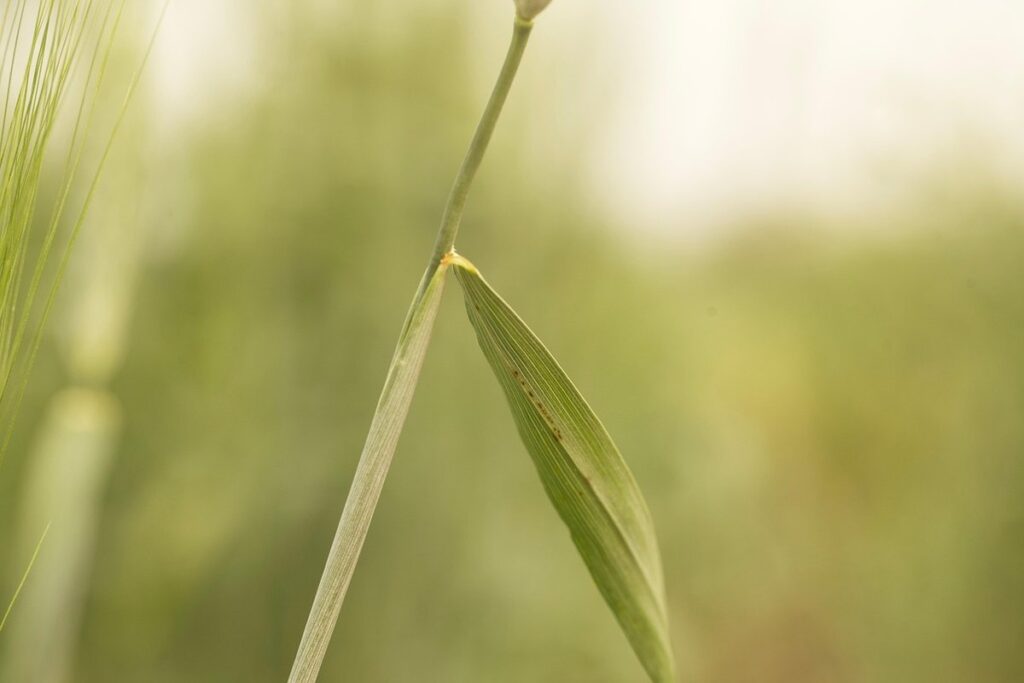
Leaf rust is a common fungal disease that affects plants by causing damage to their leaves. It’s caused by a group of fungi known as Puccinia, which infects the plant through spores that are carried by wind or water. The infection occurs when the fungus penetrates the leaf tissue and begins to feed on the plant’s nutrients.
The effects of leaf rust can be significant, leading to reduced growth rates, lower yields, and increased susceptibility to other diseases. Infected leaves may turn yellow, orange, or red, while others may develop small, powdery blisters or rust-colored patches. In severe cases, the entire leaf may die off, compromising the plant’s ability to photosynthesize.
To understand the impact of leaf rust, consider a study where wheat yields dropped by 20% due to leaf rust infections. This highlights the need for early detection and control measures to prevent widespread damage. As a gardener or farmer, being aware of the symptoms and causes of leaf rust is crucial in implementing effective control strategies to minimize its effects.
Types of Leaf Rust
There are several types of leaf rust that can affect various plant species. Pucciniastrum myrtilli is a type of leaf rust that primarily affects fir and spruce trees, causing the needles to turn yellow and become brittle. Other common types of leaf rust include those affecting wheat, oat, and barley crops.
The wheat stripe rust (Puccinia striiformis), for instance, can cause significant losses in crop yield due to its ability to spread rapidly under cool and moist conditions. In contrast, the Indian corn smut (Ustilago maydis) is a type of leaf rust that affects maize plants, causing them to produce abnormal growths on their leaves.
In terms of plant species affected by leaf rust, wheat and oat crops are among the most vulnerable. The severity of the disease can vary depending on factors such as weather conditions, soil quality, and the specific strain of the fungal infection. It’s essential for farmers and gardeners to be aware of these differences in order to implement effective control measures.
When managing leaf rust infections, it’s crucial to consider the specific characteristics of the type of leaf rust affecting your plants. This may involve adjusting fungicide applications, changing irrigation practices, or adopting integrated pest management strategies that incorporate crop rotation and sanitation techniques.
Economic Impact of Leaf Rust
The economic impact of leaf rust cannot be overstated. This devastating fungal disease affects not only individual crops but has far-reaching consequences for entire agricultural industries, horticulture, and forestry sectors worldwide. The cost of managing and controlling leaf rust is substantial, with estimates suggesting it can account for up to 50% of a farmer’s expenses.
In addition to direct management costs, leaf rust also results in significant losses due to reduced crop yields, lower quality produce, and delayed harvesting. For example, a study on wheat crops found that leaf rust infection can lead to yield reductions of up to 20%. Furthermore, the disease can have long-term effects on soil health, reducing fertility and impacting future crop productivity.
To mitigate these economic impacts, farmers must adopt integrated pest management (IPM) strategies that include monitoring for early signs of infection, applying fungicides judiciously, and implementing crop rotation and sanitation practices. By taking proactive measures to control leaf rust, farmers can minimize losses and maintain the long-term sustainability of their operations.
Causes and Factors Contributing to Leaf Rust
Leaf rust is often triggered by a combination of environmental factors, including temperature, humidity, and rainfall patterns. Understanding these causes will help you better prepare for prevention.
Favorable Conditions for Leaf Rust Growth
Temperature plays a crucial role in leaf rust growth. Generally, temperatures between 60°F and 85°F (15°C to 30°C) favor the development of this fungal disease. However, temperatures above 90°F (32°C) can also lead to its spread.
High humidity is another essential factor for leaf rust growth. When the relative humidity exceeds 70%, it becomes easier for spores to germinate and infect plant leaves. Conversely, dry conditions can slow down or even prevent the disease from spreading.
Light exposure is also a significant contributor to leaf rust growth. Plants exposed to direct sunlight are more susceptible to infection as high light intensities weaken their natural defense mechanisms. As a result, it’s essential for gardeners to provide shade for infected plants during peak sun hours.
Understanding these favorable conditions can help you implement effective control measures and prevent the spread of leaf rust in your plant population.
Host Plant Susceptibility
When it comes to host plant susceptibility, some plants are more prone to leaf rust infection than others. This is largely due to their genetic predisposition. Certain plant species have inherent weaknesses that make them more vulnerable to the disease.
Crops like wheat, barley, and oats are particularly susceptible to leaf rust. These grasses belong to the same family (Poaceae) and share similar characteristics that increase their risk of infection. For example, the susceptibility of these crops to leaf rust is linked to specific genes that control the production of proteins involved in pathogen recognition.
Other factors can also contribute to a plant’s susceptibility to leaf rust. Soil conditions, temperature fluctuations, and moisture levels can all play a role in creating an environment conducive to disease spread. In regions with poor soil quality or inadequate crop rotation practices, plants are more likely to become infected.
It’s essential for farmers to identify which crops are at high risk of leaf rust and take preventative measures accordingly. This includes monitoring weather conditions, maintaining good crop hygiene, and implementing effective integrated pest management (IPM) strategies.
Spread and Transmission of Leaf Rust
Leaf rust is highly contagious and can spread quickly from one plant to another through various means. One of the primary ways leaf rust spreads is through wind. When an infected plant releases spores into the air, they can travel long distances on the breeze, infecting nearby plants. This process can occur within a short span of time, often in a matter of hours or days.
Another way leaf rust spreads is through water. Rainwater and irrigation systems can splash spores from one plant to another, causing widespread infection. Insects like aphids, whiteflies, and spider mites also play a role in the spread of leaf rust by feeding on infected plants and then transferring spores to healthy ones.
To prevent the spread of leaf rust, it’s essential to maintain good sanitation practices. This includes removing any infected plant debris, washing tools thoroughly after use, and disinfecting equipment regularly. Practicing integrated pest management (IPM) techniques that focus on understanding the life cycle of the disease and its vectors can also help mitigate the spread of leaf rust.
When using fungicides, it’s crucial to select products specifically designed for leaf rust control and apply them according to label instructions. Always choose products with active ingredients that have been proven effective against this particular disease.
Symptoms of Leaf Rust Infection
As you try to identify the signs of leaf rust infection, it’s essential to recognize common symptoms such as yellowing leaves and black spots. These visual cues can help you diagnose the problem early on.
Visual Identification of Leaf Rust
When inspecting plants for leaf rust infection, it’s essential to look out for visual signs of the disease. One of the most noticeable symptoms is yellowing or browning leaves. Infected leaves may develop small, irregular patches that turn yellow or brown due to the fungal infection. These patches can expand rapidly and merge together, causing the entire leaf to turn a sickly shade.
In severe cases, infected leaves may become distorted, with curled or twisted edges. The texture of the affected areas may also change, becoming soft and leathery to the touch. In addition to these changes, you may notice a powdery, white coating on the underside of the leaf. This is a characteristic symptom of leaf rust infection.
It’s worth noting that not all plants will exhibit all of these symptoms simultaneously. The severity and presentation of leaf rust can vary depending on factors such as temperature, humidity, and the specific plant variety. Regular monitoring and early detection are crucial for effective management of the disease. By recognizing these visual signs, you’ll be able to take prompt action to prevent further spread and protect your plants from more severe damage.
Early Detection and Monitoring
Early detection and monitoring are crucial for effectively managing leaf rust fungal disease. As soon as you notice any unusual symptoms on your plants, it’s essential to take a closer look to determine the extent of the infection.
To identify infected plants, inspect them regularly, especially during periods of high humidity or rainfall when spores are more likely to spread. Look out for yellowing leaves, rust-colored spots, or powdery patches on the underside of leaves. You can also check for premature defoliation, reduced plant growth, and stunted appearance.
In addition to visual inspection, consider using a magnifying glass or hand lens to examine affected areas more closely. Take note of any changes in leaf color, texture, or shape, as these can indicate early signs of infection. It’s also helpful to keep track of weather patterns and soil moisture levels, as these can contribute to the spread of the disease.
By being vigilant and monitoring your plants regularly, you can catch leaf rust infections early on and prevent them from spreading further. Regular checks will allow you to intervene promptly, reducing the risk of significant yield loss or plant damage.
Impact on Plant Growth and Yield
Leaf rust infection can significantly impact plant growth and yield, making it a major concern for farmers and gardeners. One of the most noticeable effects is reduced fruit set, which occurs when the fungus interferes with the plant’s ability to produce flowers and fruits. This can lead to lower yields and decreased crop quality.
Decreased seed production is another consequence of leaf rust infection. As the disease progresses, it can cause a reduction in seed size, number, or both, making it difficult for plants to reproduce. For example, studies have shown that wheat infected with leaf rust often produces fewer seeds per spike than healthy plants.
In severe cases, leaf rust can even lead to plant death, which means complete crop failure. To mitigate these effects, farmers and gardeners should take prompt action when symptoms appear. This includes removing infected leaves, practicing good sanitation, and implementing integrated pest management strategies to prevent further spread of the disease. By taking proactive measures, it’s possible to minimize the impact on plant growth and yield.
Diagnosis and Identification
When identifying leaf rust fungal disease, it’s crucial to carefully observe the symptoms and take note of any distinctive features that may indicate a specific type of infection. You’ll also learn how to diagnose the problem accurately in this section.
Laboratory Tests for Leaf Rust
Laboratory tests play a crucial role in diagnosing leaf rust, especially when visual symptoms are ambiguous. Among these tests, PCR (polymerase chain reaction) and serological assays stand out for their precision and speed.
PCR is a molecular technique that detects the genetic material of the fungal pathogen. This test is highly sensitive and can identify even minute quantities of fungal DNA present in leaf samples. It’s particularly useful for early detection, as it can pinpoint the presence of the fungus before visible symptoms appear. Plant breeders often rely on PCR to identify resistant varieties.
Serological tests, on the other hand, detect the presence of antibodies or antigens produced by the host plant in response to fungal infection. These tests are generally easier and less expensive than PCR but may require a larger sample size for accurate results.
When selecting a laboratory test, consider factors such as cost, speed, and sample requirements. Consult with a qualified diagnostic lab to determine which method best suits your specific needs.
Visual Inspection and Sampling Methods
When inspecting plants for leaf rust, it’s essential to look out for characteristic symptoms such as yellow or orange powdery patches on leaves. However, a thorough visual inspection often requires more than just spotting these telltale signs. To accurately identify leaf rust and determine its severity, you need to employ systematic sampling techniques.
Sampling involves collecting and examining plant tissues or samples from various parts of the affected area. This can be done using sterile instruments such as tweezers, scissors, or a scalpel. For example, when inspecting wheat leaves for leaf rust, take 10-20 samples from different areas of the plant, including those with visible symptoms and healthy-looking areas.
When collecting samples, ensure that they are properly labeled and stored in sealed containers to prevent contamination. It’s also crucial to record data on the location, time of sampling, and any notable observations during the inspection process. This information will help you track the spread of the disease and make informed decisions about control measures.
Importance of Accurate Diagnosis
Accurate diagnosis of leaf rust fungal disease is crucial to preventing its spread. If left undiagnosed or misdiagnosed, this highly contagious disease can quickly infect neighboring plants and even entire crops. According to a study by the Food and Agriculture Organization (FAO) of the United Nations, improper identification can lead to ineffective control measures, resulting in significant economic losses.
To accurately diagnose leaf rust, farmers and gardeners should look for specific symptoms such as yellowing leaves, rusty-red patches, or premature defoliation. However, these signs alone are not enough; a detailed examination of plant tissues under a microscope may be necessary to confirm the presence of the fungus. In some cases, molecular testing may also be required to differentiate between similar fungal diseases.
By obtaining an accurate diagnosis, you can take targeted control measures to prevent further spread and protect your plants from this devastating disease. This involves promptly removing infected leaves or plants, implementing integrated pest management (IPM) strategies, and applying fungicides as recommended by a qualified expert.
Control Measures and Management Strategies
Now that we’ve discussed how to identify and prevent leaf rust, let’s dive into the control measures and management strategies you can use to minimize its impact on your plants. These practical tips will help you keep leaf rust at bay.
Chemical Controls and Fungicides
When it comes to managing leaf rust fungal disease, chemical controls and fungicides play a crucial role. These products work by targeting specific stages of the pathogen’s life cycle, disrupting its growth and development.
One common mode of action is through the use of systemic fungicides, which are absorbed by the plant and translocated throughout its tissues. This allows them to reach and kill fungal pathogens at various locations within the plant. An example of a systemic fungicide used for leaf rust control is azoxystrobin (e.g., Heritage or Quadris). These products can be applied as foliar sprays, either preventatively before disease onset or curatively after symptoms appear.
For more targeted application, protectant fungicides are also available. These work by creating a barrier on the plant’s surface that inhibits fungal growth and spore germination. Copper-based products (e.g., copper oxychloride) and sulfur-based compounds (e.g., sulfur dusts or powders) fall into this category. Effective use of chemical controls requires careful timing, as application at the wrong stage can lead to unnecessary stress on the plant.
Some fungicides are also specifically designed for early-season or post-harvest treatments. These include products like chlorothalonil (e.g., Daconil) and fenhexamid (e.g., Elevate). When using chemical controls, always read and follow label instructions carefully, taking into account factors such as plant maturity, weather conditions, and potential environmental impacts.
Some fungicides have a unique mode of action. For example, those containing triadimefon (e.g., Bayleton) can be used to control leaf rust by disrupting the fungus’s ability to produce its own food.
Cultural Controls and Crop Management
Cultural controls and crop management practices play a crucial role in preventing or reducing the severity of leaf rust. Pruning is an effective way to control the spread of the disease by removing infected leaves and branches. Regular pruning also promotes healthy growth, making plants more resistant to fungal infections.
To implement effective pruning, start by identifying and removing any diseased leaves or stems. Make clean cuts just above a node, using sharp tools to minimize damage to the plant. Disinfect pruning tools between each cut to prevent the spread of spores.
Sanitation is also essential in controlling leaf rust. Regularly remove weeds and debris from around plants, as these can harbor fungal spores and insects that contribute to the disease. Crop rotation can also help reduce the risk of infection by breaking the life cycle of the pathogen. By incorporating these practices into your management strategy, you can significantly reduce the severity of leaf rust and promote a healthier crop.
Integrated Pest Management (IPM) Strategies
When it comes to managing leaf rust fungal disease, Integrated Pest Management (IPM) strategies offer a holistic approach that can be more effective and sustainable than relying on a single control measure. By combining multiple control methods, you can create a comprehensive IPM plan tailored to your specific situation.
To develop an IPM strategy for leaf rust, consider the following steps: Identify the most susceptible plants in your garden or field and prioritize their protection. Assess the environmental conditions that may be contributing to the disease’s spread, such as temperature and humidity levels. Then, choose a combination of control measures that address these factors, including cultural controls like crop rotation and sanitation, biological controls like introducing beneficial fungi, and chemical controls like fungicides.
For example, you could implement a rotation of resistant cultivars, maintain proper air circulation by pruning surrounding plants, and apply targeted fungicide applications. By combining these approaches, you can reduce the disease’s impact while minimizing the risk of developing pesticide-resistant strains and preserving the long-term health of your crops. This integrated approach also allows for continuous monitoring and adjustment as needed to optimize its effectiveness.
Prevention and Eradication
To effectively combat leaf rust fungal disease, it’s essential to understand how to prevent its spread and eradicate it from your plants altogether. Let’s explore some practical control measures.
Quarantine and Eradication Efforts
When leaf rust fungal disease is detected on a farm or garden, it’s essential to take immediate action to prevent its spread and minimize damage. Quarantine and eradication efforts are crucial in controlling the disease. To begin, remove all infected plants from the area, and disinfect any tools that may have come into contact with the affected plants.
For larger-scale outbreaks, consider implementing a quarantine zone around the affected area. This can be done by installing physical barriers such as fences or netting to prevent other plants from coming into contact with the diseased ones. Destroy all infected plant material, and dispose of it in sealed bags to prevent spore dispersal.
Regularly inspect neighboring areas for any signs of leaf rust and take proactive measures to control its spread. Consider applying fungicides or biological controls, such as Trichoderma harzianum, which can help suppress fungal growth. Maintain good hygiene practices by washing hands before handling healthy plants, and clean all equipment thoroughly after use. By taking swift action and implementing effective quarantine and eradication efforts, you can reduce the risk of leaf rust spreading and minimize damage to your crops or garden.
Biological Controls and Resistance Breeding
Managing leaf rust effectively involves strategic planning to minimize its impact. One approach is through biological controls and resistance breeding programs. These methods help mitigate the disease by utilizing resistant cultivars and biocontrol agents.
Resistant cultivars are a crucial part of these initiatives. By incorporating genetic traits that offer immunity or tolerance, farmers can significantly reduce their reliance on fungicides. For example, in India’s wheat cultivation sector, researchers have successfully bred high-yielding varieties with built-in resistance to leaf rust. These resistant strains have shown remarkable resilience against the disease.
Biocontrol agents, such as Trichoderma harzianum and Gliocladium virens, also play a vital role. These beneficial microorganisms can outcompete fungal pathogens for resources and even produce compounds that inhibit their growth. Farmers can apply these agents through foliar sprays or soil incorporation to create an environment less conducive to leaf rust proliferation.
Implementing biological controls requires meticulous planning and execution. A well-designed resistance breeding program, on the other hand, involves identifying potential sources of resistance, crossing them with high-yielding cultivars, and rigorous testing for efficacy.
Community Engagement and Awareness
Community engagement and awareness play a vital role in preventing the spread of leaf rust fungal disease. By educating farmers, gardeners, and other stakeholders about the disease’s causes, symptoms, and control measures, we can collectively take steps to mitigate its impact.
When it comes to leaf rust, community awareness is key to early detection and response. Leaf rust can appear similar to other diseases, making it challenging for non-experts to diagnose. By sharing knowledge and resources with local communities, farmers can be equipped to identify the disease’s distinctive symptoms, such as yellow or orange powdery patches on leaves.
To raise awareness about leaf rust, consider hosting workshops or training sessions in collaboration with local agricultural extension services. These events provide an opportunity for experts to share insights on disease management and prevention strategies. Additionally, social media campaigns can help disseminate information and promote best practices among gardeners and farmers.
Practicing good sanitation and hygiene is also essential in preventing the spread of leaf rust. Farmers should be advised to clean their tools regularly, disinfect contaminated areas, and avoid sharing equipment to prevent the disease’s transmission. By adopting these simple measures and working together as a community, we can reduce the risk of leaf rust outbreaks and protect our crops from this devastating fungal disease.
When engaging with local communities, it is crucial to consider cultural and linguistic barriers that may hinder effective communication. Tailor your message to resonate with different audience segments, using accessible language and locally relevant examples. For instance, if you’re working in a region where many farmers are illiterate or have limited access to written materials, use visual aids like diagrams and images to convey critical information.
By fostering an environment of collaboration and knowledge-sharing, we can empower local communities to take charge of their own leaf rust prevention efforts. This inclusive approach not only helps to reduce disease incidence but also promotes sustainable agriculture practices that benefit the entire community.
Frequently Asked Questions
Can I prevent leaf rust from spreading entirely?
Yes, while it’s challenging to completely eliminate the risk of leaf rust, implementing integrated pest management (IPM) strategies can significantly reduce its occurrence. This includes practices like crop rotation, sanitation, and using resistant cultivars.
How soon after infection can I expect symptoms to appear?
The time between infection and symptom appearance varies depending on factors like weather conditions and plant susceptibility. Generally, you can expect to see symptoms within 7-14 days of infection, but this can range from a few days to several weeks.
Can I use chemical fungicides as the sole solution for managing leaf rust?
Chemical controls and fungicides are effective in managing leaf rust outbreaks, but they should be used judiciously due to environmental concerns. An integrated approach that combines cultural, biological, and chemical controls is recommended for sustainable disease management.
What’s the best way to identify and distinguish between different types of leaf rust fungi?
Visual inspection and sampling methods can help you differentiate between various species of Puccinia. For accurate identification, consult with a plant pathologist or use laboratory tests like PCR (polymerase chain reaction) to confirm the fungal pathogen.
Can I grow crops without using fungicides if I implement strict sanitation practices?
While proper sanitation is crucial in reducing disease incidence, it may not be enough to prevent leaf rust entirely. Strict adherence to cultural controls and crop management practices can minimize the risk, but some level of pesticide application might still be necessary for severe outbreaks.