
Tomato hornworms are one of the most frustrating pests to encounter in your garden. These large, green caterpillars can ravage tomato plants in a matter of days, leaving behind a trail of destruction and potentially ruining your entire harvest. If you’re tired of losing precious tomatoes to these pesky insects, it’s time to take control. In this article, we’ll explore effective organic methods for controlling tomato hornworms, including neem oil applications, hand-picking, and companion planting. We’ll also delve into preventative measures to ensure your garden remains hornworm-free all season long. Whether you’re a seasoned gardener or just starting out, learn how to protect your tomatoes from these unwanted visitors and enjoy a bountiful harvest with confidence.
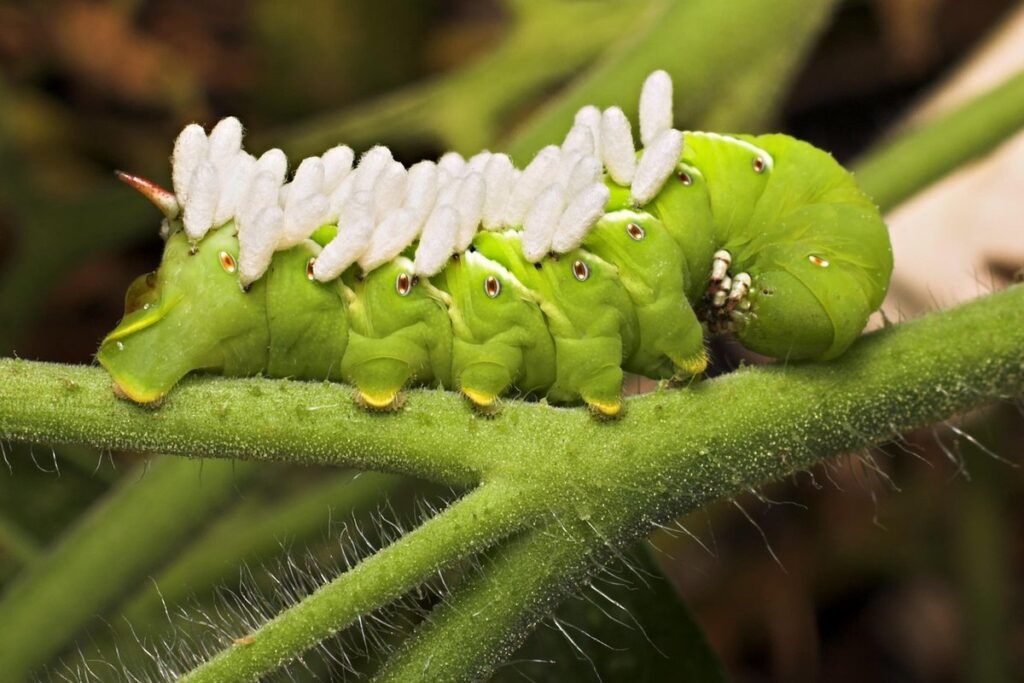
Understanding the Threat: What are Tomato Hornworms?
Before we dive into control methods, let’s take a closer look at what tomato hornworms are and why they’re such a nuisance in gardens everywhere.
The Life Cycle of Tomato Hornworms
Tomato hornworms undergo a complete metamorphosis, meaning they have four distinct life stages: egg, larva, pupa, and adult. The cycle begins with female moths laying eggs on the underside of tomato leaves or stems. These eggs hatch into hungry larvae within 3-5 days, which is when you’ll start to notice damage to your plants.
The larval stage is where the hornworms wreak havoc in your garden. During this period, they feed constantly, consuming large amounts of leaves and fruit before moving on to other plants. They can reach up to 4 inches in length and are recognizable by their distinctive horn protruding from their rear end.
After several weeks, the larva will burrow into the soil, where it transforms into a pupa. This is a crucial stage for gardeners, as you’ll want to remove any infested plants or debris to prevent further damage. The adult moths emerge in late summer or early fall, repeating the cycle by laying eggs on nearby plants.
To control tomato hornworms effectively, understanding their life cycle is essential. By knowing when and where to look for these pests, you can implement preventative measures like monitoring your plants regularly, hand-picking larvae, and applying organic pesticides as needed.
Identifying Tomato Hornworms in Your Garden
Identifying tomato hornworms in your garden requires a keen eye and some basic knowledge of these pesky pests. These large, green caterpillars are the larvae of the five-spotted hawk moth and can be found in various parts of your garden, but they tend to congregate on plants with leaves that are rich in nutrients.
To spot them, look for large, green caterpillars with a distinctive horn protruding from their rear end. They have 5 pairs of prolegs (fleshy legs) near the middle of their body and can grow up to 4 inches long. If you’re not sure what you’re looking at, compare it to a photograph or consult with a gardening expert.
Tomato hornworms prefer plants in the nightshade family, such as tomato, pepper, eggplant, and potato, but they’ll also feed on other garden favorites like okra and squash. They tend to hide during the day and emerge at night to feed, making them difficult to spot. To make identification easier, check for egg masses (small, white eggs laid on the underside of leaves) or actual caterpillars near these plants.
Keep in mind that tomato hornworms can be mistaken for other harmless caterpillars, so it’s essential to examine them closely before assuming they’re a problem. If you suspect an infestation, act quickly to prevent further damage and reduce the risk of spreading disease through their droppings.
Organic Methods for Tomato Hornworm Control
To control tomato hornworms organically, you’ll want to try some natural methods that don’t involve harsh chemicals, starting with a physical approach and then moving on to more subtle tactics.
Using Neem Oil to Repel Tomato Hornworms
Neem oil has been a trusted natural pest control method for centuries, and it’s particularly effective against tomato hornworms. This plant-based solution not only repels these pests but also kills them, preventing further damage to your plants.
To use neem oil effectively, mix 2-3 tablespoons with one gallon of water in a spray bottle. Spray the solution on the leaves and stems of your tomato plants, making sure to cover all areas evenly. Repeat this process every 7-10 days for optimal results.
It’s essential to note that neem oil can be toxic to humans if ingested or inhaled, so always handle it with care and wear protective gloves when applying it. Also, avoid spraying neem oil on flowers or fruit-bearing parts of the plant, as this can harm beneficial insects like bees and butterflies.
When using neem oil, make sure to read the label carefully and follow the instructions provided. Start with a small test area to ensure you’re not sensitive to the oil or any other ingredients. With its natural properties and gentle formula, neem oil is an excellent addition to your organic pest control arsenal, providing long-term protection against tomato hornworms and promoting a balanced ecosystem in your garden.
Hand-picking and Crushing Tomato Hornworms
When it comes to hand-picking and crushing tomato hornworms, thoroughness is key. To ensure you get rid of all the infested tomatoes, inspect each one carefully before picking them for consumption or disposal. Check for signs of damage, such as holes, tunnels, or droppings, which can indicate a hornworm’s presence.
When hand-picking, wear gardening gloves to protect yourself from any potential stings or scratches. Use your gloved fingers or a small tool to gently remove the worms from the plant. Be sure to dispose of them immediately in a sealed bag or container filled with water, making sure they don’t escape and continue to infest nearby plants.
Regular follow-up inspections are crucial to preventing re-infestation. Set aside time each week to walk through your garden, checking for any signs of new hornworms or damage. This vigilance will help you catch problems before they get out of hand, ensuring a healthier, more productive tomato crop.
Integrated Pest Management (IPM) Strategies for Your Garden
To effectively manage tomato hornworms, consider incorporating integrated pest management strategies into your garden routine to minimize harm and maximize results. This approach can be surprisingly simple and beneficial.
Monitoring for Early Signs of Infestation
Regular monitoring of your tomato plants is crucial to catch early signs of hornworm infestation. As these pests can cause significant damage to your crop if left unchecked, being vigilant is essential. Check your plants every week during the growing season for any unusual growth or feeding activity.
Look for irregularly-shaped holes in leaves and stems, as well as patches where leaves have been eaten away. These are signs that hornworms may be present. Additionally, inspect the undersides of leaves and along the main stem for large green worms with a distinctive white stripe running down their back. These worms can grow up to 4 inches long, so don’t be surprised if you see them.
Keep an eye out for other indicators such as frass (hornworm droppings) which resemble coffee grounds or sawdust around the base of plants. If you notice any of these signs, inspect nearby plants as well, as hornworms can move from plant to plant easily.
Combination Methods: Neem Oil and Hand-picking
When it comes to controlling tomato hornworms, combining different methods can be a game-changer. A case study on using neem oil application in conjunction with hand-picking has shown promising results. Neem oil, derived from the seeds of the neem tree, is a natural pesticide that disrupts insect growth and development.
To use this combination method effectively, start by spraying neem oil on the affected plants when you first notice the presence of tomato hornworms. The oil should be applied in the early morning or evening to avoid harming beneficial insects. Follow up with regular hand-picking sessions, making sure to remove as many eggs and larvae as possible.
This dual approach can lead to a significant reduction in tomato hornworm populations. For example, one study found that using neem oil and hand-picking together resulted in an 80% decrease in hornworm damage compared to just using neem oil alone. To maximize effectiveness, be sure to monitor your plants closely and adjust your strategy as needed. With consistent effort and the right combination of methods, you can keep tomato hornworms under control and enjoy a healthy, thriving garden.
Companion Planting as a Natural Deterrent
Companion planting can be a powerful tool in your fight against tomato hornworms, and certain plants have been proven to repel these pesky pests naturally. Let’s explore some effective companions for your tomatoes.
Plants that Repel Tomato Hornworms
If you’re struggling to keep tomato hornworms under control, companion planting can be a valuable addition to your arsenal. Certain plants have been shown to repel these pests, attracting beneficial insects that prey on them instead. One popular choice is basil – not only does it add flavor to dishes, but its strong scent also deters tomato hornworms. Planting basil near affected areas can significantly reduce the number of infestations.
Other options include marigold and nasturtium, which repel nematodes that often coexist with tomato hornworms. These plants’ bright flowers attract beneficial insects like lacewings and hoverflies, which feed on hornworm eggs and larvae. Additionally, radish and dill have been observed to repel these pests due to their strong fragrance.
When using companion planting for pest control, it’s essential to plant the correct species together. For instance, basil can be paired with mint, but not oregano – as this combination may attract unwanted pests. Experimenting with different combinations will help you find what works best in your garden.
Garden Layout Considerations
When designing your garden layout to incorporate companion planting strategies for effective tomato hornworm control, there are several key considerations to keep in mind. First and foremost, consider the mature size of each plant, including both the companion plants you’re introducing and your tomato plants themselves. This will help ensure that everything has enough space to thrive without overcrowding.
Some popular companion plants for tomatoes include basil, mint, and marigold – all of which can be effectively integrated into a garden layout through strategic placement. Basil and mint, for example, can be grown in containers or tucked in among the tomato plants themselves, while marigolds can be planted around the perimeter to repel nematodes that can harm tomatoes.
In addition to companion planting, consider how you’ll move around your garden with ease. Avoid creating “dead zones” where pests and diseases can accumulate – instead, incorporate pathways and access points that allow for regular maintenance and monitoring of your plants. By designing your garden layout with these considerations in mind, you can create a thriving ecosystem that naturally supports effective tomato hornworm control.
Chemical Control Options: When to Use Them
While chemical control methods can be a quick fix, it’s essential to understand when and how to use them effectively in your tomato hornworm battle. We’ll explore these options together next.
Understanding Insecticides’ Role in Hornworm Control
When chemical insecticides might be necessary to control tomato hornworms, it’s essential to understand their role and use them responsibly. While physical and cultural controls are effective methods for managing hornworm populations, there may be situations where chemical control is the most practical solution.
In such cases, insecticides can help prevent significant damage to your tomato crop by rapidly reducing hornworm numbers. However, it’s crucial to carefully choose the right product, following the label instructions precisely. Look for registered pesticides specifically labeled for use against hornworms on tomatoes and other solanaceous crops.
To minimize risks associated with chemical application, maintain a safe working distance from treated plants and wash hands thoroughly afterward. If you’re unsure about using insecticides or prefer not to do so, consider consulting with local gardening experts or your county extension office for guidance.
Commonly Used Insecticides for Tomato Hornworms
When dealing with tomato hornworm infestations, many gardeners turn to insecticides as a quick fix. However, not all insecticides are created equal when it comes to controlling these pests. Some of the most commonly used insecticides against tomato hornworms include Bt (Bacillus thuringiensis), spinosad, and permethrin.
Bt is a popular choice due to its high effectiveness and relatively low toxicity to humans and pets. It works by producing a toxin that specifically targets the hornworm’s digestive system, ultimately killing them. However, Bt may not provide immediate results and may require repeated applications. Spinosad, on the other hand, provides quick knockdown of hornworms but can be more toxic to beneficial insects.
Permethrin is another commonly used insecticide against tomato hornworms. It’s a broad-spectrum pesticide that targets a wide range of pests, including hornworms. However, permethrin has been linked to environmental concerns and may persist in the soil for an extended period. When choosing an insecticide, it’s essential to weigh its effectiveness against potential drawbacks and consider integrated pest management strategies to minimize harm to beneficial insects and the environment.
Prevention and Maintenance: Long-term Strategies
To keep those pesky tomato hornworms at bay, it’s essential to develop a solid long-term plan for prevention and maintenance in your garden. Let’s dive into some effective strategies to help you achieve success.
Healthy Plant Practices to Avoid Attracting Pests
When it comes to growing tomatoes, preventing pest infestations is just as crucial as using effective control methods. One of the most significant factors that can attract pests like tomato hornworms is poor garden hygiene practices. By implementing healthy plant practices, you can minimize the risk of attracting these unwanted visitors.
First and foremost, soil preparation is key to a pest-free garden. Make sure your soil has the right pH balance and nutrient levels for your tomatoes to grow strong and healthy. Avoid over-fertilizing, as this can attract pests that feed on rich soil nutrients. Instead, opt for slow-release fertilizers or compost to provide your plants with a steady supply of nutrients.
Watering schedules are another essential aspect of garden hygiene. Tomatoes need about 1-2 inches of water per week, either from rain or irrigation. Avoid overwatering, which can lead to fungal diseases that attract pests like hornworms. Instead, water your plants deeply but infrequently to encourage deep root growth and make them more resilient to pests.
Pruning techniques are also vital in maintaining a healthy garden ecosystem. Regular pruning helps remove weak and diseased branches that can become entry points for pests. Prune your tomato plants to maintain a strong central stem and promote air circulation, making it harder for pests like hornworms to infest the plant.
To take your garden hygiene practices to the next level, consider implementing these additional tips:
• Use physical barriers or row covers to prevent adult moths from laying eggs on your plants.
• Monitor your plants regularly, removing any damaged or infested leaves to prevent the spread of disease and pest infestation.
• Encourage beneficial insects like ladybugs and lacewings that prey on hornworms by planting companion flowers in your garden.
Frequently Asked Questions
Can I use neem oil on seedlings to prevent tomato hornworm infestations?
Yes, you can use neem oil on seedlings to prevent tomato hornworm infestations. However, make sure to dilute the neem oil according to the instructions and test it on a small area first. Neem oil can be toxic to young plants in high concentrations, so start with a low dose and gradually increase as needed.
What are some common mistakes gardeners make when trying to control tomato hornworms?
Gardeners often overlook preventative measures or wait too long to intervene after infestation occurs. They may also underestimate the severity of the problem, leading to further damage to their plants. Regular monitoring and early intervention can greatly reduce the risk of significant damage.
How can I hand-pick tomato hornworms most effectively without damaging my plants?
To hand-pick tomato hornworms effectively, use a soft-bristled brush or a gloved hand to gently remove them from the plant. Avoid touching or crushing the worms, as their bodily fluids can be toxic to humans and pets. Remove any damaged leaves or stems to prevent further infestation.
Can I combine different control methods for more effective tomato hornworm management?
Yes, combining different control methods like neem oil applications, hand-picking, and companion planting can provide a holistic approach to managing tomato hornworms. This integrated pest management (IPM) strategy allows you to address the problem from multiple angles, reducing the risk of infestation and promoting a healthy garden ecosystem.
What are some signs that indicate my plants have been severely damaged by tomato hornworms?
Severely damaged plants will exhibit significant leaf loss, wilting, or even plant death. Inspect your plants regularly for these signs and take prompt action to prevent further damage. If you notice any of these symptoms, reevaluate your control strategies and adjust as needed to ensure the best possible outcome for your garden.