
Do you dream of creating a private oasis in your own backyard? With rising concerns about neighbors and passersby, having a sense of seclusion is more crucial than ever. But who says you need to compromise on style for security? That’s where trellis plants come in – an effortless way to create a natural barrier without sacrificing curb appeal. Not only do trellises provide instant gratification, but they also offer endless design possibilities. In this article, we’ll dive into the world of trellis plants, covering everything from selecting the perfect location and plant species to designing and maintaining a healthy system. Whether you’re a seasoned green thumb or just starting out, get ready for expert tips on how to create your own private haven with trellis plants.
Choosing the Right Trellis Location
When selecting a location for your trellis, consider factors such as sunlight, soil quality, and space constraints to ensure optimal growth. This is crucial for a thriving and effective screen.
Assessing Your Yard’s Sunlight and Wind Patterns
When choosing the perfect spot for your trellis, it’s essential to consider two critical factors: sunlight and wind patterns. These variables can significantly impact the growth, health, and ultimately, the effectiveness of your trellised plants.
Start by observing the sunlight pattern in your yard over the course of a year. In warmer climates, south-facing spots receive direct sunlight for most of the day, making them ideal for plants like kiwi or passionflower that require ample light. Conversely, in cooler climates, east- or west-facing areas may provide more filtered sunlight, suitable for sensitive varieties like clematis or climbing roses.
Consider your local wind patterns as well. Areas exposed to strong gusts can be challenging for trellised plants, which can become battered and stressed. If you live in an area with harsh winds, look for a spot that provides some protection, such as near a fence or wall.
In areas with mild climates, like the Pacific Northwest, consider the effect of rain on your trellis. Choose a location that allows for good air circulation to prevent waterlogged soil and root rot.
Ultimately, take note of any existing microclimates in your yard. Areas adjacent to walls, buildings, or large trees can have unique temperature and moisture profiles, affecting plant growth and health.
Evaluating Neighborhood Noise Levels
When selecting a location for your trellis, it’s essential to consider noise levels in your neighborhood. If you live in an area with high traffic volume or nearby construction sites, you may find that the constant din disrupts your peace and quiet. In such cases, choosing a location near the back of your property, away from main roads or busy streets, can significantly reduce noise pollution.
If you’re unable to move your trellis to a quieter area, there are still solutions available. Consider planting noise-reducing foliage like lavender, rosemary, or juniper, which have natural sound-absorbing properties. You can also install a trellis with built-in windbreaks or plant dense vegetation around the perimeter of your yard to block out background noise.
Additionally, you may want to research local noise ordinances and regulations to determine if there are any measures in place to mitigate excessive noise levels in your area. By taking these factors into account, you can create a peaceful oasis with your trellis that provides the perfect balance of seclusion and serenity.
Selecting the Best Trellis Plants for Privacy
When it comes to selecting trellis plants for privacy, you’ll want to choose varieties that thrive in your local climate and grow quickly to provide a solid screen. This section will walk you through some top picks to consider.
Evergreen Options for Year-Round Coverage
When it comes to selecting trellis plants that provide year-round coverage, evergreen options are an excellent choice. These hardy plants maintain their foliage throughout the seasons, ensuring a constant level of privacy.
Consider incorporating topiaries into your design for a formal look or shrubs with dense foliage like boxwood, holly, or laurel. Topiaries can be trained to maintain a specific shape, adding visual interest and texture to your outdoor space. For example, a neatly trimmed topiary can add a touch of elegance to a small garden.
Boxwood is another excellent choice for year-round coverage due to its dense foliage and ability to grow into a thick screen when pruned regularly. Other shrubs like holly and laurel are also low-maintenance options that provide an impenetrable barrier against wind, noise, and prying eyes. Simply plant them at the base of your trellis and trim regularly to maintain their desired shape.
When selecting evergreen plants, be sure to consider factors such as mature size, growth rate, and soil requirements to ensure they thrive in your specific climate and environment.
Flowering Vines for Seasonal Interest
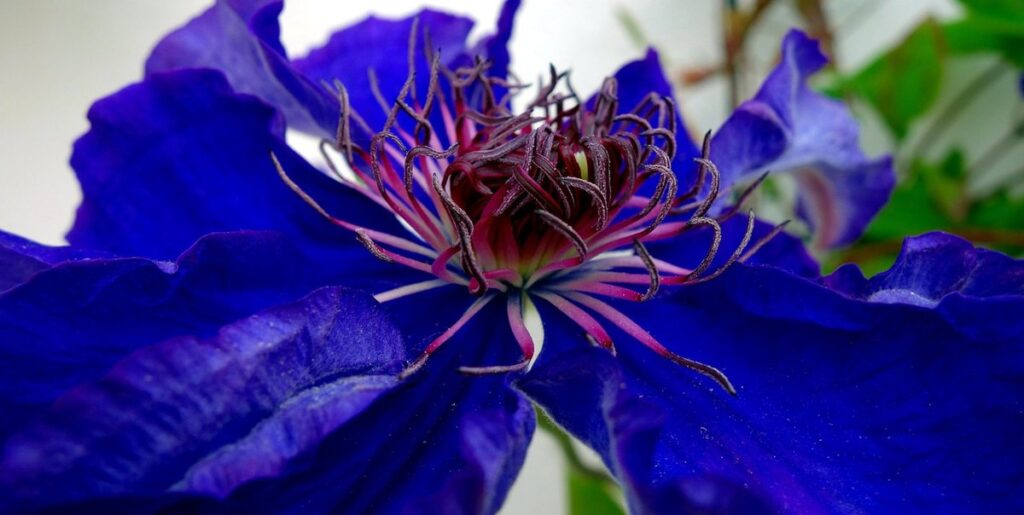
When it comes to adding seasonal interest and beauty to your trellis, flowering vines are an excellent choice. One of the most popular options is clematis, which blooms in a range of colors from pink to purple and white. These flowers can be quite large, making them a stunning addition to any trellis. Another option is wisteria, known for its long, fragrant flowers that cascade down the trellis in shades of purple and blue.
Honeysuckle is another flowering vine that adds a romantic touch to your trellis. Its sweetly scented flowers bloom in clusters, creating a beautiful display throughout the summer months. When choosing a flowering vine for your trellis, consider factors like sunlight, soil type, and maintenance requirements. For example, clematis prefers well-drained soil and partial shade, while wisteria can tolerate full sun but requires more frequent watering.
To make the most of your flowering vines, be sure to plant them at the right time for optimal blooming. In cooler climates, spring is usually the best time to plant, while in warmer climates, fall or early winter may be a better option. Regular pruning and training can also help promote healthy growth and maximize blooms.
Installing and Maintaining Your Trellis
To ensure your trellis thrives, let’s cover the essential steps for installing and maintaining it, from setting up the structure to regular upkeep. Proper care will keep your trellis looking its best.
Preparing the Site and Planting the Trellis
Before planting your trellis, it’s essential to prepare the site to ensure optimal growth and health for your trellis plants. Start by assessing the soil type on your property. Different plants have varying preferences when it comes to soil pH and nutrient levels. For example, climbing roses prefer well-draining acidic soils, while clematis can thrive in a range of soil conditions.
Next, evaluate the drainage in the area. Make sure that water doesn’t collect around the base of the trellis, as this can lead to root rot and other problems. Consider installing French drains or raised beds with good drainage systems if necessary. Also, think about the mature size of your plants and their root depth. Some trellis plants have deep roots, such as wisteria, which require a wide root zone.
To prepare the site, clear any debris from the area and loosen the soil to a depth of 12-18 inches using a garden fork or spade. Add organic matter like compost or well-rotted manure to improve the soil‘s fertility and drainage. Finally, make sure your trellis is securely anchored to the ground to prevent it from toppling over in strong winds or when loaded with heavy growth.
Caring for Your Plants: Watering, Pruning, and Fertilization
Caring for your trellis plants is crucial to their health and the effectiveness of the trellis as a privacy solution. Here are some essential tips to get you started.
Watering schedules vary depending on the type of plant, climate, and soil conditions. As a general rule, water your trellis plants when the top 1-2 inches of soil feel dry to the touch. Avoid overwatering, which can lead to root rot and other issues. For example, if you’re using a Clematis or Honeysuckle, water them thoroughly once a week during hot summer months.
Pruning is another critical aspect of caring for your trellis plants. Regular pruning encourages healthy growth, promotes blooming, and maintains the desired shape. Prune your trellis plants in late winter or early spring to remove dead or diseased branches, and again after they finish blooming to encourage new growth. For example, prune a Rose climber once it finishes blooming in mid-summer.
Fertilization is essential for optimal plant growth. Use a balanced fertilizer (10-10-10) during the growing season (spring-fall), following the manufacturer’s instructions. You can also use compost tea or worm casting as natural alternatives. Always fertilize at soil level to avoid burning your plants’ leaves.
Design Ideas and Tips
Now that you’ve chosen the perfect trellis plants for your space, let’s dive into some creative ways to style them for maximum impact and visual appeal.
Mixing and Matching Plant Combinations
When it comes to creating an effective trellis plant combination for privacy, mixing and matching different species can be a game-changer. Not only will you add visual interest to your outdoor space, but you’ll also create a robust barrier that’s perfect for blocking unwanted views.
Consider combining flowering vines like clematis or honeysuckle with lush foliage plants like English ivy or Boston ivy. This pairing not only provides year-round coverage but also attracts pollinators and adds vibrant colors to your trellis. For example, try planting a clematis variety that blooms in the spring and summer months alongside English ivy for a stunning contrast of textures and hues.
You can also experiment with different heights and growth habits by layering plants like climbing roses or passionflower above smaller varieties like creeping thyme or sweet woodruff. This layered approach not only adds depth to your trellis but also creates a diverse ecosystem that’s perfect for attracting beneficial wildlife.
Integrating Other Decorative Elements
When it comes to creating a stunning trellis design that not only provides privacy but also adds ambiance to your outdoor space, don’t forget about incorporating decorative elements. These can be as simple as adding some string lights or lanterns to create a warm and inviting glow.
For instance, you could hang fairy lights amidst the foliage of your trellis plants to create a whimsical and romantic atmosphere. Or, place solar-powered lanterns along the trellis structure to add a soft, gentle light in the evenings. These elements not only enhance the visual appeal but also provide an extra layer of ambiance to your outdoor space.
Consider adding art pieces or sculptures that complement the natural beauty of your trellis plants. This could be as simple as placing a small statue amidst the foliage or hanging a wind chime from a branch. The key is to strike a balance between adding visual interest and maintaining the focus on the beautiful plants themselves.
Remember, the possibilities are endless when it comes to integrating decorative elements into your trellis design. Experiment with different combinations to find what works best for you!
Maintenance and Upkeep
Now that you’ve chosen the perfect trellis plants for your outdoor space, let’s focus on keeping them healthy and thriving with regular maintenance. Regular upkeep will ensure they continue to provide excellent privacy all year round.
Scheduling Regular Inspections and Maintenance Tasks
Regular inspections and maintenance tasks are crucial to ensure the health and effectiveness of your trellis plants. Just like any living thing, these plants require regular attention to thrive and provide maximum privacy benefits. Neglecting their needs can lead to reduced plant performance, increased risk of diseases and pests, and even premature death.
As a general rule, inspect your trellis plants at least once a week during the growing season (spring-fall) and bi-weekly or monthly during the dormant season (winter). Look for signs of pests, diseases, or nutrient deficiencies. Check for yellowing leaves, wilting stems, or white powdery patches on the foliage – these can be indicators of underlying problems.
To keep your trellis plants healthy and thriving:
* Water them deeply once a week during hot weather
* Fertilize with balanced fertilizer (10-10-10) every 4-6 weeks
* Prune dead or damaged branches regularly to maintain plant shape and promote new growth
* Mulch around the base to retain moisture, suppress weeds, and regulate soil temperature
Addressing Common Issues: Pests, Diseases, and Structural Damage
As you’ve learned about the various types of trellis plants for privacy and their benefits, it’s essential to address some common issues that may arise with these beautiful additions to your outdoor space. One of the primary concerns when growing trellis plants is pest control.
To prevent pests from taking over your trellis, make sure to inspect your plants regularly for signs of infestation. Keep an eye out for white powdery patches on leaves (a sign of mealybugs), sticky honeydew droplets (indicative of aphids or scale insects), or small holes in leaves (suggestive of caterpillars). Use organic pest control methods such as neem oil, insecticidal soap, or introducing beneficial insects like ladybugs to your garden. For more severe infestations, consult with a gardening expert for guidance.
Disease prevention is another crucial aspect to consider when growing trellis plants. Fungal diseases can spread quickly through moisture and debris on the plant’s leaves. Regularly remove any affected areas, disinfect pruning tools between cuts, and maintain good air circulation around your trellis to prevent disease from taking hold. By staying vigilant and taking prompt action when needed, you’ll be able to enjoy your trellis plants for years to come.
Structural damage can also occur if your trellis isn’t properly secured or supported by the plant’s growth. Regularly inspect your trellis structure to ensure it’s not becoming compromised due to overgrowth or root development. Consider installing a sturdy base and using anchors or stakes to secure your trellis, especially for heavier plants like passionflower or kiwi.
By being proactive in addressing these potential issues, you’ll be able to enjoy the benefits of your trellis plants while maintaining their health and structural integrity. Regular inspections, proper pest control measures, and a focus on disease prevention will go a long way in ensuring your outdoor space remains beautiful and thriving.
Conclusion
Now that you’ve learned how to choose and care for trellis plants, let’s summarize the key takeaways from our comprehensive guide.
Recap of Key Takeaways
When it comes to creating a trellis system that provides effective privacy, there are several key takeaways from this comprehensive guide. To recap, let’s revisit the most important considerations for choosing the right location, selecting the perfect plant species, and maintaining a healthy trellis system.
First and foremost, the location of your trellis is crucial in determining its effectiveness as a privacy solution. Consider factors such as sunlight exposure, wind direction, and proximity to walkways or neighboring properties. A spot that receives partial shade and is sheltered from strong winds will help prevent plant damage and promote healthy growth.
In terms of selecting the right plant species, there are numerous options available, each with its unique characteristics and benefits. For example, flowering plants like clematis and honeysuckle not only provide a beautiful display of color but also attract pollinators, while vining plants like ivy and wisteria offer excellent coverage and can be trained to grow up walls or other structures.
Regular maintenance is essential for keeping your trellis system in top condition. This includes tasks such as watering, pruning, and fertilizing, which will help promote healthy growth and prevent pest and disease issues. By following a regular schedule, you’ll be able to enjoy the benefits of your trellis system for years to come.
Some final tips to keep in mind include:
* Consider using a mix of plant species to create a layered effect and provide year-round interest.
* Use trellises with built-in irrigation systems or self-watering containers to reduce maintenance.
* Prune plants regularly to control their growth and maintain the desired shape.
* Monitor your trellis system for signs of pest or disease issues, and take action promptly if necessary.
By implementing these strategies, you’ll be well on your way to creating a beautiful and effective trellis system that provides excellent privacy and enhances your outdoor living space.
Frequently Asked Questions
How to Measure the Effectiveness of My Trellis Plant Screen?
The effectiveness of your trellis plant screen can be measured by assessing its ability to block line-of-sight with neighbors, reduce noise pollution, and maintain a healthy and dense foliage. Regularly inspect your trellis for gaps or bare spots, and consider trimming or replacing plants as needed.
Can I Use Trellis Plants in Shaded Areas?
Yes, many types of trellis plants can thrive in shaded areas, but it’s essential to choose varieties that are specifically adapted to low-light conditions. Consider using English ivy, clematis, or Boston ivy for shaded spots, and ensure they receive adequate water and nutrients.
How Often Should I Water My Trellis Plants?
Water your trellis plants regularly, but avoid overwatering, which can lead to root rot and other issues. Check the soil moisture by inserting a finger into the soil up to the first knuckle; if it feels dry, it’s time to water.
Can I Mix Different Types of Trellis Plants for Year-Round Interest?
Yes! Mixing different types of trellis plants can create a stunning display of color and texture throughout the seasons. Combine flowering vines like clematis with evergreen options like English ivy for a visually appealing and low-maintenance screen.
What’s the Best Way to Integrate Other Decorative Elements into My Trellis Plant Screen?
To integrate other decorative elements, start by choosing plants that complement your existing design style. Then, consider adding features like trellis arches, pergolas, or benches to create a cohesive and inviting space. Don’t forget to leave room for personal touches, such as lighting or sculpture installations.