
Winter is often associated with dullness and gray skies, but it doesn’t have to be that way. In fact, there are many vibrant winter-blooming flowers that thrive in cold climates, bringing stunning color and beauty to your garden during the bleakest months. These gorgeous blooms not only provide a much-needed pop of color, but they also offer a sense of hope and renewal as we navigate the colder seasons. Whether you’re a seasoned gardener or just starting out, choosing the right winter-blooming flowers can be overwhelming, which is why this article aims to guide you through the process. We’ll cover everything from selecting the perfect blooms for your climate to providing expert tips on planting and caring for these gorgeous flowers, ensuring they thrive all season long.
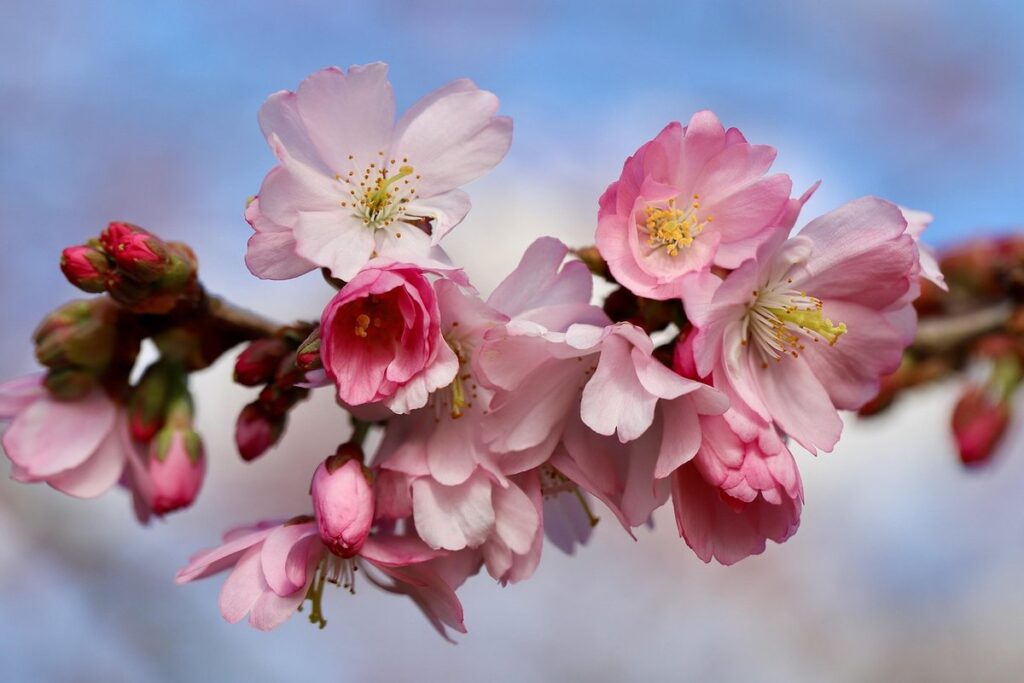
Understanding Winter Bloomers
Winter bloomers, also known as winter flowering plants, are a group of amazing flowers that continue to bloom even during the coldest months. They’re perfect for adding color and vibrancy to your garden in the dead of winter.
What are Winter-Blooming Flowers?
Winter-blooming flowers are a special group of plants that burst into color during the coldest months of the year. Unlike many other types of flowers that bloom in spring or summer, winter bloomers thrive in temperatures as low as 40°F (4°C) and even below freezing. This unique characteristic makes them stand out from other flowers.
One key difference between winter-blooming flowers and others is their dormancy period. While most flowers go dormant during the winter months, winter bloomers remain active and continue to produce new growth. This allows them to flower when other plants are still asleep. For example, paperwhite narcissus (Narcissus papyraceus) is a popular winter-blooming bulb that can be forced indoors in winter and blooms in as little as 2-3 weeks.
To make the most of your winter-blooming flowers, choose varieties that are specifically bred for winter blooming. Some popular options include cyclamen (Cyclamen persicum), hellebores (Helleborus spp.), and Christmas cactus (Schlumbergera bridgesii). By incorporating these hardy plants into your garden or indoor space, you can enjoy a burst of color when other flowers are scarce.
Benefits of Winter Bloomers
Winter-blooming flowers are a breath of fresh air during the typically bleak winter months. Not only do they add a pop of color to an otherwise dull landscape, but they also provide numerous benefits for both our mental and physical well-being.
First and foremost, winter-bloomers offer a much-needed splash of color during a time when nature’s palette is often muted. They can brighten up even the gloomiest of days, providing a sense of hope and renewal. According to a study by the American Society of Landscape Architects, 71% of homeowners believe that gardens improve their mood, and winter-bloomers are no exception.
In addition to their aesthetic appeal, winter-bloomers also attract pollinators like bees and butterflies, which is crucial for our ecosystem’s health. By planting winter-blooming flowers, you’re not only adding beauty to your garden but also supporting the local wildlife. Plus, many winter-bloomers are low-maintenance and drought-tolerant, making them a great choice for busy gardeners or those with water-conscious lifestyles.
By incorporating winter-bloomers into your garden design, you can enjoy a longer blooming season and reap the rewards of their beauty, functionality, and ecological benefits.
Types of Winter Blooming Flowers
Winter has its own share of vibrant blooms, and some of these flowers are truly unique and worth getting to know. Let’s take a closer look at some of the most popular types of winter blooming flowers.
Bulbous Perennials
If you’re looking to add some winter interest to your garden, bulbous perennials are an excellent choice. These hardy plants produce beautiful flowers in the cold winter months, often when little else is blooming. Snowdrops (Galanthus nivalis) are one of the first signs of spring, pushing through snow and ice to produce delicate white blooms.
For a burst of sunshine in late winter, consider adding winter aconite (Eranthus hyemalis) to your garden. Its bright yellow flowers shine like tiny stars against the dull winter landscape. And if you’re looking for something truly unique, winter-flowering irises are a great option. These stunning blooms come in a range of colors and will add a touch of elegance to any winter garden.
When choosing bulbous perennials, be sure to select varieties that are suitable for your climate and planting conditions. With proper care and maintenance, these plants will reward you with years of beautiful blooms. Plant them in well-draining soil and full sun or partial shade, depending on the specific variety. With a little planning, your winter garden can be a vibrant and thriving oasis even in the coldest months.
Evergreen Shrubs and Trees
When it comes to winter blooming flowers, many gardeners overlook one of the most reliable and low-maintenance options: evergreen shrubs and trees. These plants produce beautiful blooms during the coldest months, adding a pop of color to an otherwise barren landscape.
Consider planting camellias, which are renowned for their stunning winter flowers in shades of pink, white, and red. Their glossy leaves and elegant blooms make them a favorite among gardeners. Another option is holly, with its bright red berries and white or yellow flowers that provide a festive touch to your winter garden.
If you’re looking for something more unique, try growing a winter-flowering jasmine or a snow-covered Japanese maple. These plants are sure to add a touch of winter magic to your outdoor space. When selecting evergreen shrubs and trees, be sure to choose varieties that thrive in your local climate and provide the right conditions for blooming.
Remember, even if they’re not as showy as some other winter bloomers, evergreen shrubs and trees offer a quiet beauty that can bring joy and serenity to your garden during the coldest months.
Winter Blooming Flowers for Specific Climates
If you’re wondering what beautiful blooms will thrive in your specific region during winter, we’ve got a rundown of winter flowering plants tailored to different climates. From chilly mountain towns to warm coastal areas, we’ll cover them all.
Northern Hemisphere
If you’re living in the Northern Hemisphere and wondering what winter-blooming flowers can thrive in your garden despite the cold winters, you’ll be pleased to know that there are plenty of options. One of these is cyclamen, a delicate perennial with heart-shaped leaves and vibrant purple or pink blooms. Winter jasmine (Jasminum nudiflorum) is another great choice for winter gardens, producing clusters of small white flowers on bare stems.
Mahonia japonica, also known as Oregon grape, is an evergreen shrub that shines brightly in the dead of winter with its bright yellow flowers. These flowers are not only beautiful but also attract pollinators to your garden during a time when they’re scarce. Consider planting these flowers together to create a vibrant display of color and life amidst the snow.
When choosing winter-blooming flowers for your Northern Hemisphere garden, be sure to select species that can tolerate frost and cold temperatures. Some plants may require protection from extreme weather conditions or additional care during the harsh winter months. Research specific needs for each plant and take necessary precautions to ensure they continue to thrive throughout the year.
Southern Hemisphere
In the Southern Hemisphere, where winters are generally milder than in the Northern Hemisphere, you can enjoy an extended blooming season with a variety of winter-blooming flowers. Azaleas and rhododendrons, for instance, thrive in these regions, producing vibrant displays of color from May to July.
Hydrangeas are another popular choice, with their stunning blue or pink blooms adding a touch of elegance to gardens during the Southern Hemisphere’s winter months (June to August). To ensure these plants perform well, make sure they receive adequate protection from extreme temperatures and frost.
If you’re looking for more low-maintenance options, consider planting winter-blooming bulbs like Freesia or Watsonia. These flowers are perfect for adding a pop of color to your garden without requiring constant care.
When selecting winter-blooming flowers for your Southern Hemisphere garden, choose varieties that can tolerate temperatures ranging from 32°F (0°C) to 64°F (18°C). This will help you avoid potential damage from frost or extreme heat.
Choosing the Right Winter Blooms
When it comes to adding some much-needed color to your winter garden, choosing the right blooms is crucial. We’ll break down the key factors to consider for selecting stunning winter flowers.
Factors to Consider
When selecting winter-blooming flowers, it’s essential to consider several factors to ensure they thrive in your garden. Climate is a crucial factor to consider, as some winter blooms require a certain level of chill hours (the amount of time the plant needs to be exposed to temperatures between 32°F and 45°F) to induce flowering. For example, camellias and rhododendrons need around 300-400 chill hours, while evergreen viburnums can tolerate warmer winters with minimal chill hours.
Another key factor is soil type. Winter blooms often prefer well-draining acidic soils, which are typically found in woodland gardens or areas with high organic matter content. If your garden has alkaline soils, you may need to amend the soil before planting winter-blooming flowers like azaleas and bluebells. Finally, sunlight requirements also play a significant role in choosing the right winter blooms for your garden. Some plants, such as hellebores and snowdrops, can tolerate partial shade, while others like winter-flowering heather require full sun to bloom well.
Be sure to research the specific climate, soil type, and sunlight requirements of each winter-blooming flower you’re considering before making a final decision. This will ensure that your garden is filled with vibrant blooms all season long.
Planting Tips
When planting winter-blooming flowers, timing is crucial to ensure optimal growth and blooming. Typically, fall is the best time to plant bulbs like tulips, daffodils, and hyacinths, as they need 6-8 weeks of cold temperatures to bloom properly in late winter to early spring.
For plants that thrive in cooler temperatures but don’t require a period of dormancy, like pansies, violas, and snapdragons, plant them about 4-6 weeks before the first frost. This allows them to establish themselves before winter sets in.
When planting bulbs, choose a location with good drainage and full sun to partial shade, depending on the specific variety’s requirements. Plant the bulb 2-3 times deeper than its height, and water well after planting. For perennials like hellebores and winter-flowering heathers, plant them in the spring or fall, making sure the soil is moist but not waterlogged.
Regular watering and fertilization will help these flowers bloom their best. Keep the soil consistently moist during dry spells, but avoid overwatering, which can lead to root rot.
Maintenance and Care of Winter Bloomers
To keep your winter bloomers thriving, it’s essential to provide them with proper care during the growing season. Here are some tips for maintaining their health and appearance.
Pruning and Deadheading
Pruning and deadheading are crucial maintenance tasks for winter-blooming flowers to ensure they continue to thrive and produce an abundance of blooms. By removing spent flowers and shaping the plants, you promote healthy growth, encourage new blooms, and maintain the overall appearance of your garden.
Deadheading involves cutting off spent flowers at the base of the stem, just above a node (where a leaf meets the stem). This process not only removes unsightly seed heads but also redirects the plant’s energy towards producing new flowers. For example, camellias and gardenias, both popular winter bloomers, require regular deadheading to maintain their ornamental value.
Pruning, on the other hand, involves cutting back branches or stems to control the plant’s size, shape, and promote vigorous growth. When pruning winter-blooming flowers, be cautious not to remove too much of the plant at once, as this can cause stress and potentially harm the plant. It’s recommended to prune in stages, removing no more than one-third of the plant at a time. Regular pruning also helps control disease and pests that thrive on weak or overgrown plants.
Fertilization and Pest Control
When it comes to maintaining winter-blooming flowers, fertilization and pest control are crucial aspects that often get overlooked. However, with the right strategies in place, you can ensure your plants continue to thrive throughout the season.
Fertilizing your winter-blooming flowers is essential to promote healthy growth and encourage repeat blooming. Opt for a balanced, water-soluble fertilizer (20-20-20) and follow the instructions on the label carefully. You can also consider using organic fertilizers like fish emulsion or compost tea, which are rich in nutrients and gentle on the environment.
For pest control, inspect your plants regularly for signs of infestation, such as aphids, whiteflies, or spider mites. Use neem oil or insecticidal soap to control minor outbreaks, but be cautious not to overuse these products, as they can harm beneficial insects. For more severe infestations, consider introducing natural predators like ladybugs or lacewings.
Remember, prevention is key! Regular pruning and deadheading can help prevent pest issues and maintain your plant’s overall health. By adopting a proactive approach to fertilization and pest control, you’ll be rewarded with vibrant blooms all winter long.
Winter Blooms in Gardens and Landscapes
As we explore the world of winter blooming flowers, let’s take a closer look at how these beautiful plants thrive in gardens and landscapes during the cold winter months.
Incorporating Winter Bloomers into Your Garden Design
When incorporating winter-blooming flowers into your garden design, consider combining them with other plants and features to create a stunning display of color and texture. Start by selecting a mix of flowering shrubs, perennials, and bulbs that bloom at different times to provide continuous interest throughout the winter months.
For example, pair vibrant red or pink tulips with evergreen branches or winter berries for a pop of color against a backdrop of muted tones. Alternatively, combine delicate white snowdrops with dark-leaved hellebores or conifers for a striking contrast between light and dark.
Consider incorporating non-flowering plants like ornamental grasses or foliage plants to add texture and depth to your design. These can provide a beautiful foil to the winter blooms and create visual interest in areas where flowers may be sparse.
Some other tips include layering different types of flowering plants to create a layered, dimensional effect, and using plants with different growth habits (e.g., upright shrubs alongside low-growing groundcovers) to add depth and variety to your design.
Using Winter Bloomers in Container Gardening
Using winter-blooming flowers in container gardening is a great way to add some much-needed color and vibrancy to your outdoor space during the colder months. When selecting containers for winter bloomers, choose ones that are at least 6-8 inches deep to allow for adequate root growth. Consider using terracotta or ceramic pots, as they retain heat well and can help extend the blooming period.
For plants, look for varieties like Pansies, Violas, and Cyclamen, which thrive in cooler temperatures and can tolerate some frost. These flowers come in a variety of colors and can add a pop of color to your containers. When planting, make sure to leave enough space between each plant for proper growth and air circulation.
When placing the containers, choose a location that receives partial shade to full sun, depending on the specific plant’s requirements. Be sure to water regularly, but avoid overwatering, which can lead to root rot and other issues. By following these tips, you can enjoy beautiful winter blooms in your container garden all season long.
Frequently Asked Questions
Can I grow winter-blooming flowers in a container?
Yes, many winter-blooming flowers can thrive in containers as long as they’re placed in a location with the right amount of sunlight and chill hours for that specific plant. Just be sure to choose varieties that are compact or dwarf, and consider using a well-draining potting mix to prevent root rot.
How do I protect my winter-blooming flowers from extreme cold snaps?
While many winter bloomers can tolerate some frost, it’s still important to provide protection during prolonged periods of freezing temperatures. Bring potted plants indoors if possible, or cover them with burlap or a breathable cloth to shield them from wind and ice.
Can I plant winter-blooming bulbs in the spring?
No, most winter-blooming bulbs like snowdrops and winter aconite are typically planted in the fall so they can establish themselves before the ground freezes. Planting in the spring will give them less time to mature before next winter’s bloom.
What’s the difference between “chill hours” and “cold hardiness”?
Chill hours refer specifically to the amount of time a plant spends in temperatures below 45°F (7°C), which is often required for some winter-blooming flowers to bloom. Cold hardiness, on the other hand, refers to a plant’s ability to withstand prolonged periods of frost and freezing temperatures.
How can I ensure my winter-blooming flowers receive enough sunlight?
Even during the coldest months, most winter-blooming flowers still need at least 4-6 hours of direct sunlight per day. Consider placing them in a south-facing location or using grow lights to supplement their natural light exposure.