
Are you ready to transport yourself to a garden paradise filled with intoxicating scents and breathtaking beauty? Fragrant flowering vines are the perfect way to create an immersive sensory experience in your outdoor space. Not only do they provide stunning visual appeal, but their heady aromas will also captivate your senses and attract pollinators to your garden.
If you’re eager to learn how to grow and care for these enchanting plants, you’ve come to the right place! In this article, we’ll delve into the world of fragrant flowering vines, exploring expert tips on how to cultivate them, prune them for optimal performance, and maintain their fragrance throughout the growing season. By the end of our journey together, you’ll be well-equipped to create a vibrant and aromatic haven in your garden that will leave you and your loved ones enchanted all year round.
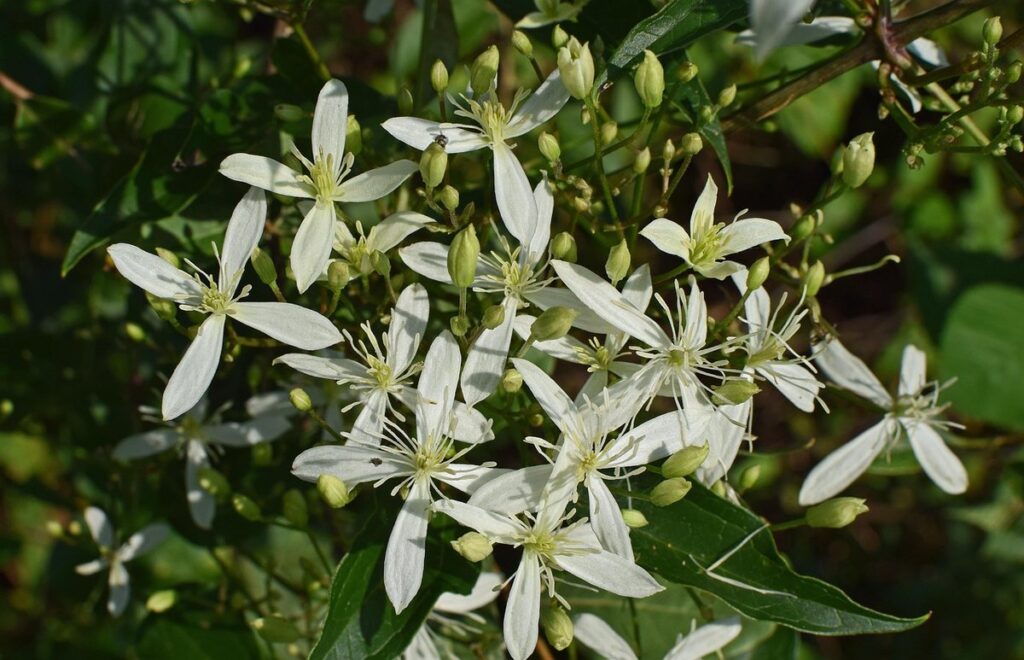
Types of Fragrant Flowering Vines
When selecting fragrant flowering vines for your garden, it’s essential to consider several options that thrive in various climates and conditions. Let’s explore some popular types that are sure to delight!
Evergreen Options for Year-Round Fragrance
Evergreen options for year-round fragrance are a gardener’s dream come true. Imagine being surrounded by the sweet scent of blooming flowers 365 days a year. Star Jasmine (Trachelospermum jasminoides) is an excellent choice, producing fragrant white blooms from spring to fall. Its evergreen leaves provide a lush backdrop for these delicate flowers.
Another option is Honeysuckle (Lonicera spp.), which produces highly fragrant white, yellow, or pink flowers in the summer months and often again in the fall. English Ivy (Hedera helix) also deserves mention, although its fragrance is more subtle. Its small white flowers are often overlooked but provide a sweet, gentle scent.
When selecting evergreen vines for year-round fragrance, consider your climate and soil type. Star Jasmine and Honeysuckle prefer well-drained soil and full sun to partial shade. English Ivy can thrive in shadier conditions. With proper care, these fragrant evergreen options will reward you with consistent blooms and a heady scent throughout the growing season.
Deciduous Vines with Showy Blooms
Deciduous vines bring a touch of magic to any garden with their showy, fragrant blooms. Wisteria, Hoya, and Mandevilla are just a few examples of these stunning plants that will captivate your senses. These deciduous vines thrive in well-drained soil and full sun, making them perfect for warm climates.
For optimal flowering and fragrance, proper pruning is crucial. Cut back Wisteria after it finishes blooming to encourage new growth and an abundance of flowers the following year. Hoya requires regular pruning to maintain its compact shape and promote healthy growth. Mandevilla needs to be pruned in late winter or early spring to remove dead wood and encourage new shoots.
Pruning not only enhances flowering but also promotes a bushy, full appearance. Make sure to prune these vines regularly to maintain their desired shape and size. By providing the right care, you’ll be rewarded with an explosion of color and fragrance from your deciduous vines every year.
Growing Conditions for Fragrant Flowering Vines
To grow fragrant flowering vines, you’ll need to understand their specific needs, including sunlight, temperature, and soil requirements, which we’ll cover next. Let’s dive into the ideal growing conditions for these beautiful plants.
Soil Preferences and Requirements
When it comes to growing fragrant flowering vines, understanding their specific soil needs is crucial for optimal performance and fragrance. Some of these plants thrive in acidic soils, while others prefer more alkaline conditions.
For instance, the Honeysuckle (Lonicera) and Star Jasmine (Trachelospermum jasminoides) do exceptionally well in slightly acidic to neutral soils with a pH between 6.0 and 7.5. On the other hand, fragrant flowering vines like Wisteria and Clematis require more alkaline conditions, tolerating up to pH levels of 8.0.
Moisture requirements also vary among these plants. Some like the Star Jasmine prefer well-drained soils with regular watering, while others such as the Honeysuckle can tolerate a range of moisture conditions. It’s essential to research each specific vine’s needs before planting.
It’s also important to note that fragrant flowering vines generally require more nutrients than other types of plants. Fertilizing them regularly will ensure they produce plenty of blooms and fragrance throughout the growing season.
Sunlight and Temperature Needs
When it comes to growing fragrant flowering vines, understanding their sunlight and temperature needs is crucial for optimal blooming and scent production. Some of these beautiful plants are sun-lovers that thrive in full sun conditions, while others prefer partial shade or can tolerate a range of temperatures.
For example, the Star Jasmine (Trachelospermum jasminoides) is a full-sun lover that requires at least six hours of direct sunlight per day to produce its intoxicating fragrance and stunning white blooms. On the other hand, the Honeysuckle Vine (Lonicera sempervirens) prefers partial shade, especially in warmer climates, where it can still produce fragrant flowers but with less intense sunlight.
Some fragrant flowering vines are also incredibly adaptable when it comes to temperature ranges. The Bougainvillea, for instance, can thrive in temperatures as low as 30°F (-1°C) and as high as 100°F (38°C), making it a great choice for gardeners in regions with diverse climate conditions.
When choosing fragrant flowering vines for your garden, make sure to research their specific sunlight and temperature requirements to ensure you provide the right conditions for optimal growth and blooming.
Care and Maintenance Tips
To keep your fragrant flowering vines looking their best, it’s essential to provide them with regular care and maintenance to promote healthy growth and vibrant blooms.
Pruning Techniques for Optimal Fragrance
To maximize fragrance and blooming, pruning is an essential technique for fragrant flowering vines. For example, Honeysuckle (Lonicera) benefits from regular pruning to encourage new growth and more flowers. Cut back old wood to about 12-18 inches from the ground in late winter or early spring.
Clematis, another popular fragrant vine, requires pruning after blooming to promote a second flush of flowers. Remove spent flowers and weak stems, and trim back vigorous growers by one-third to one-half.
In contrast, Gardenias (Gardenia jasminoides) require more careful pruning. Prune immediately after flowering in late spring or early summer, cutting just above a node (where the leaf meets the stem). This helps maintain the plant’s natural shape and encourages new growth.
Remember to prune different varieties at different times: Honeysuckle in winter/spring, Clematis after blooming, and Gardenia after spring blooming.
Watering and Fertilization Strategies
When it comes to growing fragrant flowering vines, proper watering and fertilization habits are crucial for optimal performance. Overwatering can lead to root rot, while underwatering can cause the plant to become stressed and reduce its fragrance production.
To avoid these common mistakes, start by checking the soil moisture regularly. Stick your finger into the soil up to the first knuckle, and if it feels dry, it’s time for a drink. Water thoroughly until water drains out of the bottom of the pot, but make sure not to overdo it – this can lead to root rot.
As for fertilization, use a balanced fertilizer that is specifically designed for flowering plants. Feed your vines with a 10-10-10 formula once a month during the growing season (spring and summer). You can also use a fertilizer high in phosphorus (such as 15-30-15) to promote blooming.
Some other tips to keep in mind: avoid fertilizing when the plant is under stress or drought-stricken, and always follow the instructions on the fertilizer package. By following these guidelines, you’ll be well on your way to growing fragrant flowering vines that are healthy, thriving, and full of scent.
Pest and Disease Management
To keep your fragrant flowering vines healthy and thriving, it’s essential to monitor for pests and diseases that can cause damage to their delicate petals and leaves. Regular checks will help you catch issues early on.
Common Pests Affecting Fragrant Vines
When it comes to growing fragrant flowering vines, one of the biggest challenges you may face is dealing with pests that can damage your plants and reduce their scent. Some common pests that target fragrant flowering vines include aphids, whiteflies, and spider mites.
Aphids are small, soft-bodied insects that feed on plant sap, causing curled or distorted leaves. They’re often found in colonies on the undersides of leaves or on new growth. Whiteflies, on the other hand, are tiny flying insects that feed on plant sap, leaving behind a sticky substance called honeydew. Spider mites are tiny, spider-like insects that feed on plant sap, causing yellowing or bronzing of leaves.
To control infestations, it’s essential to adopt an integrated pest management (IPM) approach. This means using a combination of techniques such as hand-picking, introducing beneficial insects, and applying targeted pesticides only when necessary. For example, you can use neem oil or insecticidal soap to control aphid populations, while introducing ladybugs or lacewings can help control whitefly infestations. Regularly inspecting your plants and removing weeds that may harbor pests is also crucial in preventing infestations.
Fungal Diseases to Watch Out For
When it comes to fragrant flowering vines, one of the biggest challenges gardeners face is dealing with fungal diseases. These pesky problems can quickly spread and destroy your beautiful plants if left unchecked.
One common issue is powdery mildew, a fungal disease that appears as a white powder on leaves and stems. It thrives in humid environments and can be caused by overwatering or poor air circulation. To prevent it, make sure to provide good air circulation around your vines and avoid getting water on the leaves when you’re watering.
Another fungus to watch out for is black spot, which causes dark spots to appear on leaves. This disease spreads quickly in warm, humid weather, so keep an eye out for it during peak growing seasons. To treat black spot, use a fungicide specifically designed for fungal diseases.
Root rot is another major concern, caused by too much water and poor drainage. It can be fatal if not caught early, so monitor your vines’ soil moisture levels closely and avoid overwatering.
Designing with Fragrant Flowering Vines
When selecting fragrant flowering vines, consider your desired level of scent intensity and how you plan to showcase them in your garden design. This will help inform your choices.
Incorporating into Garden Borders
When it comes to incorporating fragrant flowering vines into your garden borders, the possibilities are endless. One way to utilize these scented beauties is by training them up trellises or obelisks. This allows you to maximize space while showcasing their delicate blooms and intoxicating fragrance.
For a more lush look, consider using fragrant flowering vines as groundcovers. They can be planted densely along borders or slopes, creating a fragrant carpet of color that’s perfect for pathways or seating areas. Take the example of Honeysuckle (Lonicera), which is not only stunning but also produces sweetly scented flowers in shades of white and pink.
When choosing trellises or other structures to train your vines on, consider their mature size and growth habits. This will ensure that your plants have enough room to thrive without overwhelming the surrounding space. By incorporating fragrant flowering vines into your garden borders, you’ll not only add visual interest but also a sensory experience that’s sure to delight visitors and residents alike.
Creating a Sensory Experience
When incorporating fragrant flowering vines into your garden design, consider creating a sensory experience by combining them with plants that offer different textures and colors. This multi-sensory approach will not only engage visitors’ sense of smell but also provide an inviting atmosphere for the eyes and touch.
For instance, pair climbing roses like ‘Ferdinand Pichard’, with their intense, old-rose fragrance, with sprawling succulents like aloe or agave for contrasting textures. These plants’ varied forms will add depth to your garden, while their scents will fill the air when they’re in bloom.
Another option is to combine fragrant vines like ‘Gardenia jasminoides’, which has white blooms and an intoxicating fragrance, with flowering shrubs like lavender or rosemary for a harmonious blend of colors. Consider planting these combinations near walkways or seating areas so visitors can fully appreciate their beauty and fragrance.
By intentionally combining plants with different characteristics, you’ll create an immersive experience that will make your garden truly unforgettable.
Conclusion
As you’ve explored the wonderful world of fragrant flowering vines, we hope you’re now inspired to incorporate these scented stunners into your garden. Remember, it’s not just about their beauty – it’s also about the intoxicating aromas they bring! Take notes and don’t forget to choose varieties that suit your climate and growing conditions. For example, Honeysuckle is a popular choice for warm climates, while English Ivy excels in cooler temperatures.
By adding fragrant flowering vines to your garden, you’ll not only enjoy the aesthetic appeal but also the sensory delight of their sweet scents. So why not give it a try? Plant some today and watch how they add an extra layer of charm to your outdoor space. With proper care and attention, these lovely vines will thrive and provide you with endless joy for years to come.
Frequently Asked Questions
How do I choose the right fragrant flowering vine for my climate?
When selecting a fragrant flowering vine, consider your local climate, temperature range, and sunlight conditions. Evergreen options like Star Jasmine (Trachelospermum jasminoides) thrive in warmer climates with mild winters, while deciduous vines like Honeysuckle (Lonicera spp.) prefer cooler temperatures. Research the specific needs of each variety to ensure you choose one that will perform well in your garden.
Can I grow fragrant flowering vines in containers?
Yes, many fragrant flowering vines can be grown in containers, making them perfect for small gardens or patios. When selecting a container-grown vine, consider using a large pot (at least 12-14 inches deep) with good drainage to accommodate the root system of the plant. Be sure to provide sufficient sunlight and water as needed.
How often should I prune my fragrant flowering vines?
Pruning frequency depends on the type of vine and its growth habits. For example, Star Jasmine requires regular pruning to encourage new growth and maintain a bushy shape. Prune deciduous vines like Honeysuckle immediately after blooming to promote healthy new growth. Always use clean, sharp tools and make cuts just above a bud or leaf node.
Can I combine multiple fragrant flowering vines in one garden bed?
Yes, combining multiple fragrant flowering vines can create a unique and dynamic sensory experience. When planting multiple varieties together, consider their mature size, growth habits, and sun requirements to ensure they complement each other. Also, plant a mix of evergreen and deciduous vines for year-round interest.
How do I maintain the fragrance of my fragrant flowering vines throughout the growing season?
To maintain the fragrance of your fragrant flowering vines, provide regular care and attention. Regularly water and fertilize the plants, prune them as needed to promote new growth, and mulch around their base to retain moisture and suppress weeds. Also, avoid over-pruning or using chemical pesticides, which can damage the plant’s ability to produce fragrance.