
Winter is often considered the dormant season for gardens, but it doesn’t have to be. In fact, there are countless varieties of beautiful winter garden flowers that can add vibrancy and life to your outdoor space even on the chilliest days. If you’re looking to brighten up your yard during the colder months, you’re in luck – we’ve got expert advice on how to make it happen. From evergreen options like holly and boxwood to bulbs like tulips and daffodils, and companion planting strategies that will help your blooms thrive, we’ll cover all the bases. Whether you’re a seasoned gardener or just starting out, this article is packed with tips and tricks for keeping your winter garden in bloom – so let’s dive in!
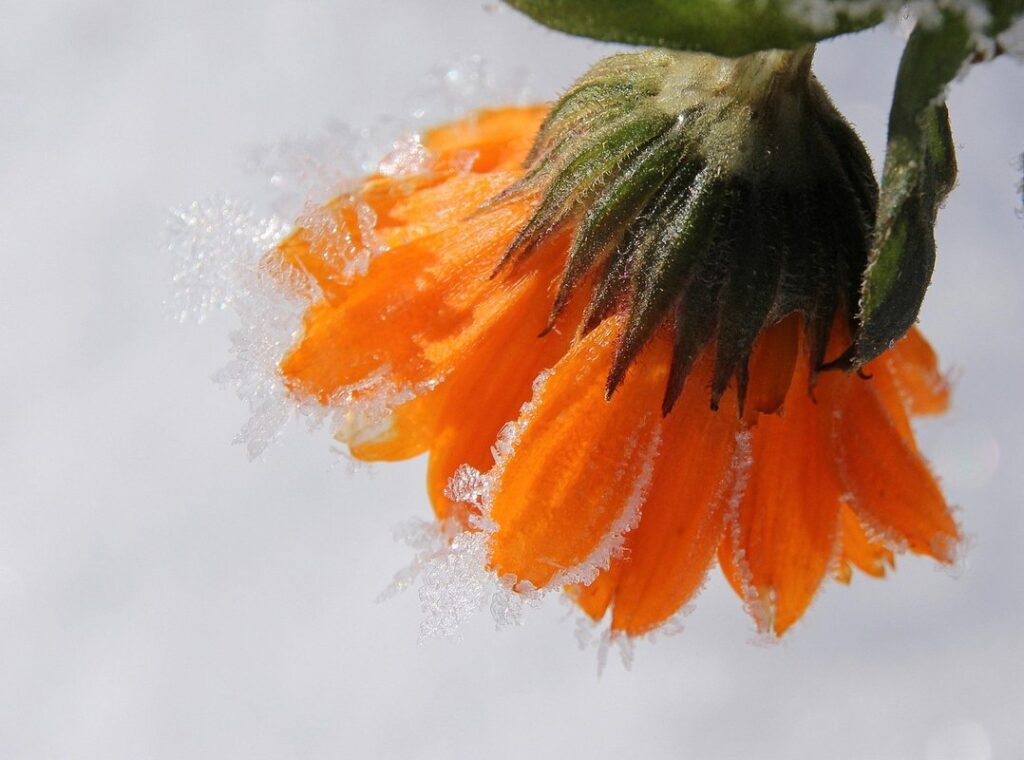
Choosing the Right Winter Flowers
When selecting winter flowers for your garden, it’s essential to choose varieties that thrive in cold temperatures and can withstand potential frosts. This ensures your blooms continue to flourish throughout the season.
Section 1.1: Evergreen Options for Year-Round Color
When it comes to maintaining year-round color and texture in your winter garden, evergreen options are a great choice. These hardy plants not only provide vibrant hues but also structural interest when other flowers may be dormant.
Some popular evergreen flower options include holly (Ilex), boxwood, and camellias. Holly’s bright red berries add a pop of color to winter landscapes, while its glossy leaves provide year-round texture. Boxwood, on the other hand, can be pruned into topiaries or hedges, adding a touch of elegance to your garden design.
To incorporate these plants into your garden design, consider their mature size and growth habits when selecting varieties. For example, compact boxwood varieties like ‘Winter Gem’ are perfect for small spaces or containers. When planting, choose a location with well-draining soil to prevent waterlogged roots during the wet winter months. By thoughtfully incorporating evergreen flowers into your garden design, you can enjoy a winter wonderland that’s full of life and color despite the cold temperatures.
Section 1.2: Bulbs for Winter Interest
When it comes to adding winter interest to your garden, planting bulbs in the autumn is an excellent way to go. These hardy flowers bloom at a time when most other plants have succumbed to the cold, providing a welcome burst of color and vibrancy to your outdoor space.
Popular bulb varieties like snowdrops (Galanthus), crocuses (Crocus), and winter aconite (Eranthis) are perfect for winter blooms. Snowdrops are often one of the first signs of spring, poking their delicate white heads through the soil as early as January. Crocuses come in a range of colors, including purple, yellow, and white, and can be naturalized to form beautiful drifts under trees or along borders. Winter aconite has bright yellow flowers that shine like tiny lanterns in the winter light.
To plant bulbs for winter blooms, wait until the foliage on your existing plants has died back, usually around September or October. Dig up a spot with well-draining soil and gently plant the bulb at 2-3 times its height, pointed end up. Water well and enjoy watching them come into flower as the winter months progress.
Planting Strategies for Winter Flowers
To coax winter blooms out of your garden, you’ll want to consider planting strategies that prioritize cold hardiness and timely sowing. Let’s dive into the specifics of how to make this work.
Section 2.1: Companion Planting for Winter Success
When it comes to winter garden flowers, companion planting can make all the difference in their growth and beauty. By pairing winter blooms with the right companion plants, you can create a vibrant and thriving garden that withstands even the coldest temperatures.
Some of the best companion plants for winter flowers are those that repel pests, attract beneficial pollinators, or provide structural support. For example, when planting pansies, consider pairing them with garlic or chives to deter aphids and other pests. These fragrant herbs will also attract beneficial insects like bees and butterflies.
Another great combination is pairing sweet alyssum with violas or pansies. The delicate white flowers of the sweet alyssum will spill over the edges of containers or beds, creating a beautiful cascade effect while repelling nematodes and other pests that target these winter bloomers.
When selecting companion plants for your winter garden, remember to choose varieties that have similar growing conditions and light requirements as your winter flowers. This will ensure they get along well and thrive together.
Section 2.2: Choosing the Right Soil Mixtures
When it comes to choosing the right soil mixtures for your winter flowers, getting it just right can be crucial. Most winter blooms prefer well-draining soils with a slightly acidic pH between 6.0 and 7.0. For example, violas and pansies thrive in soil with a pH of around 6.5.
However, some winter annuals like snapdragons and cyclamen do better in slightly alkaline conditions, requiring a pH closer to 7.2. Research the specific needs of your chosen flowers to ensure you’re not inadvertently creating an environment that’s detrimental to their growth.
In addition to pH levels, nutrient requirements also play a significant role. Winter flowers often demand more nutrients than their summer counterparts due to slower growth rates and reduced photosynthesis. Consider adding a balanced fertilizer specifically formulated for flowering plants during the winter months. This will help promote healthy root development and encourage blooms throughout the season.
Winter Flower Care and Maintenance
To keep your winter flowers looking their best, you’ll want to focus on providing them with the right conditions for growth and preventing damage from harsh weather. Proper care and maintenance is key!
Section 3.1: Watering and Mulching for Healthy Roots
Proper watering and mulching are essential for maintaining healthy roots of winter flowers. When it comes to watering, be cautious not to overwater, as this can lead to root rot. Instead, water lightly but frequently to encourage deep root growth. For example, if you’re growing camellias or winter jasmine, they prefer moist soil that’s kept consistent throughout the cold season.
To protect roots from frost and freezing temperatures, apply a thick layer of organic mulch such as wood chips or bark around your plants. This helps retain moisture in the soil and regulates soil temperature. As a rule of thumb, maintain a 2- to 3-inch layer of mulch around each plant. Avoid piling mulch against the base of stems, as this can cause moisture to accumulate and lead to rot.
In addition to mulching, avoid tilling or digging in the soil during winter months when it’s cold and wet. This can damage roots and disrupt their growth patterns. By following these simple yet effective tips, you’ll be able to maintain healthy roots for your winter flowers and enjoy a bountiful display of blooms even in cold climates.
Section 3.2: Pruning and Deadheading for Optimal Growth
Pruning and deadheading are crucial practices to maintain healthy growth and promote blooming in winter garden flowers. As temperatures drop, plants may slow down their growth, but with regular pruning and deadheading, you can encourage them to continue producing new blooms.
Deadheading involves removing spent flowers or buds from the plant to direct its energy towards producing more blooms. This simple technique can make a significant difference in your winter garden’s display. For example, daffodils and tulips produce offsets (small bulbs) after blooming, which will eventually grow into new plants. Deadheading these offsets will help them focus on developing roots rather than producing flowers.
When pruning winter flowers, remove any dead or damaged stems to prevent the spread of disease and encourage new growth. Cut back perennials like winter jasmine and heather by one-third in late winter or early spring to promote bushy growth and more blooms. Don’t forget to disinfect your pruning tools between cuts to avoid transferring diseases between plants.
By incorporating these practices into your winter garden care routine, you’ll be rewarded with a vibrant display of color and fragrance throughout the cold climate season.
Designing a Winter Garden
When it comes to designing a winter garden, you’ll want to choose flowers that thrive in cooler temperatures and can add color to your space even on the chilliest days. Let’s explore some tips for creating a beautiful winter garden.
Section 4.1: Creating a Cohesive Look with Theme Gardens
When designing a winter garden, creating a cohesive look can be achieved through theme gardens centered around winter flowers. One popular approach is to adopt a rustic theme, which emphasizes natural materials and earthy tones. To achieve this look, incorporate plants with varying textures and sizes, such as boxwood hedges, evergreen shrubs, and ornamental grasses. Consider adding weathered stone or wooden planters to enhance the rugged aesthetic.
For a more charming cottage-style garden, focus on whimsical and romantic elements. Use pastel-colored flowers like camellias and winter-flowering heathers to add a touch of softness. Incorporate vintage-inspired planters and decorative items, such as old doors and windows repurposed as trellises or birdhouses.
A woodland theme can also be achieved with the right selection of plants. Focus on species that thrive in shade, like hellebores, winter-flowering cyclamen, and snowdrops. Use natural materials like bark mulch and moss to create a sense of serenity.
Section 4.2: Mixing Bloom Times for Extended Color
When designing a winter garden, it’s not uncommon for flowers to have varying bloom times. However, this can be a blessing in disguise, as it allows you to create an extended period of color in the garden by combining different blooms. To achieve this, focus on selecting varieties that bloom at staggered intervals.
For example, choose a mix of winter-blooming pansies, violas, and snapdragons that typically start flowering around late December or early January. As these begin to fade in February or March, introduce new plants like winter aconite (Eranthis hyemalis) or grape hyacinth (Muscari armeniacum), which bloom slightly later. This staggered approach ensures continuous color throughout the winter months.
By planning your plant combinations carefully, you can enjoy an extended display of blooms from late December to early May. Consider grouping plants with similar growing conditions and moisture requirements together to simplify maintenance. With a little creativity, you’ll be able to create a vibrant and thriving winter garden that stays beautiful for weeks on end.
Popular Winter Flowers for Cold Climates
When winter’s chill sets in, you might think your garden’s beauty has faded. But don’t worry, there are plenty of stunning flowers that thrive in cold climates, perfect for a winter wonderland look.
Section 5.1: Pansies and Violas for Vibrant Colors
Pansies and violas are two popular winter flowers that add vibrant colors to your garden during the colder months. These delicate yet resilient blooms thrive in temperatures as low as 40°F (4°C), making them perfect for cold climates. Pansies, with their large, saucer-shaped petals, come in a variety of colors including purple, blue, yellow, and white, often featuring intricate patterns and markings. Violas, on the other hand, have smaller flowers with delicate, heart-shaped petals that display hues of pink, purple, yellow, and white.
To grow pansies and violas, choose a location with well-draining soil and full sun to partial shade. Plant them about 12-18 inches apart in early spring or fall, depending on your climate. Water them regularly, but avoid overwatering, which can lead to root rot. Deadhead spent flowers to encourage more blooms and divide the plants every year to maintain their health and vigor.
Some popular varieties of pansies and violas include ‘Joker’ and ‘Matrix Blue’, both known for their striking colors and compact growth habits. With proper care, these winter flowers will continue to bloom from fall to early spring, providing a welcome splash of color during the coldest months.
Section 5.2: Snowdrops and Winter Aconite for Early Bloomers
If you’re eager to welcome color and vibrancy into your winter garden, look no further than snowdrops (Galanthus spp.) and winter aconite (Eranthis hyemalis). These two hardy flowers are some of the earliest bloomers, often pushing through snow and ice in late winter or early spring.
Snowdrops, with their delicate white petals and yellow centers, typically start to bloom around January or February, depending on your region. They’re incredibly low-maintenance, preferring well-drained soil and full sun to partial shade. Plant them in a sheltered spot, and they’ll reward you with months of cheerful blooms.
Winter aconite is another early riser, often flowering from December to March. Its bright yellow petals shine like miniature trumpets against the dull winter landscape. Like snowdrops, it’s easy-going and adaptable, thriving in moist but well-drained soil and partial shade. Plant them near a path or border so you can enjoy their beauty up close.
Both of these flowers are perfect for naturalizing under trees or shrubs, where they’ll spread and multiply over time. They’re also great for adding some much-needed color to winter containers or pots on your patio.
Seasonal Tips and Tricks for Winter Garden Success
As winter garden flowers begin to bloom, it’s essential to prepare your outdoor space for the cold months ahead. Here are some valuable seasonal tips to ensure your winter garden thrives.
Section 6.1: Protecting Plants from Extreme Weather Conditions
As we delve into the world of winter garden flowers, it’s essential to consider the unpredictable weather conditions that can impact their delicate blooms. Frost, wind, and heavy rainfall can all pose significant threats to your winter flowers’ health and beauty.
To protect your plants from frost damage, bring them under cover or use a frost blanket to insulate the soil. You can also apply anti-desiccant sprays to help retain moisture in the plant’s leaves. For example, if you have potted cyclamen or pansies, move them indoors on particularly chilly nights or bring their pots close to a sunny window.
Wind protection is equally crucial. Use windbreaks such as burlap screens or evergreen shrubs to shield your plants from harsh gusts. This will help prevent damage to the flowers’ delicate petals and stems. For heavier rainfall, ensure good drainage in your garden beds by incorporating organic matter like compost or well-rotted manure.
By taking these precautions, you’ll be able to enjoy a vibrant display of winter blooms despite the extreme weather conditions. Remember to monitor local forecasts and adjust your protection strategies accordingly to give your winter flowers the best chance to thrive.
Section 6.2: Extending the Growing Season with Row Covers
When it comes to growing winter flowers in cold climates, one of the most effective ways to extend the growing season is by using row covers. These lightweight, porous fabrics allow sunlight and water to reach your plants while keeping frost and other harsh weather conditions at bay.
To use row covers effectively, start by selecting a high-quality fabric that’s specifically designed for gardening. Look for breathable materials like polypropylene or polyester, which will allow moisture to escape and prevent overheating. Once you’ve chosen the right cover, drape it over your plants at night to protect them from frost damage.
For an added layer of protection, consider using row covers with a built-in UV treatment that blocks up to 99% of UV-B radiation. This will help prevent sunscald and other heat-related problems that can occur when using row covers in warmer winter months. By extending the growing season with row covers, you’ll be able to enjoy your winter flowers for longer periods and promote healthy growth throughout the cold climate.
Conclusion
As you’ve explored the world of winter garden flowers, I hope you’re as enchanted as I am by their hardiness and beauty. These plants are not only resilient but also incredibly adaptable, capable of thriving in even the chilliest of climates. As we conclude our journey through these stunning blooms, remember that incorporating winter garden flowers into your outdoor space can add vibrancy to an otherwise dormant landscape. To make the most of this opportunity, consider planting a mix of annuals and perennials, which will provide a consistent display of color throughout the seasons. By doing so, you’ll not only brighten up your yard but also attract local pollinators and wildlife, creating a thriving ecosystem in the process.
Frequently Asked Questions
Can I still plant winter flowers in areas with extreme cold snaps?
Yes, many winter flowers are specifically bred to withstand frost and freezing temperatures. However, it’s essential to check the specific hardiness zone of your area and choose varieties that are suitable for your region. This will ensure your blooms continue to thrive even in harsh weather conditions.
How often should I water my winter flowers during a dry spell?
Watering needs can vary depending on the type of plant, soil quality, and climate. Generally, it’s best to water winter flowers once or twice a week during periods of drought. Make sure not to overwater, as this can lead to root rot and other problems.
What are some companion planting strategies for winter flowers?
Companion planting involves pairing plants that complement each other in terms of growth habits, pest resistance, and soil health. For winter flowers, consider planting bulbs like tulips and daffodils alongside evergreen options like boxwood or holly. This will create a visually appealing combination while also benefiting from their respective strengths.
How can I maintain year-round color with winter flowers?
In addition to choosing evergreen options, incorporate plants that provide interest through foliage, bark, or berries. Consider adding shrubs like camellias or winter heaths for their vibrant blooms and attractive foliage. Also, don’t forget to add some decorative elements like winter containers or garden ornaments to keep your space visually appealing.
Can I use row covers to extend the growing season?
Yes, using row covers can help protect plants from extreme weather conditions, including frost and freezing temperatures. Row covers come in various weights and materials; choose one suitable for your needs. Apply them over newly planted winter flowers or existing beds to create a warm microclimate that promotes healthy growth and extends the growing season.