
Evergreen shrubs with fragrant flowers are a game-changer for any garden. Not only do they add a pop of color and texture to your outdoor space, but their intoxicating scents can transport you to a world of serenity and tranquility. Whether you’re looking to create a fragrant pathway or a romantic garden oasis, these evergreen beauties are sure to delight. But with so many varieties to choose from, it’s easy to get overwhelmed.
In this article, we’ll show you the best evergreen shrubs for their fragrant flowers and provide expert tips on how to plant, care for, and maintain them in your garden. We’ll cover soil requirements, pruning techniques, and companion planting strategies that will take your fragrance game to the next level. By the end of this post, you’ll be well-equipped to create a beautiful and fragrant garden oasis that’s perfect for relaxation and entertainment.
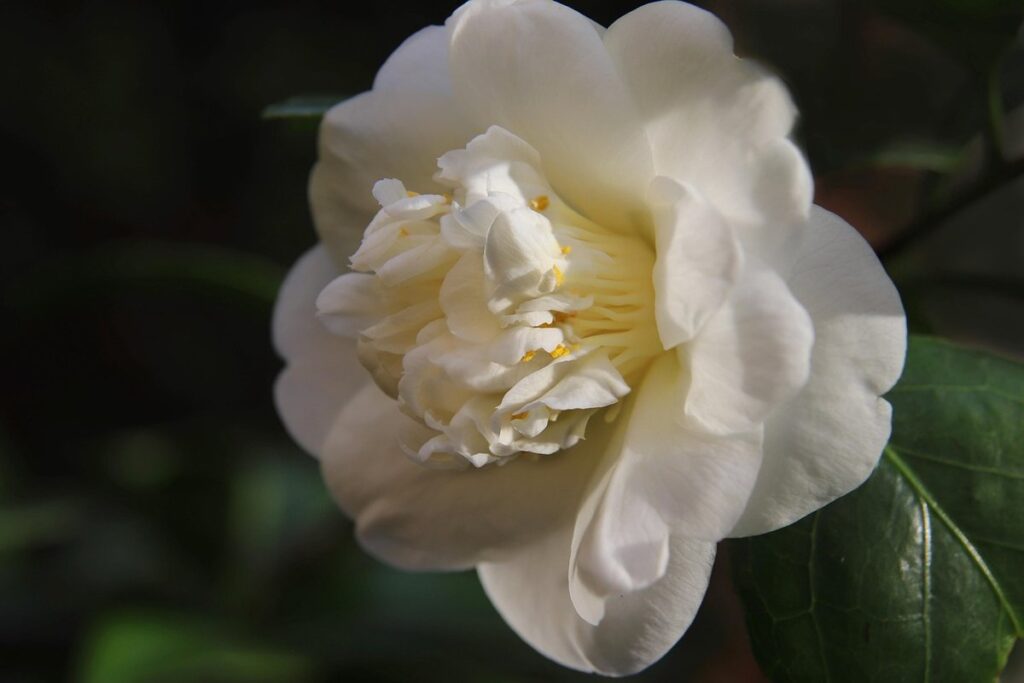
Choosing the Right Evergreen Shrubs for Fragrant Flowers
When selecting evergreen shrubs, it’s essential to consider not only their fragrance but also their blooming schedule and overall maintenance requirements. This section helps you choose the perfect fragrant flowers for your garden.
Characteristics of Good Fragrance in Evergreens
When it comes to selecting fragrant evergreen shrubs, several key characteristics set them apart from their non-fragrant counterparts. First and foremost is the intensity of their scent. While some plants may have a faint, subtle fragrance, others emit a potent aroma that’s noticeable even from a distance. When choosing an evergreen for its fragrance, look for species like Daphne or Mahonia, which are known for their pungent, sweet scent.
Another critical factor is the duration of the fragrance. Some plants release their scent in short bursts, while others maintain a consistent fragrance throughout the year. Consider shrubs like Gardenia or Osmanthus, which have a long-lasting fragrance that can fill the air with a sweet, tropical aroma.
The impact of fragrance on garden design shouldn’t be overlooked either. Fragrant evergreens can add an extra layer of depth and interest to your garden’s sensory experience. By incorporating plants with different scent profiles, you can create a more dynamic and engaging space.
Popular Evergreen Shrubs with Fragrant Flowers
When it comes to adding fragrance to your garden, evergreen shrubs with fragrant flowers are an excellent choice. Among the most popular options are rosemary, lavender, and heather, which not only provide a beautiful display of blooms but also fill the air with their intoxicating scents.
Rosemary is a low-maintenance option that thrives in well-drained soil and full sun. Its needle-like leaves release a piney fragrance when brushed against or cut back. Lavender is another favorite among gardeners, producing delicate purple flowers that attract pollinators and release a calming aroma when touched. Heather’s pink to purple blooms also carry a sweet, honey-like scent.
When choosing these shrubs for your garden, be sure to select varieties that are specifically bred for their fragrance. For instance, ‘Tuscan Blue’ rosemary is known for its intense, herbal aroma. Plant them in a location where you can enjoy the fragrance daily, such as near a walkway or seating area. Regular pruning will also encourage healthy growth and more blooms with a stronger scent.
Planting and Caring for Your Fragrant Evergreens
To enjoy your fragrant evergreen shrubs’ blooms, it’s essential to plant them correctly and provide proper care. Follow these steps to ensure their health and fragrance thrive in your garden.
Soil Requirements for Fragrant Evergreens
When it comes to choosing the perfect spot for your fragrant evergreen shrubs, understanding their soil requirements is crucial. Most evergreen shrubs with fragrant flowers thrive in well-draining soils that are rich in organic matter. Aim for a slightly acidic to neutral pH range of 6.0-7.0, as this will promote healthy growth and fragrance.
For nutrient-rich soil, add compost or well-rotted manure to the planting area before planting. A mix of equal parts topsoil, compost, and perlite or sand will provide excellent drainage and aeration. If your garden has poor soil, consider amending it with acidic fertilizers like peat moss or sulfur.
In terms of moisture, most evergreen shrubs prefer consistent moisture levels but can be sensitive to overwatering. Aim for about 1 inch of water per week, either from rainfall or irrigation. Mulch around the base of the plant will help retain moisture and suppress weeds. Be cautious not to over-mulch, as this can cause root rot.
Keep in mind that different evergreen shrubs have unique soil requirements, so research the specific needs of your chosen variety.
Pruning Techniques for Maximum Scent Release
When it comes to enjoying the fragrance of evergreen shrubs with fragrant flowers, pruning is key. By trimming and shaping these plants at the right time, you can maximize scent release and keep them looking their best.
To start, prune evergreen shrubs immediately after flowering. This will help control their shape, encourage new growth, and promote even more blooms in subsequent seasons. Cut back about one-third of the plant’s foliage to maintain a neat appearance and prevent overgrowth. For example, prune Japanese cedar (Cryptomeria japonica) by removing about 10-15% of its top growth each year.
Avoid pruning evergreen shrubs during their dormant season, as this can reduce scent production. Pruning too much or at the wrong time can also lead to an overabundance of new growth, which may overpower the plant’s natural fragrance. Some evergreen shrubs, like Daphne and Gardenia, are best pruned in late winter or early spring before new growth begins.
To maximize scent release, prune your evergreen shrub with a focus on removing weak or spindly branches. This will allow more sunlight to reach the plant’s flowers, which in turn will increase fragrance production. For instance, if you have a Rosemary (Rosmarinus officinalis) shrub, trim it back by about half its height after flowering to encourage new growth and boost scent release.
Designing a Fragrant Evergreen Garden
When planning your fragrant evergreen garden, consider the mature size of your shrubs and leave enough space for them to thrive. This will ensure a beautiful display of blooms year-round.
Creating a Scented Pathway with Evergreens
Creating a scented pathway with evergreen shrubs is an excellent way to draw visitors into your fragrant garden. To achieve this, choose fragrant evergreen varieties that release their scent when brushed against or walked upon. Boxwood (Buxus sempervirens), for example, emits a citrusy fragrance when its leaves are touched.
When planning the layout of your scented pathway, consider plant spacing carefully. A general rule of thumb is to space shrubs 12-18 inches apart, depending on their mature size. This allows visitors to walk comfortably through the pathway without disturbing the plants excessively.
To add visual interest and fragrance to your pathway, alternate between different fragrant evergreen species. For instance, plant a row of sweetly scented Lavender (Lavandula spp.) alongside a row of pine-scented Arborvitae (Thuja occidentalis). This layered effect not only releases a diverse array of fragrances but also creates a dynamic visual display.
Keep in mind that the fragrance intensity may change throughout the seasons. Some evergreen shrubs, like Holly (Ilex spp.), are more heavily scented during the winter months when their foliage is less dense and easier to release volatile oils.
Companion Planting for Enhanced Fragrance
When designing an evergreen garden that’s bursting with fragrance, companion planting is a game-changer. By pairing plants that complement each other in terms of scent and growth habits, you can create a lush, fragrant haven that invites you to linger.
For instance, plant lavender alongside rosemary or thyme for a trifecta of herbaceous scents that repel pests and attract pollinators. These Mediterranean natives thrive in well-drained soil and full sun, making them perfect companions for your evergreen shrubs. As an added bonus, their fragrance is released when touched or bruised, releasing a subtle yet powerful aroma into the air.
To take companion planting to the next level, try pairing plants with different blooming times. This ensures a constant stream of color and scent throughout the growing season. For example, plant sweetbox (Sarcococca hookeriana) alongside winter-flowering heather or camellias for a fragrant display that starts in late winter and lasts well into spring.
When choosing companion plants, remember to consider factors like soil type, sun exposure, and moisture levels to ensure harmonious growth. By thoughtfully selecting plants that complement each other, you’ll create an evergreen garden that’s not only beautiful but also brimming with fragrance and life.
Maintenance Tips for Your Fragrant Evergreens
To keep your fragrant evergreens looking and smelling their best, regular maintenance is essential to promote healthy growth and prevent pests. Regular pruning is a great place to start.
Dealing with Pests and Diseases that Affect Scented Evergreens
Dealing with Pests and Diseases that Affect Scented Evergreens can be a frustrating experience, but there are steps you can take to prevent infestations. One of the most common pests affecting fragrant evergreen shrubs is spider mites, tiny insects that feed on plant sap causing yellowing or bronzing of needles. To prevent spider mite infestations, ensure good air circulation around your plants and avoid over-watering.
Scale insects are another pest to watch out for, as they secrete a sticky substance called honeydew, attracting other pests like ants and promoting disease growth. Prune affected branches and use insecticidal soap or neem oil to control infestations.
As for diseases, root rot is a common issue in wet conditions, caused by fungi such as Phytophthora and Pythium. Avoid over-watering and ensure proper drainage around your plants. Regularly inspect your evergreen shrubs for signs of disease like yellowing or browning needles, and treat promptly with fungicides if necessary.
Keep an eye out for other pests like mealybugs, aphids, and caterpillars, which can also be controlled using insecticidal soap or neem oil.
Protecting Your Fragrant Evergreens from Extreme Weather
When it comes to fragrant evergreen shrubs, protecting them from extreme weather conditions is crucial for their survival and continued bloom. Extreme heat, cold, and wind can cause damage, reduce flowering, and even kill these beautiful plants.
To shield your fragrant evergreens from scorching temperatures, ensure they receive adequate watering during heatwaves. Mulching around the base of the plant helps retain moisture in the soil and regulates soil temperature. For example, a 2-inch layer of organic mulch can lower soil temperature by up to 10°F (5°C). Avoid exposing your plants to direct sunlight during peak hours when possible.
Cold snaps also pose a significant threat to fragrant evergreens. Bring potted plants under cover or move them to a protected area if temperatures are expected to drop below freezing. For in-ground shrubs, apply a layer of protective mulch around the base, keeping it several inches away from the plant’s stem to prevent rot.
In areas prone to strong winds, secure your fragrant evergreens with stakes or guy wires to prevent toppling and damage. Prune any weak branches that could be easily broken off during gusts. By taking these precautions, you can enjoy your fragrant evergreen shrubs’ beauty and scent for years to come.
Benefits of Fragrant Evergreen Shrubs
Adding fragrant evergreen shrubs to your garden not only delights your senses, but also provides numerous benefits for your outdoor space. Let’s explore their advantages in more detail below.
Mental Health Benefits of Scented Plants
The mental health benefits of scented plants are well-documented and can have a profound impact on our overall well-being. Fragrant evergreen shrubs, with their sweetly scented flowers, can be particularly effective at reducing stress and improving mood.
Studies have shown that simply being in the presence of fragrant plants can lower cortisol levels and blood pressure, both physical indicators of stress. For example, a study published in the Journal of Environmental Psychology found that participants who spent time in a room with lavender-scented candles experienced a significant reduction in anxiety and stress. Similarly, rosemary has been shown to improve memory and cognitive function, making it an excellent choice for gardeners looking to boost their mental clarity.
To incorporate fragrant evergreen shrubs into your garden and reap the mental health benefits, start by selecting plants that are native to your region and require minimal maintenance. Plant them in a spot where you can easily access and appreciate their fragrance, such as near a seating area or path. With regular pruning and care, these beautiful shrubs will provide years of stress-reducing, mood-boosting benefits for years to come.
Eco-Friendly Benefits of Using Native Fragrant Evergreens
When it comes to adding fragrant evergreen shrubs to your garden, you’re not only treating yourself to a feast for the senses, but also doing your part for the environment. One of the eco-friendly benefits of using native fragrant evergreen shrubs is their ability to conserve water. Since they are naturally adapted to your local climate, they require less watering than non-native plants, which can be thirsty and demanding.
Using native fragrant evergreen shrubs in your garden also reduces the need for chemical use. These plants have evolved alongside other native species, so they’ve developed natural defense mechanisms against pests and diseases. This means you can skip using pesticides and fungicides, which are not only bad for the environment but also hazardous to humans and wildlife.
In fact, many native fragrant evergreen shrubs are highly resistant to common garden pests like aphids and spider mites. By choosing plants that thrive in your region, you’re creating a balanced ecosystem that’s less reliant on external inputs. Plus, these shrubs often have beautiful, fragrant flowers that attract pollinators and other beneficial insects, further reducing the need for chemical controls.
To incorporate native fragrant evergreen shrubs into your garden, start by researching which species are well-suited to your climate and soil type. Look for plants like rosemary, lavender, or cedar, which are all popular choices for their fragrance and durability. By choosing native plants and minimizing external inputs, you’ll be creating a beautiful, sustainable garden that’s good for the planet as well as your senses.
Frequently Asked Questions
Can I use evergreen shrubs with fragrant flowers in containers or do they require a specific soil type?
You can definitely grow fragrant evergreens in containers, but make sure to choose pots that are at least 1-2 feet deeper than the plant’s root ball. Use a well-draining potting mix specifically designed for acid-loving plants (if your shrub requires acidic conditions) and ensure proper drainage holes.
How often should I water my fragrant evergreen shrubs, especially during hot summer months?
Watering frequency depends on soil type, climate, and plant variety. As a general rule, evergreen shrubs prefer moist but well-draining soil. During hot weather, increase watering to about 1-2 times a week for the first year after planting.
What’s the best time to prune my fragrant evergreen shrubs for maximum scent release?
The ideal time for pruning depends on your specific plant variety and climate. Generally, it’s recommended to prune fragrant evergreens in late winter or early spring before new growth begins. Pruning in these periods encourages vigorous growth, promoting more blooms and fragrance.
Can I combine different types of evergreen shrubs with fragrant flowers for a unique garden design?
Yes, you can create a stunning and fragrant garden by combining different varieties of evergreen shrubs! Just ensure that the plants have similar growing conditions, such as sun exposure, soil type, and moisture requirements. This will help prevent competition between the plants.
How do I protect my fragrant evergreen shrubs from frost damage during winter months?
To protect your evergreens from frost damage, use a thick layer of mulch (about 3-4 inches) around the base of the plants to insulate them. You can also cover individual plants with burlap or frost blankets if you live in areas prone to extreme cold snaps.
Can I grow fragrant evergreen shrubs in shaded areas where sunlight is limited?
While most fragrant evergreens prefer full sun, some varieties can tolerate partial shade. Choose species that are specifically labeled as ‘shade-tolerant’ or ‘partially shaded’, such as the Rhododendron or Azalea. Keep in mind that reduced sunlight may impact bloom intensity and fragrance release.