
Are you looking for a low-maintenance yet stunning addition to your garden or landscape? Consider planting an osage orange hedge! This versatile and durable tree is perfect for creating a natural barrier or defining spaces in your outdoor area. Not only do osage orange trees provide beautiful fall colors and vibrant foliage, but they also offer excellent protection from harsh winds and prying eyes. However, before you start planting, it’s essential to choose the right location and consider factors like pruning and pest management. In this article, we’ll walk you through the process of planting and maintaining a healthy osage orange hedge, covering everything from site selection to long-term care. Whether you’re a seasoned gardener or just starting out, keep reading to discover the benefits and considerations of using osage orange trees for hedging.
Introduction to Osage Orange Hedges
If you’re considering planting a hedge, but want something unique and durable, an osage orange hedge is definitely worth exploring further. In this section, we’ll cover its basics to get you started.
What is an Osage Orange Tree?
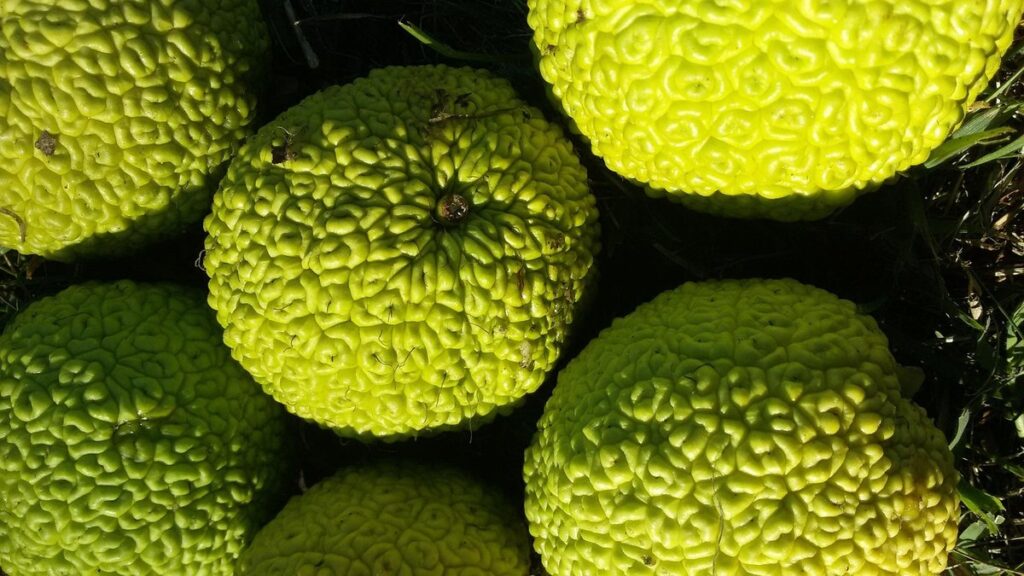
The osage orange tree (Maclura pomifera) is a deciduous tree native to North America, specifically in the southern and central regions of the United States. It’s a member of the Anacardiaceae family, which also includes mangoes and pistachios. One of its most distinctive features is its large, softball-sized fruit that turns from green to orange-yellow when ripe.
The osage orange tree is known for its unique characteristics, including its thick, gray bark and thorny branches. It can grow up to 50 feet tall, making it a popular choice for hedges and screens. Its dense foliage provides excellent shade and makes it an attractive option for homeowners looking to create a natural barrier.
In addition to its physical attributes, the osage orange tree is also valued for its hardiness and adaptability. It thrives in well-drained soil and full sun, making it suitable for a wide range of climates and soil types. This versatility has made it a popular choice among landscapers and gardeners looking to create durable and low-maintenance hedges.
Advantages of Using Osage Orange for Hedging
When it comes to creating a natural and durable hedge, few options can match the benefits of using Osage Orange (Maclura pomifera) for hedging. One of its most notable advantages is its unique growth habit. Unlike other ornamental shrubs that require regular pruning to maintain shape, Osage Orange naturally grows as a dense thicket, making it an ideal choice for creating a strong visual barrier.
This self-sufficient growth habit not only saves time and effort but also allows the hedge to develop a robust root system over time. In addition to its natural growth pattern, Osage Orange is highly durable and can thrive in a range of environments with minimal maintenance. It’s resistant to pests and diseases, which further reduces the need for regular upkeep.
This makes it an excellent choice for property owners looking to establish a low-maintenance hedge that still provides excellent visual screening and security. By planting Osage Orange, you’ll be able to enjoy the benefits of a natural barrier without the hassle of frequent pruning or care.
Planting and Care Requirements
When it comes to planting an Osage orange hedge, understanding its specific needs is crucial for success. Here’s what you need to know about planting and caring for your new hedge.
Choosing the Right Location for Your Osage Orange Hedge
When selecting a location for your osage orange hedge, there are several key factors to consider. First and foremost, think about sunlight. Osage oranges prefer full sun to partial shade, so choose a spot that receives at least six hours of direct sunlight per day.
Soil type is also crucial. These trees thrive in well-draining soil with a pH between 6.0 and 7.0. If your yard has heavy clay or sandy soils, you may need to amend the soil before planting. Space constraints are another consideration – osage oranges can grow quite large, up to 40 feet tall, so make sure to plant them far enough away from buildings, power lines, and other structures.
It’s also essential to consider your local climate. Osage oranges prefer cooler temperatures and can tolerate some drought, but they’re not ideal for areas with extremely hot summers or freezing winters. By carefully evaluating these factors, you’ll be able to choose the perfect location for your osage orange hedge.
Preparing the Soil for Planting
Before planting your osage orange hedge, it’s essential to prepare the soil for optimal growth. Start by testing the pH levels of your soil using a DIY kit or sending a sample to a lab for analysis. Osage oranges prefer slightly acidic to neutral soil with a pH between 6.0 and 7.5. If your test reveals alkaline soil, you’ll need to amend it.
To adjust the pH level, add elemental sulfur to decrease acidity or lime to increase it. However, be cautious not to overdo it, as this can lead to nutrient deficiencies in your hedge. A general rule of thumb is to make gradual adjustments – about 1/4 cup of amendment per 10 square feet of soil.
Once the pH levels are balanced, remove any debris and till the soil to a depth of 8-10 inches. This will loosen compacted soil and allow roots to grow freely. Now your osage orange hedge is ready for planting. Remember that proper soil preparation is crucial for healthy growth and a robust defense against pests and diseases.
Tips for Successful Planting
To ensure your osage orange hedge thrives, it’s essential to follow some key tips during planting to prevent common mistakes and guarantee a strong start. Follow these expert recommendations to get it right.
Digging and Planting the Osage Orange Trees
When digging and planting osage orange trees, it’s essential to follow proper techniques to ensure their successful growth. First, choose a location with full sun and well-draining soil, as osage oranges prefer dry conditions. Dig individual holes for each tree, spacing them 10-15 feet apart to allow for adequate air circulation.
Dig the holes about two times deeper than the root ball of the trees, and mix in some organic matter like compost to improve soil fertility. Gently remove the tree from its container or burlap, taking care not to disturb the roots. Place the tree in the hole, making sure the root flare (where the trunk flares out at the base of the tree) is level with the surrounding soil.
Water thoroughly after planting and maintain consistent moisture levels during the first growing season. Mulch around the trees to retain moisture and suppress weeds. With proper care, your osage orange hedge will thrive and provide years of benefits, including natural pest control and beautiful blooms.
Mulching and Fertilizing Your New Hedge
When it comes to establishing a healthy osage orange hedge, proper mulching and fertilizing are crucial for its growth and development. Mulching helps retain moisture in the soil, suppress weeds, and regulate soil temperature, creating an ideal environment for your new hedge to thrive.
Apply a 2-3 inch layer of organic mulch around the base of the plants, keeping it a few inches away from the trunks. As the mulch breaks down, it will add nutrients to the soil, reducing the need for frequent fertilization. For best results, choose a natural, slow-release fertilizer specifically formulated for trees and shrubs.
Fertilize your osage orange hedge during its first growing season, typically in early spring or late summer. A balanced, 10-10-10 N-P-K formula is an excellent starting point, but consider consulting with a local nursery or gardening expert to determine the best nutrient profile for your specific soil type and climate.
By implementing these mulching and fertilizing practices, you’ll be well on your way to establishing a robust and resilient osage orange hedge that will bring numerous benefits to your landscape for years to come.
Maintenance and Pruning Considerations
When planting an osage orange hedge, regular maintenance is crucial for its overall health and appearance. Let’s explore the essential tasks you’ll need to consider for a thriving hedge.
Understanding the Growth Habits of Osage Orange Trees
Osage orange trees are known for their unique growth habits, which can be beneficial or challenging depending on the specific needs of your hedge. These deciduous trees naturally grow with a broad, vase-shaped crown and a straight trunk that can reach heights of 40 to 60 feet over time.
One key aspect of osage orange tree growth is its branching pattern. They tend to produce long, thin branches that radiate out from the central trunk in a somewhat irregular manner. This can result in an attractive, natural shape for your hedge, but it also means that individual trees may require more frequent pruning to maintain the desired size and form.
In terms of potential size constraints, osage orange trees can become quite large if left unchecked. Regular pruning is essential to keep them manageable and prevent overgrowth into neighboring areas. By carefully shaping and pruning your osage orange trees as they grow, you can enjoy a beautiful, natural-looking hedge while also controlling their overall size and spread.
To prune effectively, focus on removing lower branches to promote a strong central leader, thin out dense growth to allow sunlight penetration, and maintain a balanced shape by cutting back overgrown tips. Regular pruning will help your osage orange trees grow into a healthy, robust hedge that provides the desired benefits for years to come.
Techniques for Pruning Your Osage Orange Hedge
Pruning is essential for maintaining the shape, size, and overall health of your osage orange hedge. When it comes to pruning these trees, timing is everything. The best time to prune is during their dormant season, typically from late winter to early spring. This allows you to make clean cuts without causing damage or stress to the tree.
To maintain shape and promote growth, focus on removing any crossing branches that rub against each other. This can cause damage to the bark and reduce air circulation within the hedge. Remove lower branches to allow more sunlight to reach the top of the hedge, promoting healthy growth and fruit production. You can also prune individual trees to control their size, directing them to grow in a desired shape or direction.
When pruning, make cuts at a 45-degree angle, about one-quarter inch above a bud or lateral branch. This helps the tree heal quickly and minimizes the risk of disease. By following these simple techniques, you can keep your osage orange hedge looking its best while promoting healthy growth and fruit production for years to come.
Pest and Disease Management
To keep your osage orange hedge healthy and thriving, it’s essential to learn how to identify and manage common pests and diseases that can impact its growth. This includes recognizing warning signs and implementing effective control methods.
Common Pests Affecting Osage Orange Hedges
One of the key considerations when planting an osage orange hedge is managing common pests that can affect its health and appearance. Among the most prevalent pests are aphids, spider mites, and scale insects. These tiny insects feed on sap, causing curled or distorted leaves, yellowing or stunted growth, and sticky honeydew droplets on stems.
Aphids, for example, are often found in clusters on new shoots and leaves, while spider mites cause a fine webbing on undersides of leaves. Scale insects, on the other hand, secrete a sticky substance called honeydew that attracts ants and promotes sooty mold growth. To manage these pests, use neem oil or insecticidal soap to control populations.
Regular inspections can help identify infestations early on, allowing for targeted treatment before they spread. Prune infested branches to prevent the pests from spreading, and ensure good air circulation around plants to reduce humidity that fosters pest growth. Additionally, choose resistant cultivars when planting an osage orange hedge to minimize the risk of pest problems.
Managing Diseases in Your Osage Orange Hedge
Diseases can be a significant concern for osage orange hedges, particularly when it comes to fungal infections like powdery mildew and black knot. To prevent these issues, it’s essential to adopt proper watering techniques. Avoid overwatering, which can create an environment conducive to disease development. Instead, water your hedge deeply but infrequently to encourage deep root growth and make the plants more resilient.
Regular pruning is also crucial in managing diseases. Remove any infected branches or leaves to prevent the spread of infection. Prune your osage orange hedge during its dormant season to minimize stress on the plant. This will help it recover quickly from any potential damage.
If necessary, use a fungicide specifically labeled for use on ornamental trees like osage orange. Always follow the product instructions carefully and apply the treatment in the early morning or evening to avoid harming beneficial insects. By implementing these measures, you can reduce the risk of disease and keep your osage orange hedge healthy and thriving.
Conclusion and Final Considerations
As you weigh the pros and cons of planting an osage orange hedge, let’s summarize the key takeaways from our exploration so far.
Review of Key Takeaways
In reviewing the key takeaways from this article, you now have a comprehensive understanding of the benefits and considerations involved in planting an osage orange hedge. Key benefits include its natural pest control properties, ability to provide a dense screen or windbreak, and ornamental value due to its vibrant fall color.
From a practical standpoint, osage orange trees are relatively easy to establish, requiring minimal maintenance once established. They can tolerate drought and extreme temperatures, making them suitable for various climate conditions. However, it’s essential to note that the berries produced by the tree are not edible for humans or most animals, which may be a consideration for some readers.
Some important considerations mentioned in the article include the potential for berry staining on surfaces and clothing, as well as the need for regular pruning to maintain desired shape and promote healthy growth. Overall, these takeaways provide a foundation for making informed decisions about whether an osage orange hedge is right for your property or landscape project. By weighing these points against your specific needs and circumstances, you can determine whether this unique tree species is a good fit for your goals.
Additional Resources for Further Research
If you’re interested in learning more about osage orange hedging, there are several resources available that can provide valuable insights and information. The USDA Forest Service website offers a comprehensive guide to the cultivation and management of Osage Orange trees, including pruning techniques and pest management strategies.
For those looking for specific guidance on planting an Osage Orange hedge, the National Arbor Day Foundation website has a detailed article on selecting and caring for hedging plants. This includes tips on soil preparation, watering, and fertilization.
The University of Illinois Extension also offers a guide to Osage Orange tree care, covering topics such as mulching, staking, and winter protection. Additionally, the Lady Bird Johnson Wildflower Center website features an in-depth article on the uses and benefits of native hedging plants like the Osage Orange.
These resources provide a wealth of information for those looking to install or maintain an Osage Orange hedge, and can be used as a starting point for further research and learning. By exploring these additional resources, you’ll be well-equipped to make informed decisions about your own osage orange hedge planting project.
Frequently Asked Questions
Can I plant osage orange trees in containers if I don’t have a lot of space for a traditional hedge?
Yes, you can definitely grow osage orange trees in containers! In fact, container-grown trees are ideal for small spaces or areas with poor soil. Make sure to choose a large enough container (at least 24 inches deep) and use a well-draining potting mix specifically designed for trees. Keep in mind that container-grown trees will require more frequent watering and fertilization.
How often should I water my newly planted osage orange hedge, especially during hot summer months?
Water your new osage orange hedge regularly, but avoid overwatering! Water deeply once or twice a week, depending on weather conditions. During hot summer months, you may need to water more frequently. Check the soil moisture by inserting your finger into the soil up to the first knuckle; if it feels dry, it’s time for another watering.
Can I plant osage orange trees near power lines or other infrastructure, or will they grow too large?
While osage orange trees are relatively small when young (about 10-15 feet tall), they can grow quite large with age (up to 50 feet). If you’re planting near power lines or other infrastructure, consider using dwarf or compact varieties specifically bred for smaller spaces. However, it’s essential to check with your local utility company before planting.
How long does it take for an osage orange hedge to mature and provide the desired benefits?
The maturity rate of an osage orange hedge depends on factors like soil quality, climate, and maintenance. Generally, it can take 3-5 years for a young osage orange tree to reach its full potential and start providing benefits like wind protection and beautiful fall colors.
Can I use organic pest control methods when managing pests that affect my osage orange hedge?
Yes! Organic pest control methods are an excellent way to manage common pests affecting your osage orange hedge. Use neem oil, horticultural soap, or insecticidal soap to control pests like aphids, spider mites, and scale. Always follow the product instructions and take necessary precautions when handling these chemicals.