
Are you looking to add some unique charm to your space without breaking the bank or committing to high-maintenance care? Clustered flowers plants are an excellent choice, offering a stunning display of blooms in a compact and low-maintenance package. Not only do these beautiful plants bring a pop of color and vibrancy to any room, but they’re also relatively easy to care for, making them perfect for busy homeowners or those new to gardening.
In this article, we’ll take a closer look at the benefits and joys of clustered flowers plants, from identifying and propagating your own to decorating with these unique specimens. We’ll cover design ideas, low-maintenance care tips, and more, so you can make the most of these beautiful plants in your home or garden. Whether you’re a seasoned green thumb or just starting out, this guide will help you get the most from your clustered flowers plant.
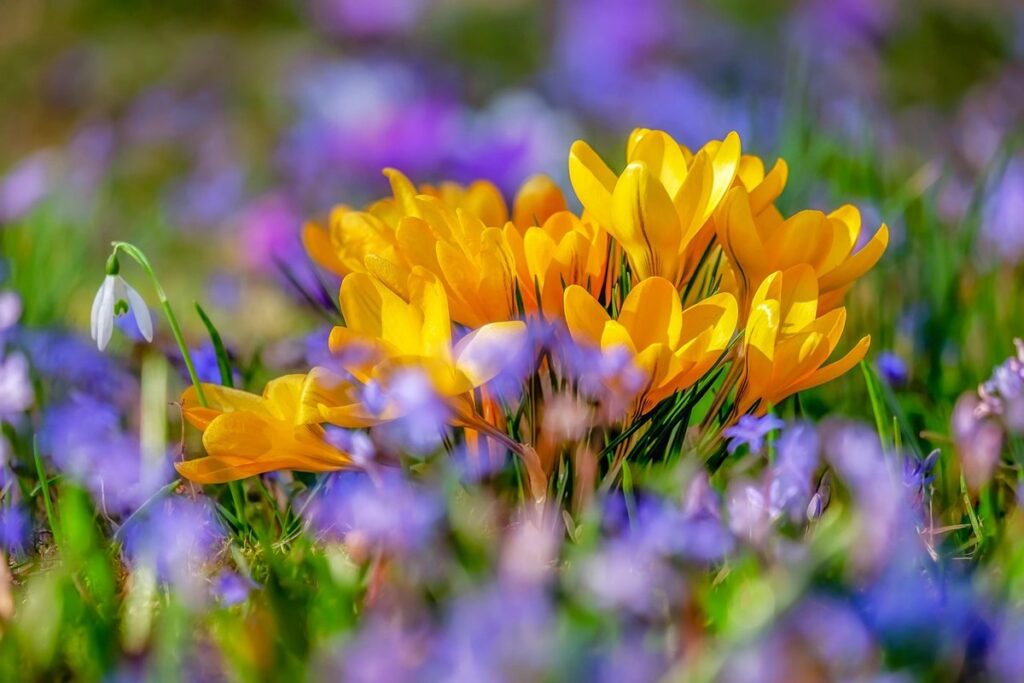
What are Clustered Flowers Plants?
Clustered flowers plants are a type of flowering plant that produces multiple blooms on a single stem, creating a beautiful and lush display. Let’s take a closer look at what makes them so special.
Definition and Types
Clustered flowers plants are a type of flowering plant that produces multiple blooms on a single stem, creating a stunning display of color and texture. This unique characteristic makes them a favorite among gardeners and floral enthusiasts alike. But what exactly are clustered flowers plants, and which types can you find in your local nursery or online?
The term “clustered” refers to the way these plants produce multiple blooms on a single stem, often creating a dense cluster of flowers. This is different from individual-blooming plants that produce one flower at a time. Succulents, bromeliads, and orchids are just a few examples of popular clustered flowers plants. Succulents, like aloe vera and echeveria, produce thick, fleshy leaves that store water, while bromeliads, such as pineapples, have colorful blooms surrounded by a cupped shape filled with water. Orchids, on the other hand, are known for their exotic, delicate flowers and require specific care to thrive.
When it comes to choosing clustered flowers plants for your garden or indoor space, consider the lighting, temperature, and watering needs of each type to ensure they receive proper care and attention. By doing so, you’ll be able to enjoy their vibrant blooms and unique characteristics for months to come.
Benefits of Growing Clustered Flowers Plants
Growing clustered flowers plants can bring numerous benefits to your indoor space. One of the most significant advantages is their low maintenance requirements. Unlike other flowering plants, clustered varieties require minimal pruning and care, making them perfect for busy people or those new to gardening. They thrive in a variety of lighting conditions and can survive with infrequent watering, reducing the need for constant monitoring.
These plants also possess air-purifying properties, which can be especially beneficial in urban areas where indoor pollution is a concern. Some studies have shown that certain types of flowering plants, including clustered varieties, can remove up to 87% of airborne pollutants in just one day. By incorporating these plants into your home or office, you can enjoy cleaner air and improved health.
In addition to their functional benefits, clustered flowers plants also add an aesthetic appeal to any space. Their unique, tightly packed blooms create a visually striking display that can brighten up even the most mundane room. To maximize their beauty, choose varieties with vibrant colors and interesting textures, such as velvety petals or delicate patterns.
How to Identify Clustered Flowers Plants
Identifying clustered flower plants can be a breeze once you know what to look for, so let’s dive into the characteristics that make them stand out.
Physical Characteristics
When it comes to identifying clustered flowers plants, one of the most distinctive physical characteristics is their unique flower arrangement. Unlike single-bloomed plants that have individual flowers spread out along a stem, clustered flowers plants have multiple blooms grouped together on a short stalk or stem. This creates a lush, full appearance and can add visual interest to any garden or indoor space.
Another key characteristic of clustered flowers plants is their leaf structure. Often, the leaves are smaller and more delicate than those found on single-bloomed plants, and may be arranged in a whorled pattern around the central stem. This allows the flowers to take center stage while still providing a subtle backdrop.
For example, the popular hydrangea plant is a classic example of a clustered flowers plant. Its large, showy blooms are grouped together on a short stalk, creating a dramatic display of color and texture. If you’re trying to identify a clustered flowers plant in your garden or at a nursery, look for these distinctive physical characteristics: clusters of blooms, small delicate leaves arranged around the central stem, and a lush, full appearance.
Leaf Structure and Growth Habits
Clustered flowers plants have evolved unique leaf structures and growth habits to thrive in diverse environments. One striking adaptation is their ability to store water, a trait that’s essential for survival in arid regions. Leaves on these plants often have thickened cuticles or waxy coatings, which help reduce transpiration and retain moisture.
In addition, some clustered flowers plants exhibit drought-deciduous behavior, where they shed leaves during dry periods and regrow them when water becomes available. This adaptation allows them to conserve energy and water resources. For instance, the popular yucca plant stores water in its fleshy leaves, which can swell up to several times their normal size when hydrated.
To observe these adaptations in action, look for plants with succulent or waxy leaves, which are designed to retain moisture. Pay attention to how they respond to changes in temperature and humidity – some may shed leaves or go dormant during extreme weather conditions. By understanding these specialized growth habits, you’ll appreciate the remarkable resilience of clustered flowers plants.
Care and Maintenance Tips
To keep your clustered flowers plant thriving, it’s essential to follow some simple care and maintenance tips that will promote healthy growth and blooming. With these tips, you’ll be on your way to enjoying beautiful blooms all season long.
Watering and Humidity Requirements
When it comes to keeping your clustered flowers plants thriving, proper watering and humidity levels are crucial. These plants typically prefer well-draining soil, which can make them prone to over-watering. To prevent this, ensure the pot has good drainage holes and avoid getting water on the leaves or crown of the plant.
A general rule of thumb is to water your clustered flowers plants when the top 1-2 inches of soil feel dry to the touch. However, some species may require more frequent watering, so it’s essential to research specific needs for your particular variety.
Maintaining optimal humidity levels can also be a challenge. Most clustered flowers prefer humid environments but are adaptable to average home conditions (40-50% relative humidity). To maintain humidity, you can place the pot on a tray filled with water and pebbles or use a humidifier nearby. Avoid placing plants in drafty areas or near heating vents.
Be cautious not to over-water, as this can lead to root rot and other issues. Check for signs of underwatering (such as wilted leaves) and adjust your watering schedule accordingly.
Lighting and Temperature Requirements
Clustered flowers plants require specific lighting and temperature conditions to thrive and produce beautiful blooms. When it comes to lighting, these plants typically prefer bright, indirect light but can tolerate some direct sunlight. Placing them near an east- or west-facing window is ideal, as this will provide the necessary light without causing scorching.
In terms of temperature, most clustered flowers plants prefer daytime temperatures between 65°F to 75°F (18°C to 24°C) and nighttime temperatures around 55°F to 65°F (13°C to 18°C). Some varieties may require warmer or cooler temperatures, so be sure to research the specific needs of your plant.
To optimize growth and flowering, maintain a consistent temperature range. Avoid placing your plant near heating or cooling vents, fireplaces, or drafty windows, as this can cause stress and impact blooming. Also, keep in mind that most clustered flowers plants require at least 12 hours of daylight to produce optimal blooms, so consider using grow lights if you don’t have a suitable spot for natural light.
Propagation Methods and Techniques
Now that you have a beautiful clustered flower plant, it’s time to learn how to share its charm with friends and family by mastering various propagation methods. We’ll walk you through these techniques step-by-step.
Stem Cuttings and Division
Propagating clustered flowers plants using stem cuttings and division is an effective way to multiply these stunning blooms. To take stem cuttings, choose healthy stems with at least two sets of leaves and remove lower leaves to prevent water from collecting. Cut the stem section just below a node, making sure each cutting has at least one node.
For successful propagation, use a rooting hormone on the cut end and plant it in well-draining soil or a propagation mix. Water thoroughly and keep the soil consistently moist but not waterlogged. Transplant the new plants once they have developed their own root system.
Division is another popular method for propagating clustered flowers plants. This involves gently separating the roots of mature clumps to create separate plants. Choose sections with at least one growing shoot, as this will help the plant establish itself quickly.
When dividing, make clean cuts just above a node and replant the separated sections in well-draining soil. Water regularly and provide adequate light for optimal growth. Both stem cuttings and division methods allow you to multiply your favorite clustered flowers plants with minimal fuss.
Leaf and Root Cuttings
Leaf and root cuttings are effective propagation methods for many clustered flower plants. These techniques involve taking a section of the plant’s stem, leaf, or root to create new growth. Some popular species suitable for leaf cutting propagation include African Violets, Begonias, and Geraniums. For example, African Violets can be easily propagated by removing individual leaves from the mother plant, allowing them to develop roots in a moist environment.
Root cuttings are also used for plants like Pelargoniums (geraniums) and Succulents. In these cases, a section of the stem is removed, leaving a small portion of the root intact. This allows new growth to emerge from the remaining root tissue. To increase success rates with leaf and root cutting propagation, make sure to provide adequate light, water, and nutrients for the newly cut sections.
Some key considerations when using these techniques include:
* Selecting healthy mother plants
* Cutting at the right time (usually during the active growing season)
* Providing suitable conditions for rooting (high humidity, warmth, and adequate light)
Common Problems and Solutions
Don’t let a struggling clustered flowers plant get you down! In this section, we’ll tackle some common problems and offer practical solutions to keep your blooms beautiful.
Over-watering and Under-watering
When it comes to clustered flower plants, proper watering is crucial for their survival and optimal growth. However, many gardeners struggle with over-watering and under-watering, which can be detrimental to these beautiful flowers.
Over-watering can cause a range of problems, including yellowing leaves, droopy petals, and root rot. This occurs when the soil remains consistently moist, preventing oxygen from reaching the roots. To avoid this issue, check the soil moisture by inserting your finger into the soil up to the first knuckle. If it’s dry, water thoroughly until you see water coming out of the drainage holes.
Under-watering, on the other hand, can cause flowers to wilt and drop their petals. This is often due to inadequate watering or high temperatures that cause rapid evaporation. To correct under-watering, increase the frequency of watering, but be careful not to overdo it. A good rule of thumb is to water when the top 1-2 inches of soil feel dry to the touch.
To ensure you’re providing your clustered flower plants with the right amount of water, observe their response to different watering schedules and adjust accordingly.
Pests and Diseases
Clustered flowers plants are not only stunning additions to any garden, but they’re also relatively low-maintenance. However, even with proper care, pests and diseases can still affect these beautiful blooms.
Some common pests that target clustered flowers plants include aphids, whiteflies, and spider mites. These tiny critters can cause curled or distorted leaves, sticky honeydew droplets, and even spread plant viruses. To prevent infestations, make sure to inspect your plants regularly and treat any issues promptly. Use neem oil or insecticidal soap to control pests, and consider introducing beneficial insects like ladybugs or lacewings to your garden.
Diseases such as powdery mildew, root rot, and leaf spot can also affect clustered flowers plants. These conditions often result from overwatering, poor air circulation, or high humidity. To prevent diseases, ensure good air circulation around your plants and avoid getting water on the leaves. If you do encounter a disease issue, remove infected areas immediately and treat the plant with a fungicide.
Remember to monitor your plants closely and take action at the first sign of trouble.
Design Ideas and Decorative Tips
Now that you have a stunning cluster of flowers, it’s time to showcase its beauty by incorporating clever design ideas and decorative tips into your home decor. Let’s dive into some creative ways to display these gorgeous plants!
Incorporating Clustered Flowers into Home Decor
Clustered flowers add an extra layer of visual interest to any space when used thoughtfully in home decor. To incorporate them effectively, consider grouping plants with varying stem heights and bloom times for a dynamic look. For example, combine low-growing groundcovers like thyme or creeping Jenny with taller stems of hydrangea or sunflowers.
When it comes to arrangement suggestions, try mixing clustered flowers with other plant types to create depth and texture. Pair delicate blooms like African violets or begonias with statement pieces like succulents or cacti for a visually appealing contrast. Display them on a tiered planter or a floating shelf to add visual interest.
In terms of display ideas, consider placing a cluster of flowers in a corner or along a wall to create a lush focal point. Alternatively, group several pots together on a side table or console table to draw the eye to a specific area of the room. By incorporating these unique plants thoughtfully into your home decor, you can add a touch of whimsy and personality to any space.
Using Clustered Flowers in Outdoor Spaces
When it comes to incorporating clustered flowers into your outdoor spaces, the possibilities are endless. One of the most popular ways to showcase these beautiful plants is through container gardens. Not only do they add a pop of color and texture, but they also require minimal maintenance.
For a stunning container garden, start by selecting a variety of clustered flowers that thrive in your local climate. Group them together in a large planter or terrarium, taking care to balance different heights and bloom times. Consider pairing with complementary foliage plants like succulents or grasses to add depth and visual interest. This approach is particularly effective for small spaces or narrow entryways.
If you’re looking to make a bigger impact on your landscape design, consider massing multiple clusters of the same variety throughout your yard. This creates a dramatic effect that can be especially striking when combined with other textural elements like stone or wood mulch. By incorporating these tips into your outdoor space, you’ll not only add visual appeal but also create a thriving ecosystem for these beautiful plants to thrive in.
Conclusion: The Unique Charm of Clustered Flowers Plants
As we conclude our comprehensive guide, let’s reflect on what makes clustered flowers plants truly special and how you can incorporate their unique charm into your home decor.
Recap of Key Takeaways
As you’ve journeyed through this comprehensive guide on clustered flowers plants, we hope you now appreciate the unique charm of these stunning blooms. In summary, here are the key takeaways to remember: Clustered flowers plants add a touch of elegance and sophistication to any space with their delicate petals and intricate patterns.
Key characteristics to look out for when choosing a clustered flowers plant include its size, type of bloom (e.g., roses or hydrangeas), and growth habit. Regular pruning is essential to maintain shape and encourage new blooms.
Some of the unique benefits of these plants include low maintenance, year-round interest, and versatility in different settings – from indoor spaces to outdoor gardens. When selecting a location for your clustered flowers plant, consider factors such as sunlight exposure, soil type, and proximity to other plants or features.
To keep your clustered flowers plant thriving, remember to water regularly but avoid overwatering. Fertilize during the growing season to promote healthy growth and blooming. With proper care and attention, these beautiful plants can provide endless joy and aesthetic appeal for years to come.
Encouragement to Explore Further
As you’ve delved into the world of clustered flowers plants, we hope you’ve fallen under their spell. These enchanting blooms bring a sense of serenity and joy to any space, don’t they? Whether you’re an avid gardener or simply someone who appreciates the beauty of nature, it’s essential to experience the unique charm of these plants firsthand.
With this guide, you now have a solid understanding of what makes clustered flowers plants so special. But there’s more to discover! Take your newfound knowledge and apply it to create a stunning garden feature, add a pop of color to a dull corner, or even gift one of these lovely plants to a friend. Don’t be afraid to experiment with different species, pruning techniques, and care methods to find what works best for you.
As you continue on this journey, remember that the beauty of clustered flowers plants lies not just in their appearance but also in their ability to bring people together. Share your passion with others, and who knows? You might just inspire someone else to join the ranks of clustered flower enthusiasts!
Frequently Asked Questions
Can I grow clustered flowers plants indoors year-round?
Clustered flowers plants can thrive indoors, but they still require some seasonal adjustments. To maintain their blooms, provide them with a cooler temperature (around 60-65°F) during winter months and ensure proper ventilation to prevent overwatering.
How do I know if my clustered flowers plant is receiving the right amount of light?
Clustered flowers plants generally prefer bright, indirect light but can tolerate some direct sunlight. Monitor your plant’s color and growth; if it starts to stretch or loses its vibrancy, consider moving it to a brighter location or using sheer curtains for filtered light.
Can I propagate clustered flowers plants through leaf cuttings, just like other houseplants?
While stem cuttings are the most common method for propagating clustered flowers plants, some species can be propagated through leaf cuttings. Research specific propagation methods for your plant variety and follow proper care to ensure success.
How often should I water my clustered flowers plant during hot summer months?
Watering frequency may need to increase during hot summer months when temperatures soar above 70°F (21°C). Check the soil moisture by sticking your finger into the soil up to the first knuckle; if it feels dry, it’s time for a watering.
Can I grow multiple clustered flowers plants together in one container?
Yes, you can group clustered flowers plants together in a single container, but be mindful of their growth habits and ensure they have enough space to thrive. Choose varieties with similar light and watering needs to create a harmonious display of blooms.