
As the fall season comes to an end, many gardeners are left with a bounty of pumpkins that have fulfilled their purpose as decorative centerpieces or delicious baked goods. But did you know that pumpkin compost is a valuable resource waiting to be tapped? By learning how to create and use pumpkin compost in your garden, you can unlock its numerous benefits for soil health, plant growth, and sustainable gardening practices.
In this article, we’ll guide you through the process of creating pumpkin compost, from preparation to application. We’ll cover the advantages of using pumpkin compost, including improved soil structure, increased fertility, and reduced waste. You’ll also learn how to overcome common challenges that may arise when implementing pumpkin compost in your garden. By the end of this expert guide, you’ll be equipped with the knowledge to harness the power of pumpkin compost and take your gardening skills to the next level.
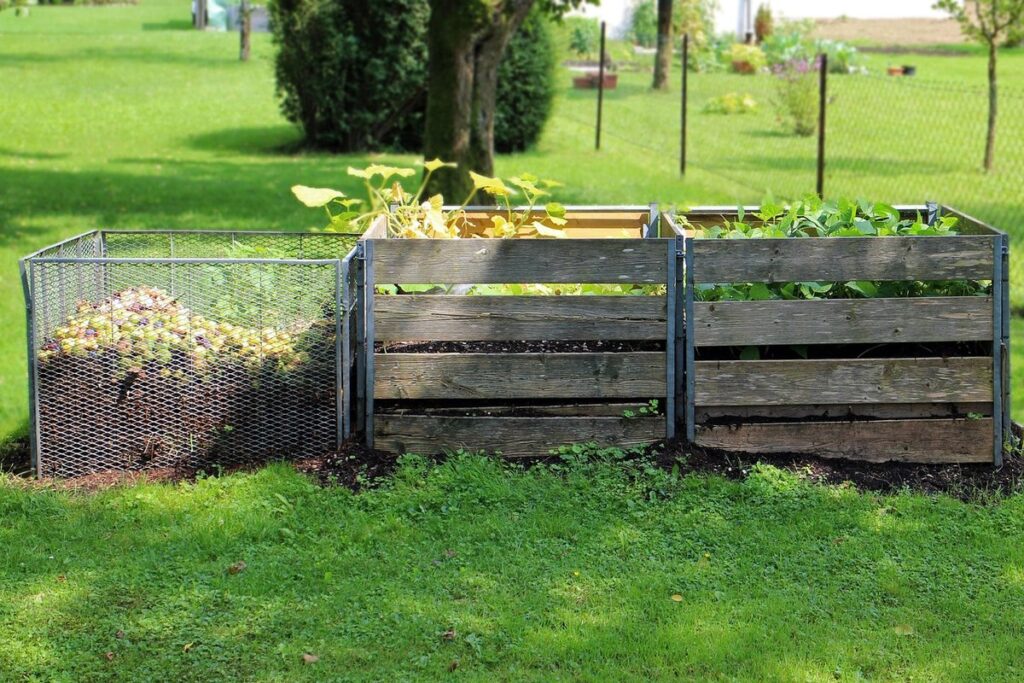
What is Pumpkin Compost?
So, you might be wondering what exactly pumpkin compost is and how it’s made. In this section, we’ll break down the basics of pumpkin compost and its unique characteristics.
Definition and Purpose
Pumpkin compost is a nutrient-rich soil amendment made from the pulp and rind of cooked pumpkins. To create it, simply cook down the pumpkin flesh and mix it with other compost materials like leaves, grass clippings, or vegetable scraps. The resulting mixture breaks down into a dark, crumbly texture that’s teeming with beneficial microorganisms.
The purpose of pumpkin compost is to provide your garden with an extra boost of nutrients during the fall season. Pumpkins are naturally high in potassium, magnesium, and iron – essential minerals for healthy plant growth. When you add pumpkin compost to your soil, these nutrients become readily available to your plants, promoting strong root development, vibrant foliage, and increased fruit production.
By using pumpkin compost, gardeners can say goodbye to chemical fertilizers and hello to a more sustainable gardening practice. Not only is it an eco-friendly option, but it’s also free – simply use up any leftover pumpkin pulp from your fall baking.
Types of Pumpkin Compost
When it comes to incorporating pumpkin compost into your gardening routine, you have two primary options: homemade and store-bought. While both types have their benefits, they differ significantly in terms of preparation time, cost, and nutrient content.
Homemade pumpkin compost is a cost-effective way to create a nutrient-rich soil amendment for your garden. By saving pumpkin scraps from cooking or baking, you can create a steady supply of organic matter that will eventually break down into a rich compost. This method requires patience, as it takes several months for the compost to mature and become usable in the garden.
Store-bought pumpkin compost, on the other hand, is readily available at most gardening stores or online retailers. These products are typically made from a blend of pumpkin scraps and other organic materials, and are designed to provide an instant nutrient boost to your soil. Some benefits of store-bought pumpkin compost include faster availability and consistent quality, but they often come with a higher price tag than homemade alternatives.
Regardless of whether you choose to make or buy pumpkin compost, incorporating it into your garden can have numerous benefits for plant growth and soil health.
Creating Your Own Pumpkin Compost
To make the most of pumpkin compost, why not create your own by following these simple steps to turn kitchen scraps into a nutrient-rich soil amendment? It’s easier than you think!
Choosing the Right Materials
When it comes to creating your own pumpkin compost, choosing the right materials is crucial for a successful outcome. Pumpkins themselves are an excellent starting point, but they should be combined with other organic matter to create a nutrient-rich soil amendment.
Start by collecting a mix of “green” and “brown” materials. Green materials like fresh leaves, grass clippings, or food scraps provide nitrogen, while brown materials like dried leaves, straw, or shredded newspaper contribute carbon. Aim for a balance between the two to achieve an ideal 2:1 ratio. Consider adding other organic matter such as vegetable scraps, coffee grounds, or tea bags to further enrich your compost.
When selecting pumpkins, choose ones that are free from mold and pests, and have been grown without chemicals. Slice them into smaller pieces to increase their surface area and help them break down faster. Avoid using pumpkin seeds, as they can be difficult to decompose. By combining these materials in the right proportions, you’ll be well on your way to creating a rich, pumpkin-based compost that will enhance your garden’s fertility and health.
Layering and Mixing Techniques
When layering and mixing ingredients to create an optimal pumpkin compost blend, it’s essential to understand the ideal balance of “green” and “brown” materials. Green materials are high in nitrogen, such as food scraps and grass clippings, while brown materials are rich in carbon, like dried leaves and twigs. Aim for a 2:1 or 3:1 ratio of brown to green materials.
To create a layering pattern, start with a 4-6 inch base of coarse brown materials, such as branches or shredded newspaper. This provides air pockets and allows excess water to drain. Next, add a 2-3 inch layer of green materials, like kitchen scraps or manure. Repeat this process, alternating between brown and green layers.
When mixing the compost, aim for a consistency similar to damp soil. Be careful not to overmix, which can lead to anaerobic conditions and unpleasant odors. Instead, use a pitchfork or shovel to gently turn the pile every 7-10 days, allowing oxygen to penetrate and microorganisms to thrive. By following this layering and mixing technique, you’ll be well on your way to creating a nutrient-rich pumpkin compost that will enrich your garden’s soil for years to come.
Benefits of Using Pumpkin Compost
Whether you’re a seasoned gardener or just starting out, learning how to use pumpkin compost can have a significant impact on your garden’s health and productivity. Let’s dive into some of the most valuable benefits of incorporating this natural fertilizer into your routine.
Nutrient-Rich Soil
When you add pumpkin compost to your garden soil, it’s not just about recycling kitchen scraps – it’s about creating a nutrient-rich environment for your plants to thrive. Pumpkin compost is packed with essential nutrients like nitrogen, phosphorus, and potassium that are slowly released as the microbes in the compost break them down.
As these nutrients are absorbed by your plants, they promote healthy growth, robust root development, and resistance to diseases. But pumpkin compost doesn’t just add nutrients – it also improves soil structure. The high organic matter content helps retain moisture, suppresses weeds, and creates a favorable environment for beneficial microorganisms.
To make the most of pumpkin compost in your garden, incorporate 2-3 inches of it into the top 6-8 inches of your soil. You can also mix it with other compost materials or use it as a mulch to retain moisture and regulate soil temperature. By incorporating pumpkin compost into your gardening routine, you’ll be creating a healthy, balanced ecosystem that’s perfect for growing delicious fruits and vegetables.
Microbial Balance
When we think about pumpkin compost, our minds often wander to its nutrient-rich properties and soil-enriching benefits. However, the true magic behind this eco-friendly fertilizer lies in the microbial balance it promotes within the soil ecosystem.
Microorganisms are the unsung heroes of decomposition, working tirelessly to break down organic matter into essential nutrients for plant growth. Pumpkin compost is a haven for these beneficial microbes, providing them with an ideal environment to thrive and multiply. As they feed on the decaying pumpkin pulp and other organic matter, microorganisms release enzymes that further decompose complex compounds, making it easier for plants to absorb the nutrients.
In a healthy ecosystem, microbial balance is crucial. It allows for efficient nutrient cycling, reducing the need for synthetic fertilizers and minimizing environmental pollution. By incorporating pumpkin compost into your gardening routine, you’re not only enriching the soil but also creating an environment where beneficial microbes can flourish. To maximize this effect, be sure to mix a 2-3 inch layer of pumpkin compost into the top 6-8 inches of soil, allowing it to work its magic over time.
Challenges and Common Issues
While creating your own pumpkin compost can be rewarding, there are some common pitfalls to watch out for along the way. Let’s explore some of these challenges together.
Odor and Pest Control
One common concern when using pumpkin compost is odor control. The high nitrogen content in pumpkin rinds can lead to strong ammonia smells, especially if they’re not properly balanced with carbon-rich materials like leaves or straw. To minimize odors, make sure to add a mix of “green” and “brown” materials to your compost pile.
Another issue you may encounter is pests. Fruit flies, rodents, and even raccoons can be attracted to the sweet aroma of pumpkin rinds. To deter these unwanted visitors, bury larger pieces of pumpkin under other compost materials or line the bottom of your bin with hardware cloth. Regularly turning your compost pile will also help prevent pests from making themselves at home.
If you do notice pests or odors in your compost pile, don’t panic. These issues can be addressed by making a few simple adjustments to your process. Simply turn up the ratio of carbon-rich materials, add some beneficial microorganisms like worm castings or compost tea, and keep your bin well-ventilated. With a little patience and TLC, you’ll be enjoying nutrient-rich pumpkin compost in no time.
Tips for Prevention and Solution
To maintain a healthy composting process and prevent common issues with pumpkin compost, it’s essential to monitor pH levels and maintain adequate moisture. Start by checking the pH level of your compost pile every week or two using a pH testing kit. If the reading is too high (above 7), add some acidic materials like peat moss or sulfur to bring it down. Conversely, if the reading is too low (below 5), mix in some lime or wood ash.
Regularly inspecting your compost pile can also help you catch potential problems early on. Check for signs of overheating, such as steam rising from the pile, hot spots, or a strong, unpleasant odor. If you notice any of these symptoms, turn the pile to aerate it and speed up decomposition. Regular mixing also helps prevent matting and ensures all materials are being broken down evenly.
By keeping an eye on pH levels and monitoring your compost pile’s temperature and consistency, you can mitigate potential issues and create a thriving environment for beneficial microorganisms to do their job.
Composting vs. Mulching: What’s the Difference?
Before we dive into the benefits of pumpkin compost, let’s clarify two popular gardening methods that might seem similar but have key differences: composting and mulching.
Differences in Purpose and Effectiveness
When it comes to managing garden waste, you have two primary options: composting and mulching. Both methods have their benefits and drawbacks, which can affect the outcome of your pumpkin compost.
Composting involves breaking down organic matter into a nutrient-rich soil amendment, whereas mulching involves covering the soil with a layer of organic material to retain moisture and suppress weeds. While both techniques share some similarities, they serve distinct purposes. Composting is ideal for creating a long-term soil improvement plan, whereas mulching provides temporary benefits by retaining moisture and regulating soil temperature.
A crucial consideration when choosing between composting and mulching is the effectiveness of each method in achieving your desired outcome. If you’re looking to create a nutrient-rich soil amendment, composting is the clear winner. However, if you need immediate results for soil retention and weed suppression, mulching might be a better option. Ultimately, a combination of both methods can provide the best results for your garden.
When to Use Each Method
When deciding between using pumpkin compost and other methods like mulching, it’s essential to consider the specific needs of your garden. If you’re looking for a nutrient-rich soil amendment to boost plant growth and fertility, pumpkin compost is an excellent choice.
Use pumpkin compost when:
* You want to create a sustainable and eco-friendly gardening routine, as composting reduces waste and creates a natural fertilizer.
* Your soil lacks essential nutrients or has poor structure, making it difficult for plants to thrive. Pumpkin compost can help improve soil health and increase water retention.
* You’re planning to start a new garden bed or rejuvenate an existing one, as pumpkin compost can act as a soil conditioner.
On the other hand, mulching is better suited for:
* Weed suppression and moisture retention in established gardens where plants are already growing well.
* Adding an extra layer of protection against extreme temperatures and weather conditions.
Implementing Pumpkin Compost in Your Garden
Now that you have a batch of pumpkin compost, let’s talk about how to effectively use it in your garden to give your plants an extra boost. We’ll cover application tips and methods for optimal results.
Preparing Your Soil
Before adding pumpkin compost to your garden, it’s essential to prepare the soil for optimal results. Tilling and aeration techniques will help loosen compacted soil, allowing the compost to penetrate evenly and get absorbed by the roots.
Start by removing weeds and debris from the area you plan to use for your pumpkin compost. Then, till the soil to a depth of about 8-10 inches using a garden fork or spade. This process breaks up any clods, aerates the soil, and brings hidden nutrients to the surface. If your soil is heavy clay or sandy, consider adding organic matter like peat moss or perlite to improve its structure.
Next, incorporate a balanced fertilizer into the tilled soil to provide essential nutrients for healthy plant growth. You can also mix in some compost tea as an additional nutrient boost. By taking these simple steps, you’ll create a fertile base for your pumpkin compost to flourish and nourish your garden. With proper soil preparation, your plants will thrive on the rich benefits of pumpkin compost.
Monitoring Progress and Adjustments
Monitoring progress is crucial to ensure that pumpkin compost is meeting its intended purposes. To do this, observe the soil’s improvement over time. Check for changes in structure, fertility, and overall health. Regularly test the pH levels and nutrient content of your soil to see if it’s within the optimal range.
As you monitor, be prepared to make adjustments as needed. If you notice that your soil is still lacking essential nutrients or experiencing poor drainage issues, reassess your composting process. Consider factors like carbon-to-nitrogen ratio, aeration, and moisture levels. Make sure to add sufficient “green” materials (e.g., food scraps, grass clippings) to balance out the “brown” materials (e.g., dried leaves, twigs).
Keep in mind that every garden is unique, and what works for one area may not work for another. For instance, you might find that your soil needs more sulfur or magnesium. Be open to trying different combinations of materials and monitoring their effects. With patience and flexibility, you’ll be able to refine your pumpkin composting process and achieve the desired results in your garden.
Frequently Asked Questions
Can I use pumpkin compost in containers or is it just for in-ground gardening?
Yes, you can definitely use pumpkin compost in containers to improve soil health and fertility. In fact, the nutrient-rich properties of pumpkin compost make it an excellent addition to container gardens, especially when combined with other organic amendments.
How soon can I expect to see results from using pumpkin compost in my garden?
The benefits of using pumpkin compost can be seen as early as 1-2 weeks after application, but optimal results typically occur within 4-6 weeks. This allows the microorganisms to break down the nutrients and make them available for plant uptake.
What’s the ideal ratio of pumpkin compost to regular compost in my garden bed?
The ideal ratio will depend on your specific soil type and needs, but a general rule of thumb is to mix 10-20% pumpkin compost with existing compost materials. This balance allows you to reap the rewards of nutrient-rich soil without overwhelming your microorganisms.
Can I use pumpkin compost as a mulch or only as a compost additive?
You can use pumpkin compost in both ways! When applied as a thin layer (about 1-2 inches), it acts as an excellent mulch, retaining moisture and regulating soil temperature. As a compost additive, mix it with other materials to create a nutrient-rich blend for optimal plant growth.
How do I store leftover pumpkin compost for future use?
To keep your pumpkin compost fresh, store it in an airtight container or bin, keeping it away from direct sunlight and moisture. This will help preserve the beneficial microorganisms and ensure it remains effective when used in future garden applications.