
Leaf gall diseases can be devastating for plants, causing unsightly growths that not only affect their appearance but also impact their overall health. These abnormal swellings or tumors on leaves are typically caused by fungal, bacterial, or viral pathogens, which can weaken the plant and make it more susceptible to pests and diseases. If left untreated, galls diseases can spread quickly, reducing yields and potentially killing off entire crops. In this article, we’ll explore how to identify common types of leaf gall diseases, provide effective prevention strategies, and discuss control methods for treating these issues. We’ll also share expert tips on how to prevent the spread of these pathogens and keep your plants healthy all season long.
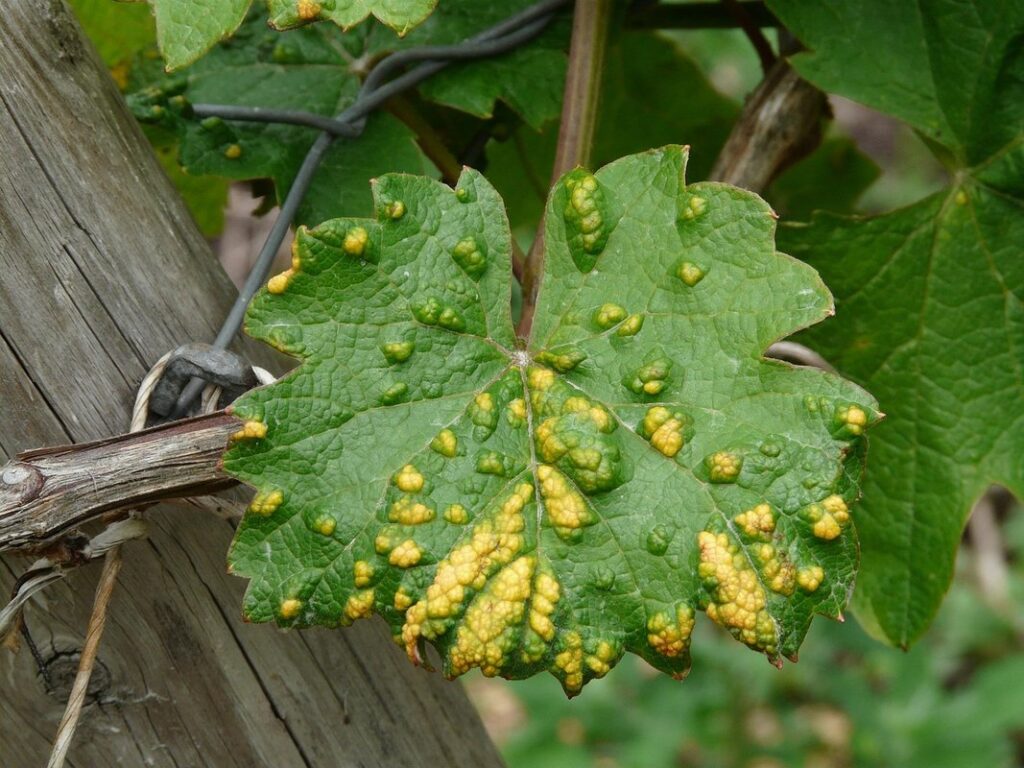
What are Leaf Gall Diseases?
Leaf gall diseases can be confusing, so let’s start from the beginning and explore what they are. Essentially, a leaf gall is an abnormal growth on a plant’s leaf caused by various factors.
Definition and Causes of Leaf Gall Diseases
Leaf gall diseases are abnormal growths that form on leaves due to various types of infections. These infections can be caused by fungal, bacterial, or viral pathogens. Fungal infections, such as those caused by the Cystophora batatas fungus, can lead to the formation of leaf galls that resemble small, rounded blisters. Bacterial infections, like those caused by Pseudomonas syringae, can cause leaves to become distorted and develop large, swollen growths.
Viral infections are another common cause of leaf gall diseases. These viruses can be transmitted through insects, such as aphids, or through contact with infected plant material. For example, the Potato virus X can cause potato plants to develop unusual leaf growths that resemble small, rounded balls. Leaf gall diseases can also be caused by a combination of factors, including environmental stress, nutrient deficiencies, and physical damage to the plant.
It’s essential to note that different types of pathogens can cause similar symptoms, making diagnosis challenging. To accurately diagnose leaf gall disease, it’s crucial to identify the underlying cause of the infection. This can involve consulting with a gardening expert or taking a sample to a laboratory for analysis.
Types of Fungal Leaf Gall Diseases
Fungal leaf gall diseases are caused by various types of fungi that infect plant leaves, leading to abnormal growths or galls. One common type is the Cytospora leaf gall, which affects trees such as willows and poplars. These galls can grow up to several inches in diameter and can be grayish-brown in color. Another type is the Fusicoccum leaf gall, which affects cherry and plum trees, causing the formation of small, round galls on the leaves.
Other types of fungal leaf gall diseases include the Chrysomyxa ledi gall, which affects heather plants, and the Taphrina wiesneri gall, which affects alder trees. These galls can cause significant damage to plant leaves and can be unsightly. To identify these diseases, look for abnormal growths on the leaves, such as swellings or blisters.
It’s essential to note that fungal leaf gall diseases are often associated with poor air circulation and high humidity, which can make them more challenging to treat. Practically speaking, to prevent the spread of these diseases, ensure good air circulation around your plants by pruning nearby vegetation and removing weeds.
Common Bacterial and Viral Causes of Leaf Galls
Leaf galls can be caused by a variety of bacterial and viral pathogens that affect plant leaves. One common example is the crown gall bacterium (Agrobacterium tumefaciens), which is known to infect over 10,000 species of plants worldwide. This bacterium causes the formation of tumors or swellings on the stem or branches of infected plants.
Other notable bacterial pathogens include Pseudomonas syringae and Xanthomonas campestris, both of which can cause leaf galls by inducing the formation of abnormal growths on affected leaves. These growths can range from small, water-soaked lesions to larger, more complex gall formations that can distort the shape of the leaf.
Viruses such as tobacco rattle virus (TRV) and tomato spotted wilt virus (TSWV) are also known to cause leaf galls by disrupting normal plant growth patterns. These viruses can be transmitted through insect vectors like aphids or thrips, which feed on plant sap and inadvertently spread the viral pathogen.
To prevent the spread of bacterial and viral pathogens that cause leaf galls, gardeners should take precautions such as practicing good sanitation, removing infected plants from the area, and avoiding overhead watering. Regular monitoring for signs of infection can also help catch problems early before they become more severe.
Symptoms and Identification of Leaf Gall Diseases
So, you’re looking for a definitive guide on identifying leaf gall diseases – this section will walk you through the common symptoms to look out for.
Visible Signs of Fungal and Bacterial Leaf Galls
When examining leaves affected by fungal and bacterial gall diseases, several visible signs can indicate the presence of these conditions. One of the most noticeable changes is a shift in leaf color, often resulting in a pale yellow or white discoloration. This alteration may be accompanied by an increase in leaf size, giving it a swollen appearance.
In some cases, the texture of the leaf will become thicker and more rigid due to the formation of galls. These growths can take on various shapes, including round, oval, or even elongated forms, depending on the specific pathogen causing the infection.
Leaf shape may also be affected, with some leaves developing irregular edges or curled tips. The combination of these visual cues can provide valuable insight into the type and severity of gall disease present in your plants. By recognizing these signs early on, you’ll be better equipped to implement effective treatment strategies and prevent further damage to your foliage.
Early Detection and Warning Signs of Viral Leaf Galls
Early detection of viral leaf gall diseases can be challenging due to their often subtle and slow-developing symptoms. However, being aware of these early warning signs is crucial for effective management and control. One of the first signs of a viral leaf gall disease is the appearance of yellowing or pale green tissue on affected leaves. This discoloration may be more pronounced along the veins or in areas with high water content.
Other early warning signs include distorted growth patterns, such as curled or wrinkled leaves, and an overall reduction in plant vigor. In some cases, infected plants may exhibit unusual flower or fruit formation. It’s essential to monitor your plants closely for these symptoms, especially during periods of stress or environmental changes.
When inspecting your plants, look for any unusual swellings, blisters, or growths on the leaves. These can be indicative of a viral infection and should prompt further investigation. Early detection allows for timely intervention and treatment, reducing the risk of disease spread and minimizing damage to your plants.
Importance of Prompt Identification and Treatment
Prompt identification and treatment are crucial steps in managing leaf gall diseases effectively. Identifying the correct gall type is vital for selecting an appropriate treatment strategy. Some galls may be caused by pests like insects or mites, while others can be fungal or bacterial in nature.
For instance, cedar-apple rust, a common gall disease, requires separate treatment from aphid-induced galls. Cedar-apple rust is usually managed using fungicides, whereas infestations caused by aphids require integrated pest management (IPM) approaches that include introducing beneficial insects to control the aphid population.
Proper identification involves considering factors such as gall shape, color, and growth patterns, as well as the overall plant health. Planting resistant varieties or practicing good gardening hygiene can also prevent gall development in some cases. For instance, removing weeds around the affected plants and avoiding over-watering can reduce the likelihood of fungal infections.
In many cases, treating leaf galls requires a combination of cultural controls, chemical interventions, and biological approaches.
Factors Contributing to the Spread of Leaf Gall Diseases
To effectively combat leaf gall diseases, it’s essential to understand the factors that contribute to their spread, including environmental conditions and plant-to-plant transmission.
Environmental Factors Encouraging the Growth of Pathogens
When it comes to understanding leaf gall diseases, environmental factors play a significant role in their spread. Weather conditions are one of the primary contributors. Extreme temperatures, high humidity, and intense rainfall can create an ideal environment for pathogens to thrive. For instance, fungal spores can remain dormant during dry spells only to germinate when moisture levels rise.
Soil quality is another critical factor. Nutrient deficiencies, particularly a lack of essential micronutrients like magnesium and sulfur, can weaken plant defenses against pathogens. Similarly, poor soil drainage can lead to waterlogged conditions that foster the growth of root rot-causing organisms. To combat this, gardeners should focus on maintaining healthy soil structure through regular mulching and composting.
Nutrient imbalances can also promote pathogen growth. A surplus of nitrogen, for example, can tip the balance in favor of fungal pathogens like rusts and mildews. By monitoring soil pH levels and adjusting nutrient inputs accordingly, gardeners can create an environment less conducive to leaf gall disease proliferation.
Poor Cultural Practices Allowing for Disease Progression
Poor cultural practices can significantly contribute to the spread of leaf gall diseases. One common mistake is overwatering, which creates an ideal environment for pathogens like fungi and bacteria to thrive. When plants are consistently waterlogged, they become more susceptible to infection, allowing the disease to progress rapidly.
Overfertilization is another poor practice that can lead to disease progression. Excessive nutrients can stress the plant, making it more vulnerable to attack by pathogens. This is particularly true for plants like roses and apple trees, which are prone to gall diseases. Inadequate pruning also plays a significant role in allowing these diseases to spread.
Pruning is essential for maintaining air circulation around leaves, preventing moisture from accumulating, and removing diseased tissue that can serve as a source of infection. Regular pruning practices, such as removing any infected galls and thinning out branches, can help prevent the disease from spreading further. By adopting better cultural practices, gardeners can reduce the risk of leaf gall diseases and create an environment less conducive to their spread.
Role of Insect Vectors in Disseminating Leaf Gall Pathogens
Insect vectors play a significant role in the dissemination of leaf gall pathogens. These tiny insects, such as aphids, whiteflies, and psyllids, act as carriers for various diseases-causing microorganisms that can lead to galls on leaves. For instance, the potato psyllid (Bactericera cockerelli) is a known vector of the bacterium Candidatus Liberibacter solanacearum, which causes zebra chip disease in potatoes.
When an insect vector feeds on a plant, it can ingest or come into contact with the pathogen and then transfer it to other plants during subsequent feeding. This process is called “vector-borne transmission.” For example, research has shown that some species of aphids can transmit the pathogen Zymoseptoria tritici, which causes septoria tritici blotch in wheat.
To manage insect vectors effectively, gardeners and farmers should use a combination of cultural, physical, and chemical controls. This includes practicing good sanitation, using row covers to prevent infestations, introducing beneficial insects that prey on vector populations, and applying targeted insecticides when necessary. Regular monitoring and early detection of galls are also crucial in preventing the spread of these diseases.
Treatment Options for Leaf Gall Diseases
If you’re struggling to find a solution to treat leaf gall diseases, this section will guide you through some effective treatment options to help your plants recover. Let’s explore these solutions together.
Organic and Chemical Control Methods for Fungal Leaf Galls
When it comes to treating fungal leaf gall diseases, organic and chemical control methods can be employed. Fungicides are a common choice for chemical control, but they should be used judiciously due to potential environmental impacts. Organic options like neem oil and copper-based products can also be effective.
Biocontrol agents, such as Trichoderma harzianum, have shown promise in managing leaf gall diseases by colonizing the galls and preventing fungal growth. These microorganisms can be applied via foliar sprays or soil drenches.
Integrated Pest Management (IPM) strategies are essential for long-term control. This involves a combination of techniques such as crop rotation, pruning, and physical removal of infected leaves to prevent disease spread. Regular monitoring of the affected area will help identify optimal treatment timing.
To implement effective IPM, start by removing any heavily infested leaves to reduce the risk of further infection. Monitor for any signs of new galls forming after treatments and adjust control methods as needed. This proactive approach can help minimize economic losses and protect plant health.
Bacterial and Viral Leaf Gall Disease Management Strategies
Managing bacterial and viral leaf gall diseases requires a multi-faceted approach that incorporates cultural controls, sanitation measures, and biological control methods. To start, adopt good agricultural practices such as maintaining healthy soil conditions, providing adequate watering and fertilization, and ensuring proper pruning techniques to prevent physical damage to the plant.
Cultural controls can also involve modifying growing conditions to discourage disease development. For instance, if you’re dealing with a bacterial leaf gall disease, try reducing water stress by increasing irrigation frequency or using drip irrigation systems that deliver water directly to the roots. Similarly, when managing viral leaf gall diseases, consider providing plants with adequate light and temperature control to reduce stress.
In addition to cultural controls, sanitation measures are crucial in preventing the spread of disease. Remove any infected leaves or debris from the affected area and disinfect pruning tools after each use. This will help prevent the transfer of pathogens to other parts of the plant.
Importance of Integrated Pest Management (IPM) Approaches
When it comes to treating leaf gall diseases, adopting an Integrated Pest Management (IPM) approach is crucial. IPM involves a holistic strategy that incorporates physical, cultural, biological, and chemical controls to manage pests effectively. This approach not only reduces the environmental impact of pest management but also helps to build a healthy ecosystem.
A well-planned IPM program for leaf gall diseases might include removing infected leaves or branches, pruning affected areas, and using physical barriers to prevent re-infestation. Biological control methods can be employed by introducing natural predators or parasites that feed on the galls. For example, parasitic wasps that target specific gall-forming insects can be introduced into the garden.
By combining these methods, you can create a comprehensive IPM strategy that minimizes chemical use and promotes long-term sustainability. In fact, studies have shown that IPM approaches can reduce pesticide use by up to 70% while maintaining effective pest control. By adopting an IPM approach, you’ll be taking a proactive step towards creating a balanced ecosystem in your garden.
Prevention and Control Measures to Prevent Future Outbreaks
To effectively manage leaf gall diseases, it’s crucial to understand the prevention and control measures that can help prevent future outbreaks from occurring. We’ll explore these strategies in more detail below.
Implementing Good Agricultural Practices (GAPs)
Implementing Good Agricultural Practices (GAPs) is crucial to prevent leaf gall diseases from occurring in the first place. One of the most effective ways to do this is through crop rotation. By rotating crops, you can break the life cycle of pests and diseases that cause galls. For example, if you’ve grown tomatoes on a particular plot for several years, switch to a different crop like corn or soybeans to give the soil a break. This simple practice can significantly reduce the risk of gall disease outbreaks.
Another essential GAP is proper soil testing. Make sure to test your soil regularly to identify nutrient deficiencies and adjust your fertilization schedule accordingly. This will help promote healthy plant growth, which in turn makes them less susceptible to diseases like galls. Additionally, maintain optimal irrigation levels – overwatering can exacerbate gall disease, while underwatering won’t provide plants with the necessary nutrients for defense.
By incorporating these GAPs into your agricultural practices, you’ll be taking a proactive approach to preventing leaf gall diseases from occurring in the first place.
Developing Resistance in Crops Through Breeding Programs
Breeding programs play a crucial role in developing resistance in crops against specific pathogens causing leaf gall diseases. By selecting and breeding plants with desirable traits, farmers can create varieties that are more resistant to these diseases.
One approach is to identify natural sources of resistance within plant species. For example, the neem tree (Azadirachta indica) has been shown to have a high level of resistance to the melon bug (Bemisia tabaci), which causes melon gall disease. By incorporating genes from the neem tree into crops, farmers can create varieties that are less susceptible to this pest.
Another strategy is to use marker-assisted selection (MAS) to identify plants with desirable traits. This involves using DNA markers to identify specific genes associated with resistance and selecting for those genes in breeding programs. For instance, researchers have used MAS to develop wheat varieties resistant to the wheat rust fungus.
In addition to these approaches, farmers can also use integrated pest management (IPM) strategies that include crop rotation, sanitation, and biological control methods to reduce the risk of leaf gall diseases. By combining these techniques with breeding programs, farmers can create crops that are more resilient to these diseases, ultimately reducing the need for chemical pesticides and minimizing economic losses.
Frequently Asked Questions
Can leaf gall diseases be completely eradicated from my garden?
Yes, with prompt identification and treatment, it’s possible to control the spread of leaf gall diseases and prevent further damage. However, complete eradication may not always be feasible, especially if the disease has progressed significantly. Focus on preventing future outbreaks by implementing good agricultural practices (GAPs) and integrated pest management (IPM) approaches.
How can I prevent the re-infestation of pathogens in my garden after treatment?
Preventing re-infestation requires a multi-faceted approach. Regularly inspect your plants for signs of disease, maintain proper sanitation, remove infected plant material, and ensure good air circulation to reduce moisture accumulation. Additionally, consider using organic or chemical control methods as directed by the manufacturer to minimize the risk of resistance development.
What are some common environmental factors that contribute to the spread of leaf gall diseases?
Environmental factors like high humidity, temperature fluctuations, and excessive rainfall create an ideal environment for pathogens to thrive. Poor soil quality, inadequate crop rotation, and overwatering also exacerbate the problem. By adjusting your gardening practices to account for these factors, you can reduce the likelihood of disease outbreaks.
Can I use integrated pest management (IPM) approaches alone to control leaf gall diseases?
While IPM is an essential strategy in managing leaf gall diseases, it’s often most effective when combined with other control methods, such as organic or chemical treatments. A comprehensive approach that incorporates cultural practices, physical controls, and biological controls can provide more reliable results than relying on a single method.
How long does it take for leaf gall diseases to spread after initial infection?
The rate at which leaf gall diseases spread depends on various factors, including the type of pathogen, plant susceptibility, and environmental conditions. Generally, symptoms may appear within 7-14 days after infection, but it’s not uncommon for diseases to progress rapidly under favorable conditions. Early detection and prompt treatment are crucial in preventing widespread damage.