
Plant leaf galls are one of those mysterious garden phenomena that can leave even experienced growers scratching their heads. These abnormal growths on leaves can be unsightly, but they’re often a sign of underlying issues with your plants’ health. As gardeners, it’s essential to understand the different types of plant leaf galls and what causes them, so you can take action to prevent damage and promote overall garden well-being. In this article, we’ll delve into the world of plant leaf galls, exploring their various types, common causes, and how to identify them in your garden. We’ll also share practical prevention and management techniques to help you keep your plants healthy and thriving – from learning how to prevent gall infestations to identifying effective treatments for affected plants.
What are Plant Leaf Galls?
Let’s dive into what plant leaf galls are and how they form on your plants, including some common types to look out for.
Definition and Purpose of Plant Leaf Galls
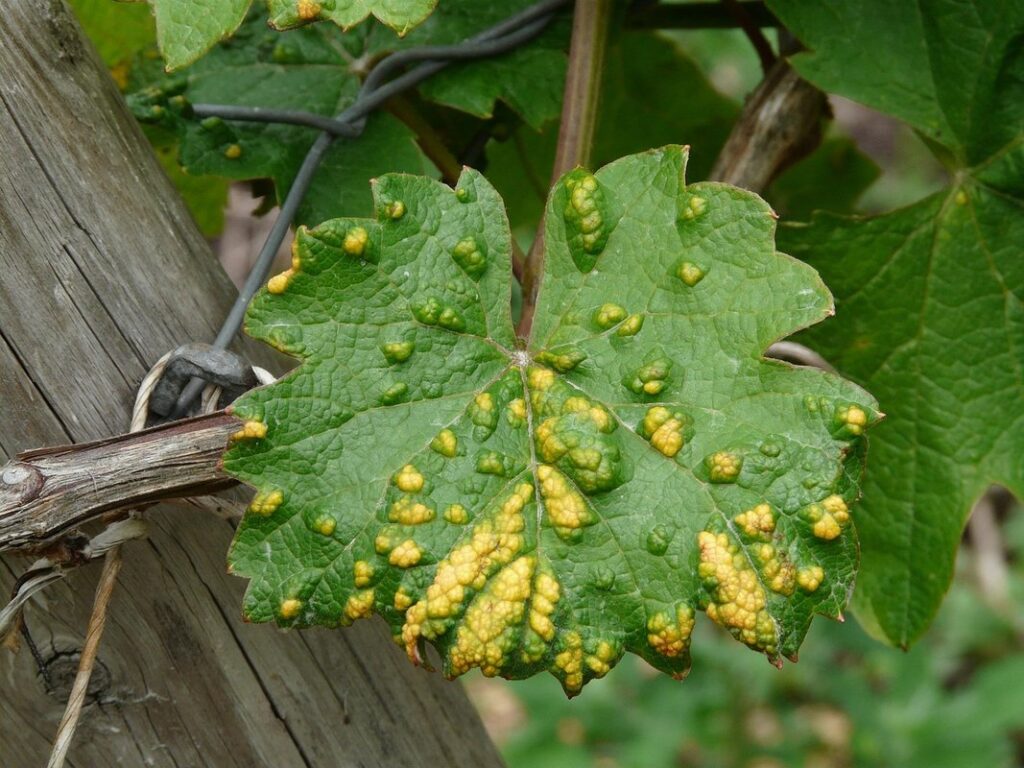
Plant leaf galls are abnormal growths that develop on plant leaves as a result of insect or fungal infestation. These growths can vary greatly in shape, size, and color, but their purpose is often the same: to provide a safe haven for the infesting organism.
Insects such as aphids, beetles, and flies often induce plant leaf galls to protect themselves from predators, harsh weather conditions, or chemical pesticides. For example, some species of psyllid insects create leaf galls that resemble miniature pinecones, providing them with a protective covering. Fungi, on the other hand, may trigger gall formation by producing chemicals that stimulate abnormal growth.
It’s essential to note that not all plant leaf galls are caused by pests or diseases. Some plants, like the oak tree, can develop galls as part of their natural defense mechanism against pathogens or excessive water stress. Regardless of their cause, plant leaf galls can significantly impact a plant’s overall health and productivity.
When identifying plant leaf galls, it’s crucial to understand that some species may be harmless, while others can be detrimental to the plant’s well-being.
Types of Organisms Causing Galls
When it comes to plant leaf galls, various organisms can be responsible for their formation. Insects are one of the primary culprits, and they include beetles, aphids, psyllids, and thrips. These insects typically inject saliva into the plant tissue, which triggers an immune response that leads to gall development.
Some common examples of insect-induced galls include:
* The apple gall mite (Eriophyes lanigerus), which affects apple trees
* The willow gall aphid (Pemphigus betae), which targets willows and poplars
Mites, fungi, and bacteria also play a role in causing plant leaf galls. For instance, certain species of rust fungi can infect plants and cause the formation of galls. Additionally, bacterial infections like crown gall disease (Agrobacterium tumefaciens) can lead to the development of galls.
It’s worth noting that some organisms can be beneficial to the plant, while others can be detrimental. Identifying the type of organism responsible for a particular gall is crucial in understanding its impact on the plant and determining the best course of action for management or control.
Common Types of Plant Leaf Galls
Let’s take a closer look at some of the most common types of plant leaf galls, each with its unique characteristics and causes. From rose galls to willow gall mites, we’ll explore them all.
Leaf Rolling Galls
Leaf rolling galls are a fascinating example of an insect-induced gall that can be found on various plant species. These peculiar growths occur when aphids or other insects feed on the sap of a plant’s leaves, causing the leaf to roll inward and form a protective sac around their bodies. This unique adaptation allows the insects to safeguard themselves from predators while continuing to feed on the plant’s nutrients.
Some common characteristics of leaf rolling galls include the rolled or curled shape of the affected leaf, often accompanied by a sticky honeydew substance that oozes out of the gall. The insect itself may be visible within the rolled leaf, especially if it’s an aphid or another small pest. If you suspect your plants are infested with aphids, inspect them closely for these symptoms and take action promptly to prevent further damage.
When identifying leaf rolling galls, consider factors such as plant health, leaf curling patterns, and the presence of insects within the gall. Keep in mind that some plant species may develop rolled leaves due to environmental stress or disease, so it’s essential to investigate further before treating your plants with pesticides.
Leaf Spot Galls
Leaf spot galls are one of the most common types of plant leaf galls, and they’re often caused by fungal infections. These fungi, such as Septoria and Cercospora, can attack plants through wounds or natural openings like stomata. As a result, the fungus invades the plant’s tissue and triggers an immune response that leads to the formation of a gall.
Septoria leaf spot galls are typically characterized by small, dark spots on the upper surface of leaves, with yellow halos around them. Cercospora galls, on the other hand, often appear as larger, circular patches with concentric rings of discoloration. Both types can weaken the plant and make it more susceptible to further infection.
To prevent leaf spot galls caused by fungal infections, maintain good air circulation, remove weeds that may be harboring disease-carrying fungi, and avoid overhead watering. Regularly inspect your plants for signs of fungal growth, such as white or black powdery patches on leaves or stems. If you notice any symptoms, treat the affected area with a fungicide specifically designed to target leaf spot diseases.
Some common plant species that are prone to leaf spot galls caused by Septoria and Cercospora include lettuce, spinach, and bean plants.
Insect-Induced Plant Leaf Galls
Insect-induced plant leaf galls are a fascinating phenomenon where insects manipulate plants into forming abnormal growths that serve as protection for themselves or their larvae, often taking many different forms. Let’s explore some of these unique types together!
Aphid-Induced Galls
Aphids are one of the most common insect species responsible for inducing galls on plant leaves. These small, soft-bodied insects feed on plant sap, which can trigger a plant’s defense mechanisms and lead to gall formation. Aphid-induced galls are typically formed when aphids inject saliva into the plant tissue, causing cell division and growth that results in an abnormal outgrowth or swelling.
Certain species of aphids, such as Macrosiphum euphorbiae (potato aphid) and Aphis gossypii (cotton aphid), are known to induce gall formation on specific plants. For example, the potato aphid can cause leaf curl galls on potato plants, while the cotton aphid induces stem galls on cotton plants. To identify aphid-induced galls, look for abnormal growths or swellings on plant leaves that are often accompanied by a sticky substance called honeydew.
To manage aphid-induced galls, it’s essential to control aphid populations through integrated pest management strategies, such as introducing natural predators or using insecticidal soap. Regularly inspecting plants and removing infested areas can also help prevent gall formation.
Sawfly-Induced Galls
Sawflies are among the insects that induce plant leaf galls. These insects belong to the order Hymenoptera and are known for their distinctive elongated bodies with a narrow waist. The rose stem sawfly, for example, is a common pest that causes galls on rose plants. Female sawflies lay eggs in the stems or leaves of host plants, which then induce the plant to form abnormal growths.
The oak twig gallwasp is another example of an insect-induced gall, although it’s actually a wasp rather than a fly. These tiny insects inject their eggs into the stems and twigs of oak trees, causing the plant to produce unusual growths that can be mistaken for fungal infections or other types of damage. To identify sawfly-induced galls, look for abnormal growths on plants, particularly in areas where sawflies are known to infest.
Identifying these galls requires a close examination of the affected area and considering factors such as plant species and environmental conditions.
Fungus-Induced Plant Leaf Galls
Fungus-induced plant leaf galls are fascinating, if often frustrating, growths that can appear on your plants due to fungal infections. This section will explore the common characteristics of these types of galls in more detail.
Powdery Mildew-Induced Galls
Powdery mildew-induced galls are a common problem for gardeners and plant enthusiasts. These galls occur when powdery mildew fungi infect the leaves of plants, causing abnormal growths to form as a defense mechanism. The most commonly involved fungal species are Erysiphe cichoracearum and Oidium neolycopersici.
Symptoms include white or grayish patches on the leaf surface, which eventually turn into small, rounded galls. These galls can be solitary or occur in clusters, often accompanied by a sticky substance that attracts aphids and other pests. Infected leaves may also display yellowing or browning of veins, as well as premature defoliation.
To identify powdery mildew-induced galls, look for the characteristic white powder on leaf surfaces, especially during periods of high humidity or rainfall. Inspect your plants regularly to catch early signs of infection and take action before the problem escalates. Practical advice includes using integrated pest management strategies that combine fungicides with cultural controls like pruning infected leaves and improving air circulation around the plant. By recognizing the symptoms and taking prompt action, you can prevent powdery mildew-induced galls from causing significant damage to your plants.
Downy Mildew-Induced Galls
Downy mildew-induced galls are a type of fungal infection that affects various plant species. This disease is characterized by the formation of abnormal growths on leaves, stems, and other plant parts. Downy mildew typically infects plants through water-saturated environments or when spores are carried to the plant via wind.
The symptoms of downy mildew-induced galls include small, rounded or oval-shaped growths that can be white, yellow, or green in color. These growths may have a powdery or fuzzy appearance and often contain fungal hyphae. Affected areas may also develop chlorosis (yellowing) due to the disruption of photosynthesis.
To identify downy mildew-induced galls, inspect plants for these characteristic growths, especially on lower leaves. If you notice any unusual growths, gently scrape off a small portion and examine it under a microscope or with a hand lens to confirm the presence of fungal hyphae.
Some common plant species susceptible to downy mildew include cucumbers, tomatoes, lettuce, spinach, and cole crops like broccoli and cauliflower. Prevention methods include providing good air circulation, removing weeds that can harbor fungal spores, and using fungicides as necessary.
Plant Leaf Gall Identification
Let’s dive deeper into the world of plant leaf galls, and learn how to identify the most common types. We’ll break down their distinctive characteristics and growth patterns.
Key Characteristics for Identification
When examining plant leaf galls, several key characteristics can help gardeners and botanists narrow down their identification. Shape is a primary consideration, with some galls forming rounded protrusions while others develop elongated, cylindrical shapes. Size can also be telling, as certain types of galls tend to grow larger than others.
Color is another distinguishing feature; galls may appear as various shades of green, white, yellow, or even pink. The texture of the gall’s surface can also provide clues, with some being smooth and waxy while others have a rougher, more scaly appearance. For instance, oak apple galls often develop a distinctive woody texture similar to that of an acorn cap.
By paying attention to these visual cues, you can make educated guesses about the type of gall you’re observing. As you continue to study and learn about plant leaf galls, keep in mind that no single characteristic will definitively identify a particular species. It’s often the combination of multiple factors – including shape, size, color, and texture – that provide the most accurate identification.
In addition to these visual characteristics, consider the host plant itself, as certain types of galls are more commonly associated with specific species.
Common Misidentifications
When examining plant leaf galls, it’s not uncommon for gardeners and botanists to misidentify them. One common mistake is confusing a gall with a fungal infection. Fungal diseases often present with symptoms like yellowing leaves, black spots, or a white powdery coating. However, galls typically have a more defined shape and are usually single, whereas fungal infections can spread throughout the plant.
Another frequent misidentification occurs when mistaking a gall for an insect infestation. While insects like aphids, psyllids, or caterpillars can cause damage to leaves, their feeding patterns often result in scattered damage rather than the localized growth associated with galls. Some species of insects, however, can induce gall formation as part of their life cycle.
To accurately identify a plant leaf gall, look for distinct features like size, shape, color, and any visible structures within or around it. Consult reference guides, take notes on observations, and consider the time of year when the gall was noticed – some galls are seasonal or triggered by specific environmental factors.
Prevention and Management of Plant Leaf Galls
Now that you know how to identify different types of plant leaf galls, let’s talk about preventing them from forming in the first place and managing any existing issues. Effective prevention strategies can save your plants a lot of stress.
Cultural Practices
When it comes to preventing plant leaf galls, understanding and adapting cultural practices play a significant role. Pruning is one such practice that can greatly help in gall prevention. Regular pruning helps remove weak and diseased branches, which are more prone to infestation by gall-forming insects or pathogens. It also promotes air circulation around the plants, making it harder for pests to find suitable spots to lay eggs.
In addition to pruning, watering habits also need attention. Over-watering can create an ideal environment for many pests that cause galls. Ensure you’re not overwatering your plants and allow the soil to dry slightly between waterings. Proper fertilization is another crucial aspect. Avoid using excessive amounts of nitrogen-based fertilizers as they can promote weak growth, making plants more susceptible to gall attacks.
Regularly inspect your plants for signs of stress or pest infestations, and take prompt action if you notice any unusual growths. This proactive approach will significantly reduce the likelihood of plant leaf galls forming on your plants.
Chemical Controls
Chemical controls can be a useful addition to an integrated pest management (IPM) strategy for managing plant leaf galls. Systemic pesticides are absorbed by the plant and can provide long-lasting protection against gall-causing insects. These products often contain active ingredients such as imidacloprid or dinotefuran, which target specific pests like aphids, whiteflies, and psyllids that induce leaf galls.
Fungicides can also be effective in managing plant leaf galls caused by fungal pathogens. These products typically contain azoles (e.g., propiconazole) or strobilurins (e.g., azoxystrobin), which inhibit fungal growth and development. However, fungicides are usually more targeted and should only be applied when a fungal infection is confirmed.
Before using chemical controls, it’s essential to identify the cause of leaf galls and consider other management options like physical removal or cultural adjustments. Always follow label instructions for application rates, timing, and safety precautions to minimize risks to people, pets, and the environment.
Conclusion: Importance of Identifying Plant Leaf Galls
In conclusion, identifying plant leaf galls is crucial for gardeners, botanists, and horticulturists alike. By understanding the different types of galls, you can take proactive measures to prevent infestations and protect your plants from potential damage. For instance, if you notice a gall on one of your prized roses, it’s essential to research the specific type of gall and identify its causes to implement effective control methods. This might involve pruning infected areas, adjusting soil conditions, or introducing beneficial insects that prey on gall-inducing pests. By taking prompt action, you can save your plants from further harm and ensure their continued health and productivity.
Frequently Asked Questions
Can I use integrated pest management (IPM) strategies to prevent plant leaf gall infestations?
Yes, using IPM strategies is an effective way to prevent plant leaf gall infestations. This approach involves combining physical, cultural, biological, and chemical controls to manage pests in a holistic manner. By monitoring your garden regularly and identifying potential issues early on, you can take targeted action to prevent the development of galls.
How do I distinguish between different types of insect-induced plant leaf galls?
Distinguishing between different types of insect-induced plant leaf galls requires careful observation and consideration of several factors, including the shape, size, color, and texture of the gall. Additionally, research the specific type of insect that is likely to induce the gall in question, as this can provide valuable clues for identification.
Can I treat fungal-infested plants with fungicides to prevent plant leaf galls?
While fungicides can be effective against certain types of fungi, they may not be enough to completely eliminate fungal infestations and prevent plant leaf galls. It’s essential to identify the specific fungus causing the problem and use a treatment that targets that particular species.
How long does it take for plant leaf gall symptoms to appear after infection?
The time between infection and symptom appearance can vary greatly depending on factors such as the type of organism causing the gall, the severity of the infestation, and environmental conditions. In general, however, you may start to notice symptoms within a few weeks to months after infection.
Can I use neem oil as a preventative measure against plant leaf galls?
Yes, neem oil can be used as a preventative measure against plant leaf galls by disrupting the life cycle of insects and fungi that cause them. Apply neem oil according to label instructions and repeat as necessary to maintain protection.