
When you look at a flower, you might glance over those green parts attached to the base of the petals – but they’re more than just an afterthought. Sepals, as it turns out, play a crucial role in protecting flowers from damage and regulating water loss. They act as a shield against harsh weather conditions and pests, safeguarding the delicate petals and reproductive organs within.
In addition to their protective functions, sepals also contribute to attracting pollinators like bees and butterflies, which is essential for seed development. Without proper protection and care, many flowers would struggle to reproduce and spread their seeds effectively. So, what exactly do these unsung heroes of the plant kingdom do? Let’s dive into the fascinating world of sepal functions and explore how they help flowers thrive.
What Are Sepals and Why Are They Important?
Let’s dive into the fascinating world of sepals, where we’ll explore what they are and why they play a crucial role in protecting delicate flower parts. You might be surprised by their importance!
Structure and Location of Sepals
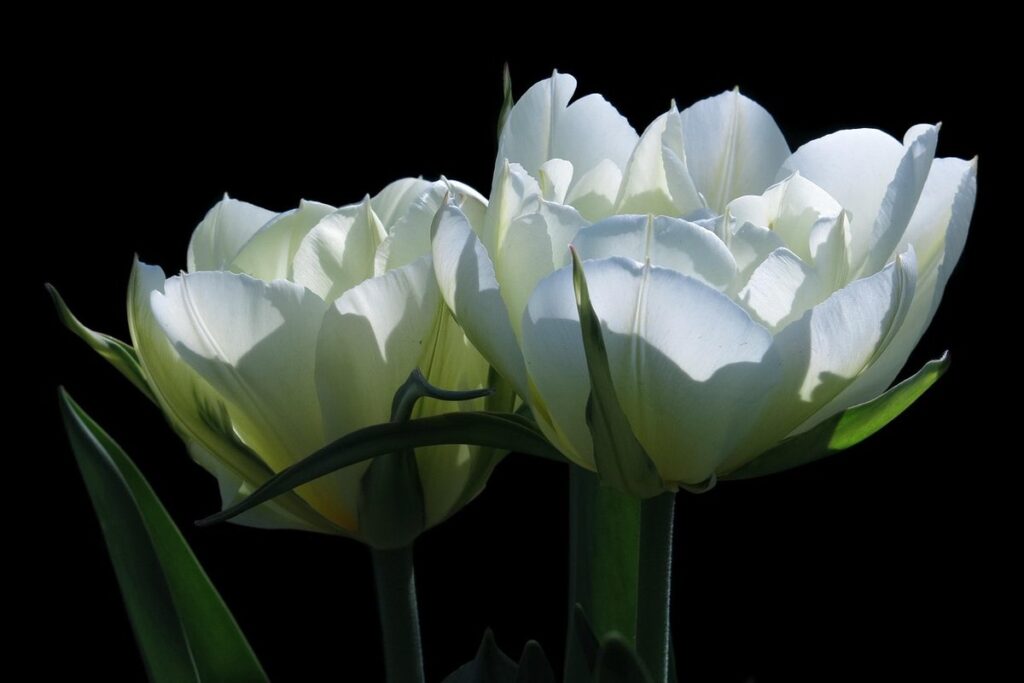
When it comes to the structure and location of sepals, understanding their role is crucial. Sepals are typically located at the base of a flower, where they provide protection for the delicate petals above. They can be found on either side of the stem that supports the flower, often forming a cup-like shape around the bud before it opens.
In terms of their structure, sepals differ from petals in several ways. While petals are often colorful and fragrant, sepals are usually green and non-descript. This is because they’re designed to provide protection rather than attract pollinators. Sepals can also be more rigid than petals, helping them to shield the flower from damage.
To visualize the location of sepals, imagine a rose bud. The green, leaf-like structures that form the outer layer are actually sepals protecting the delicate rose petals within. By understanding where and how sepals function, we can appreciate their importance in the life cycle of flowers.
Types of Sepals and Their Functions
When it comes to sepals, their types and arrangements can vary significantly across different plant species. For instance, some plants have five separate sepals, while others may have them fused together in a single structure called the calyx.
In addition to their varying numbers, sepals also serve distinct functions depending on the type of plant. In orchids, for example, the sepals are often highly modified and serve as a protective barrier around the flower petals. In contrast, some cacti species have sharp, needle-like sepals that provide additional defense against predators.
The arrangement of sepals can also impact their function. For instance, in some plants with bilateral symmetry, the sepals may be arranged symmetrically on either side of the flower stem, while others may have them arranged randomly. Understanding these variations is essential for appreciating the importance of sepals in different plant species and can provide valuable insights for horticulturists and botanists.
By recognizing the unique characteristics of sepals in various plants, we can better appreciate their role in protecting and showcasing flowers. This knowledge can also inform gardening practices, such as selecting plants with suitable sepal arrangements to achieve optimal bloom display.
The Protective Role of Sepals
Let’s take a closer look at how sepals act as a protective shield for flowers, safeguarding delicate petals and promoting healthy growth.
Preventing Damage to Flowers
When it comes to protecting delicate flowers from potential damage, sepals play a vital role. As a shield for flowers, sepals provide an additional layer of defense against insects, wind, and other environmental factors that could harm the petals.
For instance, imagine a flower like the Rose Mallow (Hibiscus moscheutos), which boasts large, showy blooms that are prone to damage from strong winds. The sturdy sepals surrounding the flower help shield it from harsh gusts, allowing the delicate petals to remain intact.
Sepals can also protect flowers from insect damage by encasing the petals and preventing pests like aphids or whiteflies from reaching them. This is particularly important for flowers with fragrant blooms that attract pollinators, but may also attract unwanted insects. To maximize this protection, gardeners can take steps to encourage healthy sepal growth by providing optimal growing conditions, including sufficient water, nutrients, and sunlight.
By taking these simple precautions, gardeners can help ensure their flowers remain safe from damage and continue to thrive throughout the growing season.
Regulating Water Loss and Temperature
Sepals play a crucial role in regulating water loss and temperature fluctuations in flowers. Water loss is a significant concern for many plants, especially those that thrive in arid environments. Sepals help to reduce transpiration by creating a microclimate around the flower bud, shielding it from harsh external conditions. This protective mechanism allows the plant to conserve water and maintain its internal balance.
When temperatures fluctuate wildly, sepals also come into play. They act as an insulating layer, protecting the delicate flower parts from extreme heat or cold. In warm climates, for instance, sepals can prevent scorching by shielding the petals from direct sunlight. Conversely, in freezing conditions, they safeguard the flower from damage caused by ice crystals.
By regulating water loss and temperature fluctuations, sepals ensure that the flower is able to bloom at its optimal time, without being compromised by external stressors. This protective role underscores the importance of sepals in a plant’s overall health and reproductive success. By understanding this function, gardeners can better appreciate the intricate mechanisms at play within flowers.
Reproductive Functions of Sepals
Let’s dive into the fascinating world of sepal reproductive functions, where these often-overlooked petals play a crucial role in seed production and plant reproduction. We’ll explore their key roles in depth.
Attracting Pollinators
Attracting pollinators is one of the most critical roles sepals play in ensuring the successful reproduction of flowers. Sepals contribute to this process by providing a visual signal that attracts bees and butterflies, which are crucial pollinators. One way sepals do this is through their coloration and shape. Many sepals have evolved to be brightly colored or patterned, making them stand out against the background of the flower. For example, the delicate yellow and white sepals of the daffodil trumpet-shaped flowers are highly visible to pollinators.
In addition to visual cues, the scent of sepals can also play a significant role in attracting pollinators. Some plants have evolved to release fragrances from their sepals that attract specific types of pollinators. For instance, the sweet fragrance released by the sepals of certain orchids is known to attract male euglossine bees.
To encourage pollinators to visit your garden, consider planting flowers with vibrant, visible sepals. You can also experiment with growing plants from different parts of the world that have unique scent and color patterns. By creating a diverse and colorful landscape, you’ll be supporting the reproductive functions of sepals in attracting pollinators and ultimately promoting healthy plant reproduction.
Facilitating Pollination
As we’ve discussed the role of sepals in protecting and supporting flowers, it’s essential to explore how they facilitate pollination. For optimal pollination, sepals position themselves in a way that attracts pollinators like bees and butterflies.
Sepals play a crucial role in facilitating pollination by providing a landing platform for pollinators. The shape, color, and arrangement of sepals can attract pollinators, making it more likely for them to visit the flower. For instance, yellow or orange-colored sepals are often associated with attracting bees, which are responsible for around 80% of global crop pollination.
When choosing flowers, gardeners can select varieties that have strategically positioned sepals to facilitate pollination. Consider plants like sunflowers and zinnias, which have large, bright yellow petals that attract pollinators. By placing these flowers in areas with minimal wind and adequate sunlight, you’ll create an ideal environment for pollinators to thrive.
By understanding how sepals position themselves for optimal pollination, gardeners can take steps to create a more effective pollinator-friendly garden.
The Role of Sepals in Seed Development
As we explore the vital functions of sepals, let’s dive into how they play a crucial role in seed development, supporting the growth and protection of young plants.
Protecting Seeds During Growth
As sepals continue to play their protective role, they also take on another crucial function: safeguarding the developing seeds. Once fertilization has occurred, the seeds begin to grow and mature within the flower’s ovary. At this stage, the sepals are still firmly attached to the stem, providing a shield against external damage.
As the seed develops, the surrounding sepals create a protective barrier that shields it from potential threats such as fungal infections or pest infestations. This is especially important in flowers with large or exposed seeds, like those found in daisies or sunflowers. In these cases, the sepals act as a sort of “coat” for the seed, preventing harm and ensuring its safe development.
By maintaining their protective structure throughout the seed’s growth, the sepals play a vital role in ensuring the successful maturation of seeds. This is an essential part of the flowering plant’s life cycle, allowing it to reproduce and propagate successfully. By understanding this crucial function of sepals, we can appreciate the intricate mechanisms at work within flowers, highlighting the importance of these often-overlooked structures.
Facilitating Seed Dispersal
As seeds mature and prepare for dispersal, sepals play a crucial role in protecting them from the environment. By creating a barrier between the seed and its surroundings, sepals aid in seed dispersal by shielding it from harsh weather conditions, pathogens, and other potential threats.
Imagine a delicate wildflower seed being scattered by the wind or picked up by an animal. Without sepals to shield it, the seed would be exposed to the elements, making it vulnerable to damage or desiccation. Sepals act as a protective layer, ensuring that the seed is able to survive and thrive in its new environment.
In fact, some plants have evolved specialized mechanisms for seed dispersal, where sepals play a key role. For example, the seeds of the cottonwood tree are encased in fluffy fibers that help them float away from the parent plant. The sepals of these trees work together with the fibers to create a protective covering that allows the seeds to travel long distances.
By understanding how sepals facilitate seed dispersal, gardeners and botanists can appreciate the intricate mechanisms at play in the natural world. This knowledge can also inform our own practices for cultivating plants and promoting healthy seed development.
Sepal Development and Evolution
Let’s dive into the intricacies of sepal development, exploring how these often-overlooked structures have evolved to play a crucial role in flower formation. We’ll examine their unique characteristics and adaptations.
Genetic Factors Influencing Sepal Shape and Size
The genetic makeup of a plant plays a significant role in determining the shape and size of its sepals. Across different species, variations in sepal morphology have evolved to serve specific functions such as protection, attraction, and support.
Studies have identified several key genes involved in regulating sepal development. For instance, research on Arabidopsis thaliana has shown that mutations in the SEPALLATA gene family can lead to changes in sepal size and shape. Similarly, a study on petunias found that overexpression of the CYCLOIDEA gene resulted in more elongated sepals.
The genetic factors influencing sepal development are often linked to environmental pressures such as pollinator preference or wind resistance. For example, species with large, flat sepals may be better suited for attracting bees and other pollinators. By understanding these genetic interactions, breeders can select for desirable traits in commercial crops, improving their adaptability and yield.
In your own garden, you can take advantage of this knowledge by choosing plant varieties that meet your specific needs. Consider factors such as climate, soil type, and the presence of pollinators when selecting plants with optimal sepal characteristics.
Adaptation of Sepals to Environmental Pressures
Over millions of years, sepals have undergone significant adaptations to survive and thrive in various environmental conditions. One key example is the development of large, waxy sepals in cacti plants, which enable them to conserve water in arid desert environments. In contrast, some tropical flowers like orchids have evolved delicate, almost translucent sepals that allow for maximum sunlight absorption.
Another interesting adaptation can be seen in carnivorous plants such as Venus flytrap and pitcher plant. Their sepals have transformed into modified leaves called “traps” to capture prey, supplementing their nutrient-poor soil with essential nutrients. This remarkable example highlights the diversity of sepal adaptations in response to environmental pressures.
In addition to these specialized cases, many flowers exhibit sepal modifications that enhance their reproductive success. For instance, some species have developed large, showy sepals to attract pollinators like bees and butterflies. In contrast, others may have reduced or modified sepals to deter herbivores or competing plants from accessing their resources.
As we can see, the evolution of sepals has been shaped by diverse environmental factors, leading to a wide range of unique adaptations that aid survival and reproductive success in various ecosystems.
Cultural Significance of Sepals
Let’s explore how sepals have been woven into various cultures, symbolizing protection and new beginnings in art, literature, and even everyday life. We’ll take a look at some fascinating examples worldwide.
Symbolism in Art and Literature
In many cultures and artistic expressions, sepals are imbued with symbolic meaning. Artists often draw inspiration from nature’s intricate designs, and the sepal is no exception. In literature, sepals may be used to convey themes of protection, innocence, or even fragility.
For instance, in William Wordsworth’s poem “I Wandered Lonely as a Cloud”, the poet describes the gentle beauty of daffodils swaying in the breeze, their delicate petals and protective sepals creating an image of serenity. Similarly, in art, sepals are often depicted as delicate, curved structures that shield the flower from harm.
In some cultures, sepals hold deeper symbolic significance. In Japan, for example, chrysanthemum flowers with intact sepals are believed to symbolize longevity and honor for the deceased. On the other hand, in Western cultures, a wilted sepal may be seen as an omen of impending doom or loss.
When interpreting symbolism associated with sepals, it’s essential to consider the cultural context in which they appear. By doing so, you can gain a deeper understanding of the intricate meanings hidden within these delicate structures.
Uses in Traditional Medicine and Crafts
Across various cultures, sepals have been utilized not only for their aesthetic value but also for their medicinal and craft properties. In traditional Chinese medicine, the sepals of certain flowers like the orchid are used to treat respiratory issues due to their antispasmodic properties.
In Ayurveda, an ancient Indian healing system, flower sepals are believed to possess anti-inflammatory qualities, making them a key ingredient in various herbal remedies. For instance, the sepals of the marigold flower are used to create a paste that’s applied topically to soothe skin irritations and reduce inflammation.
In Africa, some cultures employ sepals in traditional crafts, such as basket-weaving and decorative arrangements. The sepals of flowers like the hibiscus and rose are often dried and dyed before being woven into intricate patterns and designs.
Interestingly, the sepals of certain flowers can also be used as natural dyes for fabric, as seen with the example of the turmeric plant’s sepals which impart a vibrant yellow hue. These diverse uses demonstrate the multifaceted role of sepals in traditional medicine and crafts, further highlighting their importance beyond just their structural function.
Conclusion: The Vital Function of Sepals in Flowers
As we wrap up our exploration of sepals, let’s focus on their vital function and what makes them essential to a flower’s overall health. This is where it all comes together!
Recap of Key Points
In conclusion to our exploration of sepals and their role in flowers, let’s recap the key points that highlight their importance. Sepals are often overlooked, but they play a vital function in flower development and overall health. They protect the delicate petals from damage and provide support during pollination.
As we discussed earlier, sepals also contribute to the reproductive cycle by forming part of the receptacle that houses the ovary. This ensures the successful fertilization process, resulting in seed production. Moreover, the arrangement of sepals can be crucial for attracting pollinators like bees and butterflies, showcasing the intricate relationship between flower morphology and its ecological context.
To emphasize their significance, consider the example of flowers with prominent sepal display, such as poppies or hollyhocks, which attract attention through their distinct appearance. By understanding the function of sepals, gardeners can learn how to cultivate more resilient and appealing flowers, while also appreciating the intricate mechanisms that govern flower development.
By recognizing the vital role sepals play in flower development, we gain a deeper appreciation for the beauty and complexity of nature’s design.
Final Thoughts on the Significance of Sepals
As we wrap up our exploration of sepals’ vital function in flowers, it’s essential to reflect on their significance and impact on a flower’s life cycle. Sepals play a crucial role in protecting the delicate petals from damage, ensuring they remain intact until pollination occurs. This protective mechanism is especially critical for plants that rely heavily on wind or insect pollination.
In many plant species, sepals are also responsible for storing essential nutrients, which are then transferred to the developing flower bud. By safeguarding these vital resources, sepals help ensure a strong and healthy bloom.
As we’ve seen throughout this discussion, sepals’ importance cannot be overstated. Their role in supporting the petals, storing nutrients, and contributing to the overall structure of the flower makes them an indispensable part of the plant’s reproductive cycle. When growing your own flowers or studying their behavior, keep in mind the crucial function that sepals play behind the scenes. By understanding and appreciating this vital aspect of flower anatomy, you’ll gain a deeper respect for these often-overlooked yet essential structures.
Frequently Asked Questions
What are the best practices for protecting flowers from pests when their sepals are damaged?
Sepal damage can compromise a flower’s protection, making it vulnerable to pests. To mitigate this risk, use physical barriers like fine-mesh screens or fine-netted bags around the plant to prevent insects from reaching the delicate parts. You can also apply organic pest control methods, such as neem oil or insecticidal soap, to safeguard your flowers.
How do I identify and address sepals that are not performing their protective function?
Identifying issues with sepal performance often requires a closer look at environmental factors like temperature fluctuations or insufficient water supply. Adjust your care routine by providing the right conditions: maintain optimal temperatures between 65-75°F (18-24°C) and ensure proper hydration through consistent watering.
Can sepals contribute to seed development in flowers that don’t rely on pollinators?
In flowers without pollinators, sepals still play a crucial role. While they may not be directly involved in attracting pollinators, they can aid in regulating water loss and temperature fluctuations within the flower bud, creating an ideal environment for seed development.
How do I care for cut flowers with damaged or wilted sepals?
Cut flowers often suffer from damage to their sepals due to handling. To preserve their beauty and longevity, use floral preservatives that help maintain water balance and prevent further bacterial growth. Also, make sure to change the water in vases regularly and provide a stable environment at room temperature.
Can I propagate new plants using sepals?
While sepals are essential for protecting flowers, they typically don’t possess the characteristics needed for successful plant propagation. Instead, focus on taking cuttings from stem sections or leaves of your desired plant species, following proper care guidelines to ensure optimal growth and establishment.