
Are you looking to add some color and vibrancy to your outdoor space without breaking the bank or sacrificing style? Flowering shrubs in pots are an excellent choice, offering a low-maintenance solution for adding visual interest to your patio, balcony, or garden. Not only do they thrive in containers, but many varieties are also drought-tolerant, making them perfect for water-conscious gardeners.
As you’ll discover in this comprehensive guide, choosing the right flowering shrub and pot is just the beginning. We’ll delve into expert advice on selecting drought-tolerant species, preparing the perfect potting mix, and troubleshooting common issues like poor blooming or pests. By following our tips and tricks, you’ll be well on your way to creating a thriving garden in pots that brings joy and beauty to your outdoor space all season long.
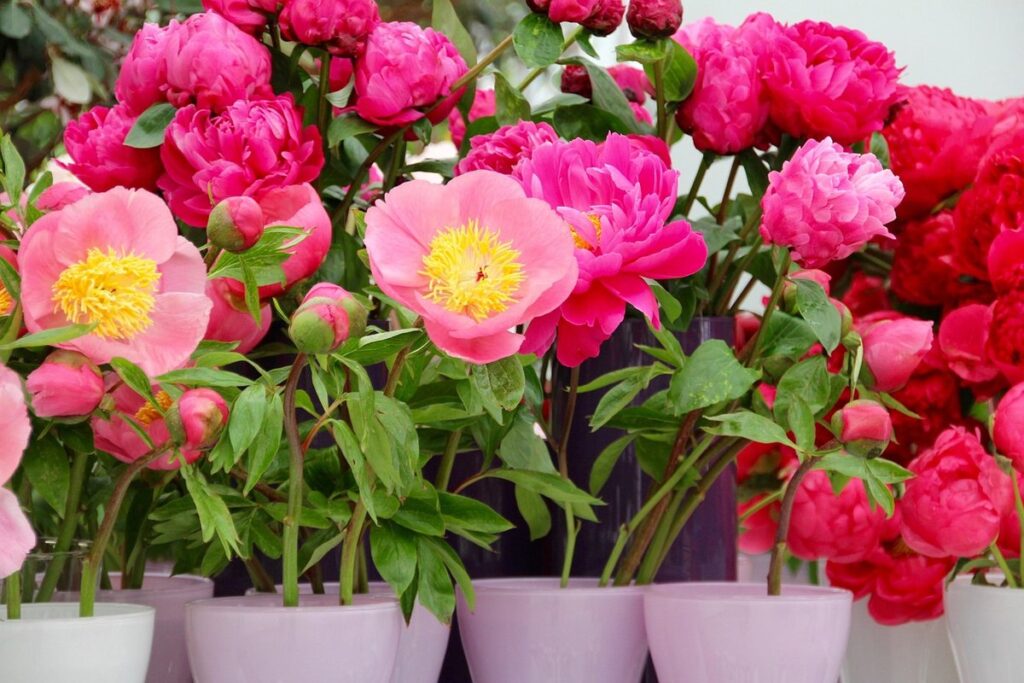
Choosing the Right Flowering Shrubs for Your Garden
When selecting flowering shrubs for your garden, it’s essential to consider factors such as climate, soil type, and maintenance requirements to ensure a thriving display of blooms. This section provides guidance on making informed choices.
Selecting Drought-Tolerant Options
When it comes to selecting drought-tolerant options for your flowering shrub pots, there are several species that stand out from the rest. One popular choice is lavender (Lavandula spp.), a low-maintenance shrub that’s perfect for hot and dry climates. Not only does it conserve water, but its beautiful purple blooms also attract pollinators to your garden. Another option is rosemary (Rosmarinus officinalis), which can thrive in well-draining soil and full sun conditions. Its fragrant flowers are a bonus during the blooming season.
Boxwood (Buxus sempervirens) is another drought-tolerant species that’s perfect for container gardens. It requires minimal watering, but still produces small white blooms in the spring. When selecting these shrubs, be sure to choose varieties that are compact or dwarf, as they will require less water and maintenance than their larger counterparts. Consider planting them in pots with good drainage to prevent waterlogged soil. By incorporating these drought-tolerant species into your flowering shrub pots, you can enjoy beautiful blooms while conserving precious water resources.
Considering Climate and Hardiness Zones
When selecting flowering shrubs for your garden, it’s essential to consider the climate and hardiness zones of your region. This will ensure that you choose plants that thrive in your specific environment, rather than struggling to survive.
Different regions have varying climates and temperature ranges, which can significantly impact the performance of your flowering shrubs. For example, areas with cold winters may require shrubs that are more tolerant of frost, such as the ‘Wintergreen’ boxwood or the ‘Red Robin’ azalea. On the other hand, regions with hot summers may benefit from heat-tolerant options like the ‘Butterfly Bush’ or the ‘Lantana’.
In USDA hardiness zones 3-5, consider shrubs like the ‘Pink Weigela’ or the ‘Hydrangea’, which can withstand harsh winters and still produce vibrant blooms. In zones 6-8, look to plants like the ‘Gardenia’ or the ‘Azalea’, which thrive in warmer temperatures but may need protection from extreme heat. By choosing shrubs suited to your local climate, you’ll set yourself up for a bountiful harvest of colorful flowers and lush foliage.
Preparing the Perfect Pot for Your Flowering Shrub
Before you bring home your new flowering shrub, it’s essential to prepare the pot properly to give your plant a strong foundation and optimal growing conditions. This includes selecting the right container size and material for your shrub’s specific needs.
Selecting the Right Container Size
Choosing the right container size is crucial when it comes to growing flowering shrubs. A pot that’s too small can lead to root-bound plants and stunt growth, while a pot that’s too large can cause waterlogging and increase the risk of disease.
To ensure you’re choosing the perfect size for your plant, start by measuring its current size. Take note of the plant’s diameter at soil level and its height from the ground to the topmost leaves. This will give you an idea of how much room it needs to grow.
A good rule of thumb is to choose a pot that’s about 1-2 sizes larger than your plant’s current container. For example, if your shrub is currently in a 14-inch pot, consider moving it to a 16-20 inch pot. This will give the roots room to expand and the plant enough space to grow new flowers and foliage.
Remember, it’s always better to err on the side of caution when choosing a container size. A slightly larger pot can accommodate for future growth, while a pot that’s too small can cause problems down the line.
Choosing a Well-Draining Potting Mix
When it comes to potting mixes, you want one that’s going to give your flowering shrub the best chance at thriving. A good potting mix should have a few key characteristics that’ll help prevent root rot and other issues.
First and foremost, look for a mix that allows excess water to drain quickly. You don’t want standing water in the pot, as this can cause roots to rot. Check the label for words like “well-draining” or “porous.” A good rule of thumb is to choose a mix with perlite, vermiculite, or sand, which will help excess moisture escape.
Another important factor is the mix’s ability to retain some water, but not too much. You want the soil to stay moist, but also allow for air pockets that’ll promote healthy root growth. A mix with a balanced blend of organic matter and inorganic ingredients should do the trick. Some popular options include Miracle-Gro and Pro-Mix.
When shopping for a potting mix, read reviews and check the ingredient list carefully. You want to avoid mixes that contain too much peat moss or other materials that can retain too much water. By choosing a high-quality potting mix, you’ll be giving your flowering shrub the best chance at a healthy, thriving season.
Planting and Caring for Your Flowering Shrub in a Pot
When it comes to successfully growing your flowering shrub in a pot, proper planting and care are essential. This is where you’ll learn about getting started on the right foot.
Preparing the Soil Before Planting
Before planting your flowering shrub in its pot, it’s essential to prepare the soil for optimal growth and blooming. This involves adding fertilizer or compost to provide your plant with the necessary nutrients for a healthy start.
When selecting a fertilizer, look for one that is specifically designed for acid-loving plants like azaleas and rhododendrons. A balanced fertilizer with an N-P-K ratio of 10-10-10 will also work well for most flowering shrubs. You can either mix the fertilizer into the potting soil or apply it as a top dressing after planting.
Compost is another excellent addition to your potting mix, providing beneficial microorganisms that help break down nutrients and improve soil structure. You can make your own compost at home using kitchen scraps and yard waste, or purchase it from a gardening store.
When choosing a potting mix, opt for fresh one specifically designed for containers. Old potting mixes may contain weed seeds, pests, or diseases that can harm your plant. Fresh potting mixes are formulated to provide optimal water retention and drainage for container-grown plants.
Watering and Fertilizing Tips
Water is essential to keep your flowering shrub healthy and thriving. Check the soil moisture by inserting your finger into the soil up to the first knuckle. If the soil feels dry, it’s time to water. However, overwatering can be detrimental, causing roots to rot and increasing the risk of diseases. To avoid this, make sure not to let the pot sit in a saucer or tray filled with water, as this can cause root rot.
Fertilize your flowering shrub regularly during the growing season (spring-fall) with a balanced fertilizer (10-10-10). Dilute the fertilizer according to the manufacturer’s instructions, and apply it once a month. You can also use an organic option like fish emulsion or compost tea for a more natural approach.
Monitor your flower shrub’s response to watering and fertilizing by observing its growth rate, leaf color, and blooming frequency. Adjust your care routine as needed to ensure optimal health and blooms. For example, if you notice the leaves are turning yellow, it may be due to overfertilization – reduce the fertilizer application or switch to an organic option.
Troubleshooting Common Issues with Flowering Shrubs in Pots
Sometimes flowering shrubs in pots can be finicky, and troubleshooting common issues is key to achieving a healthy and thriving plant. Let’s tackle some of the most common problems you might encounter.
Addressing Overwatering or Underwatering
Flowering shrubs in pots can be finicky when it comes to watering, and overwatering or underwatering is a common issue many gardeners face. If you notice yellowing leaves or droopy stems on your flowering shrub, it’s likely due to an imbalance in the water table.
Overwatering is just as detrimental as underwatering. When roots are consistently waterlogged, they start to rot, causing the plant to weaken and eventually drop its leaves. On the other hand, underwatering causes stress, which can also lead to leaf drop and poor flowering performance. So how do you strike the right balance?
Start by checking your soil moisture by sticking a finger into the pot about an inch deep. If it’s dry, it’s time for water. But if it’s damp or wet, hold off on watering until the top layer of soil feels dry to the touch. You can also adjust your watering schedule based on weather conditions – more frequent watering during hot spells and less often in cooler periods. For example, if you live in a region with high temperatures and low humidity, you may need to water every two to three days.
Dealing with Pests and Diseases
Dealing with pests and diseases is an unfortunate reality when it comes to flowering shrubs in pots. Common culprits include aphids, whiteflies, mealybugs, and spider mites, which can be controlled with insecticidal soap or neem oil. However, root rot and leaf spot are often the result of overwatering or poor drainage.
To prevent these issues, ensure good air circulation around your plant by placing it at least 6-8 inches away from any surrounding containers. Also, use a well-draining potting mix to prevent waterlogged soil. Regularly inspect your plant for signs of pests or disease and take action promptly if you notice anything amiss.
For treatment, start with the most effective method: removing the affected area or pest. Then, apply a fungicide or insecticide specifically designed for indoor plants. As a preventive measure, treat your flowering shrub regularly with a preventative spray during peak pest seasons (usually spring and summer). This will help keep your plant healthy and thriving throughout the growing season.
Adding a Personal Touch: Decorative Ideas for Your Flowering Shrub Pot
Now that you’ve chosen your beautiful flowering shrub pot, let’s add some personal flair to make it truly one-of-a-kind with these creative decorative ideas.
Mixing and Matching Container Styles
One of the most exciting aspects of decorating with flowering shrub pots is mixing and matching different container styles, materials, and sizes. This approach allows you to create a unique and visually appealing display that reflects your personal taste. For instance, pairing a modern, sleek terracotta pot with an ornate, distressed wooden planter can add visual interest and depth to your outdoor space.
You can also combine different textures by layering glass or metal planters over decorative ceramic pots. This not only adds variety but also creates a sense of height and dimension. Alternatively, you can group together smaller containers in various shapes and sizes to create a visually appealing vignette. The key is to experiment with different combinations until you find a look that feels cohesive yet eclectic.
When combining multiple containers, remember to balance scale, texture, and color to avoid visual overload. You can also incorporate decorative accents like ribbons, flowers, or other embellishments to tie the entire arrangement together. With a little creativity, mixing and matching container styles can elevate your flowering shrub pots from ordinary to extraordinary.
Adding Decorative Elements
When it comes to adding decorative elements to your flowering shrub pot, there are countless ways to enhance its appearance and create a visually appealing display. One simple yet effective way is by incorporating mulch or gravel around the base of the plant. Not only does this add a pop of color, but it also helps with drainage and prevents waterlogged soil. Mulch, in particular, acts as a barrier against weeds, suppressing their growth and keeping your pot tidy.
For added visual interest, consider incorporating small ornaments or decorative rocks into your design. You can scatter them around the plant or create patterns using different shapes and sizes. For instance, you could arrange small shells in a circular pattern to mimic the shape of a flower. Be creative and have fun experimenting with different materials and arrangements!
By adding these decorative elements, you’ll not only elevate the aesthetic appeal of your pot but also promote healthy growth and development for your flowering shrub.
Frequently Asked Questions
Can I use indoor plants in my flowering shrub pots if I live in a cold climate?
You can still enjoy flowering shrubs in pots even in a cold climate, but you may need to bring the pot indoors during winter or choose varieties that are hardy enough to tolerate frost. Consider using a cold-hardy variety like Viburnum or Spirea, and make sure your pot is well-insulated to protect the roots from freezing temperatures.
How often should I water my flowering shrub in a pot if it’s not producing blooms?
Check the soil moisture by sticking your finger into the soil up to the first knuckle. If the soil feels dry, it’s time to water. Water your flowering shrub when the top 1-2 inches of soil are dry. This will help prevent overwatering and promote healthy blooming.
What if I accidentally overwater my flowering shrub in a pot? Can it recover?
Yes, most flowering shrubs can recover from overwatering by allowing the soil to dry out completely between waterings. Remove any affected leaves or stems, and repot your shrub in fresh, well-draining soil. Monitor its progress closely to prevent further damage.
How do I choose a potting mix that will provide optimal drainage for my flowering shrubs?
When selecting a potting mix, look for products labeled as “well-draining” or “drainage-enhanced.” These mixes typically contain perlite, vermiculite, or sand to improve soil porosity and prevent waterlogged conditions. You can also add a layer of small rocks or broken pottery at the bottom of your container to further enhance drainage.
Can I use a single large pot for multiple flowering shrubs, or should I use individual pots?
It’s generally recommended to plant each flowering shrub in its own pot to ensure optimal growth and blooming. This will allow you to control watering, fertilization, and pruning for each plant individually, reducing competition between the plants and promoting healthier growth.