
When you step into your garden or visit your local market, you’re likely surrounded by an array of herbs with unique leaf shapes, colors, textures, and patterns. But did you know that these distinctive features are not just aesthetically pleasing – they can also be a powerful tool for identification and use? From the delicate fronds of parsley to the robust leaves of rosemary, each herb has its own distinct character that sets it apart from others.
In this article, we’ll explore how to identify and utilize herbs based on their leaf characteristics, as well as provide guidance on growing and culinary uses. We’ll delve into the world of herb identification, covering everything from the shape and color of leaves to their texture and patterns. Whether you’re a seasoned gardener or just starting out, this article will equip you with the knowledge to make the most of these incredible plants in your cooking and everyday life.
Understanding Leaf Types and Variations
As we delve into the world of herbs, let’s take a closer look at the unique characteristics of their leaves, from delicate fronds to robust foliage. This variation in leaf types is what sets each herb apart.
The Importance of Leaf Shape in Herb Identification
Leaf shape is one of the most critical factors in identifying herbs. A single glance at a leaf can reveal whether it’s from a mint family member, a culinary herb like basil, or even a medicinal plant like St. John’s Wort. Let’s take a closer look at how different shapes can indicate specific herb types.
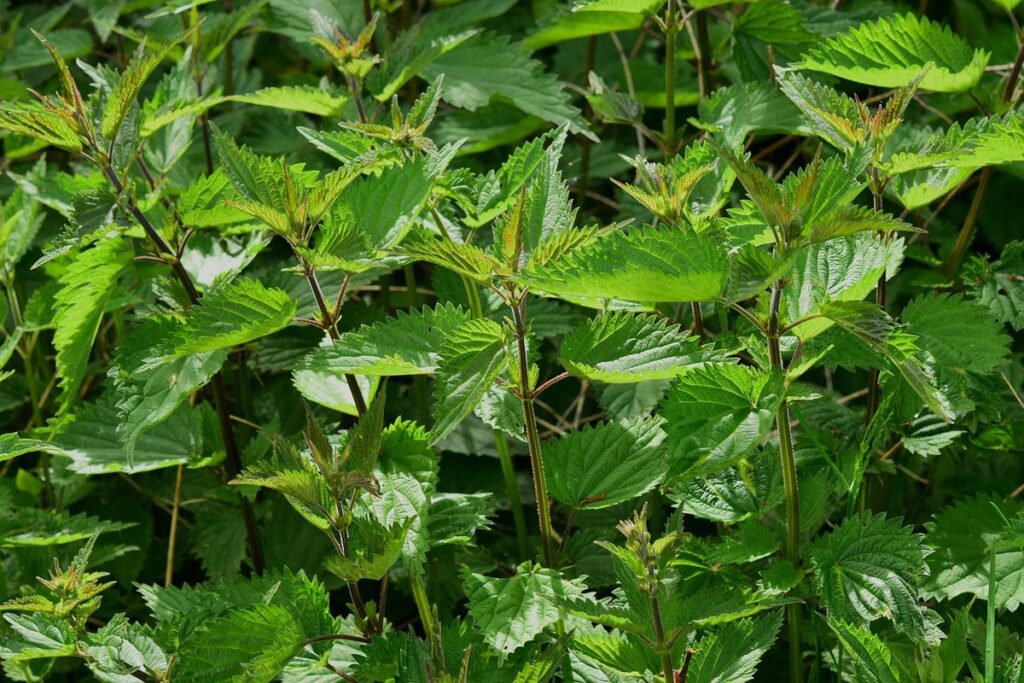
Some herbs have leaves that are deeply lobed or incised, such as the nettle and lemon balm. These leaf shapes indicate that the plant belongs to the Lamiaceae family, which also includes popular herbs like mint, oregano, and rosemary. On the other hand, plants with narrow, pointed leaves like thyme and chamomile often have a completely different set of characteristics.
For example, if you come across a leaf with a distinctive shape resembling a long finger or oval in shape, it could be from a plant like sage or oregano. Remember that these shapes are not absolute indicators but can provide valuable clues when combined with other characteristics like leaf arrangement, size, and color. With practice and experience, you’ll become proficient at recognizing various leaf shapes and identifying the herbs they belong to.
Leaf Arrangement: Opposite, Alternate, or Whorled
When it comes to identifying herbs based on their leaves, one crucial aspect to consider is leaf arrangement. This refers to the way leaves are spaced and arranged on stems and branches. Leaf arrangement can be broadly categorized into three main types: opposite, alternate, or whorled.
Opposite leaf arrangement occurs when two leaves grow directly across from each other on a stem. Basil is a classic example of an herb with opposite leaves. To identify opposite leaves, look for the pattern of two leaves growing side by side on each node (the joint where a leaf meets the stem). This type of leaf arrangement can also be seen in mint and lemongrass.
Alternate leaves, on the other hand, grow one after another along the length of the stem. Chives are a good example of an herb with alternate leaves. To identify alternate leaves, look for the pattern of single leaves growing at regular intervals along the stem.
Whorled leaf arrangement is less common and occurs when three or more leaves emerge from the same point on a stem. Fennel is an example of an herb with whorled leaves.
Leaf Size and Texture as Distinctive Features
When examining herbs based on their leaves, it’s essential to consider two key characteristics: leaf size and texture. These distinctive features can help you identify different herb species and even distinguish between lookalike plants.
Leaf size is a straightforward characteristic that can be measured by counting the number of leaves or estimating their length. For instance, basil leaves are typically small and narrow, usually around 2-3 inches long. On the other hand, sage leaves are larger and more oval-shaped, measuring around 4-6 inches in length. By comparing leaf size, you can quickly eliminate possibilities and narrow down your search for a specific herb.
Leaf texture is another crucial factor to consider. Some herbs have leaves with a soft, velvety texture, like mint or lemongrass, while others have more rigid, pointed leaves, such as rosemary or thyme. Paying attention to leaf texture can help you identify herbs that may look similar at first glance but are actually distinct species.
In some cases, leaf size and texture can be misleading. For example, some varieties of mint have larger leaves with a coarser texture than others, making it difficult to identify them based on these characteristics alone. It’s essential to remember that leaf size and texture should not be the sole factors in identifying an herb – other features like flower color, growth habit, and aroma can also provide valuable clues.
Identifying Herbs by Leaf Color and Patterns
As we continue our exploration of herbs based on their leaves, let’s focus on identifying these plants by their distinctive leaf color and patterns. This unique characteristic can be a great starting point for herb identification.
Green Leaves: Common and Uncommon Variations
Green leaves are perhaps the most common and recognizable feature of herbs. They come in various shades of green, from light minty tones to deep emerald greens. However, within this spectrum, there exist some striking variations that can make identification easier. For instance, basil’s elliptical leaves have a glossy texture and a bright green color, whereas parsley’s leaflets are typically smaller and more fern-like with a silvery sheen.
Some herbs exhibit unique patterns or markings on their green leaves. Chervil’s leaves, for example, display a delicate lobe pattern with pointed tips, while cilantro has long, thin leaves with small white hairs along the veins. Dill leaves also showcase an attractive jagged edge and deep green color with prominent veins.
To appreciate these variations, start by examining the leaf shape, size, and texture of different herbs in your garden or on store shelves. Study how they respond to environmental changes and observe any patterns that emerge over time. Keep a journal or take photographs to document your findings – it’s an excellent way to develop your observational skills and eventually become more confident in identifying herbs by their leaves.
Variegated and Colored Leaves: Unique Characteristics
Herbs with variegated or colored leaves offer unique characteristics that set them apart from their solid-colored counterparts. Take, for instance, the beautiful Coleus plant, whose striking leaf patterns make it a popular choice for ornamental gardens. The distinctive colors and markings on these leaves can serve as distinguishing features when identifying herbs.
One notable example is the Variegated Mint (Mentha x piperita ‘Variegata’), which boasts leaves with creamy white or yellow stripes set against a backdrop of deep green. This eye-catching foliage makes it stand out among other mint varieties, making identification easier for seasoned gardeners and beginners alike.
When exploring herbs with colored leaves, pay close attention to the intensity and distribution of coloration. For example, some basil cultivars display vibrant pink or red hues on their leaves, while others may exhibit subtle white or cream-colored markings. By taking note of these unique characteristics, you’ll be better equipped to identify specific herb varieties in your garden and beyond.
Leaf Spots and Patterns as Diagnostic Features
When examining an herb’s leaves, it’s not just the color that can be telling. Leaf spots and patterns are also valuable diagnostic features for identifying specific species. Take mint (Mentha spp.) as an example: its leaves often feature a distinctive pattern of light green or yellow spots on a darker green background. Similarly, peppermint (Mentha piperita) has larger leaf spots that resemble tiny white stars.
Other herbs exhibit more subtle spotting patterns. For instance, chamomile (Matricaria chamomilla) and dandelion (Taraxacum officinale) leaves often display minute dots or tiny pinpricks on their surface. By paying attention to these details, you can quickly identify the presence of certain herb species in your garden.
If you’re unsure how to interpret leaf spots or patterns, start by examining a healthy plant and noting the specific characteristics of its leaves. Consult with field guides, gardening books, or online resources for guidance on matching your observations with specific herb species.
Leaf Margins: Types of Edges in Herb Identification
When examining the leaves of herbs, one key detail is often overlooked: the shape and texture of their margins. Let’s take a closer look at the different types of edges that can help you identify various herbs.
Entire Leaves: Smooth Edges Throughout
Entire leaves with smooth edges can be an excellent identifier for certain herbs. When it comes to distinguishing between similar-looking plants, even small details like the edge of a leaf can make all the difference.
Take, for example, peppermint and spearmint – both members of the mint family (Lamiaceae) have entire leaves, but peppermint has slightly serrated edges while spearmint’s edges are smooth. Noticing this subtle distinction can help you identify which herb is being used in a recipe or growing in your garden.
In fact, when foraging for wild herbs, it’s essential to pay attention to the margins of leaves as they can greatly affect the overall flavor and aroma of the plant. A simple rule of thumb is that smooth-edged entire leaves tend to be more delicate in taste compared to those with serrated or toothed edges.
To make the most of this identifier, observe how the leaf’s texture changes towards its tip – if it remains even throughout, chances are you’re dealing with an entire leaf.
Lobed or Toothy Leaves: Characteristic Edges
When it comes to identifying herbs based on their leaves, one distinctive feature that can be particularly helpful is the shape and pattern of the leaf edges. Two types of edges worth noting are lobed and toothy. Lobed leaves have deep indentations or “lobes” that give them a wavy appearance. These lobes can vary in depth and number, but they often create an irregular edge to the leaf.
Examples of herbs with lobed leaves include sage and marjoram. When examining these plants, look for the characteristic deep divisions between the lobes, which can make the leaves appear more like miniature versions of oak trees.
Toothy leaves, on the other hand, have small serrations or “teeth” that run along their edges. These teeth are typically smaller than those found on a pair of scissors and may be spaced fairly evenly apart. Thyme is an herb with toothy leaves that can make identification more straightforward due to this distinctive edge pattern.
Keep in mind that while the shape and pattern of leaf edges can provide valuable clues, they should always be considered alongside other characteristics when attempting to identify an herb based on its leaves.
Wavy or Undulate Leaves: Unique Characteristics
Wavy or undulate leaves can be a distinctive characteristic for identifying specific herb species. When examining leaves with wavy margins, look for the way the wave is formed – it may be deep and pronounced, shallow, or have a smooth transition between the edges of the leaf. For instance, the leaves of lemon balm (Melissa officinalis) often exhibit a gentle undulation, while those of licorice root (Glycyrrhiza glabra) tend to have more pronounced wavy margins.
When identifying herbs with wavy or undulate leaves, consider factors such as leaf shape and size, growth habit, and the overall appearance of the plant. For example, sweet woodruff (Galium odoratum) has heart-shaped leaves with wavy edges, whereas the leaves of winter savory (Satureja montana) are typically ovate and have a more subtle undulation.
To develop your skills in identifying herbs based on leaf morphology, practice observing different characteristics of leaves under various conditions. Note how changes in temperature, humidity, or light exposure affect the appearance of wavy or undulate leaves. This increased awareness will enable you to more accurately identify herbs based on their unique leaf features.
Leaf Venation Patterns in Herb Identification
When examining leaves, one crucial detail is often overlooked: the unique patterns of veins that crisscross their surfaces. This distinctive feature can be a key identifier for certain herbs.
Pinnate Venation: Parallel Veins on Either Side
When identifying herbs based on their leaves, one crucial pattern to recognize is pinnate venation. Pinnate venation occurs when parallel veins run on either side of a central midrib, giving the leaf a characteristic feather-like appearance. This distinctive pattern can be a powerful tool in herb identification.
Notable examples of plants with pinnate venation include the leaves of mint (Mentha spp.) and basil (Ocimum basilicum). In these cases, the parallel veins are often prominent and easy to spot. Other herbs, such as lemongrass (Cymbopogon citratus) and yarrow (Achillea millefolium), also exhibit pinnate venation, although it may be less pronounced.
To recognize pinnate venation in a leaf sample, look for two parallel veins that run along either side of the central midrib. The veins should be relatively close together, with no large gaps between them. This pattern can be observed on both the upper and lower surfaces of the leaf. With practice, you’ll become more confident in identifying pinnate venation and using it to narrow down your options when searching for a specific herb.
Palmate Venation: Central Nerve with Branching Veins
Palmate venation is one of the most recognizable and distinctive leaf patterns found in herbs. This pattern is characterized by a central nerve that branches off into multiple veins, giving the leaf a palm-like appearance. Herbs like Palmate, Ashwagandha, and Mulberry display this unique pattern.
When identifying herbs with palmate venation, notice the way the veins radiate from the center of the leaf. In most cases, the central nerve is thicker than the branching veins, forming a distinctive network of lines that resemble a hand’s palm structure. This pattern can be found on both sides of the leaf or predominantly on one side.
Herbs with palmate venation often have ovate or elliptical leaves with pointed tips. The texture and color of the leaves can vary greatly depending on the herb species. For example, Ashwagandha has thin, green leaves with delicate veins, while Mulberry boasts large, heart-shaped leaves with prominent veins.
When foraging for herbs or trying to identify them in a botanical garden, look closely at the leaf pattern and shape. If you spot palmate venation, it can be an important clue in narrowing down the identification process.
Culinary and Medicinal Uses of Herb Leaves
Herbs have been a cornerstone of both culinary delights and medicinal remedies for centuries, and today we’ll explore their uses in cooking and healthcare. Let’s dive into some of the most versatile herb leaves.
Preparing Herb Leaves for Cooking and Medicine
Preparing herb leaves for cooking and medicine involves a few key steps to ensure their optimal flavor and potency. First, choose fresh leaves that are free from damage or signs of decay. Next, gently rinse the leaves with cold water to remove dirt and impurities.
For cooking, you can use various methods to prepare herb leaves depending on the type of dish you’re making. Some common techniques include chopping, tearing, or bruising the leaves to release their oils and flavors. For example, when preparing basil for pesto sauce, it’s best to gently tear the leaves into smaller pieces to ensure they blend smoothly with other ingredients.
For medicinal use, drying is a crucial step to preserve the herb’s potency. You can air-dry the leaves by tying them in small bunches or hang them upside down in a warm, dry place. Another option is to use a food dehydrator on the lowest temperature setting to prevent damage to delicate oils and compounds.
Some herbs, like mint and lemongrass, require more processing before they can be used medicinally. You’ll need to extract their oils through techniques such as infusion or distillation.
Herb Leaf Infusions: Tea and Herbal Remedies
Herb leaf infusions have been a staple in traditional medicine and culinary practices for centuries. These infusions are made by steeping herb leaves in hot water to release their oils, flavor compounds, and medicinal properties. The process is similar to making tea, but the herbs used can range from calming chamomile to stimulating peppermint.
In culinary contexts, herb leaf infusions add a burst of flavor to salads, soups, and sauces. For example, basil-infused olive oil is a popular condiment in Italian cuisine. However, when it comes to medicinal uses, the benefits are more profound. Herbal remedies like chamomile tea can soothe anxiety and insomnia, while peppermint leaf infusion can ease digestive issues.
To make your own herb leaf infusions at home, start by choosing fresh or dried herbs, depending on your preference. Add 1-2 teaspoons of herbs to a cup of boiling water and let it steep for 5-10 minutes. Strain the mixture and enjoy as is or add honey/sugar to taste. Some popular combinations include adding lemon slices to enhance flavor or mixing with other herbs for unique blends. Experimenting with different herb leaf infusions can lead to discovering new favorites and harnessing their medicinal benefits in a holistic way.
Growing and Cultivating Herbs with Distinctive Leaves
Let’s take a closer look at some popular herbs whose unique leaves are just as noteworthy as their flavors. We’ll explore how to grow and cultivate these leafy wonders.
Tips for Growing Herbs with Specialized Leaf Requirements
When growing herbs with specialized leaf requirements, it’s essential to tailor your care routine to meet their unique needs. For instance, herbs like lemongrass and rosemary have large, thick leaves that require more water than average but can be susceptible to root rot if the soil is too moist.
To grow these herbs successfully, make sure to provide well-draining soil and avoid overwatering. You can achieve this by repotting your herb in a container with good drainage holes or using a potting mix specifically designed for plants with high water needs.
On the other hand, herbs like basil and mint have small, delicate leaves that require more gentle care. They tend to do well in partial shade and prefer moist soil, but be cautious not to overwater as this can lead to root rot.
When watering herbs with specialized leaf requirements, it’s crucial to observe their specific needs. Check the soil moisture by inserting your finger into the soil up to the first knuckle, and water only when the top inch of soil feels dry. Additionally, prune or trim your herb regularly to encourage new growth and prevent legginess.
Some other tips for growing herbs with specialized leaf requirements include:
• Providing support: Herbs like lemongrass and rosemary can grow quite tall and may need staking to prevent them from toppling over.
• Monitoring temperature: Some herbs, such as basil and mint, prefer cooler temperatures and can be sensitive to heat stress.
• Using trellises or stakes: For vining herbs like mint and lemon balm, use a trellis or stake to train the stems and promote healthy growth.
Creating a Herb Garden: Selecting Plants with Unique Leaves
When selecting plants for an herb garden that showcases unique leaves, consider the distinct characteristics of each plant. For instance, basil is prized for its delicate purple-veined leaves, while cilantro boasts feathery, lacy foliage. Chervil and tarragon offer a similar look with their fern-like leaves, but chervil has a more delicate appearance.
To create a diverse herb garden featuring plants with striking leaves, think about combining different textures and shapes. Pair the coarse, velvety leaves of opal basil with the bright green, pointed leaves of lemongrass or the soft, rounded leaves of lemon balm. Consider grouping herbs by leaf shape – for example, pairing heart-shaped leaves like those found in mint and rosemary with more linear leaves such as those on thyme.
Remember to choose varieties that thrive together based on their light, water, and temperature requirements. This will ensure your herb garden remains healthy and visually appealing throughout the growing season. By thoughtfully selecting plants with distinctive leaves, you can create a one-of-a-kind garden that’s as unique as it is fragrant and flavorful.
Frequently Asked Questions
How can I apply the knowledge of herb leaf identification to my existing garden or cooking routine?
Take a walk through your garden or pantry, and observe the leaves of each herb plant. Identify which ones have distinctive shapes, colors, or patterns that set them apart from others. Use this newfound knowledge to create unique herbal infusions, pair herbs with complementary flavors, or simply appreciate the beauty of these plants in your daily life.
Can I use herb leaf identification to grow specific types of herbs for medicinal purposes?
Yes! By understanding the characteristics of various herbs’ leaves, you can cultivate specific varieties that meet your medicinal needs. For example, certain herbs like St. John’s Wort have distinctive leaf patterns and colors that are easily recognizable. Growing these herbs with care and attention will allow you to harvest them for use in herbal remedies.
What are some common mistakes people make when growing or using herbs with unique leaves?
One common mistake is not providing the specific growing conditions required by each herb. For instance, plants like rosemary require well-draining soil and full sun, while others like mint prefer partial shade and moist environments. Make sure to research the individual needs of your herbs to avoid disappointment.
How can I incorporate more visually appealing herbs into my garden or cooking space?
Consider selecting herbs with striking leaf patterns or colors to add visual interest to your garden or kitchen. For example, Thai basil’s variegated leaves or cilantro’s delicate fronds can add a pop of color and texture to any dish or arrangement. Use these unique features as inspiration for creative displays or pairings.
Can I use herb leaf identification to create new recipes or flavor combinations?
Absolutely! By understanding the characteristics of various herbs’ leaves, you can experiment with new pairings and flavors in your cooking. For example, combining herbs like basil and mint based on their similar leaf shapes or contrasting them for a unique taste experience. Experimenting with different herbal infusions can also lead to exciting discoveries and flavor combinations.