
If you’re a gardener who loves raspberries but hates the hassle of those pesky thorns, you’re in luck! Growing thornless raspberry plants is a game-changer for anyone who wants to enjoy the delicious fruit without the risk of getting scratched or poked. Not only are these thorn-free gems easier to handle and harvest, but they also offer a range of benefits that make them an excellent choice for gardeners of all levels.
In this article, we’ll explore the advantages of growing thornless raspberry plants, from their ease of care and maintenance to their superior flavor and texture. We’ll also delve into how to choose the right variety for your climate and needs, as well as provide expert tips on pruning, fertilizing, and harvesting these wonderful plants. By the end of this article, you’ll be ready to grow your own thornless raspberries and enjoy a bountiful harvest all season long!
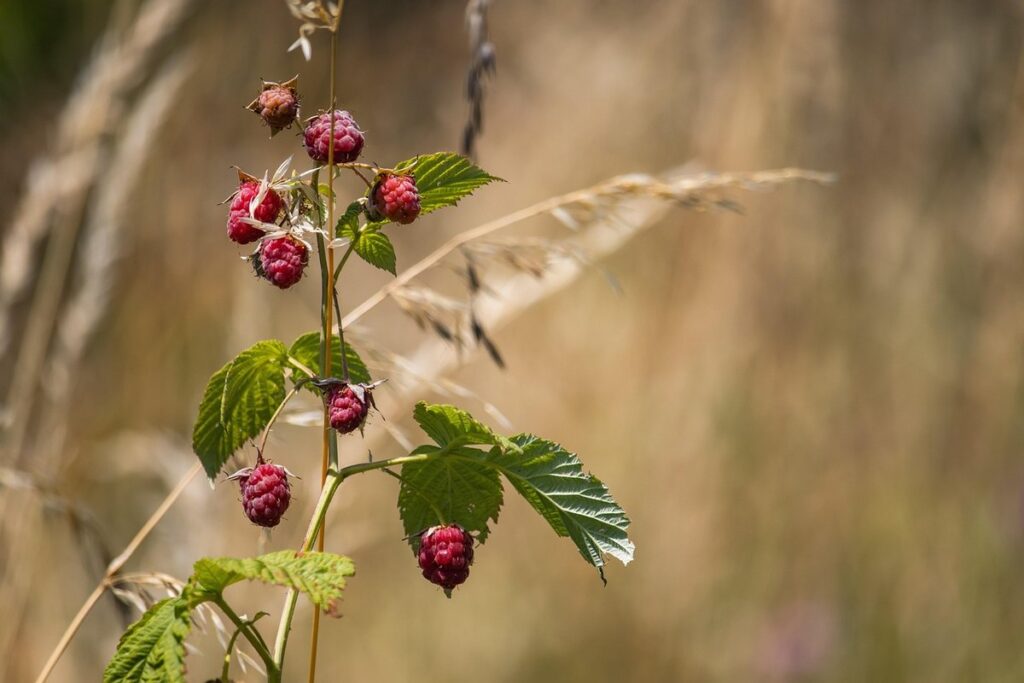
Understanding Thornless Raspberries
You may be wondering how thornless raspberries came to exist and what makes them so different from their prickly counterparts, and we’re excited to dive into the science behind this amazing innovation.
What are Thornless Raspberries?
Thornless raspberry varieties have been a game-changer for gardeners and consumers alike. These plants owe their thorn-free nature to careful breeding and selection over the years. The first thornless raspberries were developed in the 1960s by plant breeders, who crossed existing raspberry varieties with other species like blackberries or wild raspberries.
Today, there are numerous thornless raspberry varieties available, each with its unique characteristics and advantages. Unlike traditional raspberries that grow with sharp thorns, thornless raspberries produce canes with minimal to no thorns at all. This makes them not only more accessible for people with limited mobility or hand dexterity but also easier to maintain and prune.
One of the most popular thornless raspberry varieties is ‘Autumn Bliss’, which produces high yields of delicious and sweet fruit. Other notable varieties include ‘Fall Gold’ and ‘Heritage’. When choosing a thornless raspberry variety, consider factors like climate tolerance, disease resistance, and flavor profile to ensure you get the best results for your specific growing conditions.
Advantages of Growing Thornless Raspberries
Growing thornless raspberries offers numerous advantages that make them an attractive choice for gardeners of all skill levels. One of the most significant benefits is the reduced risk of injury associated with traditional raspberry plants. Their thorns can cause painful cuts and scratches, especially when harvesting or pruning. In contrast, thornless varieties eliminate this concern, allowing you to enjoy your raspberries without worrying about getting hurt.
Another advantage of growing thornless raspberries is that they make harvesting easier. Without the obstacles presented by thorny stems, you can simply pluck your ripe berries from the plant, reducing labor and increasing efficiency. This is especially beneficial for those who have limited mobility or arthritis, as it minimizes strain on their hands and wrists.
Thornless raspberries also promote improved accessibility for people with disabilities. Their thorn-free nature allows individuals with mobility impairments to tend to their plants without difficulty, making gardening a more inclusive activity.
Benefits of Thornless Raspberries in Gardening
Thornless raspberries are a game-changer for home gardeners, offering numerous benefits that make them an ideal choice for families and beginners alike. In this section, we’ll explore these advantages in more detail.
Reduced Maintenance
One of the most significant advantages of growing thornless raspberry plants is their reduced maintenance requirements. Unlike traditional varieties, which require regular pruning to control their height and encourage fruiting, thornless raspberries are bred to be more compact and naturally self-controlling.
As a result, you’ll spend less time each year pruning your thornless raspberry canes, freeing up space in your garden for other fruits or vegetables. This not only saves you time but also reduces the risk of damage to the plant from over-pruning. Plus, with fewer thorns to remove, you’ll have less chance of getting scratched or poked while working with the plants.
In fact, some thornless raspberry varieties are even marketed as “no-care” options, perfect for busy gardeners who want a low-maintenance fruiting plant. By choosing a thornless variety, you can enjoy the benefits of homegrown raspberries without sacrificing precious time or energy to their upkeep.
Increased Yield
One of the most significant advantages of growing thornless raspberries is the improved air circulation around the plant. This might seem like a minor detail, but it has a profound impact on the overall health and productivity of your raspberry bush. When you don’t have to contend with thorns, you can space the plants closer together, which increases the area where new growth can occur.
This increase in density not only allows for better air circulation but also promotes healthy competition among the canes. As a result, the plants are able to share resources more efficiently, leading to increased yields and improved fruit quality. In fact, studies have shown that thornless raspberry varieties often produce up to 20% more berries than their thorny counterparts.
By growing your raspberries without thorns, you’ll also find it easier to inspect the plants for signs of disease or pests. With unobstructed access to the foliage and fruit, you can catch potential issues early on, reducing the risk of damage and ensuring a healthier harvest.
Choosing the Right Thornless Raspberry Variety
Now that you’ve decided on thornless raspberries, it’s time to choose the perfect variety for your garden. With so many options available, we’ll help you narrow down the best choice.
Factors to Consider
When selecting a thornless raspberry variety, there are several key factors to consider. First and foremost, think about your climate. Thornless raspberries typically thrive in USDA zones 3-8, but some varieties can tolerate warmer or cooler temperatures. For example, ‘Fall Gold’ is suitable for warmer climates, while ‘Prelude’ prefers cooler temperatures. Check the specific growing requirements for each variety to ensure it will perform well in your area.
Another crucial factor is soil type. Thornless raspberries prefer slightly acidic to neutral soils with a pH between 5.5 and 6.5. If your soil is heavy clay or sandy, you may need to amend it to create a suitable growing environment. Consider the drainage and nutrient levels of your soil when selecting a thornless raspberry variety.
Finally, consider your desired flavor profile. Some thornless varieties are sweeter and more prone to disease, while others are tart and more resistant to pests. ‘Autumn Bliss’ is known for its sweet-tart flavor, while ‘Summit’ has a slightly sweeter taste. By considering these factors, you can choose the perfect thornless raspberry variety for your garden.
Popular Thornless Raspberry Varieties
When choosing a thornless raspberry variety, there are several popular options to consider. One of the most well-known is ‘Autumn Bliss’, which produces deliciously sweet and tender fruit in mid-to-late summer. This variety is known for its high yields and disease resistance, making it an excellent choice for gardeners.
Another popular option is ‘Fall Gold’, which boasts a unique golden color and exceptional sweetness. It’s also highly resistant to black spot and powdery mildew, common diseases that affect raspberry plants.
For those who prefer a more compact growth habit, ‘Polka’ is a great option. This variety produces smaller fruit but has a lower maintenance requirement due to its compact size. It’s perfect for small gardens or containers.
Finally, ‘Autumn Treasure’ is another popular choice among gardeners. It produces large, dark red berries and has excellent flavor and texture. It’s also relatively low-maintenance and resistant to most common diseases.
Care and Maintenance of Thornless Raspberries
To keep your thornless raspberries thriving, you’ll need to focus on regular watering, pruning, and fertilization to promote healthy growth and fruit production. Proper care will also help prevent common pests and diseases.
Planting and Soil Preparation
When planting thornless raspberries, it’s essential to get the soil preparation right. Thornless raspberry plants prefer a well-draining, fertile soil that is rich in organic matter. Test your soil pH and adjust it if necessary, as thornless raspberries thrive in slightly acidic to neutral soils with a pH between 5.5 and 7.0.
Before planting, dig the area to a depth of about 12-18 inches, loosening the soil to allow for easy root growth. Add a mix of compost or well-rotted manure to improve soil fertility and structure. Space thornless raspberry plants about 2-3 feet apart, depending on their mature size and growing conditions.
Aftercare is also crucial. Water your thornless raspberries regularly during the first year after planting, but avoid overwatering, which can lead to root rot and other problems. Mulch around the base of the plants to retain moisture, suppress weeds, and regulate soil temperature. This will help your thornless raspberry plants establish a strong root system and thrive for years to come.
Watering and Fertilization Needs
Thornless raspberry plants have similar watering needs to traditional raspberries. It’s essential to provide them with about 1 inch of water per week, either through rainfall or irrigation. To avoid overwatering, which can lead to root rot and other issues, make sure the soil drains well before introducing your plant to its new location.
When it comes to fertilization, you’ll want to use a balanced fertilizer that contains nitrogen, phosphorus, and potassium. A 10-10-10 formula is an excellent starting point for raspberry plants. Apply the fertilizer in early spring when new growth begins, following the manufacturer’s instructions for application rates.
During the growing season, feed your thornless raspberries every 4-6 weeks with a high-phosphorus fertilizer to promote fruiting and flowering. This will help increase yields and encourage repeat cropping. Keep in mind that overfertilization can harm your plants, so it’s crucial to follow these guidelines carefully.
Monitor your plant’s response to fertilizers by observing its growth and fruit production. Adjust the application schedule as needed based on its performance.
Pest and Disease Management for Thornless Raspberries
To keep your thornless raspberry plants thriving, you’ll need to know how to prevent common pests and diseases that can quickly ruin a harvest. We’ll walk you through effective management strategies next.
Common Pests Affecting Raspberries
When it comes to growing thornless raspberries, one of the most significant challenges is managing pests that can damage the plants and reduce yields. Some common pests affecting raspberries include aphids, Japanese beetles, and spider mites.
Aphids are small, soft-bodied insects that feed on plant sap, causing curled or distorted leaves. They can also transmit diseases like raspberry mosaic virus. To control aphid infestations, use neem oil or insecticidal soap to spray the plants every 7-10 days during peak aphid season. Encourage beneficial insects like ladybugs and lacewings, which prey on aphids.
Japanese beetles are another common pest that feeds on raspberry leaves, causing significant damage. These beetles can also be attracted to nearby flowers and trees. To control Japanese beetle populations, use Bt (Bacillus thuringiensis) or hand-pick them during the night when they’re most active.
Spider mites are tiny, eight-legged arachnids that feed on plant sap, causing yellowing leaves and fine webbing. They thrive in dry conditions and can be controlled by increasing humidity around the plants or using neem oil to suffocate them.
Regularly inspect your thornless raspberry plants for signs of pests and take action promptly to prevent infestations from spreading.
Managing Diseases in Thornless Raspberries
As you cultivate your thornless raspberry plants, it’s essential to be aware of the potential diseases that can affect them. Among the most common issues are blackleg, crown gall, and powdery mildew. Blackleg is a fungal disease caused by Leptosphaeria coniothyrioides, which can enter the plant through wounds or cuts in the cane. To prevent this, ensure you handle your plants with care, avoiding any unnecessary damage to the stems.
Crown gall, on the other hand, is caused by Agrobacterium tumefaciens and can lead to the formation of tumors on the crown of the plant. This disease spreads through contaminated pruning tools or planting infected nursery stock. To prevent crown gall, use sterile equipment when pruning your thornless raspberries.
Powdery mildew is another common issue in raspberry plants, caused by fungi such as Podosphaera aphanis. It manifests as a white powdery coating on the leaves and can lead to reduced yields if left untreated. To control powdery mildew, ensure good air circulation around your plants, remove any infected leaves, and apply fungicides as needed.
Preventing these diseases is often more effective than treating them after they’ve taken hold. Regularly inspect your thornless raspberry plants for signs of disease and take action promptly if you notice any issues.
Harvesting and Storing Thornless Raspberry Fruits
Now that you’ve learned how to care for your thornless raspberry plants, let’s dive into harvesting and storing their delicious fruits to enjoy all season long. We’ll cover everything from ripeness to preservation techniques.
When to Harvest
When it comes to harvesting thornless raspberries, timing is everything. The optimal time to pick your berries depends on their color, texture, and flavor. Generally, you’ll want to harvest thornless raspberries when they’re fully ripe, as this ensures the best taste and texture.
One of the easiest ways to determine if your raspberries are ready is to check their color. Ripe berries will be a deep red or purple hue, depending on the variety. If they’re still green or pale, give them a few more days to ripen. Avoid over-ripe berries, as they can become mushy and lose their flavor.
For optimal flavor and texture, harvest thornless raspberries in the morning, after the dew has dried but before the heat of the day sets in. This helps preserve the natural sweetness and tenderness of the fruit. You can also try gently tugging on a berry; if it comes off the plant easily, it’s ready to eat.
By harvesting your thornless raspberries at the right time, you’ll enjoy a bountiful crop with exceptional flavor and texture.
Storage Tips
When it comes to harvesting thornless raspberry fruits, storing them properly is crucial to maintain their quality and shelf life. Here are some storage tips to help you enjoy your delicious harvest for a longer period.
Firstly, always handle the fruits gently to avoid bruising or damaging them. This will prevent spoilage and ensure that they remain fresh for a longer time. It’s also essential to store them in a cool, dry place away from direct sunlight. You can store them in a refrigerator at a temperature of around 32°F (0°C) to slow down the ripening process.
If you plan to store the fruits for an extended period, consider freezing or dehydrating them. Freezing will help preserve the texture and flavor of the fruit, while dehydrating will make it easy to store and transport. To freeze, simply wash, dry, and pack the fruits in airtight containers or freezer bags. For dehydration, pre-treat the fruits with a mixture of sugar and lemon juice before placing them on the dehydrator trays.
When storing thornless raspberry fruits, it’s also essential to monitor their moisture levels. If the fruits become too moist, they may develop mold or rot, which can be detrimental to their quality. To maintain optimal moisture levels, store them in a well-ventilated area and check on them regularly.
Frequently Asked Questions
Can I grow thornless raspberries in containers?
Yes, thornless raspberry plants can thrive in containers, but make sure to choose a container that’s at least 12-18 inches deep and has good drainage holes. This will allow for proper root development and prevent waterlogged soil.
How often should I fertilize my thornless raspberry plants?
Fertilize your thornless raspberries regularly during the growing season, ideally every 4-6 weeks. Use a balanced fertilizer (10-10-10 NPK) to promote healthy growth and fruit production. However, avoid over-fertilizing, as this can lead to excessive foliage and reduced yields.
Can I prune my thornless raspberry plants in the winter?
No, it’s best to prune your thornless raspberries during their dormant season, which is typically in late winter or early spring. Pruning during the growing season can stimulate new growth, making the plant more susceptible to disease and pests.
How do I prevent common pests like aphids and spider mites from affecting my thornless raspberry plants?
To prevent common pests like aphids and spider mites, keep your thornless raspberry plants healthy by providing adequate water, nutrients, and pruning regularly. Also, use neem oil or insecticidal soap to control infestations if you notice any issues.
Can I harvest thornless raspberries in the first year after planting?
No, it’s recommended to wait until the second growing season after planting before harvesting your thornless raspberry plants. This allows them to establish a strong root system and produce more fruit. Be patient, as this will pay off with a bountiful harvest in subsequent years!