
As autumn sets in, many of us enjoy taking long hikes or walks through the crisp fall foliage. However, for those who live in or visit California and the Pacific Northwest, this season brings an unwelcome guest: poison oak leaf fall. If you’re one of the estimated 80% of people who are sensitive to urushiol oil, the allergen found in poison oak, then you know how uncomfortable and even painful it can be to come into contact with these pesky plants. Poison oak’s life cycle is designed to spread its seeds through fallen leaves, which can remain potent for years. In this article, we’ll explore how to identify poison oak during its leaf fall phase, as well as provide prevention strategies to minimize exposure and protect your skin from urushiol oil.
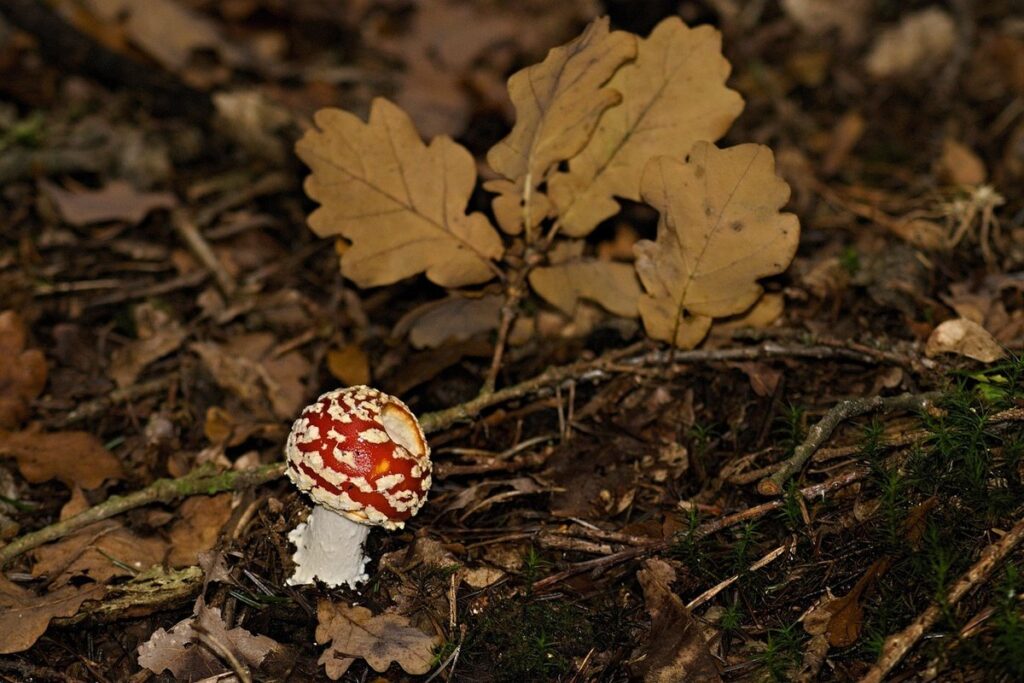
The Dangers of Poison Oak
When poison oak leaves fall, they can spread urushiol oil far and wide, putting you at risk for a painful rash if you’re not careful about how you handle them.
What is Poison Oak?
Poison oak is a plant species that’s native to western North America, and it’s responsible for some pretty nasty allergic reactions. But what exactly makes it so problematic? The culprit behind the chaos is a chemical called urushiol oil, which is present in every part of the plant – from its leaves and stems to its roots.
When you come into contact with poison oak, whether through skin-to-plant contact or even just by touching clothing that’s been exposed, your body reacts to the urushiol oil. This reaction causes an allergic response, characterized by redness, itching, blistering, and in severe cases, even open sores. The severity of the symptoms can vary depending on individual tolerance, but most people experience some level of discomfort.
It’s worth noting that exposure to poison oak doesn’t necessarily mean you’ll react severely; however, it’s also impossible to know how your body will respond until you’re exposed. To put this into perspective, an estimated 50-90% of the North American population is allergic to urushiol oil. With poison oak leaf fall in full swing, being aware of the risks and taking preventative measures can go a long way in minimizing potential discomfort.
How Does Poison Oak Cause Allergic Reactions?
When you come into contact with poison oak, whether through accidental exposure while hiking or gardening, it’s the urushiol oil that causes the allergic reaction. This potent oil is found in the sap of the plant and can be transferred to your skin through direct contact with leaves, stems, or even roots.
The urushiol oil binds quickly to your skin cells, causing a range of reactions, from mild discomfort to severe blisters and rashes. Within 12-48 hours after exposure, you may start experiencing symptoms such as itchy red patches, raised blisters, or small bumps on the affected areas. In some cases, the reaction can lead to swelling, blistering, or even open sores.
It’s worth noting that you don’t need to see the plant in its entirety to be exposed to urushiol oil – just a single leaf can cause an allergic reaction. This makes poison oak particularly tricky to avoid during fall when leaves are scattered on trails and sidewalks. To minimize your risk, make sure to wear protective clothing, including long sleeves, pants, and gloves, whenever you’re venturing outdoors in areas where poison oak is present. Regularly washing your clothes after exposure can also help reduce the likelihood of a severe reaction.
Identifying Poison Oak Leaves
When venturing outdoors during leaf fall season, it’s essential to be able to identify poison oak leaves to avoid exposure and potential irritation. Let’s take a closer look at their distinct features.
Seasonal Growth Patterns
When it comes to identifying poison oak leaves, understanding their growth patterns is crucial. Poison oak typically grows as a shrub or small tree, and one of the distinctive features of its new growth in the spring is the presence of oval-shaped leaves with lobed or deeply toothed margins.
These unique characteristics can help you identify poison oak, especially during the fall season when other plants may have similar-looking leaves. For instance, the western poison oak (Toxicodendron diversilobum) has deep-lobed or deeply toothed leaves that are typically 1-4 inches long and have a pointed tip.
It’s essential to note that poison oak leaves can vary in shape and size depending on the age of the plant and growing conditions. However, if you notice new growth with distinctive lobes or teeth, it’s likely poison oak. Be cautious when handling any unknown plants, as even small amounts of urushiol oil can cause a severe reaction.
Leaf Characteristics
When it comes to identifying poison oak leaves, paying attention to their characteristic shape and appearance is crucial. As mentioned earlier, the leaves are typically 1-2 inches long, which can be a bit smaller than you might expect from common oak trees.
One distinctive feature of poison oak leaves is the presence of three to five pointed lobes on each leaflet. These lobes give the leaves their characteristic “lobed” or “toothed” appearance. It’s essential to note that the number and shape of these lobes can vary, but as a general rule, they tend to be fairly symmetrical.
If you take a closer look at the underside of a poison oak leaf, you might notice a reddish tint or fine hairs scattered across its surface. This is another distinguishing feature of poison oak leaves. To be on the safe side, it’s always a good idea to err on the side of caution and assume any unknown leaf is poison oak until proven otherwise.
In particular, if you’re out hiking or exploring in areas where poison oak is common, try to get into the habit of examining your surroundings regularly for signs of these telltale leaves.
Poison Oak Leaf Fall Patterns
When it comes to dealing with poison oak leaf fall, understanding its patterns is crucial for effective prevention and management. Knowing when and where leaves are likely to drop can help you avoid exposure altogether.
Understanding the Life Cycle of Poison Oak
Understanding poison oak’s life cycle is essential to grasping its leaf fall patterns. This plant undergoes a two-year life cycle, with new growth emerging each spring after a winter dormant period. During the first year, tiny leaves and stems called cotyledons develop from seedlings that have sprouted in the fall or early spring.
As the seasons change, these initial leaves turn yellow and drop off by late summer, making way for more mature foliage to grow during the second year. As the second year progresses, larger, lobed leaves with three distinct leaflets take shape. These are the characteristic features of poison oak that cause its notorious allergic reactions.
It’s worth noting that some poison oak plants can produce new growth in certain seasons, depending on environmental factors like temperature and moisture levels. However, a general understanding of this life cycle pattern will help you anticipate when to expect leaves to fall and how often new growth appears.
When Does Poison Oak Typically Drop Its Leaves?
As we dive into the specific details of poison oak leaf fall patterns, it’s essential to understand that autumn and early winter mark a crucial period for poison oak trees. During this time, they naturally shed their leaves as part of their life cycle. This process can significantly increase the risk of exposure to urushiol oil, the allergenic sap responsible for triggering severe skin irritation in many individuals.
As the temperature cools down and daylight hours shorten, poison oak trees prepare for dormancy by releasing their leaves. The exact timing may vary depending on your location, climate, and weather conditions. In general, you can expect to see a significant amount of leaf drop around late September or early October in warmer regions and late November or December in cooler climates.
To minimize exposure risks during this period, try to avoid areas with dense poison oak growth, especially after rainfall when the urushiol oil is more readily released from the leaves.
Prevention Strategies for Avoiding Poison Oak Leaf Fall
If you’re looking to avoid getting exposed to poison oak’s irritating oils, there are several prevention strategies that can help minimize your risk. Let’s explore some effective ways to stay protected during peak leaf fall seasons.
Personal Protective Equipment (PPE)
When venturing into areas where poison oak may be present, it’s crucial to take preventive measures to avoid exposure. One of the most effective strategies is wearing Personal Protective Equipment (PPE). This includes donning long sleeves, pants, and gloves that cover your skin.
When selecting PPE for poison oak prevention, look for clothing made from thick, durable materials like cotton or polyester blends. Avoid thin or loose-fitting clothes that can easily brush against irritant plants. It’s also essential to choose gloves that fit snugly over your hands and wrists to prevent any exposure.
For example, consider investing in a pair of gardening gloves with built-in grips for better dexterity. You can also opt for long-sleeved shirts and pants made from waterproof materials to provide extra protection against urushiol oil. Remember, it’s not just about the type of PPE you wear but also how well you maintain them. Washing your clothes in hot water as soon as possible after exposure can help prevent further irritation.
Identification and Removal
When it comes to avoiding poison oak leaf fall, knowing how to identify the plants is crucial. Poison oak (Toxicodendron diversilobum) is a common plant found throughout much of North America, particularly in California and the Pacific Northwest. It’s easy to mistake for its harmless lookalikes, such as oak or maple trees, but it’s essential to be able to distinguish between them.
To identify poison oak, look for three distinct features: lobed leaves with pointed tips, a shiny green color, and an alternating pattern on the stem. The leaves can range in size from 1-5 inches long, and they’re often arranged in clusters. If you’re still unsure, remember that poison oak sap is clear or yellowish in color and has a strong, acrid smell.
Removing poison oak plants from your property can significantly reduce the risk of exposure. Start by wearing protective clothing, including gloves, long sleeves, and pants. Use a systemic herbicide specifically designed for poison oak, following the manufacturer’s instructions carefully. Be sure to treat the entire root system, as this is where new growth will occur. Regularly inspect your yard for any regrowth or remaining plants, and repeat the process as needed.
Treatment Options for Poison Oak Allergic Reactions
If you’ve ever encountered poison oak, chances are you’ve experienced a painful and itchy allergic reaction. Fortunately, there are several effective treatment options available to alleviate your symptoms.
Home Remedies
When an allergic reaction to poison oak occurs, it’s essential to have some home remedies up your sleeve to alleviate symptoms. Applying calamine lotion is a popular choice for soothing itchy skin and reducing inflammation. This topical cream can be applied directly to the affected area, providing quick relief from itching and discomfort.
You can also consider taking oral antihistamines to help manage more severe allergic reactions. Over-the-counter medications like diphenhydramine or chlorpheniramine can be effective in reducing symptoms such as hives, swelling, and itching. However, it’s crucial to follow the recommended dosage instructions carefully to avoid any adverse effects.
Some people also swear by homemade remedies like baking soda paste or oatmeal baths to alleviate itchiness and soothe the skin. To make a baking soda paste, mix 1 tablespoon of baking soda with 3 tablespoons of water until you get a smooth paste. Apply it to the affected area for about 15-20 minutes before rinsing off with lukewarm water.
Medical Interventions
If you’ve tried home remedies and over-the-counter medications to alleviate your poison oak allergic reaction symptoms without success, it’s time to consult a healthcare professional. In severe cases, medical interventions may be necessary to manage the reaction and prevent further complications.
A healthcare professional can assess the severity of your reaction and provide personalized guidance on the best course of treatment. They may prescribe stronger topical or oral medications to reduce itching, inflammation, and other symptoms. Antihistamines, corticosteroids, and epinephrine auto-injectors are some common medications used to treat severe allergic reactions.
In extreme cases, hospitalization may be required to administer intravenous treatments or oxygen therapy. Your healthcare provider will work closely with you to develop a treatment plan tailored to your specific needs. They may also recommend follow-up appointments to monitor the healing process and provide further guidance on prevention strategies for future poison oak encounters.
Prevention Tips for Long-Term Avoidance
To minimize exposure to poison oak leaf fall, consider implementing long-term prevention strategies that become second nature over time, such as changing your daily routines. By taking these proactive steps, you can significantly reduce your risk of developing an itchy rash.
Understanding Poison Oak Habitat
When it comes to avoiding poison oak leaf fall, understanding its habitat is crucial. Poison oak is native to the Pacific coast of North America and typically thrives in regions with mild winters and cool, moist summers. You can expect to find it growing in areas with rich soil and full sun to partial shade.
To identify potential habitats, look for regions with an abundance of deciduous trees like oak, maple, and alder. Poison oak often grows alongside these species, taking advantage of the shaded environment they provide. Coastal scrublands, riverbanks, and woodland edges are also common areas where poison oak tends to grow.
When exploring new trails or hiking in wooded areas, pay attention to the vegetation around you. Be aware that poison oak can grow up to 10 feet tall, so it’s not limited to low-lying areas. Keep an eye out for its distinctive leaves with three lobes, which resemble a clover-like shape. By recognizing its habitats and growth patterns, you’ll be better equipped to avoid areas where poison oak is likely to be present. This knowledge will also help you develop effective prevention strategies for future outdoor adventures.
Maintaining Your Property
As we’ve discussed the risks of poison oak leaf fall, it’s essential to focus on maintaining your property to prevent its spread. Regular inspections are crucial in identifying areas where poison oak might be growing. Walk through your yard regularly, keeping an eye out for the characteristic three-lobed leaves or urushiol oil droplets on surfaces. Be sure to inspect areas with dense vegetation and near streams or water sources.
To prevent the spread of poison oak on your property, clear any debris or dead plant material that may harbor its seeds. Trim back overgrown branches, especially those touching power lines or fences. Consider implementing a regular weeding schedule to remove new growth before it produces urushiol oil.
When inspecting and maintaining your property, be sure to wear protective clothing, including long sleeves, gloves, and eye protection. This will help prevent any accidental exposure to the urushiol oil.
Frequently Asked Questions
Can I still enjoy outdoor activities during poison oak leaf fall season?
Yes, you can still enjoy hiking and other outdoor activities by taking necessary precautions such as wearing protective clothing, gloves, and eye protection to prevent skin-to-plant contact.
How long does it take for poison oak leaves to lose their potency after falling?
Poison oak leaves can remain potent for several years if not properly disposed of. It’s essential to wear gloves when handling fallen leaves or cleaning up areas where they have accumulated to minimize exposure to urushiol oil.
Are there any specific plants that should be avoided during this time?
Yes, avoid touching other members of the Anacardiaceae family, such as poison ivy and poison sumac, as well as common deciduous trees like oak and birch, which can transfer allergenic oils onto your skin.
How can I identify if I’ve come into contact with poison oak leaves that have fallen?
Be on the lookout for redness, itching, blistering, or swelling on your skin after exposure. If you suspect poison oak contact, wash the affected area immediately with soap and water and seek medical attention if symptoms persist.
What should I do if I accidentally touch poison oak leaves while hiking?
Immediately wash the affected area with soap and water, then apply a topical cream or ointment containing ingredients like calamine or hydrocortisone to help alleviate itching and reduce inflammation.