
If you’re looking to add some excitement to your garden or kitchen, look no further than the versatile and nutritious bear garlic plant. Native to Europe and Asia, this perennial herb has been used for centuries in traditional medicine and cooking. With its pungent flavor and aroma, bear garlic is a great alternative to traditional garlic and onion, offering a unique taste experience that’s sure to elevate your dishes. In this comprehensive guide, we’ll take you through the ins and outs of growing, harvesting, and using bear garlic plant in cooking. We’ll also explore its impressive health benefits, flavor profiles, and sustainable gardening tips to help you make the most of this incredible plant. Whether you’re a seasoned gardener or just starting out, this article is perfect for anyone looking to unlock the potential of the bear garlic plant.
What is Bear Garlic?
So, you want to know what bear garlic is all about? Let’s start from the beginning and explore its unique characteristics, growth habits, and uses.
Introduction to Allium ursinum
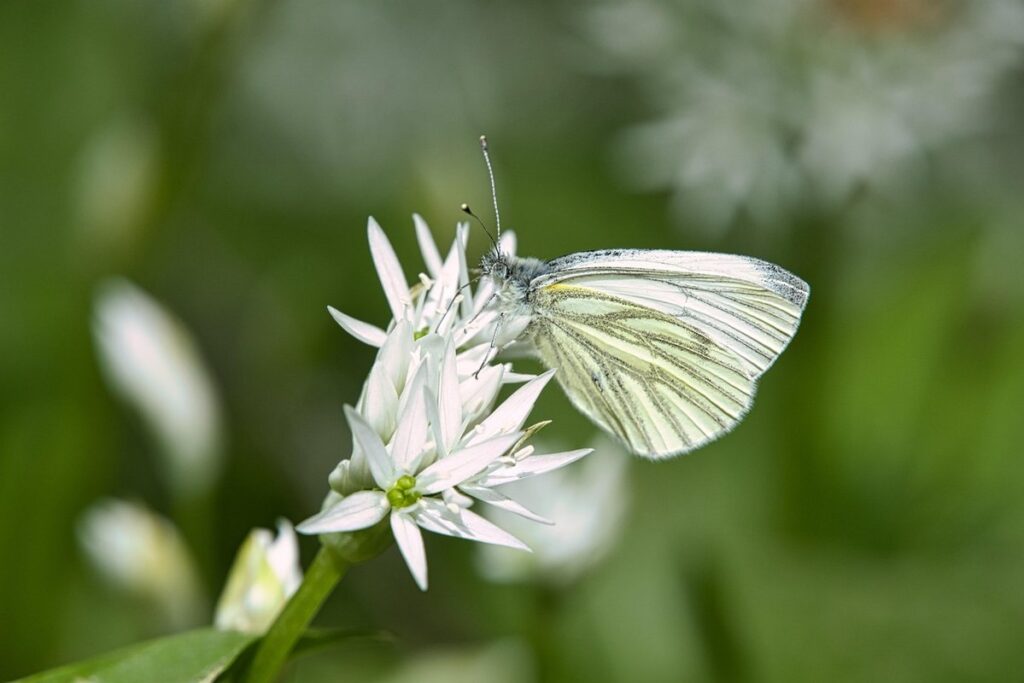
Bear garlic (Allium ursinum) is a fascinating plant with a rich history and unique characteristics. It’s also known as wild garlic or ramsons, and it’s a member of the Allium family, which includes other popular herbs like chives and leeks.
Native to Europe and parts of Asia, bear garlic has been used for centuries in traditional medicine and cooking. Its origins date back to ancient times when it was valued for its culinary and medicinal properties. The plant grows in woodland areas and can be found wild in many parts of the world, particularly in temperate regions with mild winters.
One of the most distinctive features of bear garlic is its strong onion-like flavor and aroma. When used fresh, it adds a pungent taste to dishes, while when dried or processed, it loses some of its potency but retains much of its nutritional value. In many cultures, bear garlic is considered a delicacy and is highly prized for its unique flavor profile.
Bear garlic has also been studied for its potential health benefits, including its antioxidant properties and ability to reduce inflammation. While more research is needed, preliminary findings suggest that it may have applications in treating various ailments.
Key Characteristics of Bear Garlic
Bear garlic has a distinct physical appearance that sets it apart from other plants. Its leaves are long and slender, typically growing up to 24 inches tall, with a bright green color and a slightly twisted shape. The plant’s flowers are small, white or pinkish in color, and appear on long stalks that rise above the foliage.
In terms of growth habits, bear garlic is a perennial plant that thrives in well-drained soil and partial shade to full sun conditions. It prefers moist soil but can tolerate some drought once established. This adaptability makes it an excellent choice for gardeners with varying climate conditions. Bear garlic also has a hardiness zone range of USDA zones 4-8, meaning it can grow successfully in regions with moderate winters.
When selecting the perfect spot for your bear garlic plant, keep its growth habits and hardiness zone requirements in mind. Choose a location with well-drained soil and provide partial shade to full sun conditions.
Differences from Regular Garlic
One of the main reasons bear garlic has gained popularity is its unique characteristics that set it apart from regular garlic. When compared to regular garlic, bear garlic has a milder and sweeter flavor profile. This makes it an excellent choice for dishes where you want a hint of garlic without overpowering other flavors.
In terms of texture, bear garlic has a more delicate and almost velvety feel, which is due to its lower sulfur content. This softer texture also means that bear garlic cooks faster than regular garlic, making it perfect for sautéing or roasting.
From a usage perspective, bear garlic can be used in a variety of ways – from adding it to soups and stews to using it as a topping for bread or salads. Its mild flavor makes it an excellent choice for pairing with delicate ingredients like fish or vegetables. Bear garlic also pairs well with herbs like parsley and dill, creating a fresh and aromatic combination.
Growing Bear Garlic: Tips and Tricks
Now that you’ve learned how to grow your bear garlic plant, it’s time to dive into some expert tips for cultivating these hardy bulbs in your own garden. Here are our top growing techniques and tricks.
Choosing the Right Location
When it comes to growing bear garlic, choosing the right location is crucial for optimal growth and flavor. Bear garlic thrives in well-draining soil with a pH between 6.0 and 7.0. A spot that receives partial shade to full sun is ideal, but be cautious not to expose it to direct sunlight during the hottest part of the day.
In terms of moisture requirements, bear garlic needs consistent moisture, especially during its growth phase. Aim for about 1-2 inches of water per week, either through rainfall or irrigation. However, make sure not to overwater, as this can lead to root rot and other issues.
When selecting a location, also consider the soil type. Bear garlic grows best in rich, fertile soil with good organic matter content. Avoid planting it in areas with standing water or where water tends to collect, as this can cause root decay.
Keep in mind that bear garlic is a hardy plant that can grow in a variety of conditions, but ideal growth is achieved when it’s given the right environment.
Planting and Care Instructions
When planting bear garlic, it’s essential to choose a location with well-draining soil and full sun to partial shade. Space individual bulbs 6-8 inches apart, allowing for proper air circulation and minimizing the risk of fungal diseases.
To plant bear garlic, first, dig holes slightly larger than the bulbs, about 4-6 inches deep. Place the bulbs in the holes, pointed end up, and cover with a mix of soil and compost. Water thoroughly after planting to settle the soil.
Regular watering is crucial for healthy growth, but be mindful not to overwater, which can lead to root rot. Aim for about 1 inch of water per week, either from rainfall or irrigation. Fertilize bear garlic in spring with a balanced fertilizer, following the manufacturer’s instructions.
As a general rule, avoid fertilizing during the growing season, as this can promote leaf growth at the expense of bulb development. After planting, keep the area weed-free to prevent competition for nutrients and water. With proper care and attention, your bear garlic plants will thrive and provide you with a bountiful harvest.
Common Challenges and Solutions
Growing bear garlic can be a rewarding experience, but like any other plant, it’s not immune to challenges. One of the most common issues you may encounter is pests, such as aphids and spider mites, which can cause damage to the leaves and bulbs. To prevent infestations, make sure your garden is clean and free of debris, and use neem oil or insecticidal soap to control any outbreaks.
Diseases like root rot and leaf blight can also affect bear garlic, often caused by overwatering or poor drainage. To combat this, ensure the soil drains well and avoid watering during periods of high rainfall. Regularly inspect your plants for signs of disease and take action promptly if you notice any issues.
Weather-related problems, such as extreme temperatures and frost, can also impact your bear garlic crop. When planting, choose a location with full sun to partial shade and well-draining soil, which will help the plant tolerate temperature fluctuations. If possible, provide some protection during harsh weather conditions, such as bringing potted plants under cover or using row covers for exposed beds.
Maintain good garden hygiene by removing weeds and debris regularly, which can harbor pests and diseases. Monitor your plants closely and be prepared to take action if you notice any issues. With proper care and attention, you should be able to overcome these challenges and enjoy a bountiful harvest of delicious bear garlic.
Health Benefits of Bear Garlic
Bear garlic is more than just a flavorful addition to your meals, it’s also packed with nutrients that can boost your immune system and reduce inflammation. We’ll explore its surprising health benefits next!
Nutritional Value and Vitamins
Bear garlic is not only a delicious addition to various dishes but also packed with an array of essential nutrients that offer numerous health benefits. One of its standout features is its richness in vitamins C and K. Vitamin C, in particular, plays a crucial role in boosting the immune system, fighting off infections, and supporting collagen production.
Bear garlic is also an excellent source of potassium, an electrolyte that helps regulate fluid balance within the body, supports healthy blood pressure, and aids muscle function. Moreover, its high fiber content makes it an ideal ingredient for digestive health, promoting regular bowel movements and preventing constipation. When consumed raw or cooked in moderation, bear garlic can provide a significant boost to your daily nutrient intake.
To maximize the nutritional benefits of bear garlic, consider incorporating it into your meals as a condiment or adding it to salads, soups, and sauces. Bear garlic’s versatility makes it an easy addition to a variety of recipes, allowing you to reap its rewards while exploring new flavors in the kitchen.
Medicinal Properties and Uses
Bear garlic has been used for centuries in traditional medicine, harnessing its potent properties to combat various ailments. At the forefront of its medicinal applications are its antibacterial and anti-inflammatory qualities. Studies have shown that bear garlic’s compounds exhibit remarkable efficacy against a range of bacteria, including E. coli and Staphylococcus aureus. Its antibacterial properties make it an excellent natural remedy for wound care, reducing the risk of infection and promoting faster healing.
Its anti-inflammatory properties also offer respite from chronic conditions such as arthritis, with its active compounds inhibiting pro-inflammatory enzymes that exacerbate joint pain and swelling. Additionally, bear garlic’s antioxidant capabilities protect against oxidative stress, which can lead to cell damage and age-related diseases. When using bear garlic medicinally, it is essential to consume it in moderation, as excessive consumption may cause digestive issues.
To utilize bear garlic for medicinal purposes, consider the following: start by consulting with a healthcare professional before making any significant changes to your treatment plan. Use bear garlic raw or cooked in small amounts (about 1-2 cloves per day) to minimize potential side effects. Combine it with other herbs and spices to create a balanced remedy that addresses specific health concerns.
Modern Research and Findings
Recent studies have shed light on the potential health benefits of bear garlic, making it an exciting area of research. One notable study published in the Journal of Ethnopharmacology found that bear garlic extract exhibits significant antioxidant and anti-inflammatory properties, which can contribute to its therapeutic effects (1). This is particularly relevant for cardiovascular disease prevention, as oxidative stress and inflammation are key factors in the development of atherosclerosis.
Researchers have also explored bear garlic’s potential role in cancer treatment. A study conducted by the National Institutes of Health discovered that bear garlic extract showed significant anti-proliferative activity against human breast cancer cells (2). Although more research is needed to confirm these findings, it suggests that bear garlic may be a valuable adjunct therapy for certain types of cancer.
If you’re looking to incorporate bear garlic into your health routine, consider including it in meals or taking supplements in moderation. Consult with a healthcare professional before making any significant changes to your diet. Remember to prioritize proper identification and harvesting techniques when foraging for wild bear garlic to ensure the quality and efficacy of the final product.
Culinary Uses of Bear Garlic
Bear garlic adds a pungent flavor to various dishes, and we’re excited to share some creative ways to use it in your cooking. From soups to marinades, its uses are endless!
Flavor Profiles and Pairing Suggestions
Bear garlic boasts a unique flavor profile that is often described as a cross between garlic and onion, but with a milder and sweeter undertone. This makes it an excellent addition to various dishes, from savory meals to sweet treats.
When using bear garlic in cooking, consider pairing it with ingredients like roasted meats, vegetables, or whole grains for a depth of flavor. Try combining it with olive oil, lemon juice, and herbs like thyme or rosemary for a classic Mediterranean-inspired vinaigrette. For a more intense flavor experience, pair bear garlic with ingredients like soy sauce, ginger, or chili flakes.
Some popular pairing suggestions include:
* Bear garlic mashed potatoes with roasted chicken
* Grilled salmon with a bear garlic and lemon butter sauce
* Roasted vegetables (such as Brussels sprouts or carrots) tossed with bear garlic and olive oil
When working with bear garlic, remember that its flavor is more pronounced when used raw. Sautéing or roasting can mellow out the flavor, so experiment with different preparation methods to find your preferred balance of flavors.
Preparing and Cooking Methods
Preparing bear garlic for cooking can be a bit more involved than working with other types of garlic. The bulbs are typically larger and harder to peel than regular garlic, but the process is still relatively straightforward. To start, gently twist off the individual cloves from the bulb, taking care not to crush them.
Next, use your fingers or a small tool to carefully peel each clove, starting at the top end where the stem was attached. This will help loosen the papery skin, making it easier to remove in one piece. If some of the skin remains, simply trim off any stubborn bits with a knife.
Once peeled, bear garlic can be chopped or minced as needed for your recipe. For sautéing, it’s best to use small pieces so they cook evenly and quickly. To do this, place the chopped bear garlic in a pan over medium-low heat and stir occasionally until fragrant and softened – usually just 1-2 minutes. Use immediately, or let cool completely before storing for later use.
Recipe Ideas and Inspiration
Bear garlic’s pungency makes it an excellent addition to soups, stews, and braises. Try making a traditional Korean-style spicy soup called ‘samgyetang’ by combining bear garlic with ginseng, chicken, and dried dates. Alternatively, use the plant in place of onions or shallots in your favorite stir-fry recipe for a burst of flavor.
For a show-stopping side dish, roast bear garlic bulbs alongside root vegetables like carrots and parsnips. Simply drizzle with olive oil, season with salt and pepper, and roast at 400°F (200°C) until tender. Bear garlic’s strong flavor also pairs well with seafood, particularly in Mediterranean-inspired dishes.
When cooking with bear garlic, be mindful of the amount used – a little goes a long way due to its potency. To avoid overpowering your dish, start by using half the recommended amount and adjust to taste. This will help you develop a sense of how much bear garlic works best for your palate.
Harvesting and Storing Bear Garlic
Now that you’ve carefully cultivated your bear garlic plant, it’s time to reap the rewards by learning how to properly harvest and store these delicious bulbs for future use. This section will walk you through both processes in detail.
Timing and Techniques for Harvesting
When it’s time to harvest your bear garlic plant, pay attention to signs of maturity and optimal harvesting times. Typically, this occurs around late spring to early summer, when the plants are at their peak growth stage. One way to determine if your bear garlic is ready is by gently digging up a small portion of the soil around the base of the plant. If you see that the bulbs have formed and are slightly firm to the touch, it’s likely time to harvest.
Another sign of maturity is when the plants begin to yellow or fade, which indicates that they’re diverting energy from the leaves to bulb formation. Avoid harvesting too early, as this can lead to smaller bulbs and reduced flavor. Instead, wait until the tops have begun to die back naturally. This usually occurs around mid-to-late summer, depending on your climate and region.
To harvest bear garlic, carefully dig around the base of each plant with a fork, being careful not to damage the bulbs. Gently lift the plants out of the ground and trim off any excess foliage. You can use these harvested bulbs immediately or store them properly for later use.
Storage Methods and Tips
Proper storage of bear garlic is crucial to preserve its distinctive flavor and rich nutritional value. When stored correctly, bear garlic can last for several months, allowing you to enjoy it throughout the year. There are three primary methods to store bear garlic: freezing, drying, and fermenting.
Freezing is a great way to preserve the flavor and nutrients of bear garlic. Simply chop the leaves into small pieces and place them in an airtight container or freezer bag. Frozen bear garlic can be stored for up to 8 months and used as needed. To use, simply thaw the frozen bear garlic and add it to your favorite recipes.
Drying is another effective method to preserve bear garlic. You can air-dry the leaves by tying them in small bunches and hanging them upside down in a warm, dry place. Alternatively, you can use a food dehydrator or oven on the lowest temperature setting to speed up the drying process. Dried bear garlic can be stored for up to 6 months.
Fermenting is a more advanced method that requires some patience and effort but yields excellent results. To ferment bear garlic, chop the leaves into small pieces and mix them with salt and water to create a brine solution. Store the mixture in an airtight container and let it sit at room temperature for 2-3 weeks, shaking the container every few days. The resulting fermented bear garlic can be stored in the refrigerator for up to 6 months.
When storing bear garlic, make sure to clean and dry the leaves thoroughly before proceeding with any storage method. This will help prevent spoilage and ensure that your bear garlic stays fresh for a longer period.
Conclusion: The Future of Bear Garlic
Now that you’ve learned how to grow and use bear garlic, let’s take a look at what the future holds for this unique ingredient. As we wrap up our guide, exciting developments are emerging in its culinary and medicinal applications.
Emerging Trends and Uses
As we conclude our comprehensive guide to growing and using bear garlic, it’s exciting to see the emerging trends and innovative uses of this versatile plant. Modern cuisine is embracing bear garlic for its unique flavor profile and potential health benefits. In some parts of Asia, bear garlic is being used as a key ingredient in high-end restaurants, adding a pungent twist to traditional dishes.
One notable trend is the use of bear garlic in craft cocktails. Mixologists are experimenting with infusing bear garlic into syrups and incorporating it into signature drinks. This unique flavor combination is gaining popularity among adventurous foodies. Additionally, some breweries are using bear garlic as an ingredient in their beer recipes, creating complex and bold flavors.
In the world of wellness, bear garlic is being explored for its potential health benefits. Its antimicrobial properties make it a promising natural remedy for colds and flu. However, more research is needed to fully understand its therapeutic applications. For those interested in exploring these emerging uses, we recommend experimenting with small batches and following proper food safety guidelines. By embracing innovation and creativity, bear garlic is poised to become an even more integral part of our culinary landscape.
Encouragement for Sustainable Gardening
As you’ve now gained the knowledge and confidence to grow bear garlic, it’s essential to consider the long-term sustainability of your garden. Sustainable gardening practices not only reduce your environmental footprint but also promote soil health and biodiversity.
Start by choosing a location with well-draining soil and partial shade, which will help minimize water consumption. Bear garlic is relatively low-maintenance, but regular watering, fertilization, and pruning are still necessary to ensure optimal growth. Consider implementing companion planting techniques to repel pests and attract beneficial insects.
As you continue to cultivate your bear garlic plant, remember that it’s a perennial crop, meaning it will come back year after year if properly cared for. This makes it an excellent choice for those looking to reduce their reliance on single-season crops. By adopting sustainable gardening practices, you’ll not only be harvesting delicious bear garlic but also contributing to the health of your local ecosystem. So why not give it a try and experience the joys of growing your own bear garlic?
Frequently Asked Questions
Can I grow bear garlic indoors if I don’t have a suitable outdoor location?
Yes, you can grow bear garlic indoors, but it requires specific conditions. Bear garlic needs bright, indirect light and cooler temperatures between 40-70°F (4-21°C) to thrive. Use pots with good drainage and maintain high humidity to mimic its natural habitat.
How long does it take for bear garlic to mature after planting?
Bear garlic typically takes 2-3 years to mature from seed, but you can harvest the leaves in as little as 6-12 months after planting. The bulbs will be ready to harvest in late spring or early summer when they’re fully formed and the tops begin to yellow.
Can I substitute bear garlic for regular garlic in all recipes?
Bear garlic has a milder flavor than regular garlic, so it’s best used in dishes where you want a subtle garlic taste. Start by substituting 25% of the recipe with bear garlic and adjust to taste, as it can be overpowering if used in excess.
How do I store harvested bear garlic bulbs to keep them fresh for a longer period?
Store harvested bear garlic bulbs in a cool, dark place with good air circulation. The ideal temperature is between 40-50°F (4-10°C). You can also dry the leaves and store them in airtight containers or freeze the bulbs to preserve their flavor and nutritional value.
Can I use bear garlic as a natural pest repellent in my garden?
Yes, bear garlic has natural insect-repelling properties that can help deter pests like aphids, slugs, and snails. Planting bear garlic around the perimeter of your garden or mixing it with other herbs can create a barrier against these unwanted visitors.