
Are you looking to add some royal charm to your garden? Purple flower plants are not only visually stunning, but they also bring a wealth of benefits that can enrich your life. From promoting mental health and well-being to attracting wildlife and adding vibrant colors to your outdoor space, these plants have it all. Whether you’re an experienced gardener or just starting out, incorporating purple flowers into your garden design is easier than ever.
In this article, we’ll delve into the significance of purple flower plants, exploring their benefits, uses, and versatility. We’ll cover a range of annuals and perennials that thrive in various conditions, from full sun to partial shade. Plus, we’ll discuss how these plants can support local wildlife and even contribute to improved mental health.
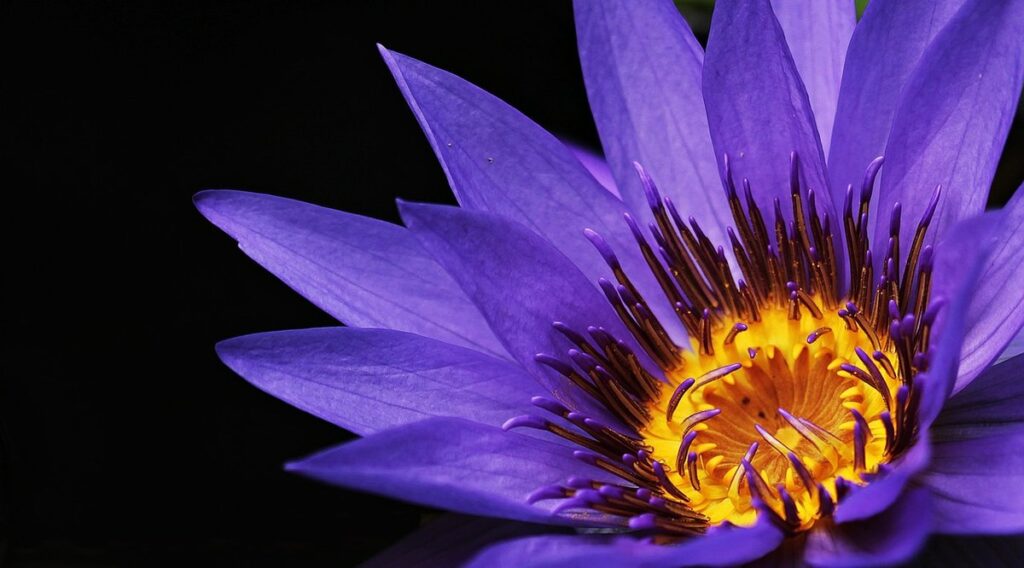
Types of Purple Flowers
Let’s take a closer look at some of the stunning varieties that make up the vast world of purple flowers, each with its own unique charm and character.
Annual vs. Perennial Purple Flowers
When it comes to incorporating purple flowers into your garden, one of the key decisions you’ll need to make is whether to opt for annuals or perennials. While both have their own unique benefits and drawbacks, understanding the difference between these two types of plants will help you choose the ones that best suit your needs.
Annual purple flower plants are those that complete their life cycle within a year, typically germinating in spring, blooming in summer, and dying off with the first frost. Examples of annuals include pansies, violas, and petunias. These plants are often easier to establish and can be a great option for adding a pop of color to your garden quickly. However, they require more maintenance as you’ll need to replant them every year.
Perennial purple flower plants, on the other hand, come back year after year, requiring less maintenance over time. Lavender, lilacs, and coneflowers are all popular examples. While they may take a bit longer to establish, perennials offer more long-term value as they’ll continue to bloom year after year with proper care. Consider your garden’s specific conditions and needs when deciding which type of purple flower plant is best for you.
Popular Varieties of Purple Flowers
When it comes to purple flowers, there are countless varieties to choose from, each with its own unique charm and characteristics. Let’s take a closer look at some of the most popular types of purple flowers that are perfect for adding a touch of elegance and sophistication to your garden or indoor space.
Lavender is one of the most iconic and fragrant purple flowers out there. Its delicate purple hue and soothing scent make it a favorite among gardeners and floral enthusiasts alike. To grow lavender, you’ll need well-draining soil and full sun – aim for at least 6 hours of direct sunlight per day. Water sparingly, as lavender is prone to root rot if the soil gets too moist.
Petunias are another popular choice for their vibrant purple blooms and versatility in hanging baskets or containers. They prefer well-draining soil and partial shade, making them an excellent option for indoor spaces with limited natural light. Pansies, on the other hand, offer a delicate, heart-shaped bloom that’s perfect for adding a pop of color to your garden beds.
When choosing purple flowers, consider their growing requirements and unique characteristics to ensure you provide the best conditions for them to thrive. With proper care, these gorgeous blooms will reward you with beauty and fragrance all season long.
Benefits of Planting Purple Flower Plants
Not only will purple flower plants add a pop of color and vibrancy to your garden, but they also offer numerous benefits when planted in the right conditions.
Mental Health and Wellbeing
Research has shown that being surrounded by nature can have a profound impact on our mental health and wellbeing. When it comes to purple flower plants, their unique characteristics make them an excellent choice for promoting stress relief and boosting mood. The calming effects of these plants are often attributed to the soothing colors they display, which can evoke feelings of tranquility and peacefulness.
In particular, lavender is a popular choice for its well-documented ability to reduce anxiety and promote better sleep. Its calming scent can be used in various ways, from adding it to potpourri blends to using essential oils in aromatherapy sessions. Other purple flower plants like pansies and violas also offer similar benefits, with their delicate appearance and subtle fragrance creating a sense of serenity.
To incorporate these benefits into your daily life, consider the following tips: bring some purple flowers indoors to create a calming atmosphere; use dried lavender petals as a natural stress-relief remedy; or plant a few pansies in your garden to enjoy their soothing presence. By doing so, you can harness the therapeutic power of purple flower plants and improve your mental health and wellbeing.
Aesthetic Appeal
Purple flower plants have an incredible capacity to elevate the aesthetic appeal of your garden. One of the most straightforward ways they contribute is by adding a pop of color that can transform a dull landscape into a vibrant oasis. From delicate lilacs to bold petunias, purple blooms come in an array of hues and shades, ensuring there’s a shade to suit every taste.
But it’s not just about introducing a new color palette – purple flower plants also create visual interest by adding texture and depth to your garden. For instance, the delicate, almost wispy petals of lavender or the large, trumpet-shaped blooms of wisteria can add a layer of complexity that keeps the eye engaged.
To incorporate these beauty-enhancing features into your own garden, try pairing purple flowers with complementary colors like greenery or other bold hues to create a cohesive look. Consider grouping similar plants together for a sense of cohesion or scattering them throughout the space for a more whimsical effect – either way, you’re sure to reap the benefits of their aesthetic appeal!
Wildlife Attraction
Planting purple flower plants can have a profound impact on attracting pollinators and other beneficial wildlife to your garden. One of the most notable benefits is the attraction of bees, butterflies, and hummingbirds, which are essential for pollination. Purple flowers, such as lavender and petunias, are particularly attractive to these creatures due to their rich nectar content.
By incorporating purple flower plants into your garden design, you can create a haven for wildlife. For example, plant a mix of perennial flowers like coneflowers and black-eyed Susans alongside annuals like marigolds and zinnias. This will provide a constant source of food and shelter for pollinators throughout the growing season.
To maximize the wildlife attraction benefits of purple flower plants, consider planting a variety of species that bloom at different times to ensure a constant nectar source. Also, avoid using pesticides, which can harm or kill beneficial insects, and instead adopt integrated pest management techniques that promote a balanced ecosystem. By doing so, you’ll be supporting local pollinators and creating a thriving wildlife-friendly garden.
Growing and Caring for Purple Flower Plants
To keep those stunning purple blooms thriving, you’ll want to learn how to properly care for your plants, including watering, pruning, and providing the right environment. This includes choosing the perfect location and soil type for optimal growth.
Soil Preparation and Sunlight Requirements
When it comes to growing purple flower plants, one of the most crucial factors is preparing the soil correctly. Purple flowers tend to thrive in well-draining, slightly acidic soils with a pH between 6.0 and 7.0. To achieve this, mix in some organic matter such as compost or manure into your soil before planting. This will not only improve drainage but also provide essential nutrients for healthy growth.
In terms of sunlight requirements, purple flowers generally prefer full sun to partial shade. However, the specific needs can vary depending on the type of plant. For example, lavender and verbena require at least six hours of direct sunlight per day, while petunias and pansies can tolerate some afternoon shade. When choosing a location for your purple flower plants, consider the time of day when they receive the most intense sunlight.
Keep in mind that overexposure to direct sunlight can cause leaves to become scorched and flowers to fade. Be sure to monitor their condition and provide sufficient protection during peak sun hours. With proper soil preparation and optimal sunlight exposure, you’ll be rewarded with a vibrant display of purple blooms that will add beauty and significance to any garden or indoor space.
Watering and Fertilization Needs
Watering purple flower plants can be a delicate matter. Over-watering is a common mistake that can lead to root rot and other issues. To avoid this, check the soil moisture by sticking your finger into the soil up to the first knuckle. If it’s dry, it’s time to water. Water thoroughly, but make sure not to let the plant sit in waterlogged soil.
As for fertilization, purple flower plants need a balanced diet of nutrients to produce vibrant colors and maintain their health. Use a fertilizer that is rich in phosphorus and potassium, as these are essential for blooming and root growth. Avoid over-fertilizing, as this can cause more harm than good. A general rule of thumb is to fertilize once a month during the growing season.
Some plants like lavender and petunias have specific watering needs. They prefer well-draining soil and should be watered more frequently in hot weather. On the other hand, plants like lilacs and wisteria require less water and should be watered sparingly. Be sure to research the specific needs of your plant to ensure you’re providing the right care.
When fertilizing, make sure to follow the instructions on the fertilizer package and take into account the pH level of your soil. Using a fertilizer with a high nitrogen content can promote leaf growth but may weaken flower production.
Decorative and Medicinal Uses
You’ll love learning how purple flower plants are not only breathtakingly beautiful, but also possess a range of medicinal properties. Let’s explore these amazing uses!
Floral Arrangements and Crafts
When it comes to incorporating purple flower plants into your home decor, there are countless creative ways to showcase their beauty. One popular way is through floral arrangements, where the rich hues of purple flowers can be paired with complementary colors to create stunning centerpieces for any occasion.
For a romantic dinner party, consider combining deep plum-colored orchids with pale lavender delphiniums and sprigs of fresh rosemary for a sophisticated look. Alternatively, mix vibrant lilac cosmos with sun-kissed daisies and wispy baby’s breath for a playful summer vibe. To add an extra touch, incorporate some greenery like eucalyptus or ferns to bring in texture and depth.
Purple flower plants are also ideal for crafting wreaths and other decorative items. Use the flowers as-is, or dry them out to create delicate, fragrant potpourri. You can also press the petals between sheets of paper to preserve their shape and use them in decoupage art projects. This adds a personal touch to any room and is a great way to repurpose these beautiful blooms.
Herbal Remedies and Medicine
In addition to their stunning beauty, many purple flower plants have been used for centuries as herbal remedies and medicine. One of the most well-known is lavender, whose calming scent has made it a staple in relaxation techniques worldwide. Studies have shown that inhaling lavender essential oil can reduce anxiety and stress levels, making it an excellent tool for promoting a good night’s sleep.
Chamomile is another purple flower plant that has been used for medicinal purposes, particularly in the form of tea. Its soothing properties help to calm digestive issues, promote relaxation, and even alleviate symptoms of PMS. You can brew dried chamomile flowers as a calming tea or add them to bathwater for an extra layer of relaxation.
Other purple flower plants like pansies and violets have also been used in traditional medicine for their antiseptic and anti-inflammatory properties. These plants have been used topically to treat wounds, soothe skin irritations, and even reduce swelling. While modern medicine has largely taken over the treatment of these ailments, incorporating herbal remedies into your daily routine can be a gentle and natural way to promote overall well-being.
Planting Purple Flowers in Different Environments
When it comes to planting purple flowers, you’ll want to know how different environments affect their growth and beauty. Let’s explore how various conditions impact these stunning blooms.
Container Gardening
When it comes to growing purple flower plants in containers, you have endless possibilities. Not only do container gardens offer a convenient and space-saving way to grow your favorite flowers, but they also provide an opportunity to experiment with different varieties and arrangements.
To get started, choose a potting mix specifically designed for containers. This type of mix is formulated to retain moisture while preventing waterlogged soil – perfect for plants that thrive in well-draining conditions like lavender and verbena. Avoid using regular garden soil as it can compact and prevent proper drainage.
Select a container with good air circulation and adequate sunlight, depending on the specific needs of your chosen purple flower variety. For example, petunias prefer full sun, while pansies enjoy partial shade. Next, follow the basic care instructions for your plants: water regularly, fertilize occasionally, and prune as needed to encourage bushy growth.
By following these simple steps, you can create a stunning container garden that brings vibrancy and beauty to any space – whether indoors or outdoors!
Indoor and Outdoor Spaces
When it comes to incorporating purple flowers into your indoor spaces, there are several creative and practical ways to do so. For instance, you can add a pop of color to your windowsills by placing small pots or planters containing lavender or petunias. Another option is to hang beautiful baskets from the ceiling or walls, allowing the cascading blooms of purple flowers like violas or pansies to spill over and create a stunning visual effect.
If you’re short on space, consider using window boxes or narrow planters that can be attached under windowsills. These are perfect for small apartments or offices where every inch counts. Not only do they add color and vibrancy, but they also provide a natural air-purifying element to your indoor environment. To make the most of this feature, choose flowers like verbena or heliotrope that have fragrant blooms, which will not only delight your senses but also purify the air.
Incorporating purple flowers into your indoor spaces can be as simple as placing a single pot on a console table or sideboard. The key is to mix and match different textures, heights, and bloom times to create visual interest throughout the year.
Conclusion: The Joy of Purple Flower Plants
In conclusion, purple flower plants bring a sense of wonder and joy to any garden or indoor space. Whether you’re a seasoned gardener or just starting out, incorporating these beautiful blooms into your design can have a profound impact on both the aesthetic and emotional benefits of being around nature. Not only do they add a pop of color and vibrancy, but their unique hues also evoke feelings of luxury, creativity, and even spirituality. To truly appreciate the joy of purple flower plants, take some time to observe their behavior in your garden – notice how they attract pollinators, provide shade, or simply brighten up a dull corner. By doing so, you’ll begin to realize just how special these plants are.
Frequently Asked Questions
Can I plant purple flower plants in containers if my garden has poor soil quality?
You can definitely use containers to grow purple flower plants, even with poor soil quality. Use a high-quality potting mix and make sure the container has good drainage holes to prevent waterlogged soil.
How do I know which type of purple flower plants (annuals or perennials) is best for my garden’s climate and sunlight conditions?
Consider the average temperature range in your area, as well as the amount of sunlight your garden receives. If you have a short growing season, annuals might be a better choice. For regions with mild winters, perennials can thrive year after year.
What are some common pests or diseases that affect purple flower plants and how do I prevent them?
Regularly inspect your plants for signs of pests or disease, such as aphids, whiteflies, or powdery mildew. Use organic pest control methods like neem oil or insecticidal soap to address issues early on.
Can I use the flowers from my purple flower plant in cooking or medicinal purposes?
Yes, many purple flowers are edible and can be used in salads, desserts, or as garnishes. However, always positively identify any plant before consuming it, and consult with a medical professional or qualified herbalist before using them for medicinal purposes.
How do I ensure that my purple flower plants continue to bloom throughout the growing season?
To promote continuous blooming, provide your plants with consistent moisture levels, moderate temperatures, and fertilize regularly. Deadhead spent flowers to encourage new blooms, and consider pruning back overgrown stems to maintain plant shape.