
You might have noticed some plants in your garden or home that seem to be sporting an unusual coat of fuzziness on their leaves. Plants with hairy leaves, also known as pubescent plants, are more common than you think, and they can add a unique texture and interest to your indoor or outdoor space. But beyond their aesthetics, these plants have some amazing characteristics and benefits that make them worth getting to know. In this article, we’ll dive into the world of hairy-leaved plants, exploring their propagation methods, troubleshooting tips for common issues, and more. Whether you’re a seasoned green thumb or just starting out, we’ll cover everything you need to know about these fascinating plants, including how to care for them, what to expect when growing them from seed, and some expert advice on making the most of their unique features.
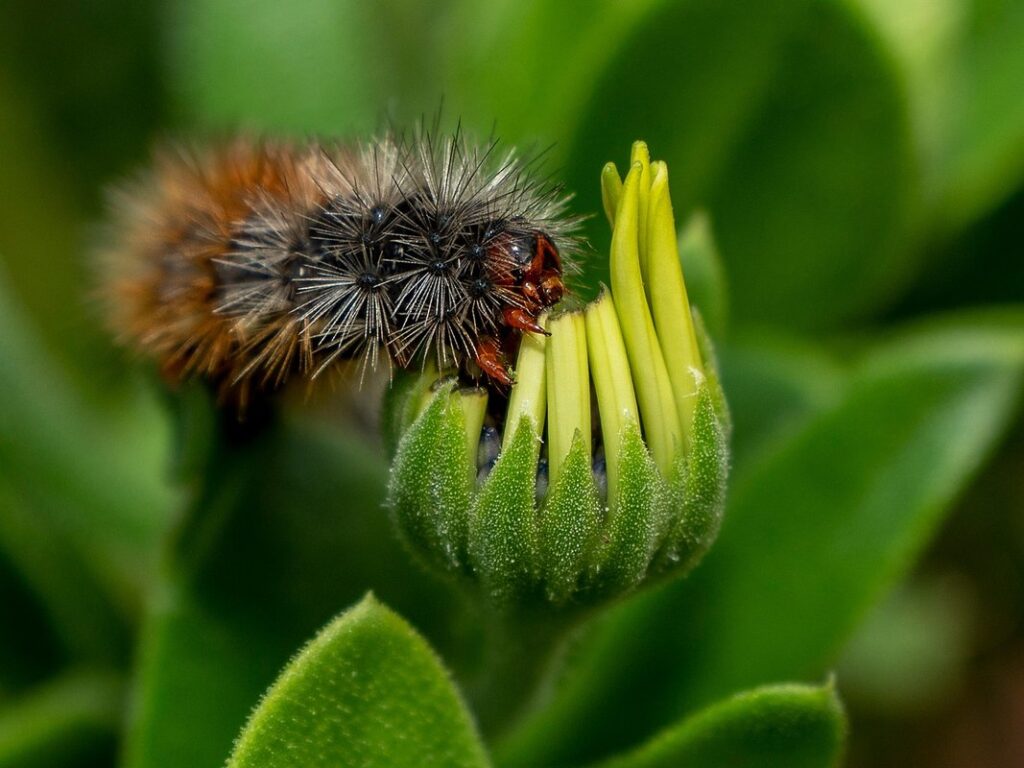
What is a Plant with Hairy Leaves?
If you’re curious about the peculiar plant with hairy leaves, you’ll want to know what defines it and sets it apart from other foliage in this section.
Defining Plants with Hairy Leaves
Plants with hairy leaves are a delightful group of species that add texture and interest to any indoor or outdoor space. These plants have adapted to their environments by developing leaves covered in fine hairs, which serve as a defense mechanism against predators, attract pollinators, or even aid in water retention. Begonia, Polka Dot Plant (Hypoestes phyllostachya), and Prayer Plant (Maranta leuconeura) are just a few examples of the many plants that exhibit this unique characteristic.
The hairy leaves of these plants can take on various forms, from soft and velvety to coarse and wiry. In some cases, the hairs may be densely packed, giving the leaf a fuzzy appearance, while in others they may be more sparse, creating a subtle texture. Plants like the Begonia, with their intricately patterned leaves, demonstrate how hairy leaves can add an extra layer of visual interest to a plant’s overall aesthetic.
When selecting plants with hairy leaves for your garden or indoor space, consider the level of maintenance and care you’re willing to provide. Some plants with hairy leaves require more humidity and attention than others, so make sure to research the specific needs of the species you choose.
Identifying Hairy Leafed Plants in Your Garden or Home
When browsing through your garden or home, it’s not uncommon to stumble upon plants with hairy leaves. These peculiar-looking plants can be a bit tricky to identify at first glance, but don’t worry – we’ve got you covered. To recognize plants with hairy leaves, let’s start by looking at the different textures and appearances.
Some plants have soft, velvety hairs that resemble down or fur. Take, for instance, the Prickly Pear Cactus (Opuntia spp.), which has fleshy stems covered in fine, fuzzy hairs. Other plants may have coarser, more woolly hairs, like the Lamb’s Ear (Stachys byzantina), whose leaves are densely coated with soft, white fuzz.
Another way to identify hairy-leaved plants is by looking at their leaf shape and arrangement. Some plants, such as the Hairy Vine (Mandevilla spp.), have large, heart-shaped leaves with fine hairs along their veins. Meanwhile, others like the Parlor Palm (Chamaedorea elegans) have long, slender leaves covered in soft, wavy hairs.
To spot these hairy-leaved plants, take a closer look at your garden’s foliage and examine each plant’s leaves carefully. You might be surprised to discover which ones are hiding in plain sight!
Characteristics of Hairy Leafed Plants
Let’s take a closer look at some of the most notable characteristics that set hairy leafed plants apart from their smooth-leaved counterparts. Their unique features are worth exploring further.
Growth Habits and Requirements
When it comes to growing plants with hairy leaves, understanding their specific needs is crucial for optimal growth and health. These plants typically exhibit unique growth habits that set them apart from other foliage. For instance, some hairy leafed plants tend to trail or cascade, making them ideal for hanging baskets or containers where they can spill over the edges.
In terms of lighting requirements, most hairy leafed plants prefer bright, indirect light but can tolerate partial shade. It’s essential to note that direct sunlight can cause their leaves to become scorched and discolored. As a general rule, provide at least 4-6 hours of filtered or dappled light per day for best results.
Watering needs also vary depending on the specific species, but as a rule of thumb, hairy leafed plants require consistent moisture without being waterlogged. Allow the soil to dry slightly between waterings, and avoid getting water directly on the leaves to prevent fungal diseases. Temperature preferences are relatively flexible, with most varieties thriving in temperatures between 65-75°F (18-24°C). Keep your plant away from drafts or extreme temperature fluctuations for optimal growth.
Nutritional Needs and Fertilization
When it comes to hairy leafed plants, their nutritional needs are often unique compared to other plant species. These plants require a balanced diet of essential nutrients to promote healthy growth and development.
Nitrogen, phosphorus, and potassium (NPK) are the primary macronutrients needed by most plants, including those with hairy leaves. However, research suggests that hairy leafed plants may benefit from higher levels of micronutrients such as magnesium, sulfur, and iron. These elements play a crucial role in photosynthesis, cell wall development, and overall plant health.
To ensure your hairy leafed plant is receiving the necessary nutrients, use a balanced fertilizer with a focus on micronutrient-rich formulas. You can also consider adding a magnesium supplement to enhance leaf growth and coloration. Some popular fertilizers for hairy leafed plants include 20-20-20 NPK formulas, which provide an equal balance of nitrogen, phosphorus, and potassium.
When applying fertilizers, follow the recommended application rates to avoid over-fertilizing your plant. This can be detrimental to its health, causing damage to leaves and roots.
Benefits of Hairy Leafed Plants
Now that you know more about the unique characteristics of plants with hairy leaves, let’s explore the advantages they bring to your indoor space and beyond. We’ll dive into their benefits!
Air Purification and Health Benefits
Air purification is one of the most significant advantages of having hairy leafed plants indoors. These plants are naturally adept at removing pollutants and toxins from the air we breathe. Studies have shown that plants can remove up to 87% of airborne toxins within a 24-hour period. The presence of these plants can greatly improve indoor air quality, especially in areas with high levels of pollution.
The benefits don’t stop there – hairy leafed plants also produce oxygen, which is essential for our well-being. In fact, it’s estimated that indoor plants release up to 20% more oxygen than they consume during photosynthesis. This means that having a few hairy leafed plants in your home or office can lead to improved sleep quality, reduced stress levels, and even boosted mood.
Some practical tips to get the most out of your hairy leafed air purifiers include choosing plants with dense foliage, placing them in areas with low air circulation, and watering them regularly. By incorporating these plants into your indoor space, you’ll be creating a healthier environment that promotes overall well-being.
Stress Relief and Aesthetic Appeal
Having hairy leafed plants around can have a profound impact on both mental health and visual ambiance. For one, these unique plants can serve as a natural stress-relief remedy. Studies have shown that exposure to nature, even if it’s just through the sight of plants with hairy leaves, can lower cortisol levels and blood pressure. This is especially important in today’s fast-paced world where stress has become an integral part of daily life.
Not only do these plants provide a sense of calm, but they also add a touch of aesthetic appeal to any room. The unusual texture and appearance of hairy leafed plants make them stand out from more conventional houseplants, creating a visually interesting element in your space. To incorporate these benefits into your home, try placing a hairy leafed plant on a high shelf or hanging it from the ceiling to create a focal point.
To maximize their stress-relieving effects, consider the following tips:
- Place them near windows for optimal natural light exposure
- Choose plants with soft, delicate leaves for a soothing effect
- Pair them with calming colors and scents in your decor
Types of Plants with Hairy Leaves
Let’s dive into some of the most fascinating types of plants that boast hairy leaves, each with its unique characteristics and benefits. From velvety succulents to fuzzy ferns.
Tropical and Exotic Varieties
Tropical and exotic varieties of plants with hairy leaves are truly a sight to behold. These rare gems can be found in far-flung regions of the world, often hidden away in dense rainforests or nestled in the misty mountains of tropical islands.
One such plant is the Slipper Orchid (Paphiopedilum spp.), native to the humid forests of Southeast Asia. Its leaves are covered in soft, velvety hairs that help to conserve moisture and protect against harsh sunlight. Another example is the Prayer Plant (Maranta leuconeura), which hails from the tropical rainforests of Central and South America. Its unique leaves feature intricate patterns of hairy white and green markings.
These plants not only add a touch of whimsy to any indoor space but also serve as important reminders of the incredible diversity of plant life on our planet. When caring for these exotic varieties, it’s essential to provide them with high humidity levels, bright indirect light, and well-draining potting mix. By doing so, you’ll be rewarded with thriving plants that will bring joy and fascination to your home or office space.
Common Houseplants with Hairy Leaves
If you’re new to plant parenthood or just looking for some low-maintenance options, you’ll love the houseplants with hairy leaves that are easily accessible. Two popular choices are Pilea and Peperomia.
Pilea is a great choice for beginners because it’s extremely easy to care for and can thrive in a variety of lighting conditions. Its small, rounded leaves are covered in soft, fuzzy hairs that give them a unique texture. To keep your Pilea happy, make sure it’s getting bright indirect light and watered thoroughly once a week.
Peperomia is another popular option with beautiful hairy leaves. It’s a bit more sensitive to over-watering than Pilea, so be sure to check the soil moisture before watering. This plant prefers high humidity but can adapt to average indoor conditions. Its leaves are oval-shaped and covered in fine hairs that give them a delicate appearance.
Both of these plants make great additions to any space, adding a touch of greenery and unique texture with their hairy leaves. With proper care, they’ll continue to thrive and bring joy to your home for years to come.
Propagation and Care Tips for Hairy Leafed Plants
Now that you’re familiar with these unique plants, let’s dive into how to properly propagate and care for them to keep their hairy leaves thriving. We’ll cover essential tips to ensure they continue to flourish in your home or garden.
Seeds, Cuttings, and Division Methods
Propagating hairy leafed plants can be done through various methods, including seeds, cuttings, and division. Seeds are a great way to start new plants from scratch, but they can take longer to mature and may not produce the same characteristics as the parent plant. To propagate using seeds, you’ll need to collect and store them in a cool, dry place until ready for sowing.
Cuttings involve taking stem or leaf sections from an existing hairy leafed plant and rooting them in soil or water. This method is often faster than seed propagation and can produce plants with the same characteristics as the parent. To increase success rates, take cuttings during the active growing season, use a rooting hormone, and provide bright, indirect light.
Division involves separating established plants into smaller sections, allowing you to multiply your plant stock quickly. For hairy leafed plants, this is often done in the spring or fall when new growth begins. Make clean cuts just above a node, and pot up the separated sections immediately to prevent drying out.
Watering, Pruning, and Pest Control Techniques
Maintaining healthy hairy leafed plants requires attention to their watering needs. Overwatering is common among plant enthusiasts, so it’s essential to understand the right watering schedule for these unique plants. Allow the top 1-2 inches of soil to dry out between waterings, and adjust this frequency based on your local climate and indoor conditions.
Pruning hairy leafed plants helps maintain their desired shape and encourages healthy growth. Prune stems just above a node (where a leaf meets the stem) using clean, sharp tools to prevent spreading disease. Remove any dead or dying leaves to prevent the spread of infection and encourage new growth.
Pest control is also crucial for these delicate plants. Regularly inspect your hairy leafed plant for signs of pests like mealybugs, spider mites, and scale. If you notice an infestation, treat with insecticidal soap or neem oil according to product instructions.
Troubleshooting Common Issues with Hairy Leafed Plants
When things don’t go as planned, your hairy leafed plant might start to show some unwanted signs, and that’s where troubleshooting comes in. Let’s dive into common issues and how to fix them.
Overwatering, Underwatering, and Pests
If you’ve noticed that your hairy leafed plant is struggling, it’s likely due to one of three common issues: overwatering, underwatering, or pests. Let’s dive into each problem and provide some practical solutions.
Overwatering can lead to root rot, which is a serious issue for any plant. If the soil feels waterlogged or soggy, it’s a sign that you’re giving your plant too much H2O. To avoid this, make sure not to overdo it with the watering can – hairy leafed plants prefer well-draining soil and should be watered sparingly. Check the top inch of soil for dryness before watering again.
On the other hand, underwatering can cause yellow or wilted leaves. If you’re unsure whether your plant needs more water, stick your finger into the soil up to the first knuckle – if it feels dry, it’s time to give it a drink. Be careful not to overwater when you’re getting back on track.
Pests like spider mites and mealybugs can also wreak havoc on your hairy leafed plant. Check for signs of infestation by gently brushing off any leaves or stems with a soft-bristled brush – these pests love to hide in tight spaces. If you do find some unwanted critters, treat them promptly with insecticidal soap or neem oil.
Remember, prevention is key when it comes to common problems like overwatering and pest infestations. Keep an eye on your plant’s soil moisture levels and be vigilant for signs of trouble.
Nutrient Deficiencies and Environmental Stressors
When it comes to hairy leafed plants, they can be sensitive to their environment, making them prone to nutrient deficiencies and other stressors. One of the most common issues is a lack of essential nutrients like nitrogen, iron, or magnesium. To address this, make sure to fertilize your plant regularly, but avoid over-fertilizing as this can cause more harm than good.
Temperature fluctuations can also affect hairy leafed plants. If your plant is exposed to sudden changes in temperature, its leaves may become discolored or drop off altogether. To mitigate this, keep your plant away from drafts and maintain a consistent temperature between 65-75°F (18-24°C). Humidity variations are another common issue – if the air is too dry, hairy leafed plants will require more frequent watering to prevent dehydration.
Light exposure can also impact the health of your hairy leafed plant. If it’s not getting enough light, its growth may be stunted or the leaves may become pale and weak. Conversely, if it’s receiving too much direct sunlight, the leaves may suffer from scorching or burning. To find a balance, place your plant near an east- or west-facing window where it can receive gentle, indirect light.
Frequently Asked Questions
How do I know if a plant is hairy-leaved or just has dust on its leaves?
Check for the fine hairs covering the leaf surface, which can be felt by touch. Hairy-leaved plants often have soft, downy hairs that help with water retention and defense mechanisms.
Can I propagate hairy-leaved plants using seeds or only through cuttings?
Both methods are viable, but propagation from cuttings is a faster way to reproduce identical plants with the desired hairy leaf trait. Seeds may not guarantee the same results due to genetic variation.
What should I do if my hairy-leaved plant is experiencing leaf drop or yellowing leaves?
Inspect your plant for signs of pests, nutrient deficiencies, or underwatering/overwatering issues. Adjust watering and fertilization schedules as needed, and treat any pest infestations promptly to prevent further damage.
Can I combine different hairy-leaved plants in a single container or will they compete with each other?
Yes, but be mindful of their specific growth habits, light requirements, and space needs. Choose companion plants that complement the existing plant’s characteristics to create a harmonious display.
How often should I water my hairy-leaved plants during periods of drought or extreme temperatures?
Adjust your watering schedule based on environmental conditions, monitoring soil moisture levels closely. Water sparingly but thoroughly when necessary, making sure not to overwater and risking root rot.