
You might be familiar with the term “winged weed,” but do you know its actual identity? This plant, also known as Leonotis leonurus, has been used for centuries in traditional medicine. Its unique characteristics and versatility make it a fascinating topic to explore.
In this article, we’ll delve into the world of winged weed, discussing its common name, medicinal properties, and cultivation tips. You’ll learn how to identify this plant, which is also known as Lion’s Tail or Wild Dagga. We’ll also cover some interesting facts about its uses in traditional medicine and its unique characteristics that set it apart from other plants.
Whether you’re a gardener looking for new species to cultivate or someone interested in natural remedies, this article will provide you with valuable insights into the world of winged weed.
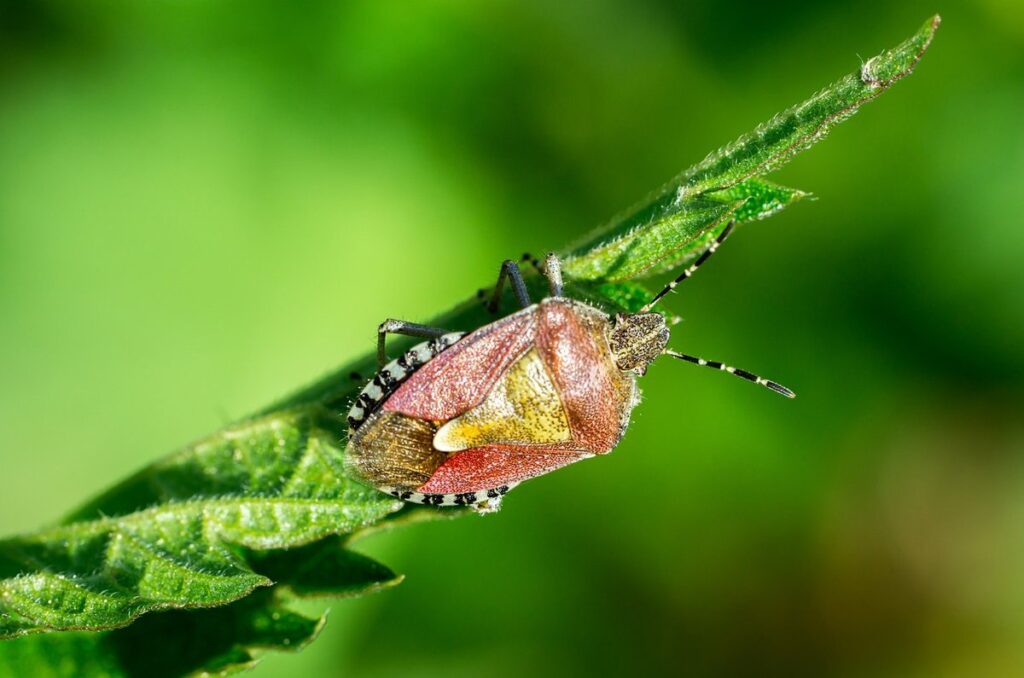
Common Name and Botanical Classification
Winged weed is known by several names, including winged prickly poppy and prickly poppy, and its scientific classification is a key part of understanding its identity. Let’s break down what makes this plant unique in botanical terms.
Understanding the Common Name “Winged Weed”
The common name “Winged Weed” might seem intriguing, but have you ever stopped to think about what it really means? The reason behind this name is rooted in the plant’s physical characteristics. When botanists and horticulturists refer to a weed with winged seeds, they’re describing its unique reproductive strategy. Winged weeds often produce seeds that are equipped with small appendages or wings, which aid in their dispersal.
This clever adaptation allows the seeds to float through the air, carried by wind currents, and travel farther than non-winged counterparts. As a result, winged weeds can spread more efficiently, sometimes becoming invasive species. The botanical classification of these plants is usually tied to their family, genus, and species name. For example, Winged Weed (Polygonum aviculare) belongs to the Polygonaceae family.
Understanding the common name “Winged Weed” provides valuable context for its growth habits, spread patterns, and potential impact on local ecosystems. By recognizing these characteristics, you can better appreciate the complex relationships between plants and their environments. As an informed reader, you’ll be equipped with a deeper appreciation of this versatile plant and its place within the natural world.
Exploring the Scientific Classification
When it comes to understanding the botanical classification of winged weed, let’s dive into its scientific background. As we established earlier that winged weed is also known as Pilea peperomioides, it falls under a specific family and genus within the plant kingdom.
Pilea peperomioides belongs to the family Urticaceae, commonly referred to as the nettle family. However, some sources might classify it as part of the Urticales order or even list it as a member of the Euphorbiaceae family, depending on the taxonomic approach used.
The genus Pilea is a group of plants characterized by their unique foliage and growth habits. Within this genus, Pilea peperomioides stands out due to its striking appearance, often featuring heart-shaped leaves with reddish veins and small white or pink flowers.
To identify winged weed accurately, note the presence of stipules at the base of each leaf pair, as well as the overall plant structure. By considering these distinct features within its botanical classification, we can confidently attribute a specific identity to this ornamental plant species.
What is Winged Weed? A Detailed Description
Winged weed, also known as Pterophylum heterophyllum, is a plant species characterized by its unique appearance and growth habits that set it apart from other plants. Let’s dive deeper into what makes this plant so distinctive.
Physical Characteristics
Winged weed’s physical characteristics are one of its most distinctive features. Upon inspection, you’ll notice that this plant has leaves with a unique shape, often described as having a wing-like appearance. The leaf margins are typically ciliated or fringed with tiny hairs, giving them a soft and feathery texture.
The stem of the winged weed is generally slender and herbaceous, sometimes growing to be quite tall. It’s usually slightly hairy to the touch, especially towards its base. In terms of growth habits, you can expect this plant to grow in clumps or patches, often spreading outwards as it matures.
One key identifying feature of the winged weed is its ability to produce small, white flowers along its stems. These blooms are typically small and inconspicuous but play a crucial role in the plant’s reproduction cycle.
Habitat and Distribution
Winged weed typically thrives in areas with warm and temperate climates. It is commonly found in regions with well-drained soil and full sun to partial shade conditions. This adaptable plant can grow in a variety of habitats, including fields, roadsides, and disturbed areas.
In terms of geographical distribution, winged weed is native to North America but has been naturalized in many parts of the world, including Europe and Asia. It has also become invasive in some regions, outcompeting native vegetation for resources such as light, water, and nutrients.
To identify suitable growing conditions for winged weed, look for areas with a pH range of 5.5 to 7.5. This plant prefers soil that is slightly alkaline but can tolerate a wide range of pH levels. Avoid planting in low-lying areas or those prone to flooding, as this can lead to root rot and other issues.
When managing winged weed populations, consider the local climate and soil conditions. In areas with hot summers and cold winters, winged weed may require additional moisture during dry spells.
Uses of Winged Weed
You might be wondering what you can do with winged weed, so let’s explore its various uses and how it’s been employed by different cultures over time. From herbal remedies to crafts, winged weed has a surprising number of practical applications.
Medicinal Properties
Winged weed has been used for centuries to treat various health issues due to its medicinal properties. The plant is rich in antioxidants, flavonoids, and other compounds that have anti-inflammatory and antimicrobial effects. Studies have shown that winged weed extracts can help reduce inflammation, alleviate pain, and even show promise in fighting certain types of cancer.
Some potential health benefits associated with winged weed include:
* Reducing symptoms of menopause and menstrual cramps due to its estrogen-like properties
* Treating skin conditions such as eczema and acne due to its antimicrobial and anti-inflammatory effects
* Relieving digestive issues like constipation, diarrhea, and irritable bowel syndrome (IBS)
* Acting as a natural diuretic to help reduce blood pressure
However, it’s essential to note that winged weed can also cause some adverse reactions. Large doses or prolonged use may lead to interactions with certain medications, including blood thinners, diabetes medications, and thyroid supplements. Pregnant women and breastfeeding mothers should consult their healthcare provider before using winged weed due to its potential estrogenic effects.
To safely harness the medicinal properties of winged weed, it’s recommended to consume small amounts in moderation and under medical supervision if necessary.
Culinary and Aesthetic Uses
Winged weed’s versatility extends beyond its medicinal properties, making it a valuable addition to various culinary and aesthetic endeavors. In cooking, winged weed is prized for its unique flavor profile, which is often described as a combination of celery and parsley. It pairs well with a variety of dishes, particularly those featuring fish, poultry, or vegetables.
One notable aspect of using winged weed in cooking is its ability to enhance the flavors of other ingredients without overpowering them. For example, adding a handful of chopped winged weed to a stir-fry can add depth and freshness to the dish without dominating the other flavors.
Beyond its culinary uses, winged weed is also valued for its decorative properties. Its delicate foliage and airy stems make it an attractive addition to flower arrangements or as a standalone garnish. To incorporate winged weed into your cooking or decorating, try harvesting its leaves in the spring when they’re at their most tender, and use them fresh or dry them for later use.
When using winged weed in cooking, be sure to only consume the leaves and flowers, as the roots can be toxic. Also, consider pairing it with complementary herbs like lemon balm or mint to create unique flavor combinations.
Identifying Winged Weed
To identify winged weed, take a close look at its distinctive features, such as the shape of its leaves and stems, which can help you pinpoint its presence.
Key Identification Features
When identifying winged weed in the wild, there are several key features to look out for. One of the most distinctive characteristics is its triangular-shaped stem, which can grow up to 2 feet long. The stem is also covered with small, soft hairs that give it a fuzzy appearance.
The leaves of the winged weed plant are another important identification feature. They are typically lance-shaped and have a pointed tip, measuring between 4-8 inches in length. The upper surface of the leaf is usually a bright green color, while the lower surface has a distinctive white or pale yellow stripe running along its center.
To confirm your identification, look for the plant’s flower clusters. Winged weed produces small, white or pinkish flowers that grow in dense clusters at the top of the stem. The flowers are highly fragrant and often attract pollinators like bees and butterflies.
In order to accurately identify winged weed, it’s essential to observe these distinctive features under close examination. Consult with a field guide or consult an expert if you’re unsure about any aspect of your identification.
Distinguishing from Lookalike Plants
When trying to identify winged weed, it’s easy to get confused with other plants that share similar characteristics. Some of its lookalikes include dandelion, plantain, and chicory. To accurately distinguish winged weed from these impostors, take a closer look at the plant’s leaves, stem, and growth pattern.
Winged weed typically has smaller, more rounded leaves than dandelion or plantain. Its leaves are also usually darker green with a pointed tip. On the other hand, chicory has larger, more lobed leaves that resemble the shape of a heart. When examining the stem, notice if it’s hairy or smooth; winged weed stems tend to be smooth.
Observe how the plant grows – does it have a central rosette like dandelion or a sprawling habit like chicory? Winged weed often forms small clusters of flowers in shades of purple and white. By paying attention to these details, you can confidently identify winged weed amidst other similar-looking plants.
Growing and Cultivating Winged Weed
If you’re looking to grow winged weed, you’ll be happy to know that it’s relatively easy to cultivate, requiring minimal maintenance and care. Here are some tips to get you started on growing your own winged weed plants.
Propagation Methods
Winged weed can be propagated using three main methods: seeds, cuttings, and divisions. If you’re starting from scratch, sowing winged weed seeds is a great way to begin. You’ll want to sow the seeds indoors 6-8 weeks before the last frost date in your area, as they require a period of cold stratification to germinate. Sow them about 1/4 inch deep and 1-2 inches apart in a seed starting mix.
Another method is taking cuttings from mature winged weed plants. This is ideal for propagating specific clones or varieties. Cut 3-4 inch stem sections with at least two sets of leaves, remove lower leaves, and dip the cut ends into rooting hormone powder. Plant them in a moistened potting mix, making sure to provide bright indirect light until roots develop.
Divisions are also a viable option for propagating winged weed. This method involves separating established plants, ensuring each division has at least one growing point (such as an eye or bud). Divide the plant carefully using a sharp tool, and replant the divisions in a well-draining potting mix. Keep the soil consistently moist during this period to encourage root establishment.
Care and Maintenance Tips
To ensure optimal growth and thriving of winged weed, it’s essential to provide it with the right environment. Winged weed requires full sun to partial shade, so place it in an area that receives at least 4-6 hours of direct sunlight per day. This will not only promote healthy growth but also encourage blooming.
When it comes to water requirements, winged weed prefers well-draining soil and can be susceptible to overwatering. Water your plant when the top inch of soil feels dry to the touch, and avoid getting water on the leaves to prevent fungal diseases. A general rule is to water once or twice a week during hot summer months and reduce watering during cooler seasons.
In terms of soil requirements, winged weed thrives in fertile, slightly acidic soil with a pH between 6.0-7.0. You can amend your soil by adding compost or well-rotted manure to improve its structure and fertility. Make sure the pot has good drainage holes to prevent waterlogged soil, which can be detrimental to winged weed’s health.
Keep in mind that winged weed is a hardy plant that can tolerate some neglect, but providing it with optimal growing conditions will result in a healthier, more vibrant plant.
Frequently Asked Questions
Can I use winged weed as a substitute for other medicinal herbs?
Winged weed has unique properties that make it difficult to substitute with other herbs. Its scientific classification and chemical composition are distinct, so it’s best to consult with a healthcare professional before using it as a replacement.
How do I propagate winged weed in my garden?
To propagate winged weed, you can use stem cuttings or seeds. For stem cuttings, take 3-4 inch segments from the top of the plant and remove lower leaves. Plant them in well-draining soil with adequate moisture. Seeds can be sown directly in the ground after the last frost.
Can I grow winged weed indoors?
Yes, you can grow winged weed indoors, but it requires specific conditions. Provide bright, indirect light and maintain a temperature between 65-75°F (18-24°C). Watering should be moderate, as overwatering can lead to root rot.
Are there any potential side effects of using winged weed for medicinal purposes?
Yes. Winged weed contains compounds that may interact with certain medications or exacerbate health conditions. Consult with a healthcare professional before using it for medicinal purposes.
Can I use winged weed for ornamental purposes in landscaping?
Winged weed’s unique appearance makes it an attractive addition to gardens and landscapes. However, be aware of its potential spread through seed dispersal, which can lead to invasive growth in some areas.