
Are you ready to add a touch of elegance and whimsy to your garden or home decor? Look no further than the stunning violet flower plant! Native violets, hybrid varieties, and exotic options are all waiting to be discovered. But with so many choices, it can be overwhelming to know where to start.
That’s why we’ve put together this comprehensive guide to help you navigate the world of violet plants. In this article, we’ll delve into the different types of violets available, including their unique characteristics and growing requirements. You’ll also learn essential tips on how to care for your violets, ensuring they thrive in their new environment. Plus, get inspired with design ideas on how to incorporate these beautiful flowers into your garden or home decor. Whether you’re a seasoned gardener or just starting out, this article has something for everyone!
Types of Violet-Colored Flowers
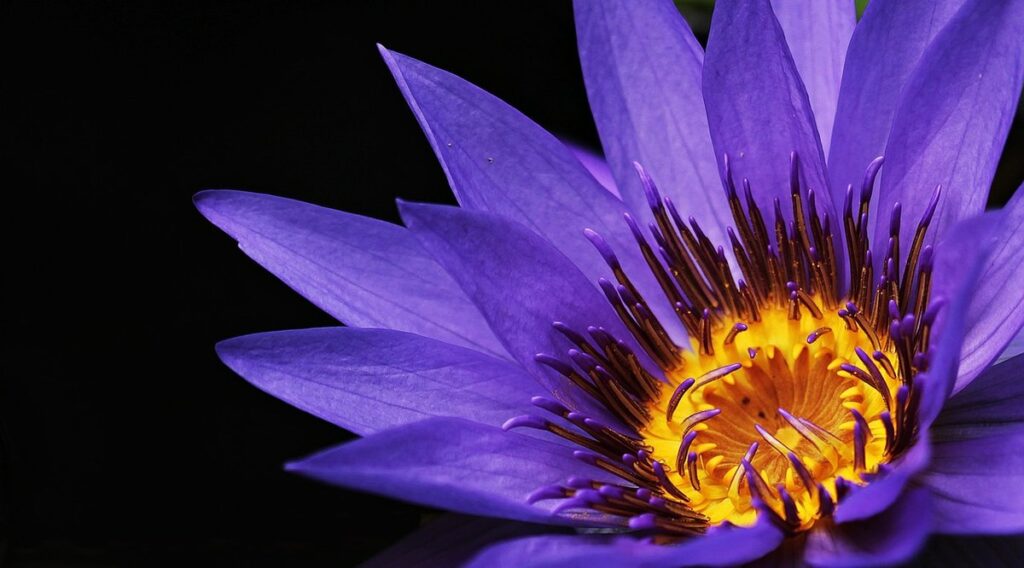
From delicate pansies to vibrant heliotrope, discover the diverse range of flowers that showcase stunning violet hues, perfect for adding a pop of color to your garden. Let’s explore each one!
Native Violet Species
Native violet species are a delightful discovery for flower enthusiasts. These beautiful blooms are not only stunning but also often found growing naturally in their respective habitats. Let’s take a closer look at two notable native violet species: the American dog violet and the common periwinkle.
The American dog violet (Viola sororia) is a charming, low-maintenance perennial that thrives in woodland areas across eastern North America. Characterized by its delicate purple flowers with yellow centers, this species often forms colonies on forest floors. If you’re interested in cultivating this species in your garden, ensure it receives partial shade and well-draining soil.
The common periwinkle (Vinca minor) is a popular, invasive species native to Europe but naturalized in many parts of the world. Its vibrant blue-purple flowers are a favorite among flower lovers. However, be aware that this plant can spread aggressively, so exercise caution when introducing it to your garden.
When foraging or planting these native violet species, remember to respect local regulations and ensure you’re not harming the environment. By understanding their unique characteristics and needs, you’ll be better equipped to appreciate and care for these beautiful flowers in their natural habitats.
Hybrid Violet Varieties
Hybrid violet varieties have revolutionized the world of flower gardening with their vibrant colors and unique characteristics. One such variety is pansies, which are bred for their striking colors and delicate appearance. These flowers come in a range of colors including purple, blue, pink, yellow, white, and bi-colored. Pansies are known to thrive in cooler temperatures and well-drained soil, making them an excellent choice for spring and fall gardens.
Another popular hybrid violet variety is violas, which are often used as a groundcover or in containers. Violas come in various shades of purple, blue, yellow, and white, with some varieties having unique markings like stripes or dots. These flowers prefer partial shade and moist soil, making them ideal for woodland gardens or areas with high humidity.
When growing hybrid violet varieties like pansies and violas, it’s essential to choose a location with the right amount of sunlight and moisture. These plants are relatively low maintenance but require regular watering and fertilization to keep their vibrant colors intact. By following these simple tips and choosing the right variety for your garden, you can enjoy these stunning flowers all season long.
Exotic Flower Options
If you’re looking for an added touch of elegance and sophistication to your violet-inspired arrangement, consider incorporating exotic flowers with similar color palettes. One popular option is orchids, which come in a range of shades from pale lilac to deep plum. Their delicate, exotic blooms add an air of mystery and romance to any setting.
Another contender is the glad (also known as the gladiolus), whose slender stems and vibrant purple hue make it a natural fit for violet-inspired arrangements. With over 100 species to choose from, you’re sure to find one that suits your taste and style. To incorporate these flowers into your arrangement, start by selecting a few statement pieces – such as a show-stopping orchid or a dramatic glad – and then add in some filler flowers like baby’s breath or queen anne’s lace to create a lush, full look.
When pairing exotic flowers with violets, remember that less is often more. A few strategically-placed blooms can make a bigger impact than a bunch of smaller, less-interesting flowers. So don’t be afraid to get creative and experiment with different combinations – you never know what stunning results you might achieve!
Growing and Caring for Violet Plants
To help your violets thrive, you’ll want to learn how to properly water, fertilize, and prune them to ensure they continue to bloom beautifully throughout the growing season.
Soil Preparation and pH Levels
When it comes to growing vibrant violet plants, proper soil preparation is crucial. Violets thrive in well-draining, fertile soil with a pH level between 6.0 and 7.0. If the soil’s pH falls below or above this range, it can lead to nutrient deficiencies and stunt plant growth.
To prepare your soil for violet cultivation, start by testing its pH level using a soil test kit. Based on the results, adjust the pH accordingly. If your soil is too acidic (pH < 6.0), add lime to increase the pH level. Conversely, if it's too alkaline (pH > 7.0), incorporate elemental sulfur or peat moss.
For optimal growth, also ensure your soil has a mix of organic matter such as compost, humus, or leaf mold. These materials will not only improve soil structure but also provide essential nutrients for violet plants to flourish. When repotting violets, use a good quality potting mix that caters to their specific needs. This will help you avoid potential nutrient deficiencies and promote healthy root development.
Watering and Humidity Requirements
When it comes to watering and maintaining the right humidity levels for your violet plant, it’s essential to replicate the conditions found in their natural habitat. As a general rule of thumb, violets prefer moist soil that is allowed to dry slightly between waterings. Overwatering can be detrimental, leading to root rot and other issues.
To achieve the perfect balance, start by watering your violet plant when the top inch of soil feels dry to the touch. Water thoroughly until you see water coming out of the drainage holes in the pot. Reduce watering during the winter months when the plant is dormant.
Maintaining humidity levels around 40-50% is ideal for violets. You can increase the moisture in the air by placing the pot on a tray filled with water and pebbles or using a humidifier nearby. Keep in mind that violets are more susceptible to root rot when exposed to high humidity, so monitor your plant’s response carefully.
Monitor your plant’s condition closely, adjusting watering and humidity levels as needed. With attention to these subtleties, you’ll be well on your way to creating an optimal environment for your violet plant to thrive in.
Fertilization and Pruning Techniques
When it comes to maintaining healthy and thriving violet plants, fertilization and pruning techniques play a crucial role. Violets require a balanced diet of nutrients to produce vibrant flowers and lush foliage. A well-rounded fertilizer rich in nitrogen, phosphorus, and potassium will promote growth and bloom production.
To fertilize your violets, use a water-soluble fertilizer (20-20-20) and dilute it to half the recommended strength. You can also add compost tea or worm casting to provide essential micronutrients. Apply the fertilizer once a month during the growing season, from spring to fall. Avoid over-fertilizing, as this can damage the roots.
Pruning is another essential technique for maintaining violet plants. Remove dead or dying flowers and foliage to prevent the spread of disease and encourage new growth. Cut back leggy stems to promote bushy growth and increase bloom production. Pinch off flower buds to direct energy towards leaf production during the growing season. Regular pruning will also help control the plant’s shape and size, making it easier to care for.
Design Ideas for Incorporating Violets
Now that you’ve learned all about violets, let’s dive into some beautiful design ideas to incorporate these lovely flowers into your home decor. From bouquets to garlands, we’ll explore it all!
Floral Arrangements and Bouquets
When it comes to creating stunning floral arrangements or bouquets using violet-colored flowers, there are several suggestions you can follow. First and foremost, choose a mix of violets with different shades of purple to add depth and visual interest to the arrangement.
Consider pairing dark, rich purples with lighter lavender tones for a dramatic effect. You can also experiment with combining violets with other flowers like delphiniums, hydrangeas, or roses in complementary colors to create a unique look.
When selecting violets for your bouquet, opt for a mix of loose and compact blooms to add texture and visual interest. For a more elegant arrangement, try arranging the stems in a symmetrical pattern and securing them with floral wire.
To prevent the stems from drying out too quickly, trim them at an angle before placing them in water. This will help the flowers absorb water more efficiently and extend their vase life.
Consider using simple yet elegant vases or containers to let the beauty of the violets shine through. You can also get creative by repurposing old jars, mason jars, or other unique containers to add a personal touch to your arrangement.
Garden Design and Layout
When designing a garden with violets, it’s essential to consider companion planting and color schemes to create a visually appealing and harmonious space. Violets are delicate flowers that thrive in shade, making them an excellent choice for woodland gardens or areas with dappled sunlight.
To incorporate violets into your garden design, pair them with plants that complement their delicate purple hue. Some suitable companions include ferns, hostas, and impatiens, which add depth and texture to the space without overpowering the violets.
In terms of color schemes, violets can be used as a focal point in a monochromatic garden design featuring various shades of purple. Alternatively, combine them with bold, bright colors like yellow or orange to create a striking contrast. For example, pair violet flowers with golden-leaved hostas or bright-red begonias for a vibrant and eye-catching display.
Remember to consider the mature size of your violets when planning your garden design. They can spread rapidly, so be sure to leave enough space between plants to prevent overcrowding and promote healthy growth.
Home Decor Inspiration
When it comes to incorporating violets into your home decor, the possibilities are endless. For a romantic and whimsical touch, consider pairing fresh violet blooms with lush greenery like eucalyptus or ferns in a beautiful vase arrangement. This adds a delicate, vintage feel to any room.
Alternatively, you can create a stunning centerpiece by filling mercury glass vases with a single stem of vibrant purple violets. This look is perfect for formal dinner parties or special occasions. For a more casual setting, try grouping small pots of violet flowers together on a side table or coffee table.
To bring the beauty of violets indoors year-round, use them as a focal point in your planters and containers. Choose from a variety of shapes, sizes, and materials to suit your home’s style. For example, add a few sprigs of fresh violets to a terracotta pot filled with herbs or succulents for a charming combination.
Consider mixing violet flowers with other blooms like roses or hydrangeas for a stunning arrangement that adds depth and interest to any room. With a little creativity, the delicate beauty of violets can become a stunning addition to your home decor.
Benefits of Violet-Colored Flowers
Adding violet-colored flowers to your garden can bring numerous benefits, from attracting pollinators to adding a pop of color to your outdoor space. Let’s explore these advantages in more detail.
Aesthetic Appeal
Violet-colored flowers are often overlooked for their beauty and elegance, but they possess a unique aesthetic appeal that can elevate any setting. Whether it’s a garden, indoor space, or wedding decor, these stunning blooms bring an unparalleled sense of sophistication and whimsy.
One of the most striking aspects of violet-colored flowers is their ability to add a touch of mystery and romance to any environment. Their delicate, almost ethereal hue creates an otherworldly ambiance that’s perfect for creating intimate settings or adding a dramatic flair to existing decor.
When using violet-colored flowers in your design, consider pairing them with complementary colors like white, pale pink, or silver to create a visually striking contrast. This subtle yet effective combination will add depth and interest to any arrangement or bouquet.
Incorporating violet-colored flowers into your garden or indoor space can also be done through simple yet thoughtful arrangements, such as a single stem placed in a vase on a coffee table or a lush bunch added to a window box.
Medicinal and Symbolic Significance
Violets have been cherished for their medicinal and symbolic significance across cultures and centuries. In perfumery, violet oil is prized for its sweet, powdery fragrance, often used to create calming and soothing scents. The delicate petals of violets are also a key ingredient in traditional herbal remedies, particularly for skin issues like acne and eczema.
In the realm of symbolism, violets convey modesty, humility, and love. In ancient Greece and Rome, violets were associated with fertility and new beginnings. In Victorian England, a bouquet of violets was considered an emblem of secret love or a token of affection. To incorporate violets into your life, you can create a homemade perfume by infusing violet petals in a carrier oil or use dried violets as a natural ingredient in potpourri blends.
When using violets for medicinal purposes, be sure to use high-quality, organic sources and follow proper preparation guidelines to avoid any adverse reactions.
Mood-Boosting Effects
Research has shown that violet-colored flowers have a profound impact on our mental well-being. Studies have found that these vibrant blooms can significantly improve our mood and reduce stress levels. In fact, a study published in the Journal of Environmental Psychology discovered that people who were exposed to violet-colored flowers experienced a 40% decrease in anxiety levels.
This is not surprising, given the calming effects of violet hues on the human brain. The soothing color has been known to slow down heart rates and promote relaxation. But how can you harness the mood-boosting power of violet flowers? Start by adding a few violets to your indoor space – they’re easy to grow and require minimal maintenance.
Another way to reap the benefits is by using violet-colored flowers in floral arrangements. Not only do they add a pop of color, but their calming properties can also create a peaceful ambiance in any room. Try pairing violets with other soothing blooms like lavender or chamomile for an extra-relaxing effect.
Frequently Asked Questions
Can I grow violet plants indoors, or do they require a lot of sunlight?
Yes, many types of violet plants can thrive indoors with proper care, but some varieties may still require direct sunlight for a few hours a day. Research the specific needs of your chosen plant to ensure you provide the right conditions.
How often should I water my violet plants, especially during periods of drought?
Watering frequency depends on factors like soil type, climate, and humidity levels. Generally, violet plants prefer moist but not soggy soil. Water when the top inch of soil feels dry, but avoid overwatering to prevent root rot.
What are some common pests or diseases that can affect violet plants, and how do I control them?
Common issues include aphids, spider mites, and powdery mildew. Inspect your plants regularly for signs of infestation or disease. Use neem oil or insecticidal soap to control pests, while treating fungal infections with a fungicide.
Can I propagate violet plants by division, or do they need specialized techniques?
Yes, many types of violets can be propagated through division, which involves separating the roots and replanting them in well-draining soil. This method is often more successful than seed propagation and helps ensure consistent results.
How long does it take for violet seeds to germinate, and what’s the optimal temperature for germination?
Germination times vary depending on factors like seed quality and temperature. Generally, violet seeds can take anywhere from 1-3 weeks to germinate at temperatures between 65°F (18°C) and 75°F (24°C). Keep soil consistently moist during this period to encourage healthy growth.