
Identifying spiky tree seed pods can be a challenge, but with the right knowledge, you’ll be a pro in no time. As a nature enthusiast or simply someone who loves spending time outdoors, it’s fascinating to explore the intricate details of trees and their unique features. Spiky tree seed pods are an essential part of many tree species, serving as a vital means for dispersal and growth. However, distinguishing between different types can be tricky, which is why we’ve put together this comprehensive guide. In this article, you’ll learn about the morphology, habitat, and identification techniques specific to various spiky tree seed pods. We’ll delve into their characteristics, dispelling common misidentifications along the way, so you can confidently identify these unique structures in the wild.
Understanding the Basics
To start your spiky tree seed pod identification journey, let’s first cover the fundamental concepts and essential information that will help you build a strong foundation in botany. This includes learning about plant families, growth patterns, and other key characteristics.
What Are Spiky Tree Seed Pods?
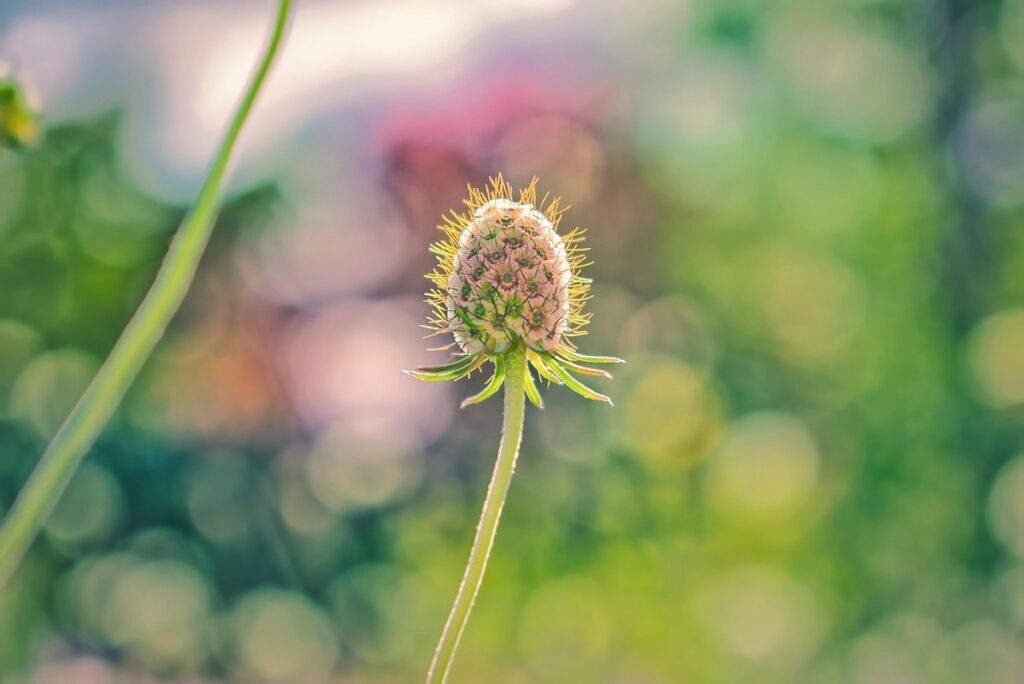
Spiky tree seed pods are a unique and fascinating aspect of certain tree species. These seed pods have evolved distinct characteristics that serve specific purposes, allowing them to disperse seeds effectively. One of the most notable features is their spiny or thorny exterior, which acts as a defense mechanism against herbivores and other potential threats.
These seed pods often grow in clusters or sprout from a single stem, adding to their distinctive appearance. The shape and size can vary greatly depending on the tree species, but they usually have a hard, woody texture that helps protect the seeds within.
The spiny exterior also serves another purpose: it aids in seed dispersal. When animals or humans touch the spiky pods, the thorns cause them to release the seeds, which are then carried away from the parent plant. This mechanism promotes the spread of the tree’s genetic material while also reducing competition for resources.
When identifying spiky tree seed pods, observe their overall shape, size, and coloration. Note any distinctive patterns or markings on the surface. Pay attention to how they grow in relation to other parts of the tree and their surrounding environment.
Types of Trees with Spiky Seed Pods
When identifying spiky tree seed pods, it’s essential to understand that various tree species produce these distinctive structures. Among deciduous trees, the Acacia genus is a prominent example, with over 1,300 species worldwide. The thorny Acacia seeds are often carried on the wind, dispersing them across different regions.
Evergreen trees also exhibit this trait, with some species like the Cycas revoluta, also known as the Sago Palm, producing seed cones that resemble spikes. These spiky structures contain numerous tiny seeds that help in their reproduction and dispersal. Other evergreen trees, such as certain species of Eucalyptus, may produce seed pods with sharp edges.
Identifying these tree types is crucial for accurate identification. Look out for characteristics like leaf shape and arrangement, bark texture, and growth patterns. For example, Acacia trees often have compound leaves, while Sago Palms have long, needle-like leaves. By observing these distinguishing features, you can narrow down the possibilities and arrive at a more precise identification of the spiky tree seed pods in question.
Importance of Identifying Tree Species
Accurately identifying tree species is crucial when it comes to spiky seed pods. The reason for this is twofold: first, different trees have varying requirements and tolerances; second, some seeds are toxic while others are harmless.
When working with spiky seed pods, understanding the specific tree species can help prevent potential hazards or allergic reactions. For example, the seed pod of the Osage orange (Maclura pomifera) is particularly notorious for causing skin irritation in some individuals.
Moreover, accurate identification allows gardeners and foresters to select the right species for their specific climate and needs. This reduces the risk of introducing invasive species that might disrupt local ecosystems.
To identify tree species correctly, observe key characteristics such as leaf shape, bark texture, growth patterns, and flowering times. Consult field guides or online resources for detailed descriptions and images of various species.
Morphology and Structure
When examining a spiky tree seed pod, understanding its morphology and structure is crucial for accurate identification. This includes observing patterns of thorns and ridges, as well as the overall shape and size of the pod itself.
Visual Characteristics of Spiky Seed Pods
When examining spiky tree seed pods, one of the most distinctive visual characteristics is their shape. Typically, they are irregularly shaped and often have a rounded or oval form. The surface may be smooth, but more often than not, it features numerous pointed projections that give them their ‘spiky’ appearance. These projections can vary in length and distribution across the seed pod’s surface.
Size can also serve as a distinguishing feature, with spiky seed pods usually being relatively large compared to other types of seed pods. They can range from 2-10 inches (5-25 cm) in length and up to 1 inch (2.5 cm) in width. However, the size may not always be consistent across all species.
Color plays a significant role as well, with most spiky tree seed pods being brown or tan, sometimes featuring lighter or darker streaks. Texture is another essential aspect, often featuring a leathery or woody feel to them due to their hard outer coating. When handling seed pods, take note of these characteristics and compare them with any known reference images for accurate identification.
Spike Arrangement and Pattern
The arrangement and pattern of spikes on tree seed pods can vary significantly among different species. When examining a spiky seed pod, look for distinctive patterns such as radial symmetry, where the spikes radiate from a central point like spokes on a wheel. This is common in plants like the Monkey Puzzle Tree (Araucaria araucana) and the Norfolk Island Pine (Araucaria heterophylla).
Other species may display a more helical or twisted arrangement of spikes, as seen in the Chinese Parasol Tree (Fagus longipetiolata). In some cases, the spikes may be closely packed and densely arranged, while others can have more sparse, scattered patterns.
Observe the orientation and direction of the spikes. Are they pointing upwards, outwards, or are they bent towards the stem? These observations can help narrow down the identification possibilities. Note that the arrangement of spikes is often correlated with other morphological features such as seed pod shape, size, and coloration. By paying attention to these details, you’ll be better equipped to identify spiky tree seed pods accurately.
Other Identifying Features
When examining spiky tree seed pods, it’s essential to consider other identifying features that can help narrow down their identity. One key aspect is the shape and arrangement of leaves. For instance, if the seed pod has large, waxy leaves with a pointed tip, it may be a member of the Euphorbia family. On the other hand, if the leaves are small, rounded, and clustered at the base of the stem, it could indicate a different species.
The bark texture can also provide valuable clues. Some spiky tree seed pods have thick, gray bark that’s deeply furrowed, while others may have smooth, reddish-brown bark with prominent ridges. In some cases, the bark may even be covered in sharp thorns or spines. Take note of these characteristics and compare them to images or descriptions of different species.
Another aspect to consider is the flower characteristics, if present. Some spiky tree seed pods produce showy flowers that are highly fragrant and attract pollinators. In contrast, others may have small, inconspicuous flowers that are clustered at the stem tips. By paying attention to these details, you can begin to rule out certain species and get closer to identifying your mystery spiky tree seed pod.
Habitat and Distribution
Now that you’ve identified a spiky tree seed pod, it’s time to understand where they come from. This section delves into their natural habitats and global distribution patterns.
Native and Non-Native Species
When it comes to identifying spiky tree seed pods, understanding their native and non-native distribution is crucial. This knowledge helps you pinpoint potential locations where these trees can be found, making identification easier. Native species are those that have evolved over time within a specific region or continent.
The geographic distribution of spiky tree seed pods varies across the globe. In North America, for example, the Osage orange (Maclura pomifera) is native to the central and southern regions. Its distinctive spiky pods can be found growing in the wild along roadsides and in open woodlands. On the other hand, non-native species such as the Mysore thorn (Mimusops caesia) have been introduced to various parts of North America through human activity.
When searching for spiky tree seed pods, it’s essential to consider both native and non-native species. Familiarize yourself with local flora to distinguish between these two categories. This will not only enhance your identification skills but also help you recognize potential invasive species that could disrupt the ecosystem.
Climate and Soil Preferences
When it comes to identifying spiky tree seed pods, understanding their environmental preferences is crucial. Trees with these unique seed pods have adapted to specific climate and soil conditions over time. Typically, they thrive in regions with a warm and subtropical climate, where temperatures range from 64°F to 90°F (18°C to 32°C). This allows them to grow rapidly during the warmer months and survive mild winters.
In terms of soil type, spiky tree seed pods tend to favor well-draining, sandy or loamy soils. These conditions enable the roots to breathe easily and absorb essential nutrients efficiently. However, it’s worth noting that some species can tolerate a range of soil types, including clay and rocky substrates. When searching for these trees in the wild, look for areas with full sun to partial shade and adequate moisture levels.
Keep in mind that some spiky tree species are more tolerant of drought than others. Researching the specific requirements of the seed pod you’re identifying can help narrow down its habitat range. By understanding the climate and soil preferences of these trees, you’ll be better equipped to identify their unique characteristics and habitats.
Co-Occurring Plant Species
When exploring the natural habitats of trees with spiky seed pods, you’ll often encounter other plant species that thrive alongside them. These co-occurring plant species play a crucial role in shaping the ecosystem and can be an essential factor in spiky tree seed pod identification.
Some common examples of plants that commonly grow near trees with spiky seed pods include ferns, wildflowers, and grasses. In tropical regions, you might find vines like passionflower or strangler fig snaking up the trunks of these trees, while in dry climates, cacti and succulents can be a dominant presence.
When navigating your way through dense undergrowth, take note of the types of plants that are dominating the landscape. If you’re searching for a specific spiky tree species, look for indicators like distinctive leaf shapes or bark patterns. For instance, the Brazilian pepper tree is often surrounded by dense stands of bamboo or small shrubs.
Keep an eye out for these co-occurring plant species to gain valuable insights into your surroundings and narrow down your search for the spiky tree seed pods you’re trying to identify.
Identification Techniques
Let’s dive into some practical identification techniques that’ll help you confidently identify spiky tree seed pods. We’ll cover the key characteristics to look for.
Visual Observation and Photography
Visual observation and photography are essential tools for identifying spiky tree seed pods. When encountering a seed pod with spikes, take note of its overall shape, size, color, and the arrangement of spines. Look for distinctive features such as ridges, patterns, or markings on the surface.
Capturing clear images is crucial to accurately identify the seed pod. When taking photographs, try to capture multiple angles, including close-ups of the spikes, the base of the stem, and any notable features. Use a macro lens or a smartphone with a high-quality camera to get detailed shots. Consider using natural light or investing in a softbox for optimal lighting.
When examining images of spiky tree seed pods online or in field guides, pay attention to the resolution and clarity of the photos. Look for images that showcase the seed pod’s texture, as this can be a key identifying characteristic. By combining visual observation with photography skills, you’ll be well-equipped to accurately identify spiky tree seed pods and expand your knowledge of these fascinating plants.
Measurement and Comparison
When it comes to identifying spiky tree seed pods, measurement and comparison are crucial steps that can’t be overlooked. The first step is to carefully measure the length, width, and thickness of the seed pod, as well as its spike or thorn arrangement. This information will help you narrow down your search and make a more informed identification.
To compare your findings with reference materials or online resources, start by researching the characteristics of known spiky tree species. Websites like USDA PLANTS and iNaturalist often provide detailed descriptions, images, and measurements that can be used as a guide. You can also consult field guides or botanical books for more in-depth information.
Another effective way to compare seed pods is through online forums or social media groups dedicated to plant identification. Share your photos and measurements with experts and enthusiasts, and ask for their input. This community-driven approach can often lead to accurate identifications and a deeper understanding of the spiky tree species you’re trying to identify.
Consultation with Experts
When attempting to identify spiky tree seed pods, it’s easy to get caught up in misinformation and confusion. However, there are experts who can provide invaluable guidance to help you accurately identify these unique structures. Consulting with botanists or arborists is a crucial step in the identification process.
These professionals have spent years studying plant species and their characteristics. They can examine your seed pod, take note of its shape, size, color, texture, and other distinctive features. With this information, they can make an informed decision about its identity. You may be surprised to learn that a seemingly ordinary seed pod could actually belong to a rare or exotic tree species.
In many cases, botanists and arborists have access to extensive databases and reference materials, allowing them to cross-reference your findings with known specimens. This level of expertise can save you time and effort in the long run, as well as ensure that you’re not misidentifying a potentially valuable or endangered species.
Common Misidentifications and Confusions
You might be surprised by how easily some seed pods can be mistaken for others, so let’s clear up a few common misconceptions right away. We’ll explore the most frequent misidentifications you should watch out for.
Similar-Looking Seed Pods
When navigating the world of spiky tree seed pods, it’s not uncommon to encounter confusion when identifying these unique structures. One common misidentification occurs when mistaking a spiky seed pod for another plant feature that resembles it.
For instance, some individuals may mistake a spiky seed pod for a thorny branch or a sharp leaf tip. However, a closer inspection usually reveals distinct differences. Spiky seed pods often have a dry, woody texture and a hollow interior, which is not typically found in branches or leaves.
Another potential misidentification arises when confusing spiky seed pods with similar-looking seed pods from different tree species. For example, the seed pods of the mimosa tree (Albizia julibrissin) can easily be mistaken for those of the spiny hackberry tree (Celtis pallida), due to their similarities in shape and size.
To avoid such misidentifications, it’s essential to familiarize yourself with the unique characteristics of each species. Pay close attention to details like texture, color, and overall morphology. Consult field guides or online resources for accurate information on spiky tree seed pods and their distinguishing features.
Insect or Fungal Associations
When examining spiky tree seed pods, it’s not uncommon for them to be associated with various insects or fungi. These external factors can sometimes lead to misidentification of the seed pod itself.
Some insects like bees and wasps are often found hovering around spiky tree seed pods, as they’re attracted to the nectar-rich flowers that produce these pods. This association is especially prevalent in plants like the Osage orange (Maclura pomifera) or the poinciana tree (Delonix regia). As a result, it’s essential to inspect the seed pod more closely before making an identification.
Fungi can also play a role in seed pod misidentification. For instance, certain species of fungi might infect the seed pod, causing it to appear discolored or develop unusual growths. This could be mistaken for signs of disease or damage to the tree itself. To accurately identify spiky tree seed pods, take note of any surrounding insects or fungal growth and consider whether they’re influencing your observation.
Other Factors Contributing to Misidentification
Misidentification of spiky tree seed pods can be further complicated by other factors beyond their natural characteristics. Weathering and damage are two common culprits that can lead to misidentification.
Weathering, for instance, can cause the distinctive spines on a seed pod to break off or become dislodged, making it harder to recognize the species. This is especially true in areas with high winds, extreme temperatures, or heavy rainfall. A seed pod that has been weathered may resemble a different plant altogether, leading to incorrect identification.
Damage from animals or human activity can also cause seed pods to be misidentified. For example, if an animal has gnawed on the spines of a seed pod, it may look like a different species entirely. Similarly, if a seed pod has been broken open or split by humans, its true identity may be obscured.
When examining a potentially misidentified seed pod, take note of any signs of weathering or damage before making an identification. This can help prevent incorrect conclusions and ensure that the correct species is identified.
Conclusion and Future Research Directions
As we conclude our comprehensive guide to identifying spiky tree seed pods, let’s summarize key takeaways and discuss potential avenues for further research. You now have a solid foundation in identifying these unique plants.
Recap of Key Points
In this comprehensive guide, we’ve covered key aspects of spiky tree seed pod identification. To recap, it’s essential to note that spiky seed pods are a unique feature found in various tree species worldwide. We discussed the importance of understanding the botanical characteristics, such as the presence of thorns or prickles, and the shape, size, and color of the seed pods.
We also emphasized the significance of considering the plant’s native region, growth habits, and any specific adaptation features that might aid identification. For instance, trees with spiky seed pods may be found in dry or tropical regions, which can help narrow down the possibilities.
Furthermore, we highlighted the importance of consulting field guides, botanical resources, and expert opinions when attempting to identify a spiky tree seed pod. By combining these approaches, individuals can gain confidence in their identification skills and accurately classify these unique structures.
Recommendations for Further Study
To further explore the fascinating world of spiky tree seed pods, several areas warrant investigation. For instance, researchers could delve into the ecological significance of these unique structures, examining their role in seed dispersal and plant reproduction. This might involve studying the intricate relationships between spiky seed pods and various animal species that interact with them.
Additionally, horticulturists may be interested in cultivating trees with desirable spiky seed pod traits for ornamental purposes or to develop more efficient seed collection methods. By experimenting with different tree varieties and environmental conditions, experts could unlock new possibilities for these intriguing plants.
In the realm of conservation, scientists might investigate how spiky tree seed pods can serve as indicators of ecosystem health or biodiversity. For example, monitoring changes in the abundance or characteristics of specific seed pod types could signal broader environmental shifts. By exploring these applications, researchers and practitioners alike can expand our understanding of spiky tree seed pods and their importance within ecosystems.
Frequently Asked Questions
Can I start identifying spiky tree seed pods without any prior knowledge of botany?
Yes, our guide is designed to be accessible to nature enthusiasts with little to no background in botany. However, having some basic understanding of plant families and growth patterns will certainly help you navigate the identification process more efficiently.
How do I differentiate between native and non-native species when encountering spiky tree seed pods?
When identifying spiky tree seed pods, it’s essential to consider their habitat and distribution. Native species tend to thrive in specific climatic conditions and soil types, whereas non-native species might be introduced by humans. Research the typical habitats of the species you’re trying to identify and look for any signs of human intervention.
What are some common mistakes to avoid when measuring and comparing spiky tree seed pods?
When measuring and comparing spiky tree seed pods, it’s crucial to take multiple measurements from various angles to ensure accuracy. Avoid relying on a single measurement or observation, as this can lead to misidentification. Additionally, consult with experts if you’re unsure about the significance of specific features.
Can I use visual observation alone to identify spiky tree seed pods in the wild?
While visual observation is an essential skill for identifying spiky tree seed pods, it’s not always sufficient on its own. Consider consulting field guides, online resources, or experts to confirm your findings and rule out potential misidentifications. Measurement, comparison, and consultation can help you make more accurate identifications.
How do I handle cases where insect or fungal associations complicate spiky tree seed pod identification?
In cases where insects or fungi are associated with spiky tree seed pods, be aware that these relationships can sometimes lead to confusion. Focus on the overall morphology and characteristics of the seed pod itself rather than relying solely on its association with other organisms. Consult field guides or experts for guidance on such complex scenarios.