
The beautiful lily flower has been a symbol of elegance and refinement for centuries, but its significance goes far beyond its stunning appearance. As members of the Liliaceae family, these flowers have been prized for their unique characteristics, versatility, and numerous health benefits. But did you know that there are over 80 species of lilies, each with its own distinct traits and uses? From the Tiger Lily to the Madonna Lily, each type offers a wealth of information waiting to be explored. In this comprehensive guide, we’ll delve into the history, symbolism, and advantages of lily flowers and their family, covering everything from types and growing tips to health benefits and more. Whether you’re a seasoned gardener or just starting out, get ready to discover the wonders of the lily flower and its family!
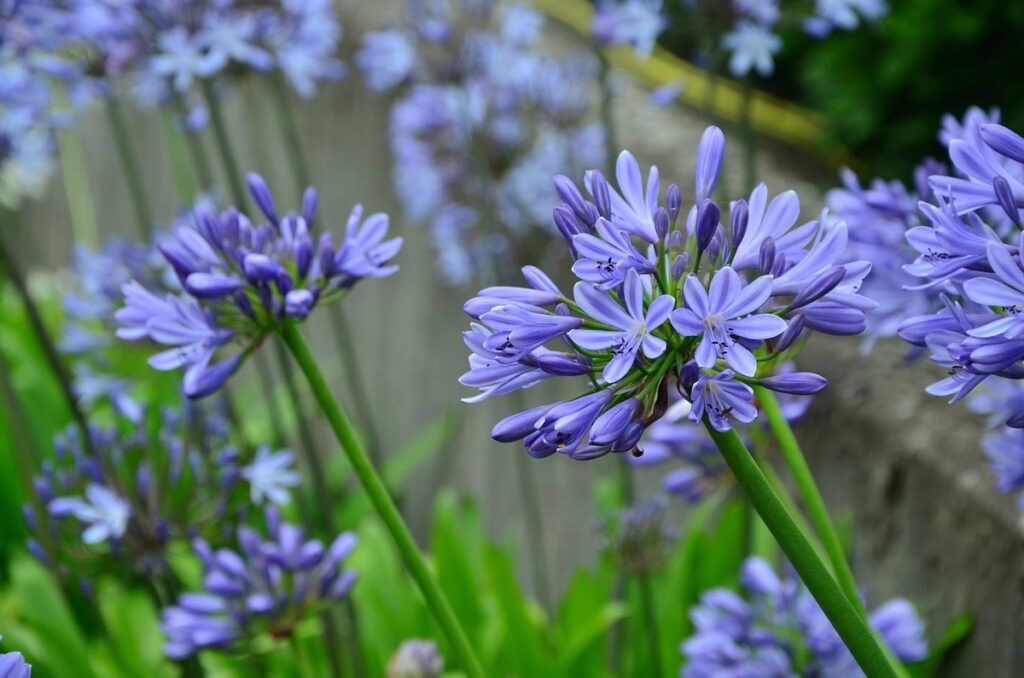
Introduction to Lilies
Let’s start by exploring what makes lily flowers so unique and fascinating, from their elegant appearance to their symbolic meanings. You’ll discover how this beautiful bloom has captured human imagination for centuries.
What are Lilies?
Lilies are one of the most recognizable and beloved flower families worldwide. But what exactly is a lily? From a botanical standpoint, lilies belong to the family Liliaceae, which comprises over 90 genera and more than 4,000 species. This diverse group includes true lilies (Hemerocallis spp.), daylilies, lilyturf, and many others.
Common characteristics of lilies include their showy, trumpet-shaped flowers that are typically fragrant, large, and brightly colored. The most well-known lily varieties have a distinctive “cupped” shape, with six petals arranged in two rows. Lilies also boast sturdy stems, dark green foliage, and long-lasting blooms.
Some species of lilies even exhibit unique features like recurved or ruffled petals, making them stand out among the crowd. Notably, all true lilies have three inner petals (called tepals) that resemble sepals rather than petals. As a result, their unique appearance often leads to confusion with other flowers, especially in the garden setting.
One thing is certain: the beauty and diversity of lily species have captivated gardeners for centuries.
Types of Lilies
When it comes to lilies, one of the most exciting aspects is the incredible diversity of types within this beautiful flower family. With over 80 species and countless hybrids, you’ll find a stunning variety of lily blooms to suit every taste and preference.
Let’s start with some of the most popular types: Asiatic and Oriental lilies are two distinct categories that have gained immense popularity among gardeners and florists alike. Asiatic lilies, often early bloomers, boast bright colors and slender stems, while Oriental lilies, known for their intoxicating fragrance, typically produce more compact blooms.
Another iconic type is the Tiger lily (Lilium lancifolium), recognizable by its striking red-and-yellow striped petals and statuesque growth habit. For those seeking something a bit different, Daylilies (Hemerocallis) – often mistakenly referred to as true lilies – offer an impressive display of strap-shaped leaves and vibrant blooms that last just one day but make up for it with their sheer quantity.
When choosing the perfect lily type for your garden or floral arrangements, consider factors like bloom time, fragrance, color palette, and mature plant size.
History and Origins of Lilies
The lily flower has a rich and fascinating history, dating back thousands of years to ancient civilizations where it was revered for its beauty and symbolic meaning. Let’s explore how this stunning bloom came to be.
Ancient Cultivation of Lilies
In ancient times, lilies were not only admired for their striking beauty but also revered for their medicinal properties. The earliest recorded cultivation of lilies dates back to ancient China, where they were grown for their fragrance and used in traditional medicine. The Chinese believed that lilies possessed calming and soothing qualities, making them a popular ingredient in herbal remedies.
In Greece and Rome, lilies were considered symbols of purity and innocence. They were often depicted in art and literature as emblems of refined beauty. These ancient civilizations cultivated various species of lilies, including the Madonna Lily (Lilium candidum) and the Tiger Lily (Lilium lancifolium). The Greeks used lily extracts to treat a range of ailments, from fever to skin conditions.
As trade routes expanded, lily cultivation spread throughout the Mediterranean region. Monasteries in Europe became centers for lily cultivation, with monks carefully cultivating and hybridizing different species. These early cultivars were often sought after for their fragrant blooms, which were used to create perfumes and decorations for churches and homes.
Spread of Lilies Across the World
As lily cultivation spread from its origins in Asia to other parts of the world, it was carried by traders and explorers who introduced these beautiful flowers to new regions. One of the earliest recorded introductions was to Europe by the Romans, who prized lilies for their fragrance and beauty.
However, as European explorers began to venture further afield, they discovered that lilies were not always easy to cultivate in their adopted climates. To overcome this challenge, gardeners developed new techniques such as forcing bulbs and creating greenhouses to provide the necessary temperature and humidity for optimal growth.
Lily cultivation soon took hold in many parts of the world, with different regions developing unique varieties suited to local conditions. For example, in the United States, the Asiatic lily was introduced by European settlers and quickly became popular due to its ability to thrive in a variety of climates.
Today, with advances in horticulture and transportation, it’s easier than ever for gardeners around the world to access lily bulbs from various regions. This has led to an explosion of new varieties, with breeders continually pushing the boundaries of what is possible with these stunning flowers.
Characteristics and Symbolism of Lilies
Lilies have been imbued with rich symbolism across cultures, conveying messages of purity, innocence, and refined beauty. Let’s delve into their characteristics and explore what these meanings are all about.
Physical Characteristics of Lilies
Lilies are known for their majestic and elegant appearance, and understanding their physical characteristics can help you appreciate them even more. When it comes to their flowers, lilies come in a wide range of colors, including whites, yellows, pinks, and bi-colors. The trumpet-shaped blooms are typically large, measuring between 3-12 inches in length, and often have three petals with a curved shape.
The leaves of lilies are long and narrow, usually ranging from 1 to 4 feet in length. They are dark green in color and grow in an alternate pattern along the stem. The stems of lily plants are typically strong and upright, growing anywhere from 2 to 6 feet tall depending on the variety. Some types of lilies have a tendency to lean towards direct sunlight, while others remain upright even without any support.
The roots of lilies are also worth noting, as they can grow quite deep in search of water and nutrients. When planting lily bulbs, it’s essential to plant them at least 3-4 times their height below the soil surface to allow for proper root development. By understanding these physical characteristics, you’ll be better equipped to provide your lily plants with the care they need to thrive.
Symbolic Meaning of Lilies
Lilies have been imbued with symbolic meanings across various cultures, reflecting their striking beauty and delicate appearance. In many Western societies, lilies are synonymous with purity and innocence, often used in wedding bouquets and decorations to signify a bride’s virginity. This association is rooted in Christianity, where the white lily represents the Virgin Mary.
In Eastern cultures, such as Japan and China, lilies symbolize refined beauty and good fortune. In these societies, white lilies are considered a symbol of modesty and humility. The Japanese, in particular, have a long history of associating lilies with the spiritual realm, often using them in Buddhist rituals to honor the dead.
In many cultures, lilies are also seen as a symbol of new life and renewal, representing hope and rebirth. This is reflected in their use in springtime celebrations and Easter decorations. By understanding these symbolic meanings, you can appreciate the deeper significance behind the lily’s beauty and choose them wisely for various occasions.
Growing and Caring for Lilies
Now that you have your lily blooms, it’s time to focus on growing and caring for these beautiful flowers, ensuring they thrive in their new environment. With proper care, you can enjoy stunning lilies year after year.
Choosing the Right Environment
When it comes to growing lilies, choosing the right environment is crucial for their health and blooming success. As a lily enthusiast, you’re probably eager to provide your bulbs with the perfect conditions to thrive.
First and foremost, consider the temperature. Most lily varieties prefer full sun to partial shade, but extreme temperatures can be detrimental. If you live in an area with harsh winters or scorching summers, choose varieties that are tolerant of these conditions. For example, ‘Canada’ and ‘Madonna White’ lilies are known for their cold hardiness, while ‘Tiger Orlando’ and ‘Casablanca’ excel in warmer climates.
In terms of light, lilies generally require at least six hours of direct sunlight per day. However, some varieties like the Asiatic and Oriental hybrids can tolerate partial shade. When it comes to soil, lilies prefer well-draining, fertile ground that’s rich in organic matter. Avoid planting in areas with standing water or where water tends to collect.
Lastly, consider the moisture levels in your garden. Lilies need consistent moisture, especially when they’re producing buds and flowers. Aim to provide about 1-2 inches of water per week, either through rainfall or irrigation. Keep in mind that overwatering can be detrimental, so make sure not to saturate the soil.
In addition to these factors, also think about the microclimate of your garden. For example, if you have a spot with high winds, it may be best to plant lilies on the north side of a building or fence to protect them from harsh gusts. By taking into account these environmental considerations, you’ll be well on your way to creating an ideal growing environment for your lily bulbs.
It’s also worth noting that different types of lilies have varying requirements when it comes to soil pH and nutrient levels. For example, the Madonna White lily prefers slightly acidic soil with a pH between 6.0-7.0, while the Tiger Orlando variety can tolerate more alkaline conditions.
Planting and Maintenance Techniques
When it comes to growing and caring for lilies, proper planting and maintenance techniques are crucial for their survival and blooming success. To begin with, choose a location that receives full sun to partial shade, depending on the variety of lily you’re cultivating. Dig a hole twice as deep as the bulb’s height, and add a layer of compost or well-rotted manure to improve soil fertility.
Water your lilies thoroughly after planting, and keep the soil consistently moist during their first growing season. As for fertilization, use a balanced, slow-release fertilizer in early spring when new growth appears, and again after blooming has finished. Be mindful not to over-fertilize, as this can lead to weak blooms.
Regular pest management is also essential. Inspect your lilies regularly for signs of aphids, slugs, or snails, which can be controlled using neem oil or hand-picking. Additionally, deadhead spent blooms promptly to encourage repeat flowering and maintain a tidy appearance. By following these planting and maintenance tips, you’ll be well on your way to cultivating thriving, vibrant lilies in your garden.
Types of Lily Families
Within the Lily family, there are several distinct groups that share common characteristics and features. Let’s explore some of these fascinating sub-families together.
Liliaceae Family Overview
The Liliaceae family is one of the largest and most diverse plant families, comprising over 90 genera and more than 4,500 species. These plants are classified as monocots, meaning they have one cotyledon (seed leaf) during germination. The Liliaceae family encompasses a wide range of flowering plants that vary in appearance, growth habits, and characteristics.
Notable members of the Liliaceae family include onions, garlic, and hyacinths, all of which are commonly used as ornamentals or for their edible bulbs. Onions and garlic are widely cultivated for their pungent flavors and medicinal properties, while hyacinths are prized for their vibrant flowers and intoxicating scents. Other notable members of the Liliaceae family include tulips, daffodils, and lilies themselves, which are highly valued for their showy blooms and long-lasting cut flower arrangements.
The unique characteristics of the Liliaceae family make them an essential part of many ecosystems and human cultures. Their versatility has led to a wide range of applications in cooking, medicine, and ornamental horticulture. By understanding more about this fascinating plant family, you can appreciate their significance and incorporate these plants into your own life for added enjoyment and benefits.
Subfamilies and Genera Within Liliaceae
The Liliaceae family is a diverse group of plants that encompasses many subfamilies and genera. One of the most notable subfamilies is the Lilioideae, which includes species such as the Easter lily (Lilium longiflorum) and the Tiger lily (Lilium lancifolium). This subfamily is characterized by its showy, trumpet-shaped flowers and long, narrow leaves.
Another important subfamily within the Liliaceae family is the Melanthioideae. This group includes species such as the white trillium (Trillium grandiflorum) and the red trillium (Trillium rubrum). The Melanthioideae are known for their distinctive three-petaled flowers and often produce clusters of small, white or purple flowers.
The subfamilies within Liliaceae also exhibit distinct relationships with each other. For example, the subfamily Colchicoideae is closely related to the subfamily Lilioideae, sharing similarities in flower structure and leaf morphology. In contrast, the subfamily Melanthioideae has distinct differences in its floral and foliage characteristics.
When exploring the various genera within the Liliaceae family, consider their unique features and relationships. By understanding these subtleties, you can better appreciate the diversity and complexity of lily families and choose species that best suit your needs for gardening or ornamental purposes.
Health Benefits and Medicinal Uses of Lilies
Lilies have been a trusted ally for centuries, offering relief from various ailments, and we’ll explore their impressive range of health benefits and medicinal uses in this section. From fever reduction to skin issues, their advantages are numerous.
Aromatic and Pharmacological Properties
Lily extracts have been prized for their aromatic and pharmacological properties for centuries. The essential oils found in lilies are used in perfumery to add a sweet, floral scent to fragrances. For example, the perfume industry uses extracts from Asiatic and Oriental lily varieties to create luxurious and sophisticated fragrances.
In addition to their use in perfumery, lily extracts have potential applications in cosmetics and medicine. The antibacterial and anti-inflammatory properties of certain lily extracts make them useful for skin care products that target acne-prone skin or wounds. Some studies suggest that the extract from Madonna lily (Lilium candidum) may have antiviral activity against human immunodeficiency virus (HIV).
The pharmacological properties of lilies have been studied extensively in traditional Chinese medicine, where they are used to treat a range of conditions including fever, rheumatism, and respiratory problems. However, more research is needed to fully understand the therapeutic potential of lily extracts and ensure their safe use as medicines.
As a consumer, it’s essential to note that not all lily varieties are created equal when it comes to extracting beneficial compounds. Some species, like the Tiger lily (Lilium lancifolium), contain toxic alkaloids that can be hazardous in large quantities. Always consult with an expert or follow established guidelines when using lily extracts for medicinal purposes.
Traditional and Modern Applications
Lily extracts have been utilized for centuries in traditional herbal remedies and modern pharmaceuticals. In ancient China, lily flowers were used to treat fever and rheumatism. Similarly, in Ayurvedic medicine, the flowers are believed to possess anti-inflammatory properties, making them effective against arthritis and other joint-related issues.
In modern times, lily extracts have been isolated and studied for their medicinal properties. Research has shown that certain compounds found in lilies exhibit anti-cancerous activity, particularly against breast cancer cells. Moreover, studies on the extracts’ antibacterial and antiviral properties suggest potential applications in developing new treatments for infections.
Several pharmaceutical companies are currently exploring the use of lily-derived compounds in their products. For instance, some medications used to treat insomnia and anxiety contain synthetic versions of lily alkaloids. As research continues to uncover the medicinal benefits of lilies, it’s essential to note that proper identification and preparation of the flowers are crucial for safe consumption.
Lily extracts can be obtained through various means, including distillation or infusion of dried flowers. When using lily-based remedies, it’s vital to follow recommended dosages and consult with a healthcare professional to avoid potential interactions or allergic reactions.
Conclusion: Appreciating the Lily Family
As we come to the end of our journey through the world of lily flowers and their fascinating family, let’s take a moment to appreciate their unique characteristics. You’ve gained a deeper understanding of these beautiful blooms and their closest relatives.
Recap of Key Points
As we conclude our comprehensive guide to the lily family, let’s take a moment to recap the key points that will help you appreciate and understand these beautiful flowers even better.
In this article, we explored the various types of lilies, including Asiatic, Tiger, Daylily, Easter, Oriental, and Trumpet lilies. We learned about their unique characteristics, such as bloom times, flower shapes, and fragrances, allowing you to choose the perfect variety for your garden or indoor space.
Additionally, we delved into the different parts of a lily plant, including the bulb, stem, leaves, and flowers. You now know how to properly care for each part to ensure optimal growth and health.
We also discussed the symbolism associated with lilies, their meanings in various cultures, and how they can be used as a meaningful gift or decoration. From representing innocence and purity to conveying love and devotion, lilies have become an integral part of our lives.
By understanding the ins and outs of the lily family, you’ll be better equipped to appreciate these stunning flowers and care for them with confidence.
Final Thoughts on the Significance of Lilies
As we conclude our comprehensive guide to the lily flower and its family, it’s essential to reflect on the significance of these beautiful blooms. Lilies have been a source of inspiration for artists, poets, and cultures around the world for centuries. Their elegance, fragrance, and symbolism have made them an integral part of various art forms, from paintings to literature.
Whether you’re an avid art enthusiast or simply appreciate their beauty in your garden, lilies offer a wealth of value that extends beyond their aesthetic appeal. They evoke emotions, represent love and purity, and even carry spiritual significance in many cultures. So, take a moment to pause and appreciate the lily’s unique qualities.
Incorporate lilies into your daily life by adding them to your decor or growing them in your garden. Not only will you experience their beauty firsthand, but you’ll also contribute to the preservation of these stunning flowers for future generations. By appreciating the value of lilies, we not only honor their cultural and artistic significance but also promote a deeper connection with nature itself.
Frequently Asked Questions
Can I grow lilies indoors with proper care?
Yes, you can grow lilies indoors if you provide them with the right conditions. Choose a bright location with filtered sunlight, maintain a consistent temperature between 65-75°F (18-24°C), and water carefully to avoid overwatering. Repot lilies annually in the spring using a well-draining potting mix. With proper care, indoor-grown lilies can thrive for years.
What are some common pests that affect lily plants?
Common pests like aphids, spider mites, and scale can infest lily plants. Regularly inspect your plants for signs of infestation, such as yellowing leaves or white powdery patches on the foliage. Treat affected areas with neem oil or insecticidal soap according to the product’s instructions.
How do I prevent lily pollen from spreading?
To minimize lily pollen dispersal, plant varieties that are sterile or have low pollen production. Keep plants away from walkways and roads where pollen can become airborne. Wear gloves when handling flowers, and wash your hands afterward. Regularly remove spent flowers to prevent seed formation.
Are all lilies safe for consumption in tea?
While some species of lily flowers may be used in herbal teas, not all are safe for human consumption. The Madonna Lily (Lilium candidum) is known for its edible flowers and has been used as a food source. However, other types like the Tiger Lily (Lilium lancifolium) contain insoluble sugars that can cause digestive issues if ingested.
Can I use lily essential oils for aromatherapy?
Yes, lily essential oils have been used in aromatherapy and perfumery due to their unique fragrance properties. However, be aware of the potential skin sensitization caused by some species like the Asiatic Lily (Lilium asiatica). Always dilute essential oils with a carrier oil before applying them to the skin, and consult with a healthcare professional or certified aromatherapist for guidance.