
Crabapple flowers are often overlooked, but they’re truly one of nature’s hidden gems. These beautiful blossoms come in a stunning array of colors, from soft pinks to vibrant reds and even pure whites. But it’s not just their physical attributes that make them so captivating – crabapple flowers also hold significant cultural and historical value. In many Asian cultures, the crabapple is considered a symbol of good fortune, while in European folklore, they’re said to bring good luck. But beyond their aesthetic appeal and cultural significance, crabapple flowers are also a vital source of food for wildlife, attracting bees, butterflies, and even hummingbirds. If you’re interested in growing these stunning trees or want to learn how to promote healthy blooming, this article will guide you through the basics of crabapple care and share expert tips for getting the most out of your tree’s blooming season.
Understanding Crabapple Trees
Crabapple trees are often misunderstood, but understanding their unique characteristics and growth habits can help you appreciate their stunning flowers even more. Let’s break down what makes these trees so special.
What are Crabapple Trees?
Crabapple trees are a type of deciduous tree that belongs to the Malus genus. Native to temperate regions around the world, they have been cultivated for centuries for their stunning flowers and edible fruits. With over 30 species, crabapple trees come in a variety of shapes and sizes, from compact shrubs to towering trees.
One of the most distinctive characteristics of crabapple trees is their showy flowers, which bloom in shades of pink, red, white, and purple. These flowers are not only beautiful but also attract pollinators like bees and butterflies. Crabapple trees can be classified into several types, including flowering crabapples (Malus floribunda) and ornamental crabapples (Malus baccata).
When selecting a crabapple tree for your garden or landscape, consider factors such as climate, soil type, and mature size. Some popular varieties include ‘Red Jewel’, ‘Spring Snow’, and ‘Wealthy’. Planting multiple trees to create a pollinator-friendly environment can also enhance the display of flowers and attract beneficial wildlife. By choosing the right crabapple tree for your space, you can enjoy the beauty and significance of these remarkable trees year after year.
Types of Crabapple Trees
When it comes to choosing the perfect crabapple tree for your garden, you’re spoiled for choice. There are over 30 varieties of crabapple trees, each with its unique characteristics and flower displays. Let’s take a closer look at three popular types: ‘Dolgo’, ‘Red Jewel’, and ‘Weeping Higan’.
‘Dolgo’ crabapple trees are known for their stunning white flowers that bloom in late spring, creating a beautiful display against the backdrop of lush green leaves. With its compact growth habit, this tree is perfect for small gardens or hedges. Its resistance to disease makes it an excellent choice for areas prone to fungal infections.
‘Red Jewel’ crabapple trees, on the other hand, are prized for their vibrant red flowers that appear in early spring. This variety is relatively low-maintenance and can tolerate a range of soil conditions. However, be prepared for its slightly weeping branches to require some pruning to maintain shape.
Weeping Higan crabapple trees are renowned for their elegant, drooping habit and profuse pink blooms. With its cold hardiness, this tree thrives in areas with harsh winters. It’s an excellent choice for gardeners who want a low-maintenance yet dramatic display of flowers.
Crabapple Flowers: A Closer Look
Let’s take a closer look at these delicate flowers, examining their unique characteristics and how they bloom in various colors to create stunning displays. From shape to color, every aspect of crabapple flowers is truly fascinating!
Characteristics of Crabapple Blossoms
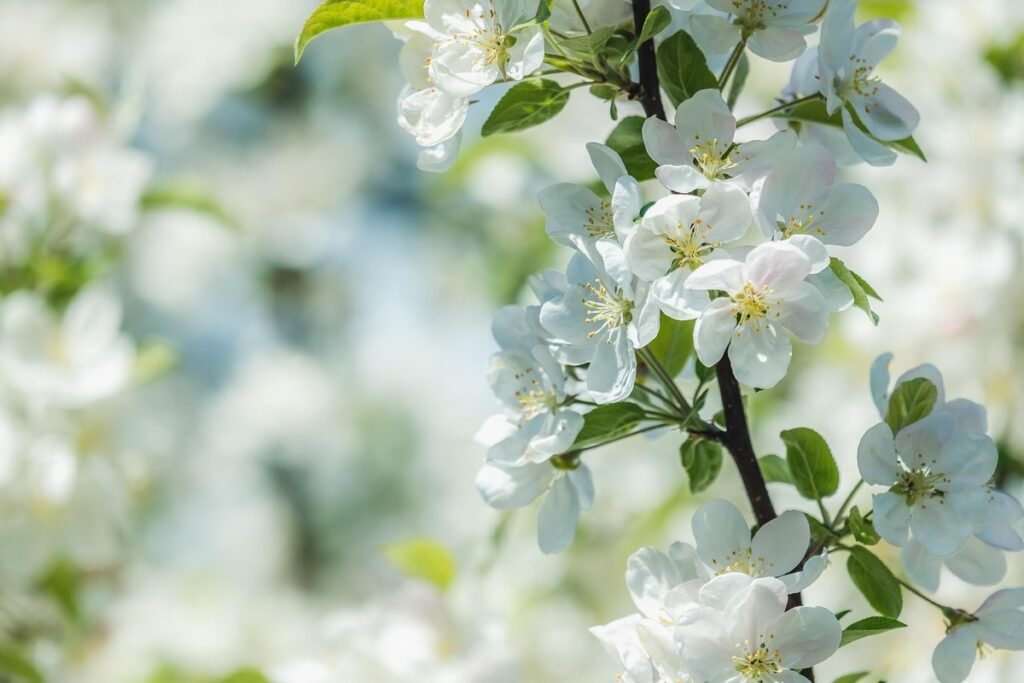
Crabapple blossoms are renowned for their captivating beauty and unique characteristics. One of the most striking aspects of these flowers is their size, which can range from tiny, delicate blooms to larger, more showy ones. On average, crabapple flowers measure between 1/4 inch to 2 inches in diameter, making them a delightful sight to behold.
The color palette of crabapple blossoms is equally impressive, featuring a stunning array of pinks, whites, reds, and purples. Some varieties even display bi-colored or tri-colored blooms, adding an extra layer of visual interest. When it comes to shape, crabapple flowers can be either single-petaled, double-petaled, or somewhere in between.
One of the most distinctive characteristics of crabapple blossoms is their fragrance. While some varieties have a light, subtle scent, others are known for their heady aroma that fills the air with sweetness. When selecting a crabapple tree for your garden, consider the fragrance level you prefer – if you’re looking to attract pollinators or create a sensory experience, opt for a variety with a stronger scent.
When viewing crabapple blossoms in person, take note of the subtle differences in their appearance. Some varieties may have slightly larger stamens or more prominent petals, adding to their unique charm.
When Do Crabapple Trees Bloom?
Crabapple trees are known for their stunning flowers that bloom at different times depending on various factors. Generally, crabapple trees bloom between late March and early May, but the exact timing varies depending on the specific variety, climate, and weather conditions.
In warmer climates, such as USDA zones 8-10, crabapple trees may bloom as early as February or as late as June. In cooler climates, like USDA zones 3-5, the blooming period typically occurs in late April to early May. It’s essential to consider your local climate and choose a variety that is well-suited to your area to ensure optimal blooming.
Factors such as temperature, soil quality, and moisture levels can also influence the duration and intensity of the bloom period. For example, a prolonged cold snap or extreme heat waves can shorten the blooming period or reduce flower production. To encourage healthy blooming, make sure your crabapple tree receives adequate water, sunlight, and nutrients.
By understanding the factors that affect blooming, you can take steps to optimize your crabapple tree’s flowering performance and enjoy its vibrant blooms for a longer period.
Cultural Significance of Crabapple Flowers
Crabapple flowers have been a symbol of love and fertility for centuries, holding significant cultural value across various traditions and customs. Let’s explore their fascinating history together.
Symbolism and Meaning
Crabapple flowers have been imbued with symbolic meanings across various cultures and contexts. In many Asian cultures, for instance, crabapple blossoms are considered a symbol of good fortune and prosperity. During the Cherry Blossom Festival in Japan, crabapples are often paired with cherry blossoms to represent the fleeting nature of life. In contrast, in some Native American traditions, crabapple flowers are believed to possess spiritual powers, allowing them to ward off evil spirits.
In Eastern European folklore, crabapple blossoms are associated with love and fertility. According to a Polish legend, a young woman can predict her future husband’s name by sniffing the fragrance of a blooming crabapple tree on May 1st. This superstition highlights the cultural significance of crabapple flowers as a symbol of romance.
While these meanings vary across cultures, one common thread is the connection between crabapple flowers and the cycles of life – birth, growth, decay, and renewal. When incorporated into garden design or used in floral arrangements, crabapple blossoms can serve as a poignant reminder of nature’s cycles.
Historical Use of Crabapple Blossoms
For centuries, crabapple blossoms have been cherished for their beauty and multifaceted uses. Historically, these delicate flowers were prized not only for their stunning appearance but also for their medicinal properties, culinary value, and decorative appeal.
Crabapple blossoms have long been used in traditional medicine to treat various ailments. In ancient Chinese culture, the flowers were believed to possess antiseptic and anti-inflammatory properties, making them a valuable ingredient in herbal remedies. Similarly, in Europe during the Middle Ages, crabapple blossoms were used to create teas that helped alleviate symptoms of fever and rheumatism.
In addition to their medicinal uses, crabapple blossoms have also been employed in culinary traditions. In Japan, the flowers are pickled or preserved in sugar syrup to make a sweet and tangy condiment often served with grilled meats. Similarly, in some parts of Europe, crabapple blossoms are used to make jams, jellies, and preserves.
Crabapple blossoms have also been highly valued for their decorative appeal. In traditional Asian cultures, the flowers are considered a symbol of good fortune and prosperity, and are often used as offerings during spring festivals.
Wildlife Attraction and Ecosystem Role
Crabapple flowers attract a variety of wildlife, from hummingbirds to bees, which play a crucial role in pollination and ecosystem balance. Let’s explore their significance in this process further.
Attracting Pollinators and Other Wildlife
Crabapple flowers are a vital component of attracting pollinators and other wildlife to your garden. Bees, butterflies, and hummingbirds are just a few of the many species that rely on crabapples for nectar and pollen. To attract these beneficial visitors, plant multiple varieties of crabapple trees in a sunny spot, as they bloom at different times, providing a constant source of food throughout the growing season.
In addition to pollinators, crabapple flowers also attract birds, such as finches and sparrows, which feed on the berries that follow. Small mammals like rabbits and deer will also visit your garden for the tender leaves and branches. To make your garden more welcoming to these creatures, consider planting native grasses and wildflowers alongside your crabapple trees.
You can take it a step further by creating a wildlife-friendly environment by:
* Providing a source of water, such as a birdbath or shallow dish
* Leaving some areas of your garden untidy, with leaves and twigs for shelter
* Avoiding the use of pesticides, which can harm these beneficial visitors
By doing so, you’ll create a thriving ecosystem that supports not only crabapple trees but also the incredible diversity of life they attract.
Impact on Local Ecosystems
Crabapple trees are not just beautiful additions to any landscape; they also play a vital role in maintaining local ecosystems. Their roots, leaves, and flowers all contribute to the health of the environment in unique ways.
The roots of crabapple trees help stabilize soil and prevent erosion, which is especially important in areas prone to flooding or landslides. They also provide a habitat for beneficial microorganisms that break down organic matter and recycle nutrients. By reducing soil degradation, crabapple trees ensure that the surrounding area remains fertile and supports a diverse range of plant life.
The leaves of crabapple trees are another vital component of their ecosystem role. They undergo photosynthesis, producing oxygen and storing energy from sunlight. This process also helps to purify the air by removing pollutants and excess carbon dioxide. Crabapple leaves provide food for insects like bees and butterflies, supporting local pollinator populations.
As we’ve seen, crabapple trees are incredibly beneficial additions to any ecosystem. By incorporating these beautiful flowers into your landscape, you can help support a healthy environment that promotes biodiversity and supports the local wildlife.
Growing Crabapple Trees for Their Flowers
If you’re eager to enjoy a stunning display of crabapple flowers, growing your own trees is a great way to start. This section will walk you through the process of cultivating these beautiful blooms in your garden.
Choosing the Right Variety
When choosing a crabapple tree variety for its showy flowers, it’s essential to consider several factors. First, think about your climate and region. Some varieties thrive in warmer temperatures, while others prefer cooler conditions. For example, ‘Dolgo’ crabapple trees produce stunning pink blooms but are more tolerant of heat, making them suitable for USDA zones 4-8.
On the other hand, ‘Red Jewel’ crabapples boast vibrant red flowers and require a slightly cooler climate, performing well in zones 5-9. When it comes to soil type, look for varieties that are adaptable or have specific requirements. Some crabapple trees prefer well-drained acidic soils, while others can tolerate more alkaline conditions.
Consider your maintenance needs as well. If you’re short on time, choose a variety like ‘Snowdrift’ that’s relatively low-maintenance and tolerates various soil types. By taking these factors into account, you’ll be able to select a crabapple tree that not only produces stunning flowers but also thrives in its environment.
When selecting multiple trees for a larger landscape, consider staggering the bloom times by choosing varieties with different flowering periods. This will ensure year-round interest and a longer blooming season.
Tips for Promoting Healthy Blooming
To promote healthy blooming in crabapple trees, it’s essential to provide them with optimal growing conditions. Start by planting your crabapple tree in a location that receives full sun and has well-draining soil. Crabapples prefer slightly acidic soil, so test your pH levels and amend the soil if necessary.
Watering is also crucial for blooming health. Aim to provide about 1 inch of water per week, either through rainfall or irrigation. However, avoid overwatering, which can lead to root rot and other issues.
Fertilize your crabapple tree annually with a balanced fertilizer in early spring. This will promote healthy growth and encourage blooming. Prune your tree regularly to maintain its shape and remove any dead or diseased branches.
By following these care tips, you’ll be well on your way to enjoying vibrant, long-lasting blooms from your crabapple tree. Remember that regular maintenance is key to promoting healthy blooming, so make sure to stay on top of watering, fertilizing, and pruning throughout the growing season.
Frequently Asked Questions
Can I grow crabapple trees in containers or do they require a lot of space?
Crabapple trees can be grown in containers, but it’s essential to choose a compact variety that suits your needs. Make sure the container is at least 3-4 feet deep and has good drainage holes to accommodate the tree’s root system. Keep in mind that even with proper care, crabapple trees may require more space as they mature.
How often should I prune my crabapple tree to promote healthy blooming?
Pruning your crabapple tree annually can encourage healthy growth and blooming. Prune during the dormant season (winter or early spring) to minimize stress on the tree. Remove dead, diseased, or damaged branches, and thin out the center of the tree to allow sunlight to penetrate.
Are crabapple flowers edible for humans?
While crabapple flowers are safe for humans to eat in moderation, they may not be as palatable or nutritious as other flower varieties. In some cultures, crabapple blossoms are used to make teas, jams, and desserts; however, it’s essential to use them fresh and in limited quantities due to their tart flavor.
Can I grow multiple crabapple trees together to create a pollinator-friendly garden?
Yes, growing multiple crabapple trees together can attract various pollinators like bees, butterflies, and hummingbirds. Choose varieties that bloom around the same time to maximize pollination opportunities. Keep in mind that different species may have varying growth habits and space requirements.
Do I need to fertilize my crabapple tree regularly for optimal blooming?
Fertilizing your crabapple tree annually can promote healthy growth and blooming, but it’s not always necessary. Soil pH and nutrient levels play a significant role in the tree’s overall health. Conduct a soil test to determine if fertilization is required, and choose a balanced fertilizer that won’t harm the environment or attract pests.