
As spring arrives, gardens come alive with vibrant colors as trees burst into bloom. But have you ever wondered what triggers this breathtaking spectacle? The science behind tree flowering is fascinating, and understanding it can help you cultivate a more diverse and thriving garden ecosystem. Not all trees bloom in the same way or at the same time – some species showcase stunning displays of color, while others are less showy but no less important. In our comprehensive guide to tree flowering, we’ll delve into the world of blooming trees, exploring the various types that bring beauty and benefits to gardens and ecosystems alike. Whether you’re a seasoned gardener or just starting out, this article will give you a deeper appreciation for these incredible plants and provide valuable insights on how to make the most of their blooming seasons.
Understanding Tree Biology
Let’s dive into the fascinating world of tree biology, where we’ll explore the intricacies of a blooming tree’s internal processes and growth patterns. This will help us appreciate their stunning displays even more!
The Role of Hormones in Tree Flowering
When trees bloom, it’s often a result of complex hormonal responses within their cells. One key player is auxin, a hormone that helps regulate cell growth and differentiation. As the days get longer and temperatures rise, auxins stimulate the formation of flowers by promoting cell division and expansion in the reproductive tissues.
Another crucial hormone involved in tree flowering is ethylene, which acts as a trigger for bloom initiation. Ethylene production increases when trees experience drought stress or are exposed to high temperatures. This hormone cascade ultimately leads to the release of flavonoids, pigments responsible for the vibrant colors we see during blooming.
Different tree species exhibit unique hormonal responses to environmental cues. For instance, cherry blossoms rely on a combination of auxin and ethylene to trigger bloom initiation, while willows tend to respond more strongly to auxins alone. By understanding these underlying mechanisms, gardeners can better predict when their trees are likely to bloom and take steps to ensure optimal conditions for flowering.
Factors Influencing Tree Blooming Patterns
When it comes to understanding tree biology, it’s essential to consider the various environmental factors that influence blooming patterns. Temperature is one of the most significant contributors, as different species have specific temperature requirements for flowering. For instance, some trees like cherry blossoms require a period of winter chill to produce flowers, while others like magnolias can bloom in warmer temperatures.
Light exposure also plays a crucial role in tree blooming. Most deciduous trees need a certain amount of daylight hours to initiate flowering. However, some evergreen trees like pine and spruce can tolerate low light conditions and still produce cones or flowers. Water availability is another vital factor; drought can stress trees and reduce flower production, while consistent moisture can promote more frequent blooms.
To encourage optimal blooming in your garden, ensure that your tree receives the right amount of sunlight and water. Research specific temperature requirements for your tree species and provide it with the necessary conditions to thrive. By understanding these environmental factors, you can create a favorable environment for your trees to bloom beautifully throughout the seasons.
Types of Trees That Bloom
As we explore the world of blooming trees, it’s essential to know that different species display a variety of flowers and growth patterns, each unique in its own way. Let’s take a closer look at some popular types of blooming trees.
Deciduous Trees: The Most Colorful Bloomers
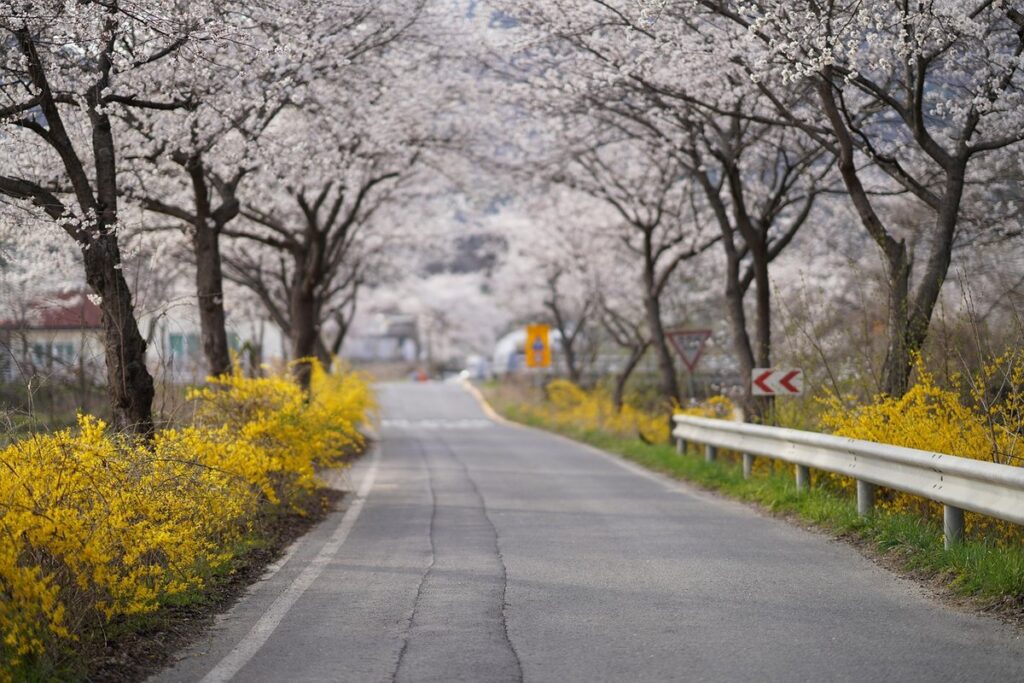
Deciduous trees are a treasure trove of colorful blooms, and some of the most popular species include cherry blossoms and dogwood trees. These stunning displays of nature’s beauty can be seen in various parts of the world, from Japan’s iconic Sakura trees to the United States’ vibrant dogwood displays.
When it comes to growth habits, deciduous trees typically thrive in well-drained soil and full sun to partial shade conditions. Cherry blossoms, for instance, prefer cooler climates with moderate winters and warm summers, while dogwoods can tolerate a range of temperatures but require consistent moisture levels. However, these beautiful blooms often come with potential issues, such as frost damage or disease susceptibility.
To ensure the optimal growth and blooming of your deciduous trees, make sure to provide them with adequate water and nutrient-rich soil. Prune your trees regularly to maintain their shape and promote healthy blooming. If you live in an area prone to frosts, consider planting varieties that are more resistant to cold temperatures. With proper care and attention, these incredible trees will continue to delight and inspire you with their vibrant blooms year after year.
Evergreen Trees: Year-Round Beauty
Evergreen trees are a delightful addition to any landscape, offering year-round beauty and structure. One of the most striking features of these trees is their ability to bloom, even when other trees have long since shed their leaves. Take magnolias, for example – their large, showy flowers burst forth in shades of pink, purple, or white, creating a stunning display in late winter and early spring.
But what makes evergreen trees so unique? Their needle-like leaves or cone-shaped flowers are key adaptations that allow them to thrive in changing seasons. These features enable the trees to conserve water and withstand extreme temperatures, making them perfect for cooler climates. For instance, rhododendrons, with their brightly colored bell-shaped flowers, are a popular choice for gardeners in temperate regions.
If you’re looking to incorporate evergreen bloomers into your landscape, consider planting species that thrive in partial shade and well-draining soil. Be sure to choose varieties that suit your climate and provide the necessary care, such as regular watering and fertilization. With proper attention, these trees will reward you with vibrant blooms every year, adding a touch of magic to your outdoor space.
Benefits of Blooming Trees
Blooming trees bring a plethora of advantages, from purifying the air we breathe to supporting local wildlife and ecosystems that rely on them for survival. Let’s dive into these remarkable benefits!
Aesthetic Appeal and Mental Health Benefits
When you step outside to admire the blooming trees around you, their vibrant colors and delicate petals can’t help but catch your attention. The aesthetic appeal of these natural wonders is undeniable, but did you know that being surrounded by blooming trees also has a profound impact on our mental health? Studies have consistently shown that exposure to nature can reduce stress levels, improve mood, and even alleviate symptoms of anxiety and depression.
In fact, research conducted by the University of Michigan found that simply spending 30 minutes in a park or forest can lower cortisol levels (a hormone associated with stress) by up to 28%! The natural scenery of blooming trees has been shown to have a calming effect on our minds and bodies. So, take a moment each day to appreciate these beautiful trees – sit beneath their branches, breathe in their fragrance, or simply gaze at their blooms.
By incorporating more time spent around blooming trees into your daily routine, you can reap the rewards of improved mental health and well-being.
Ecological Importance and Biodiversity Support
Blooming trees play a vital role in supporting local ecosystems by providing a multitude of food sources for various wildlife. For instance, flowers attract pollinators like bees and butterflies that rely on nectar to produce honey and lay eggs respectively. The diversity of blooming trees also ensures that birds have an array of options when it comes to finding sustenance during different seasons. Research has shown that bird species richness is significantly higher in areas with diverse tree cover.
In addition to providing food, blooming trees also contribute to maintaining healthy ecosystems by serving as a habitat for various organisms. The leaves and branches offer shelter from extreme temperatures and harsh weather conditions, protecting animals from predators while they forage or nest. Moreover, the complex root systems of blooming trees help stabilize soil, preventing erosion and landslides. To support these vital functions, it’s essential to preserve tree diversity by planting a variety of species in your garden or community spaces.
Tips for Encouraging Blooms in Your Garden
Getting those beautiful blooms can be a challenge, but don’t worry, we’ve got some expert tips to help you coax your trees into flowering their best. Let’s take a look at what works and what doesn’t!
Soil Preparation and Fertilization Strategies
When it comes to creating an ideal environment for blooming trees, soil preparation and fertilization are crucial steps that often get overlooked. To encourage healthy growth and vibrant blooms, start by conducting a soil test to determine its pH level and nutrient content. Based on the results, you can adjust your fertilization strategy.
Choose a balanced fertilizer with a ratio of 10-10-10 (nitrogen-phosphorus-potassium) for optimal blooming. Organic options like fish bone meal or compost tea work well too, as they provide long-term benefits without harming the environment. Mulching around the base of your trees helps retain moisture and suppresses weeds, reducing stress on the plant.
Regular pruning is essential to promote healthy growth and encourage blooming. Prune dead or damaged branches in late winter or early spring, making cuts just above a bud or node. This will help redirect energy towards producing flowers rather than foliage. For example, apple trees require more aggressive pruning to achieve optimal yields and blooms.
Climate-Resilient Tree Selection and Care
When it comes to enjoying the magic of blooming trees, choosing the right species for your local climate is crucial. Selecting a tree that’s not adapted to your region can lead to poor health, reduced blooms, and even death. So, how do you choose the perfect blooming tree for your garden?
Start by researching native tree species in your area. These are naturally resilient to local climate conditions and will require less maintenance over time. For example, if you live in a hot and dry region like the American Southwest, look for trees like the Texas redbud (Cercis canadensis var. texensis) or the Palo Verde (Cercidium floralia). In cooler climates, consider species like the Cherry Blossom (Prunus serrulata) or the Flowering Crabapple (Malus × zumi).
To ensure your new tree thrives and blooms optimally, be sure to provide proper care. Water regularly during its first year of growth, then gradually reduce watering as it becomes more established. Mulch around the base to retain moisture and regulate soil temperature. Regular pruning will also promote healthy growth and encourage more blooms.
Common Issues with Blooming Trees
As you tend to your beloved blooming trees, you may encounter some common issues that can be frustrating and costly. Let’s explore these problems together in a straightforward way.
Pests, Diseases, and Other Challenges
When it comes to enjoying the beauty and majesty of blooming trees, there’s one not-so-pleasant reality: pests, diseases, and other challenges can quickly spoil the show. As a tree owner, it’s essential to be aware of these potential issues so you can take proactive steps to prevent or treat them.
Some common pests that target blooming trees include aphids, spider mites, and scale insects. These tiny critters feed on sap, leaves, or flowers, causing damage and discoloration. Aphids, for instance, secrete a sticky substance called honeydew that attracts ants and promotes the growth of sooty mold.
Diseases like powdery mildew, root rot, and leaf spot can also wreak havoc on blooming trees. Powdery mildew, caused by fungal infections, appears as a white, powdery coating on leaves and stems. To combat these issues, maintain good tree hygiene, such as removing weeds and debris that provide hiding spots for pests. Regularly inspect your trees for signs of infestation or disease, and treat promptly with organic or chemical controls as needed.
Keep in mind that prevention is key. Healthy trees are less susceptible to pest and diseases, so ensure your blooming trees receive adequate water, nutrients, and pruning.
How to Deal with Over-Blooming or Poor Bloom Quality
Dealing with over-blooming can be a challenge for even the most seasoned tree enthusiasts. If you notice that your blooming trees are producing an excessive number of flowers, it’s essential to address the issue promptly to prevent damage to the tree’s overall health.
One possible cause of over-blooming is poor soil quality or inadequate nutrient supply. To rectify this situation, consider adding a balanced fertilizer specifically designed for flowering trees during their dormant season. This will help promote healthy growth and encourage the tree to focus its energy on producing high-quality blooms rather than an excessive number.
Another factor contributing to poor bloom quality may be extreme weather conditions such as frost or heatwaves. In these cases, it’s crucial to provide your blooming trees with adequate protection. This can include applying a layer of mulch around the base of the tree to insulate the roots and using anti-desiccant sprays to prevent moisture loss from the leaves.
To improve the overall health of your blooming trees, make sure to maintain regular watering schedules and prune your trees annually to promote air circulation and encourage healthy growth. By implementing these simple yet effective measures, you can enjoy vibrant blooms while also protecting the long-term well-being of your treasured trees.
Conclusion
As you’ve learned about the magic of blooming trees, you’re likely inspired to incorporate them into your own life. Remember that it’s not just about admiring their beauty from afar – blooming trees can also have a profound impact on our mental and physical well-being. To bring this magic into your daily routine, try visiting local parks or botanical gardens during peak bloom seasons. You can also plant your own blooming tree in your backyard or community garden to create a haven for relaxation and contemplation. By doing so, you’ll be fostering a deeper connection with nature and cultivating a sense of wonder and awe in yourself and those around you.
Frequently Asked Questions
Can I encourage blooming in my garden with specific soil preparation techniques?
Yes, certain soil preparations can indeed promote blooming trees. Adding organic matter like compost or well-rotted manure can provide essential nutrients and improve soil structure, encouraging healthy growth and flowering. Additionally, maintaining optimal pH levels and ensuring adequate moisture will also support your trees’ ability to bloom beautifully.
How do I choose the right tree species for my climate and gardening needs?
When selecting blooming trees, consider factors like temperature tolerance, sunlight requirements, and pest/disease resistance specific to your region. Consult with local nurseries or arborists to determine which species will thrive in your area. Researching online resources, such as the USDA Plant Hardiness Zone Map, can also help you make an informed decision.
Can I use fertilizers or other chemicals to boost blooming and prevent common issues?
While fertilizers may provide temporary benefits, they can have negative long-term effects on soil health and ecosystem balance. Instead, adopt sustainable gardening practices like crop rotation, composting, and integrated pest management (IPM). This will promote a balanced ecosystem that supports healthy trees and minimizes the need for chemicals.
How do I know when to prune or trim my blooming trees for optimal growth and flowering?
Timing pruning and trimming correctly is crucial. Generally, it’s best to prune deciduous trees during their dormant season (winter or early spring), while evergreen trees can be pruned throughout the year except during active growing periods. Consult with a professional arborist if you’re unsure about specific tree needs.
Can I propagate blooming trees from cuttings, seeds, or grafting?
Some species of blooming trees can be propagated through various methods, such as layering, grafting, or seed stratification. However, this often requires experience and knowledge of the specific tree’s requirements. Research online resources or consult with experts to determine which propagation method is best suited for your chosen species and gardening level.