
In Ireland, there’s one plant that holds a special place in the hearts of locals and visitors alike. This revered Irish plant has been woven into the country’s rich cultural heritage, its symbolism and significance deeply ingrained in the nation’s history. For centuries, it’s been a beloved ingredient in traditional cooking, a prized material for crafts, and even a symbol of hope and resilience in times of hardship. From its humble beginnings as a wildflower to its modern applications in conservation efforts, this incredible plant has captured the imagination of people around the world. In this article, we’ll delve into the fascinating history and cultural roots of the Irish plant, exploring its significance, uses, and importance in both traditional and contemporary contexts.
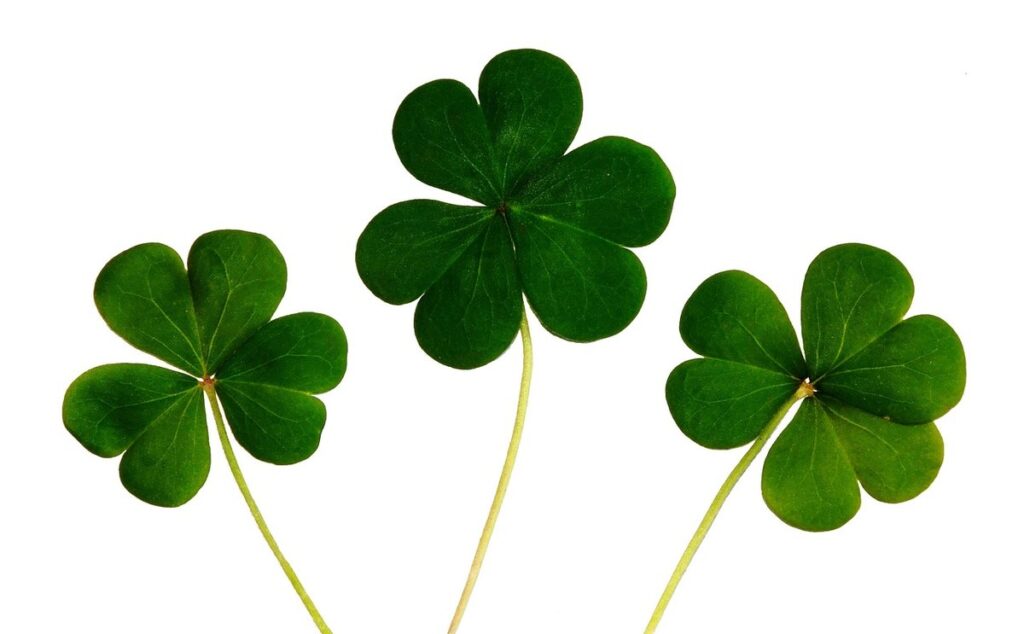
The Origins of the Irish Plant
The origins of the Irish plant date back thousands of years, and its history is deeply rooted in Ireland’s rich cultural heritage. Let’s take a closer look at where this incredible plant came from.
Early History and Mythology
The Irish plant’s history is deeply rooted in Celtic mythology, making it an integral part of the country’s rich cultural heritage. According to legend, the Irish plant was said to have been brought to Ireland by the goddess Brigid, who was revered for her healing powers and association with fire, poetry, and wisdom.
In ancient times, the plant was believed to possess magical properties that could ward off evil spirits and bring good fortune. The Celts associated it with the cycles of life and death, using it in rituals to ensure fertility and prosperity. The plant’s significance extended beyond its spiritual connotations; it also played a vital role in everyday life, used for medicinal purposes and as a symbol of love and friendship.
One of the most enduring myths surrounding the Irish plant is its connection to the legendary hero Cúchulainn. According to legend, he used the plant to heal his wounds after battling fierce battles. This myth has contributed to the plant’s reputation as a potent healer, cementing its place in Ireland’s collective consciousness.
Historical Accounts and Folklore
Throughout Ireland’s rich history, the Irish plant has been mentioned in various forms of literature and folklore. In ancient Celtic mythology, the plant was associated with magic and healing powers. The legendary physician, Saint Patrick, is said to have used the plant to cure a blind man on his journey to convert the Irish people to Christianity.
In traditional Irish folklore, the plant was often linked with good fortune and prosperity. According to legend, carrying a sprig of the plant would bring good luck and protection from evil spirits. This superstition highlights the plant’s significance in Irish culture beyond its physical properties.
Historical accounts also suggest that the Irish plant played a role in Ireland’s medicinal past. In some accounts, it was used to treat various ailments, including fever, skin conditions, and even mental health issues. While these claims may not be scientifically proven, they demonstrate the plant’s importance in Ireland’s traditional healing practices. By examining these historical accounts, we gain a deeper understanding of the Irish plant’s cultural significance and its enduring impact on Irish heritage.
Types of Irish Plants
Ireland is home to a stunning array of flora, and some of its most iconic plants have been used for centuries in traditional medicine, cooking, and crafts. Let’s explore five of these remarkable Irish plants that hold special significance and value.
Native Irish Species
Irish flora has been shaped by the country’s mild climate and geography, resulting in a diverse range of native species that have been an integral part of Irish heritage for centuries. One such species is the wild garlic (Allium ursinum), which can be found growing in woodland areas throughout Ireland. Its distinctive flavour and aroma make it a popular ingredient in many traditional Irish dishes.
Another notable native species is the Irish whitebeam (Sorbus hibernica), also known as the Belfast buckthorn. This tree is commonly found on mountainous terrain, where its ability to thrive in harsh conditions makes it an important part of the local ecosystem. Its berries are particularly notable for their nutritional value and have been used by local communities for centuries.
The wild foxglove (Digitalis purpurea) is another native species that has played a significant role in Irish history. Not only was it used by traditional healers to treat heart conditions, but its flowers also provide a striking display of colour during the summer months.
Introduced Species and Hybridization
The introduction of non-native species has significantly impacted the development of modern Irish plants. Many of these introduced species have been incorporated into traditional cultivation practices, leading to new and diverse varieties. For instance, the introduction of European trees like oak and beech has influenced the native flora’s genetic makeup.
Hybridization has also played a crucial role in shaping Ireland’s plant diversity. Breeders have successfully combined characteristics from different species to create desirable traits such as disease resistance or improved yields. This has allowed Irish farmers to cultivate more resilient crops, better suited to their unique climate and soil conditions.
However, it is essential to note that hybridization can also lead to the loss of genetic diversity within native plant populations. Care must be taken when introducing new species or breeds to ensure that they do not outcompete or displace native plants entirely. By understanding the risks and benefits associated with introduced species and hybridization, gardeners and farmers can make informed decisions about their cultivation practices.
Significance in Irish Culture
For centuries, the Irish plant has played a special role in Irish culture, its symbolism and meaning deeply ingrained in traditional practices and customs. Let’s explore what makes it so significant to the Emerald Isle.
Symbolism and Spiritual Significance
In Irish culture, the plant is more than just a beautiful bloom – it’s steeped in symbolism and spiritual significance. During the midsummer festival of Litha (also known as St. John’s Eve), people would gather wildflowers, including the Irish plant, to adorn their homes and churches. This tradition marked the beginning of summer and was believed to bring good fortune and protection from evil spirits.
The plant has long been associated with fertility and abundance in Irish folklore. In some parts of the country, it’s said to have healing properties, and its leaves are used to make medicinal teas and salves. During the harvest season, farmers would often weave garlands from the plant’s flowers and leave them as offerings at the doorsteps of their homes.
In modern times, the Irish plant has become a popular choice for weddings and other celebrations. Couples will often include it in their bouquets and arrangements to symbolize love, fidelity, and good luck. To incorporate this beautiful bloom into your own life, try adding its fresh flowers to your home decor or using its leaves in homemade remedies. By doing so, you’ll be tapping into the rich spiritual heritage of Ireland’s beloved plant.
Folk Medicine and Traditional Remedies
In traditional Irish folk medicine, the Irish plant has been used to treat a variety of ailments for centuries. One of its most notable uses is as an anti-inflammatory remedy for conditions such as arthritis and gout. The plant’s leaves or roots are typically harvested and made into a tea or infusion, which is then consumed to alleviate pain and swelling.
The plant’s antimicrobial properties have also been harnessed in the treatment of respiratory issues like bronchitis and coughs. A study published in the Journal of Ethnopharmacology found that an extract from the Irish plant showed significant antibacterial activity against certain strains of Streptococcus pneumoniae, a common cause of pneumonia.
To use the Irish plant for its medicinal properties, simply boil the leaves or roots in water to create a tea. Strain the liquid and drink it three times a day as needed. Alternatively, the dried plant material can be made into a tincture by steeping it in a solvent like vodka or glycerin.
It’s essential to note that while traditional remedies can be effective, they may interact with modern medications or have unintended consequences when used improperly. Consult with a healthcare professional before using the Irish plant for medicinal purposes.
Uses and Applications
The Irish plant is a versatile herb that has been utilized in various ways, from culinary delights to traditional medicine, offering numerous benefits for individuals and communities. Let’s explore its uses and applications further.
Modern-Day Crafts and Artisans
Modern-day artisans are breathing new life into traditional Irish crafts by incorporating the Irish plant into their work. In contemporary Irish culture, the plant’s significance extends beyond its historical context, making it an integral part of modern art and design. You can find beautifully crafted pieces featuring the Irish plant at local markets and exhibitions.
One example is in woven baskets and textiles. Skilled weavers are using the plant’s delicate white flowers to create intricate patterns on traditional linen. This adds a unique touch to the classic designs, making them truly stand out. If you’re interested in trying this craft yourself, start by gathering high-quality Irish plant flowers and experimenting with natural dye techniques.
In addition to textiles, you can also find the Irish plant used in woodcarvings and ceramics. Local artisans are incorporating the plant’s shape and form into their work, resulting in stunning pieces that celebrate Ireland’s natural heritage. By embracing the Irish plant in modern crafts, artisans are not only preserving traditional techniques but also creating a new generation of art enthusiasts who appreciate the beauty of this iconic symbol.
Culinary Uses and Recipes
In Ireland, the plant has been a staple ingredient in traditional cooking for centuries. Its unique flavor and nutritional profile make it an excellent addition to a variety of dishes. The Irish plant is particularly popular in stews and soups, where its earthy sweetness pairs well with root vegetables like carrots and potatoes.
One classic recipe that showcases the plant’s culinary versatility is Irish colcannon, a comforting side dish made by boiling the plant and mixing it with mashed potatoes, kale, and onions. To make this recipe at home, simply boil 2-3 cups of diced Irish plant in salted water until tender, then mash with 4-5 cups of boiled potatoes, 1 cup of chopped kale, and a pinch of salt.
In baking, the Irish plant adds a subtle depth to sweet treats like scones and cakes. To incorporate it into your favorite recipe, simply substitute 1/2 cup of sugar with an equal amount of finely chopped fresh or dried Irish plant. This will not only reduce the sweetness but also enhance the overall flavor profile.
The Irish plant is also used in traditional Irish desserts like apple cake and fruit tarts. Its earthy undertones complement the natural sweetness of fruits, creating a delightful harmony of flavors.
Conservation Efforts and Challenges
Irish plant conservation is a crucial aspect of preserving its existence, facing challenges such as habitat loss and over-harvesting. This section explores these efforts and obstacles in detail.
Threats to Native Species
As we delve into the world of Irish plants, it’s essential to acknowledge the challenges they face. Unfortunately, many native species are struggling due to habitat loss and degradation. The destruction of natural habitats, such as peat bogs and heathlands, has led to the decline of several plant species that were once abundant in Ireland.
Climate change is another significant threat to Irish plants. Rising temperatures and changing precipitation patterns have disrupted the delicate balance of ecosystems, leaving many species vulnerable to extinction. For example, the iconic Killarney Shadeflower (Hippocrepis comosa) has seen a decline in population due to warmer winters and altered soil moisture levels.
Invasive non-native species are also causing harm, outcompeting native plants for resources and altering the genetic makeup of ecosystems. The Japanese knotweed (Fallopia japonica), for instance, has been known to choke out native vegetation with its aggressive growth habit. To mitigate these threats, conservation efforts must prioritize habitat restoration, climate-resilient planting strategies, and careful management of invasive species. By taking proactive steps, we can help safeguard the future of Ireland’s unique plant heritage.
Initiatives for Preservation and Restoration
As we delve into the world of conservation efforts for the Irish plant, it’s essential to acknowledge the importance of preservation and restoration initiatives. The Irish government has implemented various projects aimed at restoring native habitats and promoting sustainable practices.
One notable example is the establishment of the Irish Wildlife Trust’s “Habitat Restoration” program. This initiative focuses on rehabilitating degraded ecosystems and reintroducing native species, including the Irish plant. Volunteers participate in tree planting, hedgerow restoration, and invasive species removal efforts.
Additionally, organizations like An Taisce (The National Trust for Ireland) work tirelessly to promote sustainable land use practices among farmers and landowners. By adopting environmentally friendly techniques, these individuals can contribute significantly to the long-term conservation of the Irish plant.
You can also play a crucial role in supporting these initiatives by adopting eco-friendly habits in your daily life. Start by learning more about the specific needs of the Irish plant and how you can make a positive impact on its habitat. By doing so, we can collectively work towards ensuring the continued survival of this remarkable species.
Frequently Asked Questions
Can I grow the Irish plant in my garden?
Yes, you can cultivate the Irish plant in your garden, but it requires specific conditions, including a cool and moist climate. Research the ideal growing conditions for the species you’re interested in, and ensure you have the necessary resources and space.
How do I preserve the spiritual significance of the Irish plant?
To preserve its spiritual significance, incorporate traditional practices such as using the plant’s symbolism in ceremonies or incorporating its mythology into your art. This will help maintain the cultural connection and respect for the plant’s history.
What are some modern uses for the Irish plant?
The Irish plant is still used in conservation efforts today. Its deep roots allow it to stabilize soil, preventing erosion. Additionally, its medicinal properties make it a valuable resource for research into new treatments. Consider exploring these applications further.
Can I use the Irish plant as a substitute for other materials?
While the Irish plant can be used as an alternative material in crafts and art, its unique characteristics and properties must be considered. Research specific uses and potential substitutes to ensure you’re working with the right material for your project.
How can I support conservation efforts involving the Irish plant?
Supporting conservation efforts can involve volunteering for local initiatives or participating in citizen science projects. You can also spread awareness about the importance of preserving native species by sharing knowledge with others.