
As a gardener, you’re likely always on the lookout for innovative ways to give your plants an edge. And who wouldn’t want their greens to grow strong and healthy? That’s where beer comes in – yes, you read that right! Beer can be a game-changer for plant growth, providing essential nutrients and beneficial microbes that can supercharge your garden. But before you start brewing up a storm, it’s essential to understand the basics of using beer in gardening. In this article, we’ll delve into the world of beer for plants, exploring how different brews can benefit your soil and crops, as well as share safety precautions and best practices to keep in mind. From nutrient-rich ales to beneficial microbes, we’ll cover it all – so grab a cold one (for yourself) and let’s get brewing!
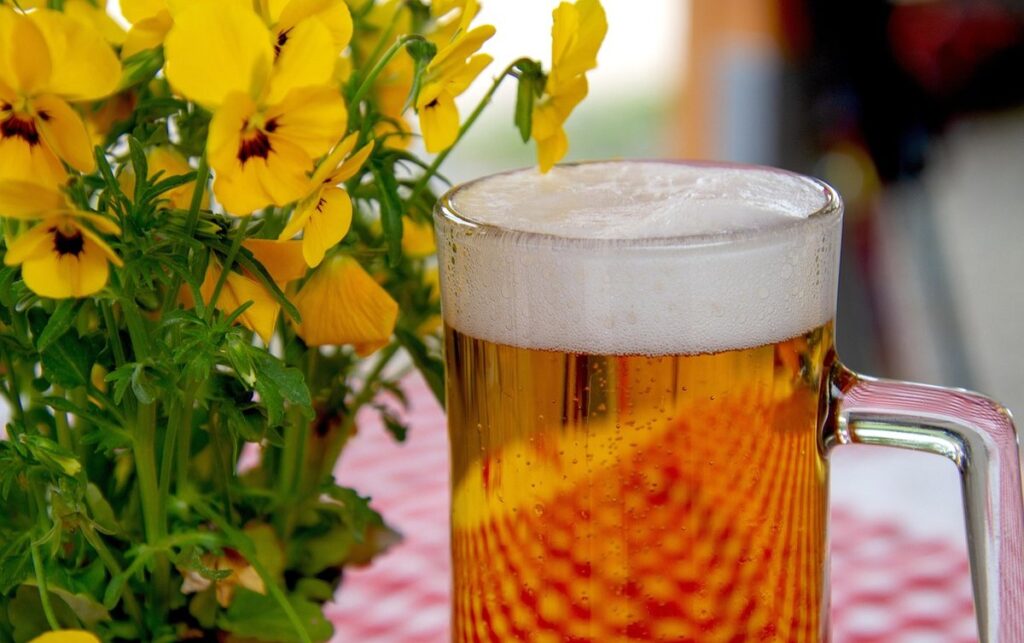
What is Beer for Plants?
So, you’re wondering what beer for plants is all about – it’s not just a fun buzzword, but an actual gardening technique that has its roots in agriculture.
Definition and Origins
Beer for plants is a practice that’s gained significant attention in recent years, and it’s easy to see why. The concept involves using beer as a natural fertilizer to promote healthy plant growth and development. At its core, beer for plants is about leveraging the nutrient-rich properties of beer to provide essential macronutrients like nitrogen, phosphorus, and potassium to your garden.
The use of beer in gardening dates back to ancient times, where it was used by farmers as a soil conditioner and fertilizer. In modern times, brewers have begun experimenting with repurposing their spent grain and beer waste into nutrient-rich fertilizers for plants. This practice has sparked interest among home gardeners and commercial growers alike.
To get started with using beer in your gardening routine, simply brew a batch of beer or purchase beer from a local brewery that offers spent grain or beer for gardening purposes. Mix the beer with water at a ratio of 1:10 (one part beer to ten parts water) and use it as a foliar spray or soil drench. This will help provide your plants with the necessary nutrients they need to thrive.
How Beer Affects Plant Growth
When you pour beer into the soil around your plants, it may seem counterintuitive – after all, isn’t beer just a drink for humans? But surprisingly, certain types of beer can have a profound impact on plant growth. Beer’s potential to increase nutrient uptake and stimulate beneficial microbial activity makes it an attractive option for gardeners.
The key lies in the yeast used during brewing. Certain strains, such as ale or lager yeast, produce compounds that enhance soil fertility and promote healthy root development. These microorganisms can break down complex nutrients, making them more accessible to plants. For example, research has shown that beer yeast can increase plant growth by up to 30% when compared to untreated controls.
To try this at home, simply dilute a small amount of beer with water (about 1 part beer to 5 parts water) and apply it as you would any other fertilizer. Be sure to choose a high-quality brew that’s free from added sugars or artificial preservatives – you want the good stuff to benefit your plants!
The Benefits of Using Beer for Plants
You’re probably wondering how beer can help your plants thrive, and we’re excited to share the surprising benefits of using beer as a fertilizer in this section.
Nutrient-Rich Brews
Beer is not just a tasty beverage for humans, but also a nutrient-rich brew that can provide essential nourishment to plants. One of the main reasons beer is beneficial for plants is due to its high levels of nitrogen, phosphorus, and potassium – three key macronutrients that are vital for plant growth.
Nitrogen promotes leafy green growth and development, while phosphorus supports root growth and flower/fruit production. Potassium helps with overall plant health by regulating water balance and resistance to disease. Beer contains all these essential nutrients in a readily available form, making it an excellent liquid fertilizer for your plants.
When using beer as a fertilizer, it’s best to dilute it with water according to the recommended ratio (typically 1 part beer to 10 parts water). This ensures that your plants receive the necessary nutrients without overloading them. You can also use beer in place of other fertilizers or combine it with compost tea for an extra boost. Some gardeners even report using beer as a foliar spray, which can help combat fungal diseases and promote healthy plant growth. Experiment with different methods to find what works best for your plants!
Beneficial Microorganisms
When you pour beer into the soil, it may seem like an unusual way to fertilize plants. However, this liquid gold is a treasure trove of beneficial microorganisms that can transform your soil’s health and fertility.
These microorganisms, such as yeast and bacteria, are naturally present in the fermentation process that creates beer. When introduced to the soil, they start breaking down organic matter, releasing essential nutrients for plant growth. This process is called microbiological decomposition, and it’s a crucial step in creating a balanced ecosystem.
To harness the power of beneficial microorganisms, you can use beer as a liquid fertilizer. Simply mix 1-2 ounces of beer with water to create a solution that promotes soil biota. Apply this mixture directly to the roots or sprinkle it around the base of plants. Regular use will lead to improved soil structure, increased nutrient availability, and enhanced plant resistance to diseases.
By incorporating beneficial microorganisms into your gardening routine, you’ll be taking a vital step towards sustainable and thriving plant growth.
Choosing the Right Beer for Your Plants
So, you’ve decided to try using beer on your plants – now it’s time to choose the right brew for the job. We’ll walk you through what to look for in a plant-friendly beer.
Types of Beer Suitable for Plant Use
When it comes to choosing beer for your plants, not all beers are created equal. Different types of beer have varying levels of nutrients and characteristics that can benefit your garden. Let’s explore some popular types of beer suitable for plant use.
Pale ales are an excellent choice for most plants, as they tend to be lighter in color and lower in acidity. Their hoppy flavor profile also adds beneficial oils to the soil, which can help repel pests and attract beneficial insects. Many pale ales have a pH level that’s close to neutral, making them an ideal addition to compost tea.
Stouts, on the other hand, are often too dark and acidic for most plants. However, some gardeners swear by their high nutrient content, particularly in terms of nitrogen and phosphorus. If you do choose to use stouts, be sure to dilute them with water to avoid shocking your plant’s roots.
Lagers are another option, often preferred for their crisp, clean flavor profile. They’re also relatively low in acidity and can help balance the soil pH. Look for lagers that have a lower ABV (alcohol by volume) for best results.
When selecting beer for your plants, consider the specific needs of your garden. If you’re looking to add beneficial microbes or boost nutrient levels, pale ales might be the way to go. If you’re trying to repel pests or attract pollinators, stouts could be worth exploring. Just remember to always dilute the beer with water and follow proper compost tea protocols to ensure optimal results.
Factors to Consider When Selecting a Beer
When it comes to selecting a beer for your plants, there are several key factors to consider. One of the most important is sugar content. Beer with high sugar levels can cause fungal diseases and root rot, which can be detrimental to your plant’s health. Look for beers with low to moderate sugar content, typically those with an original gravity below 1.050.
Another crucial consideration is yeast type. Some yeasts, such as ale yeast, produce compounds that can be beneficial to plants, while others, like lager yeast, may not be as effective. Beers brewed with ale yeast often contain more nutrients and micronutrients that are readily available to plants.
It’s also worth considering the hop variety used in the beer. Hops can provide plant growth-promoting properties, but some hops may have a detrimental effect on plant health. Researching the specific characteristics of different hop varieties can help you make an informed decision.
Ultimately, the best beer for your plants is one that strikes a balance between sugar content, yeast type, and hop variety. Experiment with different beers to find what works best for your plants.
How to Use Beer for Plants Effectively
Now that you know how beer can benefit your plants, let’s dive into the best ways to use it – from fertilizers to pest control. We’ll explore effective application methods and tips.
Preparing the Perfect Plant Fertilizer
When preparing beer as a plant fertilizer, it’s essential to dilute it properly to avoid burning your plants’ roots. A general rule of thumb is to mix 1 part beer with 4 parts water for seedlings and small plants. For larger plants, you can reduce the ratio to 1:5 or even 1:10.
To make a beer fertilizer solution, simply pour the beer into a watering can or spray bottle filled with the recommended amount of water. Stir well to combine. You can also add other ingredients like molasses or Epsom salt to enhance the fertilizer’s benefits.
When applying the beer fertilizer, water your plants as you normally would. Avoid overwatering, as this can lead to root rot and other problems. For seedlings and delicate plants, start with a weak solution (1:5) and gradually increase the strength as they grow.
Remember to use a fresh beer that’s free from additives and preservatives. Darker beers like stouts or porters work best due to their higher nutrient content. Avoid using light-colored beers or those containing hops, which can be toxic to plants.
Tips for Maximum Effectiveness
When it comes to using beer for plants effectively, timing is everything. To reap the most benefits from this unusual fertilizer, it’s essential to apply it at the right stage of plant growth. For seedlings and young plants, a weak solution (about 1-2% beer concentration) applied every week or two can help stimulate root development and promote healthy growth.
As your plants mature, you can gradually increase the beer concentration to around 5-7%. Be careful not to overdo it, though – excessive beer can cause more harm than good. For established plants, a monthly application of full-strength beer (around 10% ABV) can help boost nutrient uptake and support fruiting and flowering.
Keep in mind that beer’s effectiveness also depends on the type and ingredients used. Darker beers like stouts and porters tend to work better due to their higher nutrient content. Avoid using light, citrusy beers as they may not provide enough benefits for your plants. Experiment with different types and concentrations to find what works best for your specific plant needs.
Safety Precautions and Potential Risks
When using beer as a fertilizer for your plants, it’s essential to understand potential risks involved, such as over-fertilization, pest attraction, and mold growth. Be aware of these hazards to enjoy the benefits safely.
Common Misconceptions About Beer in Gardening
One common concern when it comes to using beer in gardening is that it will attract pests to your plants. Some people believe that the yeast and sugars present in beer will create a haven for slugs, snails, and other garden critters. However, this isn’t necessarily true. The reality is that beer can actually help deter certain pests, such as aphids and spider mites, by attracting beneficial insects like ladybugs and lacewings.
Another misconception is that beer can cause plant damage or burn the roots of your plants. This is not typically a problem when used in moderation and at the right concentration. In fact, many gardeners swear by using small amounts of beer to stimulate microbial activity in the soil, which can actually help improve soil structure and fertility.
It’s worth noting that the type of beer you use can also impact its effectiveness and safety for your plants. Avoid using dark beers or those with high sugar content, as these can attract more pests than lighter-colored brews. Stick to a crisp, light lager or pilsner, and dilute it with water according to package instructions to avoid over-saturating the soil.
Best Practices for Safe Use
When using beer in gardening, it’s essential to follow some best practices to ensure safe use. First and foremost, always handle beer with care, just as you would any other liquid fertilizer. Be mindful of spills and accidents, as they can be hazardous for plants, pets, and humans alike.
Proper storage is also crucial when working with beer for plants. Keep it in a sealed container away from direct sunlight and heat sources. This will not only prevent spoilage but also help maintain the beneficial properties of the beer.
When applying beer to your plants, use it diluted (typically 1:10 or 1:20 ratio) to avoid overwhelming their roots. Start with small batches and monitor for any adverse reactions before scaling up. Lastly, always read and follow the label instructions on any commercial beer products you’re using in your garden.
By following these guidelines, you’ll be able to harness the benefits of beer for plants while minimizing potential risks.
Conclusion: Harnessing the Power of Beer for Your Plants
Now that you’ve learned how to give your plants a refreshing treat, it’s time to put this knowledge into practice and discover the full potential of beer gardening. Let’s review what we’ve covered so far!
Recap of Key Takeaways
As we come to the end of our journey into the world of beer for plants, let’s recap the key takeaways that will help you harness its power. One of the most significant benefits is the ability of beer to act as a natural fungicide and insect repellent, reducing the need for harsh chemicals in your garden.
Beer also serves as a nutrient-rich fertilizer, providing beneficial microbes and micro-elements like nitrogen, phosphorus, and potassium that promote healthy plant growth. By brewing or purchasing beer specifically designed for plants, you can create a balanced diet for your crops.
To incorporate beer into your gardening routine effectively, consider using it in moderation – about 1-2 tablespoons per gallon of water is recommended. You can also experiment with different types of beer to find the one that works best for your specific plant needs.
Final Tips and Recommendations
As you’ve reached the end of this journey into the world of beer for plants, we hope you’re as excited as we are about the possibilities it holds. We’ve explored the surprising benefits of using beer as a fertilizer, from boosting microbial activity to creating a welcoming environment for beneficial fungi and bacteria.
Now that you’re equipped with the knowledge to harness the power of beer for your plants, here are some final tips to keep in mind:
* Start small and experiment with different types of beer and plant combinations to find what works best for you.
* Remember, not all beers are created equal – choose those with high nutritional content and minimal added ingredients.
* Beer can be a great addition to your compost pile or worm tea recipe, so don’t forget to repurpose the leftover liquid.
Don’t be afraid to get creative and adapt beer into your existing gardening routine. With a little experimentation and patience, you’ll be amazed at how these tiny changes can make a big difference in the health and vitality of your plants. So go ahead, give it a try – we promise you won’t be disappointed!
Frequently Asked Questions
Can I use any type of beer for plants, or do I need to choose a specific kind?
You can use various types of beer, but it’s recommended to opt for nutrient-rich brews like ales and lagers. These beers are more likely to provide the essential macronutrients your garden needs. However, if you only have access to darker beers, which tend to be more robust in flavor, they can still work well as long as you use them in moderation.
How often should I add beer to my plants’ soil, and what’s the ideal concentration?
The frequency of adding beer depends on your garden’s specific needs. A general rule is to start with a 1:10 ratio (one part beer to ten parts water) and adjust accordingly based on your plants’ response. You can also experiment with different concentrations to find what works best for you.
Can I use beer for seedlings or should I wait until they’re more established?
Beer can be beneficial for seedlings, but it’s essential to dilute it further (1:20 ratio) and apply it at a lower concentration to avoid burning their delicate roots. As your plants grow, you can gradually increase the concentration.
How do I store leftover beer that I’ve used for plants, and is it safe to reuse?
To extend the shelf life of your plant-friendly beer, store it in an airtight container in the refrigerator. While it’s technically possible to reuse beer, it’s not recommended due to potential microbial imbalances that can affect your soil’s ecosystem.
Can I combine beer with other natural fertilizers or should I stick to one source?
Beer can be used alongside other natural fertilizers like compost tea or worm casting, but ensure you don’t overdo it. A balanced approach is key to maintaining a healthy garden ecosystem. Always dilute and monitor your plants’ response before adjusting concentrations.