
If you’re looking for a way to add some color and vibrancy to your indoor space, then you’ve come to the right place! Potted mums are one of the most versatile and low-maintenance plants out there, making them perfect for busy home decorators. But did you know that these beautiful flowers have been around for centuries? From their origins in Asia to their modern-day popularity as a Thanksgiving centerpiece, potted mums have a rich history and a multitude of benefits.
In this ultimate guide, we’ll dive into the world of potted mums, covering everything from their care tips and propagation methods to decorating ideas and more. Whether you’re a seasoned plant enthusiast or just starting out, you’ll learn how to thrive with these gorgeous plants and make them a staple in your home decor. So, let’s get started on this journey and discover the many wonders of potted mums!
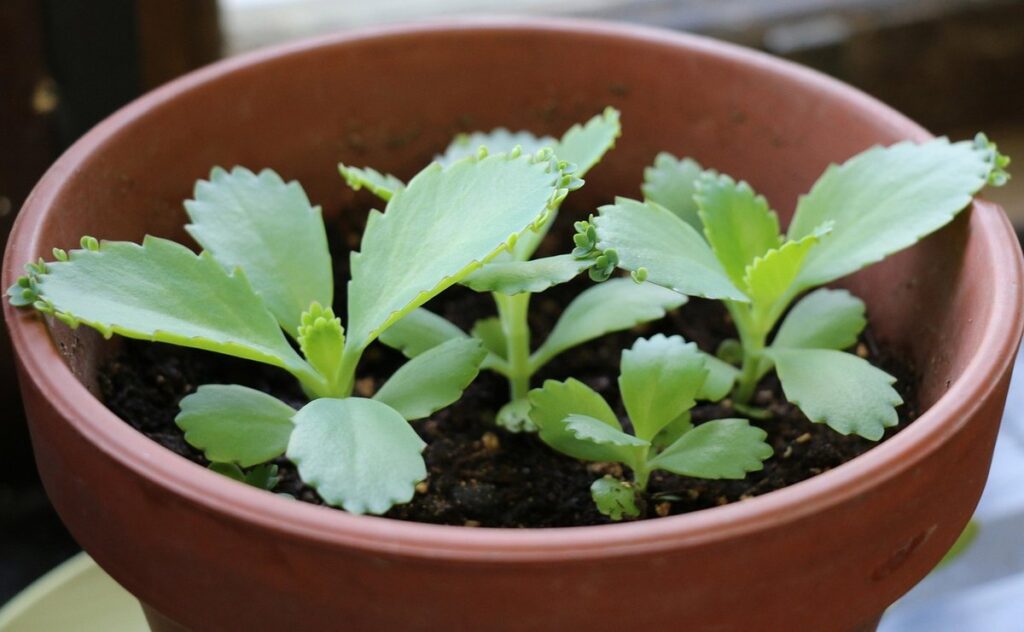
What Are Potted Mums and Their Benefits?
Let’s start by understanding what potted mums are and what makes them so special, from their unique blooms to their effortless care. They’re an excellent choice for any home gardener!
History of Chrysanthemum Care
Chrysanthemum cultivation dates back thousands of years to ancient China, where these flowers were highly valued for their beauty and medicinal properties. In traditional Chinese culture, chrysanthemums symbolized longevity, honor, and loyalty. The art of cultivating mums was refined over the centuries, with techniques passed down through generations of gardeners.
As trade routes expanded and civilizations interacted, chrysanthemum cultivation spread to other parts of Asia and eventually to Europe. In the 18th century, French nurseries began to cultivate mums on a large scale, introducing new varieties and breeding techniques that improved their quality and hardiness. The development of modern greenhouse technology further enabled mass production of high-quality potted mums.
Today, with advancements in horticulture and agricultural science, growers can produce chrysanthemums year-round, regardless of the season. This has made potted mums a popular choice for indoor decoration, as they are available in a wide range of colors and varieties.
Choosing the Right Variety for Your Space
When it comes to choosing the right potted mum variety for your space, you have several options to consider. One of the most common types is florist’s mums (Chrysanthemum x grandiflorum), which are bred specifically for their large, showy blooms and long vase life. They’re perfect for indoor spaces where they can receive bright, indirect light.
Another option is hardy mums (Chrysanthemum spp.), also known as perennials, which are more tolerant of cooler temperatures and can thrive in outdoor gardens. These varieties come in a range of bloom sizes and colors, making them suitable for various design styles.
Consider the climate and temperature fluctuations in your area when selecting a mum variety. If you live in an area with harsh winters or frosts, hardy mums might be a better choice. On the other hand, florist’s mums are ideal for indoor spaces where temperatures remain relatively stable.
When choosing a potted mum, look for varieties that match your desired bloom color and size. Check the plant tag or ask the nursery staff to ensure you’re getting the best variety for your space.
Potted Mum Care 101: Tips for Thriving Plants
To ensure your potted mums continue to thrive, it’s essential to provide them with proper care and attention throughout the seasons. Here are some expert tips to help you keep your plants healthy and beautiful.
Understanding Light Requirements
When it comes to potted mums, understanding their light requirements is crucial for their overall health and appearance. These plants are typically grown as annuals, but with the right conditions, they can thrive indoors even during the winter months.
Potted mums prefer bright, indirect light but can tolerate partial shade. Direct sunlight can cause the leaves to become scorched, so it’s essential to provide some protection. A east- or west-facing window is ideal for potted mums, as it provides gentle, diffused light throughout the day. If you’re placing your potted mum in a south-facing room, consider using a sheer curtain to filter the sunlight.
To ensure optimal lighting conditions, you can also supplement with grow lights if necessary. Aim for 12-14 hours of light per day, and adjust the duration as needed based on your plant’s response. Keep an eye out for signs of overexposure, such as leaf scorch or yellowing leaves. With proper light management, your potted mums will continue to bloom beautifully throughout their growing season.
Watering and Humidity Management
Watering and humidity management are crucial for healthy potted mum growth. Overwatering is one of the most common mistakes that can lead to root rot and kill your plant. To avoid this, check the soil moisture by sticking your finger into the soil up to the first knuckle. If the soil feels dry, it’s time to water.
Water your potted mums when the top inch of soil feels dry to the touch, usually once a week during the growing season and less frequently in winter. Use room-temperature water, as cold water can shock the roots. Water thoroughly until you see excess water draining from the pot. This will prevent overwatering.
Maintaining optimal humidity levels is also essential for potted mums. The ideal relative humidity for potted plants is between 40% and 60%. You can place the pot on a tray filled with water and pebbles to increase the surrounding humidity. Alternatively, use a humidifier nearby to maintain a comfortable environment.
Monitor your plant’s response to watering and adjust accordingly. A healthy potted mum will exhibit vibrant foliage and robust growth. If you notice signs of underwatering or overwatering, adjust your watering schedule promptly.
Temperature Control for Optimal Growth
When it comes to optimal growth for potted mums, temperature control is crucial. These plants thrive in temperatures between 60°F and 70°F (15°C and 21°C), but they can tolerate a range of 55°F to 75°F (13°C to 24°C) with proper care.
Keep your potted mum away from drafts, radiators, and air conditioning vents to prevent temperature fluctuations. A stable environment helps maintain healthy growth, prevents stress, and promotes blooming. Aim for a consistent temperature by placing the pot in an area with moderate humidity and filtered sunlight.
If you live in an area with extreme temperatures, consider moving your potted mum to a cooler or warmer location as needed. For example, if it’s too hot outside, bring the plant indoors during peak sun hours. Conversely, if it’s chilly at night, move the pot closer to a heat source for protection.
Monitor your potted mum’s response to temperature changes by observing its leaves and flowers. If you notice wilting or discoloration, adjust the environment accordingly. By providing a stable temperature range, you’ll encourage healthy growth and promote a stunning display of blooms throughout the growing season.
Common Problems with Potted Mums: Identification and Solutions
As you tend to your potted mums, you may encounter some common issues that can be frustrating to identify and fix. Let’s go over some of the most typical problems and their solutions together.
Why Your Mum Might Be Droopy or Wilting
Your potted mums might be looking a bit droopy or wilted, and it’s not because they’re tired of being admired. There are several common issues that can cause this problem, and fortunately, most of them have simple solutions.
One of the most likely culprits is overwatering. When your mum gets too much water, its roots start to rot, causing the plant to droop. Check the soil moisture by sticking your finger into it – if it’s wet, wait a day or two before watering again. Make sure the pot has good drainage holes to prevent waterlogged soil.
On the other hand, underwatering can also cause wilting. This is often due to infrequent watering or using a pot that’s too small for the plant. Increase the frequency of watering, and consider repotting your mum into a larger container with more room for its roots to grow.
Pests like spider mites, mealybugs, and scale can also cause wilting by sucking sap from the leaves. Inspect your plants carefully for any signs of infestation, and treat promptly if you find any pests.
Preventing Root Bound Conditions in Potted Mums
Root bound conditions can be detrimental to potted mums if left unchecked. Recognizing the signs is crucial for prevention. Check for a decrease in growth rate, smaller leaves, and less frequent blooming cycles as indicators of root bound conditions.
To prevent this issue, repot your potted mums every spring when they’re still dormant. Use a slightly larger pot with fresh, well-draining potting mix to give the roots room to expand. Avoid overcrowding by leaving about an inch between each plant and from the edge of the pot.
Watering also plays a role in preventing root bound conditions. Overwatering can cause roots to rot and lead to root bound issues. Check the soil moisture regularly, allowing it to dry slightly between waterings. This will encourage healthy root growth and prevent the potted mum’s roots from becoming constricted.
By monitoring your plants’ signs of potential root bound conditions and taking preventive measures, you’ll be able to keep your potted mums thriving for a longer period.
Propagation Methods for Potted Mums
If you’re looking to share your potted mums with friends and family, or propagate new plants from your favorite varieties, we’ve got you covered with these easy methods. We’ll walk you through step-by-step how to propagate potted mums successfully.
Stem Cuttings: A Step-by-Step Guide
Propagating potted mums using stem cuttings is a cost-effective and efficient way to multiply your favorite varieties. To start, choose healthy stems with at least two sets of leaves from your mature potted mum plant. Cut the stems at an angle just above a node using a sharp, sterile knife or pruning tool.
Next, prepare a propagation tray or container filled with well-draining potting mix. Dip the cut ends into rooting hormone powder to enhance root development and reduce transplant shock. Plant the stem cuttings 2-3 inches deep in the potting mix, firming the soil gently around each cutting.
Water the cuttings thoroughly and provide bright, indirect light until roots develop. Keep the propagation area consistently moist but not waterlogged. After 7-10 days, inspect the cuttings for root growth by gently tugging on the stems; if resistance is felt, it’s a sign of successful rooting. Once established, transplant the new plants into individual pots and follow standard care guidelines for potted mums.
Note: Not all varieties of potted mums can be propagated using stem cuttings; research specific recommendations for your chosen variety to ensure success.
Division and Separation: Tips for Healthy Growth
When it comes to propagating potted mums, dividing and separating mature plants is an essential step. This process not only helps maintain the plant’s health but also encourages new growth and blooms. To divide and separate mature mums effectively, follow these steps: first, choose a healthy mum with multiple stems and a robust root system. Next, carefully remove the pot from its container and gently wash away any excess soil to expose the roots.
Using a sharp, sterile knife or pruning tool, cut back the longest stems to about 6 inches from the top, promoting new growth and preventing moisture loss. Then, using your fingers or a blunt instrument, carefully separate the sections of the plant, making sure each section has at least one growing stem and some roots. Replant the separated sections in well-draining potting mix, water thoroughly, and keep them in a bright, indirectly lit area until they establish themselves. By following these steps, you can successfully propagate your potted mums and enjoy fresh blooms all season long.
Beautiful Ideas for Decorating with Potted Mums
Now that you’ve mastered the art of caring for your potted mums, let’s get creative and explore beautiful ways to incorporate them into your home decor. We’ll dive into some stunning decorating ideas featuring these gorgeous flowers.
Creating Stunning Arrangements
When it comes to creating stunning arrangements with potted mums, the possibilities are endless. One of the simplest yet most effective ways to showcase these beautiful flowers is to arrange them in a matching vase or container. Choose a pot that complements the color and style of your mum’s blooms, and group several pots together for a lush, garden-inspired look.
Consider pairing potted mums with other complementary plants, such as greenery like eucalyptus or ferns, to add depth and texture to your arrangement. You can also experiment with different heights by placing taller vases in the back and shorter ones towards the front. For a more dramatic effect, try placing a single statement piece – like a large potted mum – on a console table or mantel.
Remember, the key to creating stunning arrangements is all about balance and harmony. Experiment with different combinations of colors, textures, and heights until you find a look that feels effortless and beautiful.
Using Potted Mums as a Focal Point
When it comes to adding a pop of color and energy to your outdoor space, few plants can rival the impact of potted mums. One way to maximize their visual appeal is by using them as a focal point in your garden design or indoor decor. To achieve this, consider placing a statement mum arrangement near an entranceway, on a patio, or at the center of a room.
This placement strategy serves several purposes: it draws attention to the plant’s vibrant blooms, creates a sense of drama and visual interest, and sets the tone for the surrounding space. For example, a large, multi-colored mum arrangement can serve as a stunning focal point in a living room, while a smaller variety can add a delicate touch to a bedroom or office.
To incorporate potted mums into your design effectively, remember to balance their placement with other visual elements in the space. This might include pairing them with neutral-hued furniture or plants to prevent overwhelming the senses.
Seasonal Variations: What to Expect from Your Potted Mum
As you enjoy your potted mums, you might notice that their blooms and growth patterns change over time. Let’s explore what seasonal variations you can expect from these lovely plants.
Spring and Summer Blooms
During the spring and summer months, your potted mums will enter their most vibrant blooming period. As the temperatures rise, these plants come into full bloom, showcasing a kaleidoscope of colors that can brighten up any room or outdoor space.
You’ll start to notice the blooms intensify around late March to early April, with some varieties bursting into color as early as February in warmer climates. The first flush of flowers will typically last for 4-6 weeks before gradually subsiding. However, don’t worry – potted mums are prolific bloomers and can produce multiple cycles throughout the growing season.
To encourage continuous blooming, make sure to deadhead spent blooms regularly (we recommend checking your plants every week or two). This simple yet essential practice will not only keep your potted mum looking its best but also promote healthy growth and prevent seed production. By following these steps, you can enjoy a prolonged display of colorful flowers throughout the spring and summer months.
Autumn and Winter Care: Preparing for Dormancy
As autumn gives way to winter, it’s essential to prepare your potted mums for dormancy. This period can be challenging for plants, and if not properly cared for, they may not survive the cold temperatures and reduced daylight hours. To ensure your potted mums thrive during this time, follow these steps:
Begin by reducing watering to once every 7-10 days, as the plant’s water requirements decrease significantly during dormancy. You can also repot your mum in a slightly smaller container to prevent root rot and encourage healthy growth come spring.
Next, provide your potted mums with a period of cool darkness, which will simulate the plant’s natural winter rest. Move them to an unheated garage or basement, keeping them away from direct sunlight but still allowing some indirect light to filter through.
By following these steps, you’ll be able to help your potted mums conserve energy and prepare for the next growing season. With proper care, they should come back stronger and more vibrant than ever in the spring.
Bonus Tips and Tricks for Potted Mum Success
Take your potted mum care to the next level with these expert-approved bonus tips and tricks that’ll make your plants thrive all season long. From repotting to pest control, we’ve got you covered!
Companion Planting Ideas
When it comes to creating a beautiful and thriving display of potted mums, companion planting is an excellent way to enhance their growth, fragrance, and overall aesthetic appeal. By pairing potted mums with complementary plants, you can create a visually stunning arrangement that also promotes healthy growth and reduces pests.
Some great options for companion planting include:
* Herbs like rosemary or thyme, which have fragrant foliage that complements the blooms of potted mums.
* Lavender, which not only adds a calming presence but also helps repel pests that target mums, such as aphids.
* Marigolds, which repel nematodes and attract beneficial insects like bees and butterflies.
When selecting companion plants, consider their growth habits to ensure they don’t compete with the potted mums for water or nutrients. For example, pair tall-growing companions like sunflowers with shorter varieties like succulents to create a balanced display. Experiment with different combinations to find the perfect blend that suits your style and preferences.
DIY Projects: Upcycling Containers for Your Mums
Repurpose old containers to give your potted mums a one-of-a-kind look. Upcycling is an eco-friendly way to breathe new life into discarded items while making your plants stand out. Look for unique vases, jars, or buckets that can add visual interest to your space.
Consider upcycling items like vintage teapots, old colanders, or even wooden crates. Clean and paint the containers to match your home decor style. You can also add decorative stones or small ornaments around the base of the plants for extra flair.
Think about the size and shape of the container when choosing an upcycle project. For example, a large vintage planter can become a stunning centerpiece on a coffee table, while a smaller mason jar can sit on a windowsill as a charming desk companion.
Before planting your mum in its new home, make sure to add drainage holes to prevent waterlogged soil. This simple step will ensure your plant stays healthy and thriving. With a little creativity, you can turn an old container into a beautiful and functional piece of garden art that showcases your personality.
Frequently Asked Questions
Can I Grow Potted Mums Outdoors?
Yes, potted mums can thrive outdoors in the right conditions. Make sure to choose a spot with full sun to partial shade, depending on your region’s climate and temperature fluctuations.
When growing mums outdoors, ensure they receive adequate moisture and maintain a consistent temperature between 65°F to 75°F (18°C to 24°C). This will encourage blooming and prevent root bound conditions. Keep an eye out for pests like aphids and spider mites, which can be more prevalent in outdoor environments.
How Do I Know if My Potted Mum is Receiving Too Much Water?
Check your potted mum’s leaves for signs of overwatering, such as yellowing or droopy foliage. If the stems become soft or mushy, it’s likely a result of excess moisture. Adjust your watering schedule accordingly to ensure the soil remains moist but not waterlogged.
To prevent this issue, make sure the pot has adequate drainage holes and use a well-draining potting mix specifically designed for indoor plants. Water your potted mum when the top 1-2 inches (2.5 cm to 5 cm) of the soil feel dry to the touch.
Can I Propagate Potted Mums from Cuttings?
Yes, you can propagate potted mums from stem cuttings. Take 4-6 inch (10 cm to 15 cm) stem sections with at least two sets of leaves and remove lower leaves to prevent moisture loss.
Dip the cutting ends in rooting hormone powder or liquid and plant them in a propagation tray filled with moistened potting mix. Keep the soil consistently moist but not waterlogged, and provide bright indirect light. Roots should develop within 1-3 weeks, at which point you can transplant the new potted mum into its own container.
How Often Should I Fertilize My Potted Mum?
Fertilize your potted mum once a month during the active growing season (spring and summer). Use a balanced, water-soluble fertilizer (20-20-20) at half the recommended strength to prevent burning the roots. Dilute the fertilizer in water according to the manufacturer’s instructions.
During autumn and winter when the plant is dormant, reduce fertilization to every 6-8 weeks or skip it altogether. This will help conserve energy for new growth come springtime.