
Orchids are one of the most fascinating and diverse groups of plants, with over 30,000 species worldwide. But have you ever wondered how these beautiful flowers got their unique names? The scientific name, or binomial nomenclature, is a crucial tool for identifying, classifying, and conserving orchid species. It’s not just a matter of giving them a pretty label – the correct classification helps us understand their evolution, habitat, and characteristics, making it easier to protect these delicate flowers.
In this comprehensive guide, we’ll delve into the world of orchid scientific names, exploring what they mean, how they’re used, and why they’re essential for conservation efforts. From understanding the different parts of a scientific name to learning about the major classification systems, you’ll gain a deeper appreciation for these stunning plants and their complex naming conventions. By the end of this article, you’ll be equipped with the knowledge to identify and appreciate orchids like never before.
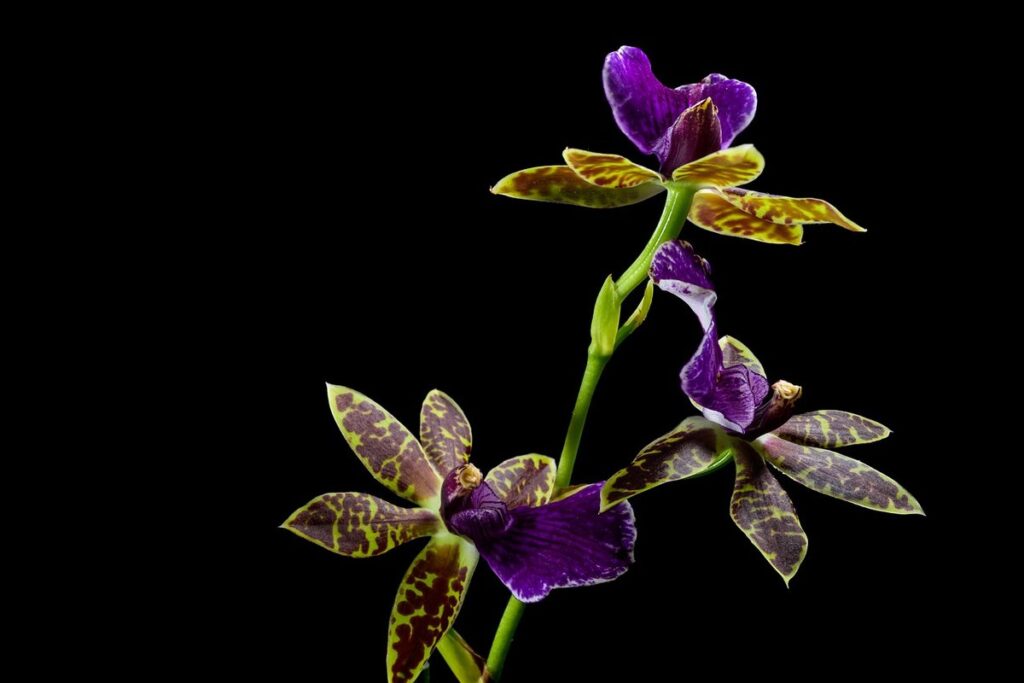
What is the Scientific Name of an Orchid?
So, you want to know how to identify the scientific name of an orchid? This section will break down what makes up a scientific name and how to find it for any given orchid species.
Defining Scientific Names in Botany
In botany, scientific names are used to identify and classify plants with precision. This system of nomenclature is based on a set of rules known as binomial nomenclature, which was developed by Carl Linnaeus in the 18th century. The binomial system assigns each plant species a unique two-part name consisting of a genus name followed by a species name.
For example, the scientific name for the Phalaenopsis orchid is Phalaenopsis amabilis. Here, Phalaenopsis is the genus name and amabilis is the species name. This naming convention allows botanists to communicate effectively about different plant species, regardless of their location or language.
Understanding the structure of a scientific name is essential for anyone interested in learning about orchids. When reading an orchid’s scientific name, you’ll notice that it consists of two parts: the genus name and the species name. The genus name is always capitalized and is followed by the species name. By breaking down the scientific name into its components, you can gain insight into a plant’s characteristics and relationships with other plants in its family.
The Role of Scientific Names in Orchid Identification
Scientific names play a crucial role in identifying and classifying orchids. Each species is assigned a unique combination of two Latin words, with the first word referring to the genus and the second to the specific species. For instance, Phalaenopsis amabilis, a popular houseplant, consists of the genus name Phalaenopsis and the species name amabilis.
This system allows for efficient communication among botanists, researchers, and enthusiasts worldwide. When using scientific names, make sure to follow the binomial nomenclature format: Genus (uppercase) followed by Species (lowercase). This standardization enables accurate identification and classification of orchids across different regions and cultures.
To illustrate this further, consider the Oncidium cebolleta, a rare species from Central America. Its scientific name tells us not only its genus but also its unique characteristics. When purchasing an orchid or consulting with experts, it’s essential to use the correct scientific name to ensure you’re referring to the exact species.
The use of scientific names is particularly important in conservation efforts and plant breeding programs. By standardizing classification, researchers can more effectively protect endangered species and develop new hybrids.
History and Evolution of Orchid Classification
The history of orchid classification has undergone significant changes over time, driven by advances in botanical research and new discoveries about these intricate flowers. Let’s take a closer look at how it all evolved.
Early Taxonomic Systems for Orchids
As we delve into the world of orchid classification, it’s essential to understand the early taxonomic systems that laid the foundation for our current understanding. The ancient Greeks and Romans made significant contributions to the development of plant classification.
Theophrastus, a student of Aristotle, wrote one of the earliest known botanical texts, “Enquiry into Plants” around 300 BCE. Although not exclusively focused on orchids, his work provided valuable insights into plant morphology and classification. He recognized the distinct characteristics of various plants, including their flowers, leaves, and growth habits.
The Roman naturalist Pliny the Elder also played a crucial role in shaping early botanical knowledge. In his encyclopedic work “Naturalis Historia,” he described several orchid species, acknowledging their unique features and classification within the plant kingdom. These ancient contributions may seem primitive compared to modern taxonomy, but they marked the beginning of a long journey toward our current understanding of orchid scientific names.
Their observations and classifications served as building blocks for later botanists, ultimately influencing the development of more sophisticated taxonomic systems.
The Impact of Modern Taxonomy on Orchid Classification
The rise of modern taxonomy has significantly influenced our understanding of orchid relationships and classification. With advancements in genetic analysis, DNA sequencing, and phylogenetic studies, researchers have been able to re-evaluate the traditional Linnaean system and its limitations.
One notable outcome of these new methods is the recognition of numerous previously undetected species. For instance, a 2019 study published in the journal Botanical Journal of the Linnean Society identified over 150 new orchid species within the subfamily Cypripedioideae alone. This explosion in species discovery has forced taxonomists to re-examine their classification systems and propose new, more precise categorizations.
The integration of molecular data into traditional morphological analysis has also led to a better understanding of orchid phylogeny. For example, studies have demonstrated that the genus Dendrobium is not monophyletic, as previously thought. This realization has sparked discussions about the need for reclassification and the potential creation of new genera.
The impact of modern taxonomy on orchid classification has been profound, and its influence will undoubtedly continue to shape our understanding of these enigmatic plants.
Orchid Family and Genus: Understanding the Hierarchy
To grasp the intricacies of orchid scientific names, you need to understand the hierarchical structure that includes family and genus. Let’s break down this complex system into its most basic components.
The Orchidaceae Family: An Overview
The Orchidaceae family is one of the most diverse and widespread plant families on the planet. With over 30,000 known species spread across 763 genera, it accounts for approximately 10% of all flowering plant species. This staggering diversity can be attributed to the family’s ability to adapt to various habitats, ranging from tropical rainforests to arctic tundras.
One of the key characteristics of the Orchidaceae family is its unique floral structure. Most orchids have modified petal-like structures called sepals and petals that protect the reproductive parts of the flower. This specialized arrangement allows for efficient pollination and has contributed to the family’s success in a wide range of ecosystems. In terms of distribution, orchids can be found on every continent except Antarctica, with the majority of species concentrated in tropical regions.
This incredible diversity makes understanding the Orchidaceae family essential when navigating the complex world of orchid nomenclature. By grasping the fundamental characteristics and distribution patterns of this family, you’ll be better equipped to decipher the scientific names associated with various orchid species.
Common Genera within the Orchidaceae Family
The Orchidaceae family is one of the largest and most diverse plant families, encompassing over 30,000 species across more than 800 genera. While this vast diversity can be overwhelming, understanding some of the key genera within the family can help you navigate the world of orchids with greater ease.
Let’s take a closer look at three well-known genera: Dendrobium, Phalaenopsis, and Cattleya. These popular species are widely cultivated due to their striking blooms and relatively low maintenance requirements.
Dendrobium, for example, comprises over 1,500 species of epiphytic orchids native to Asia, Australia, and the Pacific Islands. Their flowers often feature delicate white or colored patterns on a long-lasting spike. Phalaenopsis, also known as moth orchids, are among the most widely grown genera in the world, with around 60 species that thrive in shaded conditions.
Cattleya, named after English horticulturist William Cattley, encompasses about 120 species of terrestrial and epiphytic orchids. Their large, showy blooms come in a range of colors and have become highly prized by collectors and enthusiasts alike. Understanding these key genera can help you identify common characteristics and care requirements among different orchid species, making it easier to choose the perfect variety for your home or garden.
The Binomial Nomenclature of Orchids: Examples and Applications
Let’s dive into some real-world examples of binomial nomenclature in action, exploring how scientists classify different orchid species and their unique applications. You’ll see how this system helps us understand orchids’ complex diversity.
Examining the Scientific Names of Popular Orchid Species
Let’s dive into the fascinating world of orchid scientific names. When you come across an orchid species like Phalaenopsis amabilis or Dendrobium nobile, have you ever wondered what the numbers and letters mean? The scientific name is a combination of two parts: genus and species.
For example, Phalaenopsis amabilis can be broken down as follows: Phalaenopsis is the genus (meaning “moth-like”), while amabilis is the species (meaning “lovely” or “charming”). This naming convention is based on the binomial nomenclature system developed by Carl Linnaeus, where each genus and species has a unique identifier.
Let’s look at another example: Dendrobium nobile. Here, Dendrobium is the genus (meaning “tree-loving”), while nobile refers to the species’ noble appearance. By understanding these meanings, you can better appreciate the characteristics of each orchid species. Next time you come across an orchid with a scientific name, take a moment to break it down and learn more about its unique features.
Using Scientific Names in Orchid Research and Conservation
When working with orchids, it’s essential to understand and use their scientific names accurately. Scientific names play a crucial role in research, conservation efforts, and horticultural practices. In research, using the correct scientific name ensures that studies are comparing apples to apples. For instance, if you’re studying the growth patterns of Phalaenopsis amabilis, your findings will only be applicable to this species.
Conservation efforts also rely heavily on accurate identification through scientific names. When working to protect a specific orchid species, it’s vital to use its scientific name to communicate effectively with other experts and stakeholders. For example, the IUCN Red List uses scientific names to classify and track the conservation status of threatened species.
In horticulture, using scientific names helps ensure that plants are properly identified and cared for. This reduces the risk of misidentification, which can lead to incorrect care practices or even harm to the plant. When cultivating orchids, it’s essential to know the correct scientific name of your species to provide optimal growing conditions.
The Importance of Accurate Scientific Naming in Orchids
Accurate scientific naming is crucial for orchid enthusiasts and researchers alike, as it ensures precise identification and avoids confusion among species. In this section, we’ll explore its significance further.
Avoiding Confusion through Correct Identification
Incorrect or misleading scientific naming of orchids can have far-reaching consequences. When growers and enthusiasts mistakenly identify an orchid as a certain species, it can lead to the misuse of resources, such as fertilizers and pest control methods, which may be specifically suited for that particular species. This mistake can also result in the loss of the plant due to improper care.
Moreover, incorrect identification can hinder research and conservation efforts. Scientific names serve as a universal language among botanists and researchers, allowing them to communicate effectively about specific orchid species. If an orchid is misidentified, it may be difficult or impossible for researchers to study its unique characteristics, habitat requirements, or genetic makeup.
To avoid these consequences, it’s essential to understand the scientific naming of orchids. One way to do this is by consulting reputable sources, such as botanical gardens or peer-reviewed publications. Growers and enthusiasts can also participate in online forums or join local orchid clubs to learn from experienced growers who have extensive knowledge about different species.
Ensuring Consistency in Botanical Nomenclature
Botanical organizations and authorities play a crucial role in ensuring consistency and accuracy in scientific names. The International Code of Nomenclature for algae, fungi, and plants (ICN) is the governing body responsible for maintaining standardized naming conventions. This code provides guidelines for botanists to follow when assigning new names, thus preventing confusion and errors.
To maintain consistency, botanical organizations conduct regular reviews and updates to ensure that names are correct and up-to-date. For example, the International Plant Names Index (IPNI) is a database that provides authoritative information on plant names, including orchids. The IPNI works closely with taxonomists and researchers to verify the accuracy of names and provide corrections when necessary.
As an orchid enthusiast or researcher, it’s essential to consult reputable sources such as the IPNI and ICN for accurate information on orchid scientific names. You can also contribute to maintaining consistency by reporting any errors or discrepancies you encounter to the relevant authorities. By doing so, you’ll be helping to ensure that orchid names remain consistent and reliable for future generations of botanists and enthusiasts alike.
Conclusion: The Significance of Orchid Scientific Names
Now that we’ve explored the intricacies of orchid scientific names, let’s discuss their significance and how it impacts our understanding of these beautiful flowers.
Recapitulating Key Points
As we conclude our comprehensive guide to understanding orchid scientific names, it’s essential to recapitulate the key points covered throughout this journey. Orchid scientific names have a rich history that dates back to Carl Linnaeus’ time, who introduced the binomial nomenclature system that has been widely adopted in botanical classification.
We’ve explored how orchids are classified under the family Orchidaceae, which comprises over 30,000 species, making it one of the largest and most diverse plant families. The use of scientific names allows for precise identification, communication, and organization among botanists, researchers, and enthusiasts.
The applications of orchid scientific names extend beyond classification, as they provide a standardized framework for taxonomy, phylogenetics, and conservation efforts. By understanding and applying these scientific names, you can enhance your knowledge of orchids, improve their cultivation and care, and contribute to the field of botanical research.
In practical terms, this means that knowing an orchid’s scientific name can help you identify its unique characteristics, habitat requirements, and potential threats, enabling informed decisions for propagation, conservation, or even trade.
Final Thoughts on the Importance of Scientific Accuracy
As you’ve navigated this comprehensive guide to understanding orchid scientific names, we hope you now appreciate the significance of these precise labels. Accurate scientific naming is crucial for several reasons. In research, it enables scientists to pinpoint specific species and their unique characteristics, allowing them to develop targeted studies that promote a deeper understanding of these plants. Moreover, when it comes to conservation efforts, exact scientific names help ensure that resources are allocated effectively to protect threatened or endangered orchid populations.
In the realm of horticulture, accurate naming is just as vital. By knowing an orchid’s scientific name, growers can provide the best possible care for the plant and avoid misidentification. This attention to detail also ensures that nurseries and suppliers offer authentic products to customers, preventing confusion and potential financial losses.
By consistently using precise scientific names, we demonstrate our respect for these complex organisms and our commitment to advancing knowledge about them. As you continue on your orchid journey, remember the importance of this nuanced aspect of plant identification and strive to integrate it into your daily practices.
Frequently Asked Questions
How can I use the knowledge of orchid scientific names to help with identification in a field setting?
When working with orchids in the wild, it’s essential to have a solid understanding of their scientific names to accurately identify species. This knowledge can be applied by referencing field guides or online resources that list scientific names alongside photos and descriptions of different orchid species. By cross-referencing these sources with your observations, you’ll be able to make more confident identifications and contribute valuable data to conservation efforts.
Can I use the same scientific name for different cultivars of an orchid?
While cultivar names may vary, the underlying scientific name remains the same. For example, a Phalaenopsis amabilis ‘Kramer’s Sunset’ has the same scientific classification as Phalaenopsis amabilis, but with a distinct cultivar name. This distinction is crucial for tracking the origin and characteristics of specific orchid varieties.
What are some common mistakes to avoid when dealing with orchid scientific names?
When working with orchids, it’s easy to get caught up in the nuances of their classification system. However, one common mistake is misinterpreting or misspelling scientific names, which can lead to confusion and incorrect identifications. To avoid this, always double-check your sources and ensure that you’re using the correct binomial nomenclature for each species.
How do I keep track of the different parts of an orchid’s scientific name?
One way to remember the components of a scientific name is to break it down into its two main parts: genus and species. The genus is usually capitalized, followed by the species name in lowercase. For example, Phalaenopsis amabilis can be divided into its genus (Phalaenopsis) and species (amabilis). This clear structure helps ensure accurate identification and classification.
What resources are available to help me learn more about orchid scientific names?
There are numerous online databases, field guides, and expert communities dedicated to the study of orchids. Websites like The Royal Botanic Gardens, Kew’s World Checklist of Selected Plant Families, or the International Plant Names Index (IPNI) provide access to extensive collections of orchid species, their classifications, and associated information. These resources can be invaluable for furthering your understanding of orchid scientific names and their applications in conservation and research.