
The queen butterfly – a majestic sight to behold in the natural world. If you’re as fascinated by these stunning creatures as I am, then you’re in for a treat. As one of the most iconic species in the butterfly kingdom, the queen is not only a delight to observe but also a vital part of our ecosystem.
Found in tropical and subtropical regions around the world, the queen’s habitat is a delicate balance of flowers, trees, and water sources. But their beauty and importance extend far beyond their natural surroundings. With migration patterns that span thousands of miles and a unique life cycle, these butterflies have captured the hearts of many. However, they’re facing increasing threats from human activities and climate change.
In this article, we’ll delve into the fascinating world of the queen butterfly, exploring its habitat, migration patterns, conservation efforts, and more. We’ll also discuss the importance of protecting this iconic species and what you can do to help. So join me as we take a closer look at these incredible creatures and discover why their survival is crucial for our planet’s well-being.
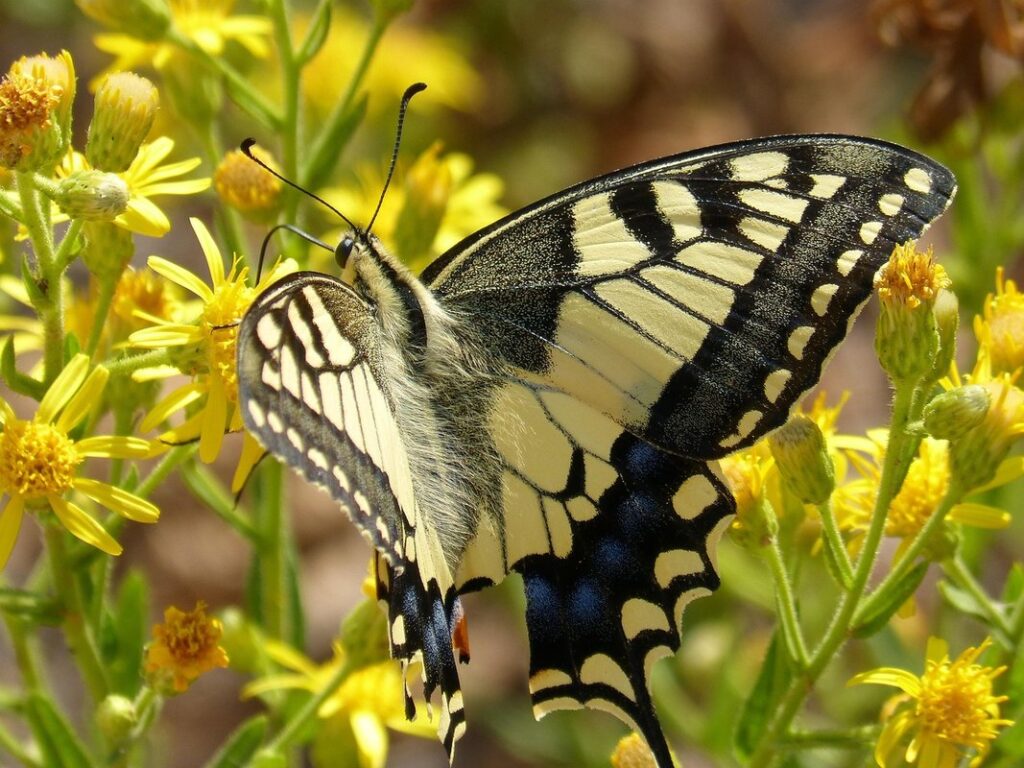
Overview of the Queen Butterfly Species
Let’s dive into the fascinating world of queen butterflies, starting with a comprehensive overview of their species. This section will cover essential details about these stunning creatures’ biology and characteristics.
Distribution and Range
The queen butterfly’s distribution and range are quite fascinating. Native to North America, this species can be found throughout much of the continent, from Canada to Mexico. However, its migratory patterns are what truly set it apart. Each year, large populations of monarchs, including the queen, migrate thousands of miles between their summer breeding grounds in the United States and their wintering sites in Mexico.
In terms of range, the queen butterfly is commonly found in a variety of habitats, including meadows, fields, and woodlands. It can be spotted as far north as Minnesota and as far south as Florida, although it’s more abundant in the central regions of North America. If you’re looking to spot these beautiful creatures, try visiting areas with an abundance of milkweed plants, their primary food source. For example, the monarch butterfly garden at the National Arboretum in Washington D.C. is a great place to start. By supporting conservation efforts and protecting their habitats, we can help ensure the continued survival of this incredible species.
Physical Characteristics and Identification
The Queen butterfly is easily identifiable due to its striking physical characteristics. One of its most distinctive features is its wingspan, which can reach up to 3 inches (7.6 cm) in length, making it a notable sight in the wild. The adult’s dorsal side features a predominantly orange and black coloration with white spots on the forewings, while the ventral side boasts a striking white and brown pattern.
The Queen butterfly’s markings are also quite unique. Its hindwings feature a row of long tails that give it a distinctive appearance when in flight. The wings’ upper surface has two rows of submarginal eyespots on both the fore and hindwings, which serve as a warning signal to potential predators.
Identifying a Queen butterfly is relatively straightforward due to its vibrant coloration and distinct markings. However, it’s worth noting that some subspecies may exhibit variations in color intensity or pattern, so a closer look at the individual’s overall appearance is necessary for accurate identification.
Habitat and Life Cycle
Let’s dive into the fascinating world of queen butterflies, exploring their habitats and life cycles that play a crucial role in their survival.
Host Plant Selection and Larval Development
When it comes to hosting plant selection for queen butterfly larvae, specificity is key. These delicate creatures require particular plants to feed and develop properly. The queen butterfly’s caterpillars primarily feed on plants from the Asclepiadaceae family, which includes milkweed species such as Antelope Horn Milkweed (Asclepias viridiflora) and Green Antelopehorn Milkweed (A. viridescens).
If you’re interested in supporting local queen butterfly populations by providing host plants, consider these two key things: first, choose a plant that is native to your region and second, make sure it’s specifically from the Asclepiadaceae family. When selecting an Asclepiadaceae species for your garden or area of study, ensure you’re purchasing from a reputable source, ideally one that specializes in native plants.
In regions with warmer climates, queen butterfly larvae can be found on milkweed varieties such as Common Milkweed (A. syriaca) and Butterfly Weed (A. tuberosa). However, it’s essential to note that even within the same region, different Asclepiadaceae species may have varying levels of toxicity for caterpillars – some can be toxic, while others are less so.
Pupal Stages and Adult Emergence
As we’ve learned about the queen butterfly’s life cycle so far, let’s take a closer look at the pupal stage. This is where the magic happens, and our caterpillar transforms into a beautiful adult butterfly.
During this stage, which typically lasts around 10-14 days, the caterpillar spins a protective cocoon or chrysalis around itself. Inside this sheltered environment, a dramatic transformation takes place. The caterpillar’s body breaks down and reorganizes itself into the adult form, with its wings, legs, and other features developing from the original larval structure.
Several factors can influence successful emergence from the pupal stage. For instance, temperature plays a crucial role, as most butterfly species require a specific temperature range to initiate the transformation process. Additionally, humidity levels must be just right – too dry or too humid environments can hinder the emergence of our queen butterfly.
Migration Patterns and Behavior
When it comes to migrating, queen butterflies have a remarkable journey that spans thousands of miles, driven by innate instincts and environmental cues. Let’s explore their incredible migratory patterns in more detail.
Spring and Fall Migrations
One of the most fascinating aspects of the queen butterfly’s behavior is its migratory pattern, particularly during the spring and fall seasons. Unlike some other butterfly species that migrate short distances, the queen butterfly undertakes an incredible journey each year, traveling thousands of miles between Canada and Mexico.
The exact timing of the migration varies depending on weather conditions, but it typically begins in late summer when day lengths decrease and temperatures cool down. As the days shorten, the queen butterflies are triggered to start their southward journey, a distance that can reach up to 3,000 miles or more. This remarkable feat is thought to be one of the longest insect migrations on record.
Interestingly, scientists believe that temperature and daylight cycles play a crucial role in triggering this migration. In fact, some research suggests that even a few hours of exposure to shorter daylight periods can stimulate the queen butterflies to begin their journey. As you plan your own butterfly-watching excursions, keep an eye out for these subtle cues – it might just give you a glimpse into the intricate world of these remarkable insects!
Territorial Behavior and Mating Habits
When it comes to territorial behavior, mating habits, and courtship rituals, the queen butterfly exhibits unique adaptations that are crucial for its reproduction. In fact, did you know that the queen butterfly is one of the most common and widespread species of the genus Danaus? This widespread distribution contributes to its adaptability in various ecosystems.
The queen butterfly’s territorial behavior involves claiming a specific area as its own, which it achieves through scent marking using its scent glands located on the bottom side of its abdomen. This pheromone-based communication system allows the male butterfly to locate potential mates and warn off rivals.
When it comes to mating habits, the female queen butterfly typically chooses multiple mates, often storing sperm from different males in her spermatheca – a specialized reproductive organ. This phenomenon is known as polyandry, where females can control the fertilization of their eggs by selecting which sperm to use at any given time.
Conservation Status and Threats
The Queen Butterfly is facing numerous threats, including habitat loss, climate change, and pesticide use, which are all contributing to its declining population. Let’s take a closer look at what conservation efforts are underway to protect this beautiful species.
Habitat Loss and Fragmentation
Habitat loss and fragmentation are significant threats to the queen butterfly’s survival. Deforestation, primarily driven by agriculture and urbanization, has led to the destruction of natural habitats essential for the queen butterfly’s life cycle. The clearance of forests for corn and soybean production has resulted in the loss of host plants and nectar sources crucial for the queen butterfly’s survival.
Urbanization has also contributed to habitat fragmentation, as natural areas are increasingly surrounded by built environments. This leads to a reduction in the availability of suitable habitats and corridors for the queen butterfly to migrate through. A study in Mexico found that urbanization had reduced the area of potential habitat for the monarch butterfly, a close relative of the queen butterfly, by over 75%.
To combat this issue, conservation efforts should focus on preserving natural areas and promoting sustainable land-use practices. This can be achieved through initiatives such as reforestation programs, agroecological farming methods, and urban planning that incorporates green spaces and wildlife corridors. By protecting and restoring habitats, we can help ensure the long-term survival of the queen butterfly.
Climate Change and Disease Factors
Climate change is having a profound impact on the queen butterfly’s migration patterns and food availability. Rising temperatures and altered precipitation patterns are disrupting the delicate timing of its life cycle, making it difficult for the species to adapt. For instance, warmer winters can trigger early breeding cycles, resulting in a mismatch between the caterpillars’ emergence and the availability of their host plant, milkweed.
This disruption has serious consequences for the queen butterfly’s populations. With reduced food sources, caterpillars are more susceptible to disease and parasites, further weakening their chances of survival. In fact, studies have shown that warmer temperatures can increase the spread of diseases such as the protozoan parasite Ophryocystis elektroscirrha (OE), which can significantly impact queen butterfly populations.
As we continue to face climate change, it’s essential for us to take action and support conservation efforts. By planting milkweed in our gardens and creating wildlife-friendly habitats, we can help maintain the queen butterfly’s food sources and provide a safe haven for this magnificent species.
Research and Management Efforts
Efforts to save the queen butterfly are ongoing, involving researchers studying its habitat loss and migration patterns, as well as conservation groups working on a solution.
Citizen Science Initiatives and Monitoring Programs
Citizen science initiatives and monitoring programs play a vital role in tracking the queen butterfly’s population trends and habitat requirements. These projects empower individuals to contribute to scientific research, fostering a deeper understanding of this magnificent species. One notable example is the Monarch Watch program, which relies on volunteers to tag and track monarch butterflies, including the queen subspecies.
Participants in these initiatives collect valuable data on the butterflies’ migratory patterns, habitat preferences, and population sizes. For instance, citizen scientists have reported instances where queen butterflies have been spotted in areas with an abundance of their preferred host plants, such as passionflower and milkweed. This information helps researchers identify crucial habitats and inform conservation efforts.
To participate in these initiatives, you can start by joining local organizations or online platforms dedicated to monarch butterfly research. Many programs provide training and resources for volunteers, ensuring that data collection is accurate and meaningful. By contributing your time and expertise, you’ll be helping scientists better understand the queen butterfly’s needs and develop effective conservation strategies.
Conservation Strategies and Policy Recommendations
To effectively conserve the queen butterfly, we must address its shrinking habitat, disrupted migration patterns, and dwindling population. Policymakers can play a crucial role by implementing policies that protect the monarch’s preferred habitats of milkweed-rich meadows, woodlands, and urban gardens. This can be achieved through targeted conservation efforts such as rewilding projects, restoration of natural corridors, and incentivizing sustainable land-use practices.
Conservationists can also contribute to protecting the queen butterfly’s habitats by promoting responsible gardening practices, providing education on the importance of native milkweed plants, and advocating for habitat preservation in urban planning. The general public can get involved by planting milkweed species in their own gardens, supporting local conservation efforts, and spreading awareness about the plight of this iconic insect.
To mitigate human activities threatening the queen butterfly’s survival, policymakers should encourage sustainable agriculture practices that minimize pesticide use and promote monarch-friendly crops.
Frequently Asked Questions
Can I see the queen butterfly in my backyard if I live outside of its native range?
No, unfortunately not. Queen butterflies are primarily found in tropical and subtropical regions around the world. If you’re interested in observing these magnificent creatures, consider visiting areas within their native range or participating in citizen science initiatives.
How can I contribute to conservation efforts for the queen butterfly species?
There are several ways to help. You can participate in citizen science projects that monitor queen butterfly populations and habitats. Additionally, supporting organizations dedicated to protecting natural habitats and addressing climate change can make a significant impact. Educating yourself and others about the importance of conserving this iconic species is also crucial.
What specific actions should I take to reduce my carbon footprint and help protect the queen butterfly’s habitat?
Making conscious choices in your daily life can significantly contribute to reducing your environmental impact. Start by reducing energy consumption, using public transport or carpooling, and choosing sustainable products. Supporting policies that promote reforestation, renewable energy, and climate change mitigation are also essential steps.
How do I know if the queen butterfly in my area is facing a specific threat such as habitat loss or disease?
Keep an eye out for changes in their behavior, habitat destruction, or unusual occurrences within your local community. You can also consult with local experts or researchers to gain more insights into the current status of the species in your region.
Can I create a queen butterfly-friendly garden in my backyard, even if I don’t live in their native range?
Yes! By incorporating host plants and flowers that are native to your area, you can create a welcoming environment for monarch butterflies (a related species) or other pollinators. While this won’t directly benefit the queen butterfly, it will contribute to the overall conservation of these incredible creatures’ ecosystem.
What resources are available for learning more about the queen butterfly and its life cycle?
There are numerous online resources, books, and documentaries that provide in-depth information on the queen butterfly’s life cycle. You can also consult with local entomologists or experts who specialize in butterfly research to gain a deeper understanding of these fascinating creatures.