
Get ready to be captivated by one of the most exotic and mysterious flowers in the world: the purple passion flower. With its intricate, edible blooms and rich history spanning over 3,000 years, this plant has been a source of fascination for many cultures around the globe. From ancient civilizations that revered it as a symbol of spiritual growth to modern-day gardeners who admire its unique appearance, the purple passion flower is an enigmatic bloom that continues to inspire and intrigue us. In this article, we’ll delve into the fascinating world of purple passion flowers, exploring their history, cultural significance, growing tips, medicinal properties, and even culinary uses – so let’s start our journey into the captivating realm of Passiflora incarnata!
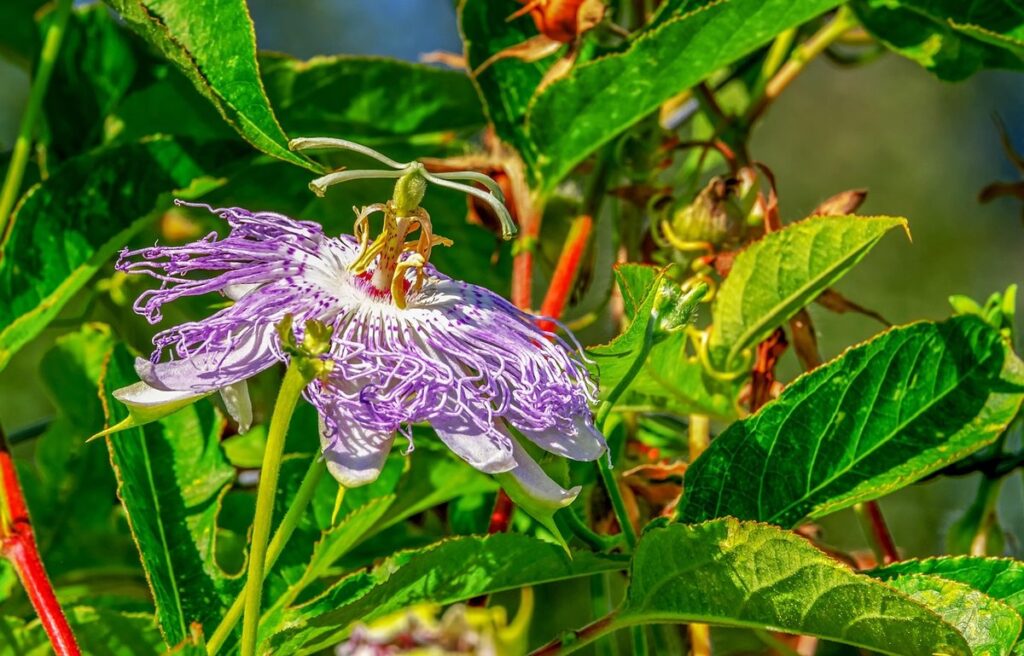
Overview of the Purple Passion Flower
The purple passion flower is a stunning and unique species that has captured the hearts of many gardeners and nature enthusiasts. In this section, we’ll take a closer look at its fascinating characteristics.
Botanical Name and Classification
The purple passion flower’s botanical name is Gynura aurantiaca, which might seem intimidating at first glance. But don’t worry, breaking it down makes it more understandable. The genus Gynura refers to a group of flowering plants that are native to tropical regions, including Asia and the Pacific Islands.
Gynura is derived from the Greek word ‘gyne’, meaning woman, likely due to the plant’s resemblance to female reproductive organs in certain parts. This classification places it within the family Acanthaceae, which comprises over 2,000 species of flowering plants. The aurantiaca part of its name indicates its vibrant orange-red color.
For those interested in horticulture, this knowledge can be useful for identification and classification purposes. If you’re planning to cultivate the purple passion flower, knowing its botanical name will help you research specific growing conditions and care requirements tailored to your region’s climate.
Origin and Distribution
The purple passion flower is native to the tropical regions of Central and South America, specifically in countries such as Brazil, Mexico, and Ecuador. It thrives in warm, humid environments with temperatures ranging from 64°F to 90°F (18°C to 32°C). This plant can be commonly found growing on trees, rocks, and other surfaces, where it uses its aerial roots to absorb moisture and nutrients.
In the wild, purple passion flowers are typically found in areas with high levels of humidity, such as near waterfalls or rivers. They also grow abundantly in tropical forests, where they receive dappled sunlight filtering through the dense foliage. When cultivated in other regions, it’s essential to replicate these conditions by providing a warm and humid environment for the plant.
The purple passion flower has been introduced to many parts of the world, including North America, Europe, and Asia, where it is often grown as an ornamental plant due to its unique appearance and fragrant flowers. However, its natural habitats should be respected and protected to ensure the long-term sustainability of this remarkable species.
History and Cultural Significance
The purple passion flower has a rich history dating back thousands of years, with its cultural significance spanning across ancient civilizations and modern-day applications. Let’s delve into the fascinating stories behind this incredible plant.
Ancient Cultures and Symbolism
In ancient cultures, the purple passion flower held significant reverence for its symbolic meanings. For example, in South American shamanic traditions, the plant was considered a gateway to the spirit world, and its flowers were used in rituals to connect with ancestors and guide healing ceremonies. In some indigenous cultures of Central America, the purple passion flower represented femininity, abundance, and fertility.
Interestingly, the plant’s unique appearance – with its intricate patterns and vibrant colors – was often associated with mystical powers. The ancient Mayans and Aztecs revered the purple passion flower for its ability to ward off evil spirits and bring good fortune. In these cultures, the plant’s symbolic meanings extended beyond mere ornamentation; they represented a deep connection between the physical and spiritual realms.
This rich symbolism underscores the significance of the purple passion flower in ancient cultures, highlighting its role as a bridge between the worlds of nature and spirituality.
Historical Use in Medicine and Aromatics
In traditional medicine, the purple passion flower has been used for centuries to treat a variety of ailments. Native Americans were among the first to use the plant’s extract to calm nerves and reduce anxiety. They believed that the plant had spiritual properties, which could bring balance to the body and mind.
The European colonizers brought their own knowledge of the plant’s medicinal uses back to their homelands. In the 19th century, passion flower was used as a treatment for insomnia, epilepsy, and even menstrual cramps. The plant’s calming effects were also utilized in treating nervous disorders, such as hysteria and hypochondria.
Today, we know that passion flower contains flavonoids, alkaloids, and glycosides, which contribute to its medicinal properties. These compounds have been shown to have sedative and anti-anxiety effects without the risk of dependence or addiction associated with other treatments. If you’re considering using purple passion flower for medicinal purposes, be sure to consult with a healthcare professional first. They can help you determine the best course of treatment and ensure that you use the plant safely and effectively.
Growing and Caring for Purple Passion Flowers
To grow a thriving purple passion flower, you’ll need to provide it with well-draining soil, plenty of sunlight, and regular watering. With these basics covered, your plant will flourish in no time.
Soil and Lighting Requirements
To ensure that your purple passion flower thrives, it’s essential to provide it with the right soil and lighting conditions. This flowering vine prefers well-draining acidic soil with a pH between 6.0 and 7.0. If your native soil is too alkaline or heavy, consider repotting in a mix specifically designed for tropical plants.
When it comes to lighting, purple passion flowers need bright, indirect light but can tolerate partial shade. East- or west-facing windows are ideal, as they provide gentle morning or afternoon sunlight without the intense heat of direct sunlight. Direct sunlight can cause the leaves to become scorched and the flowers to fade quickly.
In general, aim for at least 4 hours of direct or indirect light per day. Avoid placing your purple passion flower in low-light areas, such as basements or north-facing rooms, as this can lead to weak growth and reduced flowering. By providing the right balance of soil acidity and lighting, you’ll be well on your way to enjoying a healthy and vibrant purple passion flower.
Watering and Fertilization
Proper watering is essential for the health and well-being of purple passion flowers. Over-watering can be detrimental to the plant’s roots, leading to root rot and fungal diseases. On the other hand, under-watering can cause the leaves to turn yellow and drop off. Aim to provide your purple passion flower with 1-2 inches of water per week, either from rainfall or irrigation.
When it comes to fertilization, a balanced fertilizer is recommended during the growing season (spring-fall). You can also use a bloom booster to encourage more flowers. However, avoid over-fertilizing, as this can damage the plant’s roots and cause environmental pollution. For example, too much nitrogen can lead to weak stems and fewer blooms.
Some common mistakes to avoid include:
* Not checking soil moisture before watering
* Over-fertilizing during the dormant season (winter)
* Using low-quality or high-sodium fertilizers
To ensure your purple passion flower receives optimal care, check the soil regularly for dryness and adjust your watering schedule accordingly. Fertilize sparingly during the winter months to allow the plant to conserve energy. By avoiding these common mistakes and following a balanced fertilization plan, you’ll be rewarded with vibrant blooms and a thriving plant.
Health Benefits of Purple Passion Flower
The purple passion flower is not only a stunning addition to any garden, but it also boasts a range of impressive health benefits when used correctly. We’ll explore these advantages in more detail below.
Medicinal Properties
Purple passion flower has been used for centuries in traditional medicine to treat a variety of ailments. One of its most notable uses is as an anxiolytic, meaning it can help alleviate anxiety and stress. The plant contains a number of alkaloids, including harman, harmaline, and harmol, which have been shown to have a calming effect on the nervous system.
Studies have also demonstrated that purple passion flower can be effective in treating insomnia, with one study finding that participants who took a supplement containing the plant’s extracts fell asleep faster and slept more soundly than those who took a placebo. This is likely due to the plant’s ability to reduce anxiety and promote relaxation.
If you’re considering using purple passion flower for medicinal purposes, it’s essential to consult with a healthcare professional first. However, if you do decide to use the plant, look for products that contain a standardized extract of its alkaloids, which will ensure that you get the maximum benefits from the plant.
Potential Side Effects and Interactions
While the purple passion flower has shown great promise in providing relief from anxiety and insomnia, it’s essential to be aware of its potential side effects and interactions. As with any herbal remedy, you may experience some adverse reactions when using purple passion flower as a treatment option.
Some common side effects include dizziness, headaches, and stomach upset, particularly when consumed in large doses or over an extended period. It’s also crucial to note that purple passion flower can interact with certain medications, such as sedatives, antidepressants, and blood thinners, which may amplify its effects or increase the risk of adverse reactions.
If you’re considering using purple passion flower as a treatment option, it’s vital to consult with your healthcare provider first, especially if you’re already taking any prescription medications. They can help you weigh the benefits against potential risks and recommend alternative uses if necessary. When consuming purple passion flower, start with small amounts and monitor your body’s response to avoid any adverse reactions.
Some key things to keep in mind:
• If you experience any side effects, reduce the dosage or discontinue use.
• Inform your healthcare provider about all medications, supplements, and herbal remedies you’re taking before using purple passion flower.
• Consult with a healthcare professional if you have any underlying medical conditions or concerns.
Culinary and Cosmetic Uses
The purple passion flower has been prized for its unique flavors, fragrances, and beauty-enhancing properties for centuries, and we’ll explore some of its most exciting culinary and cosmetic uses. From teas to face masks, you won’t want to miss these creative applications.
Edible Flowers and Dishes
When it comes to culinary uses, the purple passion flower is a true gem. Not only do its delicate flowers add a pop of color and fragrance to dishes, but they’re also edible and packed with nutrients. In fact, the flowers can be used as a garnish or added to salads, desserts, and even cocktails for a unique twist.
One popular way to use purple passion flower is in sorbet and ice cream recipes. The delicate flavor pairs well with citrus fruits like lemons and limes, while its subtle sweetness complements berries and other stone fruits. To make a passion flower sorbet, simply steep the flowers in sugar syrup and freeze. You can also add them to lemonades or mimosas for a romantic touch.
In addition to desserts, the purple passion flower is also used in savory dishes like salsas and sauces. Its subtle bitterness balances out sweetness, making it an excellent pairing with grilled meats and vegetables. For example, try adding a few passion flowers to your favorite salsa recipe for an added depth of flavor.
Skincare and Haircare Applications
Incorporating the purple passion flower into your skincare and haircare routine can be a game-changer for achieving healthy, glowing skin and luscious locks. The plant’s unique combination of antioxidants, flavonoids, and alkaloids makes it an excellent ingredient for various applications.
One potential benefit of using purple passion flower in skincare is its ability to soothe and calm irritated skin. A study published in the Journal of Ethnopharmacology found that a topical extract of the plant significantly reduced inflammation and redness in patients with atopic dermatitis. To harness this benefit, you can add dried or fresh purple passion flower petals to your homemade face mask or use them as an infusion for a relaxing bath.
In haircare, the purple passion flower’s antifungal properties may help control dandruff and other scalp issues. A simple recipe involves mixing dried passion flower powder with coconut oil and applying it as a pre-shampoo treatment. Leave it on for 30 minutes to an hour before shampooing as usual.
By incorporating purple passion flower into your beauty routine, you can unlock its potential benefits for radiant skin and healthy hair. Remember to always perform a patch test before introducing new ingredients to your skincare or haircare products.
Conservation Status and Future Research
As we explore the unique qualities of the purple passion flower, let’s take a closer look at its conservation status and what future research might uncover about this fascinating plant.
Threats to the Plant’s Survival
The purple passion flower is listed as a species of special concern by the IUCN Red List due to habitat destruction and fragmentation. Its native habitats in Central and South America are being cleared for agriculture, urbanization, and other human activities. This has led to a decline in the plant’s population, making it vulnerable to extinction.
In addition to habitat loss, the purple passion flower is also threatened by over-collection of its species. Some countries have implemented regulations on the harvesting of its flowers and leaves, but these laws are not always enforced. As a result, many plants are being taken from their natural habitats without permission or care for their survival.
To support conservation efforts, it’s essential to choose nurseries that grow purple passion flowers sustainably. These nurseries often source their seeds from local farmers or wild-collected plants and prioritize responsible harvesting practices. By purchasing from these sources, you can help reduce the demand for wild-harvested plants and contribute to the plant’s long-term survival.
Potential New Discoveries and Uses
As we explore the world of the purple passion flower, it’s exciting to consider the potential for new discoveries and uses that may arise from ongoing research. While this plant has been used for centuries in traditional medicine, its unique properties and bioactive compounds make it an attractive subject for modern scientific investigation.
Researchers are currently studying the purple passion flower’s ability to interact with specific receptors in the brain, which could lead to breakthroughs in treating anxiety and depression disorders. Studies have shown that the plant’s flavonoids, carotenoids, and alkaloids exhibit potent neuroprotective effects, warranting further exploration of its potential as a natural therapeutic agent.
Additionally, scientists are investigating the purple passion flower’s antimicrobial properties, which could be leveraged to develop new treatments for antibiotic-resistant infections. Preliminary results suggest that the plant’s extracts demonstrate significant activity against various pathogens, including MRSA and E. coli.
Ongoing research is also focused on harnessing the purple passion flower’s bioactive compounds to create novel pharmaceuticals and nutraceuticals. For instance, one study has identified a specific alkaloid in the plant that shows promise as a potential treatment for neurodegenerative diseases such as Alzheimer’s and Parkinson’s.
Frequently Asked Questions
Can I grow a purple passion flower indoors?
While it’s possible to grow a purple passion flower indoors, it requires specific conditions such as bright indirect light, high humidity (50-70%), and temperatures between 65°F to 75°F (18°C to 24°C). It’s essential to replicate its tropical habitat for optimal growth.
How do I handle the potential side effects of using purple passion flower medicinally?
When used in moderation, purple passion flower is generally considered safe. However, some individuals may experience drowsiness, nausea, or allergic reactions. Consult a healthcare professional before using it as a treatment for any medical condition. Be cautious when combining with other medications.
Are there edible flowers that pair well with the taste of purple passion flower?
Yes, purple passion flower’s sweet and slightly tart flavor complements flowers like violas, pansies, and nasturtiums. Experiment with different combinations to find your favorite flavor pairing. When using edible flowers, ensure they’re free from pesticides and grown specifically for consumption.
Can I use the medicinal properties of purple passion flower in skincare products?
Yes, the anti-inflammatory and antioxidant properties make it suitable for skincare applications. However, be aware that excessive use may cause skin irritation in some individuals. Always perform patch tests before incorporating any new ingredient into your skincare routine.
How do I propagate a purple passion flower from cuttings or seeds?
Propagation via cuttings is generally more successful than seed germination. Take 3-4 inch stem cuttings with at least two nodes, remove lower leaves, and plant them in well-draining soil. Keep the soil consistently moist but not waterlogged until roots develop.