
Are you tired of struggling with uneven or muddy garden paths? Choosing the right type of grass can make all the difference in creating a beautiful and functional outdoor space. But with so many options available, it’s easy to get overwhelmed by the choices.
In this article, we’ll explore the best grass types for garden paths, taking into account factors like climate, sunlight, and maintenance needs. We’ll discuss how to select the perfect grass for your specific conditions, ensuring a durable and low-maintenance outdoor space that looks great all year round. From drought-tolerant options to lush, vibrant varieties, we’ll cover it all, providing you with expert advice on selecting the best grass for your garden paths.
Whether you’re looking to create a relaxing walkway or a functional access route, this guide will help you make an informed decision and bring your outdoor space to life.
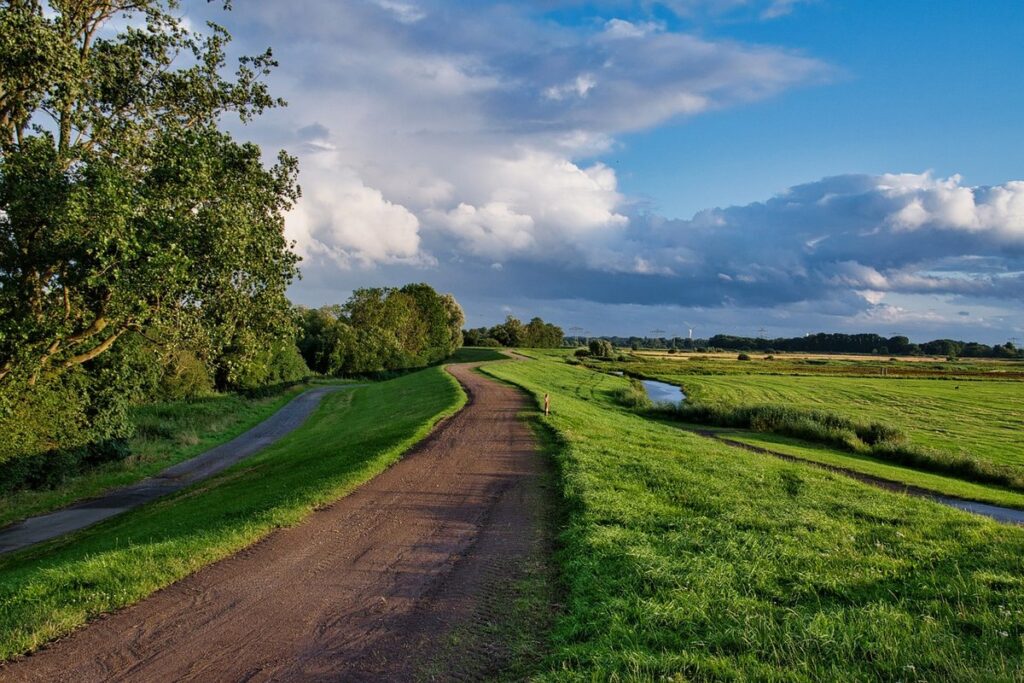
Understanding Your Options: Types of Grass Suitable for Garden Paths
When selecting grass for your garden path, it’s essential to understand the various types that thrive in different conditions and environments. From drought-tolerant species to lush, low-maintenance varieties, there’s a suitable option for every yard.
Warm-Season Grasses: Perfect for Full Sun
Warm-season grasses are perfect for garden paths that receive full sun, and two popular options are Bermuda grass and Zoysia grass. These types of grasses thrive in warm temperatures and can handle intense sunlight, making them ideal for sunny areas.
One of the main advantages of warm-season grasses is their ability to withstand heat and dryness. They have deep roots that allow them to absorb water efficiently, reducing the need for frequent watering. For example, Bermuda grass is known for its drought tolerance and can survive with minimal watering once established. This makes it a great option for garden paths that are prone to drying out.
Another benefit of warm-season grasses is their dense growth habit, which helps to suppress weeds and prevent erosion. Zoysia grass, in particular, has a soft, lush texture that feels great underfoot. It also requires less mowing than other types of grass, making it a low-maintenance option for busy gardeners.
When choosing a warm-season grass for your garden path, consider the specific climate and soil conditions in your area. Bermuda grass prefers well-draining soil, while Zoysia grass can tolerate a range of soil types. By selecting the right warm-season grass for your needs, you’ll be able to enjoy a beautiful, low-maintenance garden path that thrives in full sun.
Cool-Season Grasses: Ideal for Partial Shade
Cool-season grasses are an excellent choice for garden paths that receive partial shade. Among these, Kentucky bluegrass and perennial ryegrass stand out for their ability to thrive in low-light conditions. These grasses perform well in areas with 2-4 hours of direct sunlight per day, making them ideal for paths under trees or near buildings.
One of the key benefits of cool-season grasses is their rapid growth rate, which allows them to quickly fill in bare spots and maintain a lush appearance. Kentucky bluegrass, in particular, has a fine texture and dark green color, making it a popular choice for landscape design. Perennial ryegrass, on the other hand, is known for its ability to tolerate heavy foot traffic and can be grown in mixtures with other cool-season grasses.
When selecting a cool-season grass for your garden path, consider factors such as soil type, drainage, and maintenance requirements. Be sure to choose a variety that is suitable for your region’s climate and provides the right level of shade tolerance. With proper care and attention, cool-season grasses can provide years of enjoyment and beauty for your outdoor space.
Low-Maintenance Options: Suited for Busy Gardeners
If you’re a busy gardener, you’ll appreciate low-maintenance options that require less attention. Two excellent choices for garden paths are Buffalo grass and Blue grama, both of which can thrive with minimal watering and mowing.
Buffalo grass is an excellent option for areas where water conservation is crucial. It’s highly drought-tolerant and requires only occasional watering, making it perfect for busy gardeners who may not have the time to keep up with frequent irrigation. Additionally, Buffalo grass has a low growth rate, which means it doesn’t need to be mowed often.
Blue grama grass is another great option for those who want a low-maintenance solution. It’s native to North America and requires minimal watering, making it ideal for areas with low rainfall or water restrictions. Blue grama also grows slowly, reducing the need for frequent mowing. Both Buffalo and Blue grama grasses are suitable for garden paths and can handle foot traffic well.
Remember to choose a mix of these species that suits your climate and soil type to ensure they thrive in your environment.
Factors to Consider When Selecting the Best Grass for Your Path
When selecting the best grass for your path, there are several factors to consider to ensure it’s durable, low maintenance, and suitable for your climate. Let’s take a closer look at these essential considerations.
Climate and Region
When choosing the best grass for your garden path, it’s essential to consider the climate and region you live in. Different types of grass thrive in various conditions, and selecting a suitable one based on your local environment will make maintenance easier and ensure the health of your lawn.
In areas with high temperatures and low rainfall, like the Mediterranean or desert regions, drought-resistant grasses such as Buffalo Grass or Blue Grama Grass are ideal choices. These species can survive with minimal watering and care. On the other hand, in cooler and more humid climates like those found in the Pacific Northwest or Northeast US, you may prefer a lush, shade-tolerant option like Kentucky Bluegrass.
Consider your region’s average temperature, rainfall, and sunlight hours to make an informed decision. For example, if you live in a coastal area with high salt levels in the air, consider a salt-tolerant grass variety like Sea Island Buffalo Grass or Centipede Grass. By taking into account your climate and region, you can choose a suitable type of grass that will not only look great but also require minimal maintenance.
Sunlight and Shade Requirements
When selecting grass for your garden path, it’s essential to consider the varying sunlight needs of different types. Some grasses can thrive in full sun, while others prefer partial shade or even full shade. For example, buffalo grass and blue grama grass are highly adaptable to sunny conditions and require at least 6 hours of direct sunlight per day.
On the other hand, certain types like St. Augustinegrass and fine fescue are more tolerant of shade and can survive with as little as 4-5 hours of direct sunlight. However, they still benefit from some direct sun exposure to promote healthy growth.
If your garden path receives partial shade, consider selecting a grass that’s specifically designed for this condition. Some popular options include fine fescue, tall fescue, and perennial ryegrass. These types can tolerate dappled shade and require minimal maintenance. When selecting a shaded area grass, make sure to check the specific sunlight requirements for each variety to ensure you’re choosing the right one for your needs.
Soil Type and pH Level
When it comes to choosing the best grass for your garden path, understanding your soil type and pH level is crucial. Different grass types thrive in various conditions, so knowing what you’re working with will help you make an informed decision.
Soil type significantly impacts grass growth, with clay soils being too dense for some varieties, while sandy soils drain quickly, making it difficult to retain moisture. Test your soil using a DIY kit or hire a professional to determine its composition and pH level. The ideal pH range for most lawn grasses is between 6.0 and 7.0.
If your soil falls outside this range, consider taking corrective measures before planting. For example, adding lime to raise the pH or sulfur to lower it can make a big difference. Some grass types, like Buffalo Grass, are more adaptable to poor soils, while others require well-draining conditions. Researching specific grass requirements will help you select the best fit for your garden path. By understanding and working with your soil type and pH level, you’ll be well on your way to choosing a thriving and beautiful lawn.
Maintenance Considerations: Watering, Mowing, and Fertilizing
Now that you’ve selected your ideal grass type for garden paths, let’s discuss the essential maintenance considerations to keep it thriving. This includes proper watering, mowing, and fertilization techniques.
Proper Watering Techniques to Avoid Over- or Under-Watering
Proper watering is crucial to maintaining healthy grass on garden paths. However, over- or under-watering can have detrimental effects on your lawn’s appearance and overall health. Overwatering can lead to shallow root growth, making the grass more susceptible to disease and pests, while underwatering causes stress to the blades, turning them brown and brittle.
To avoid these risks, it’s essential to implement a suitable watering schedule tailored to your specific climate and grass type. Check the soil moisture by inserting a finger into the soil up to about 2-3 inches deep; if the soil feels dry, it’s time to water. As a general rule of thumb, water your lawn when the top inch of soil feels dry to the touch.
It’s also vital to adjust your watering schedule based on weather conditions. During hot and dry spells, you may need to water more frequently, but in periods of heavy rainfall or high humidity, it’s best to reduce watering to prevent over-saturation. By finding a balance between providing enough moisture and avoiding excess, you can keep your garden path grass looking its best all year round.
Mowing Frequency and Height for Optimal Growth
When it comes to mowing frequency and height, different grass types have varying needs. For example, if you’ve chosen a drought-tolerant grass like Buffalo or Kikuyu for your garden path, you’ll want to maintain a slightly higher mowing height to promote deeper root growth. Aiming for 5-7cm (2-3 inches) is ideal.
For more delicate grasses like Zoysia or Bentgrass, it’s best to stick to lower heights around 3-5cm (1.5-2 inches). This will help maintain a neat appearance while preventing the risk of scalping.
A general rule of thumb for all grass types is to mow no more than one-third of the leaf blade at each mowing session. Over-mowing can stress the grass and make it more susceptible to disease and pests.
As a rough guide, consider the following mowing schedules:
* For warm-season grasses like Buffalo or Kikuyu: Mow every 7-10 days during peak growth periods.
* For cool-season grasses like Bentgrass or Zoysia: Mow every 10-14 days during active growth phases.
Remember to adjust your mowing frequency based on weather conditions, and never remove more than one-third of the leaf blade at once. This will help maintain a lush, healthy appearance for your garden path lawn.
Fertilizing Tips: Organic vs. Chemical Options
When it comes to fertilizing the grass on your garden path, you have two main options: organic and chemical. While both methods can be effective, they have distinct differences that are worth considering.
Chemical fertilizers contain synthetic ingredients that quickly provide nutrients to the soil but also pose potential risks to humans, pets, and the environment if not used properly. They’re often cheaper upfront but may require repeated applications, which can add up in cost over time. A popular example of a chemical fertilizer is ammonium sulfate, which provides an immediate boost of nitrogen.
On the other hand, organic fertilizers are made from natural ingredients like compost, manure, or bone meal. These options take longer to work but provide a more sustained release of nutrients and promote soil health without the risks associated with chemicals. Examples include kelp meal and feather meal, which provide slow-release nitrogen.
Ultimately, choosing between organic and chemical fertilizers depends on your personal preferences, budget, and garden path’s specific needs. Consider factors like the type of grass you have, the amount of foot traffic, and any local regulations or concerns about environmental impact.
Budget-Friendly Grass Types for Garden Paths
If you’re on a budget, there are many cost-effective grass types that can thrive on your garden paths. Let’s explore some affordable options to consider.
Affordable Alternatives with Minimal Maintenance Requirements
When it comes to choosing the best grass for garden paths, affordability and maintenance needs are often top of mind. While some options may be more budget-friendly than others, they can still require a significant amount of upkeep. Fortunately, there are several affordable alternatives that offer a balance between cost and maintenance requirements.
One such option is Centipede grass, which is known for its low-maintenance needs and affordability. This warm-season grass is native to the southeastern United States and is well-suited to full sun and well-drained soil conditions. With proper care, Centipede grass can thrive in garden paths with minimal watering and fertilization requirements.
Another budget-friendly option is St. Augustinegrass, which is a popular choice for residential lawns due to its shade tolerance and heat resistance. While it does require more maintenance than some other options, St. Augustinegrass can be an affordable alternative to more expensive grasses like Bermuda or Zoysia.
To minimize the maintenance requirements of these budget-friendly grasses, consider the following tips:
* Water them deeply but infrequently to encourage deep root growth and drought tolerance
* Fertilize sparingly, as excessive nitrogen can promote weak growth and disease susceptibility
* Mow regularly to maintain a height of 2-3 inches and promote healthy growth
By choosing budget-friendly options like Centipede grass or St. Augustinegrass and following these maintenance tips, you can enjoy a beautiful and durable garden path without breaking the bank.
Benefits of Choosing the Right Grass Type for Your Pathway
Selecting the right type of grass for your garden pathway can make a huge difference in its appearance and durability, and it’s easier than you think to choose wisely.
Aesthetic Appeal: Enhancing the Beauty of Your Outdoor Space
When it comes to creating an inviting and beautiful outdoor space, selecting the right type of grass for your garden path can make all the difference. Not only does it add a touch of elegance to your yard, but it also requires minimal maintenance, making it perfect for busy homeowners.
Consider incorporating different textures and colors into your design to create visual interest. For instance, pairing smooth Kentucky bluegrass with rougher-textured fescue can add depth and dimension to your pathway. Alternatively, combining warm-toned buffalo grass with cool-toned perennial ryegrass creates a stunning contrast that’s perfect for creating a focal point in your garden.
To take it up a notch, try incorporating color schemes into your design. For example, pairing emerald green Kentucky bluegrass with vibrant purple flowers or bright red shrubs adds a pop of color and energy to your pathway. Remember, the key is to balance your design elements so that they complement each other without overwhelming the space. By experimenting with different textures and colors, you can create a beautiful and inviting outdoor space that reflects your personal style.
Durability and Longevity: Withstanding Foot Traffic and Weather Extremes
When choosing the right grass type for your pathway, durability and longevity are crucial considerations to ensure your path can withstand heavy foot traffic and harsh weather conditions. Some grass types, such as Bermuda Grass and Zoysia Grass, have a natural tolerance for wear and tear, while others may require more maintenance.
For instance, Kentucky Bluegrass is known for its ability to recover quickly from damage, making it an excellent choice for high-traffic areas. On the other hand, Perennial Ryegrass is more susceptible to damage and may require more frequent mowing and watering to maintain its appearance.
To ensure your pathway’s durability, consider factors such as soil type, drainage, and climate. For example, if you live in a region with heavy rainfall, a grass type that can handle excess water is essential. Similarly, if your pathway receives direct sunlight for extended periods, choose a grass type that is resistant to drought.
In addition to these considerations, regular maintenance practices such as mowing, watering, and fertilizing can also impact the longevity of your pathway’s grass.
DIY Installation vs. Professional Services: Weighing the Pros and Cons
When deciding on grass for your garden path, you’ll also need to consider how to install it – and whether to go DIY or hire a pro. This can significantly impact your budget and end result.
Installing Grass Yourself: Tips for a Successful Project
Installing grass yourself can be a cost-effective and fulfilling project, but it requires careful planning and execution. Before you begin, make sure you have the right tools for the job. You’ll need a lawn mower or aerator to prepare the soil, a rake to level the ground, and a spreader or shovel to lay down the grass.
Choose a suitable type of grass for your garden path, considering factors such as climate, foot traffic, and maintenance requirements. A hard-wearing, low-maintenance option like perennial ryegrass or buffalo turf is ideal for high-traffic areas.
To ensure success, follow these essential steps: start by preparing the soil, loosening it to a depth of about 10 inches. Next, lay down a weed barrier or landscape fabric to suppress weeds and retain moisture. Then, spread the grass evenly, using a string line to guide you if necessary. Water thoroughly after installation and keep the area moist during the first few weeks.
Remember, patience is key when installing grass yourself. With careful planning and attention to detail, you can achieve a beautiful, lush lawn that will add value to your garden path for years to come.
Hiring a Pro: Benefits and Drawbacks to Consider When Choosing Professional Services
When it comes to choosing the best grass for your garden paths, you may be torn between going the DIY route and hiring a professional. While there’s no one-size-fits-all answer, understanding the benefits and drawbacks of each option can help you make an informed decision.
Hiring a pro can save you time and effort in the long run. A professional will assess your garden’s unique conditions, select the most suitable grass species for your climate and soil type, and ensure proper installation. This means less likelihood of costly mistakes or maintenance headaches down the line. For instance, if you live in an area with high foot traffic, a professional can recommend a more durable grass species that can withstand heavy use.
However, hiring a pro comes with a higher upfront cost. You’ll need to factor in labor costs, which can range from $3 to $10 per square foot, depending on the complexity of the project and your location. Moreover, if you’re not satisfied with their work, it may be challenging to find someone willing to revisit or correct their installation.
Another consideration is that hiring a pro might limit your creative input and flexibility in terms of design and customization. If you have specific ideas for your garden paths, doing it yourself can give you the freedom to experiment and try new things without breaking the bank. Nevertheless, if you’re short on time or lack experience with lawn installation, the benefits of hiring a professional may outweigh the costs.
Ultimately, whether you decide to DIY or hire a pro depends on your specific needs, resources, and preferences. By weighing the pros and cons carefully, you can make an informed decision that suits your garden’s unique requirements.
Frequently Asked Questions
Can I mix different types of grass for my garden path?
Mixing different types of grass can be challenging, as it may lead to inconsistent growth patterns and maintenance requirements. However, if you have a large area or specific design goals, consulting with a professional can help determine the best combination of grasses for your climate, sunlight, and soil conditions.
How do I prepare my garden path for new grass installation?
Before installing new grass, make sure to remove any debris, weeds, or existing vegetation. Test your soil pH level and amend it if necessary. Rake the area to create a smooth surface, and apply a starter fertilizer according to the manufacturer’s instructions.
What is the best way to maintain my garden path during extreme weather conditions?
During periods of drought, reduce watering to once every 7-10 days, or as needed based on soil moisture. In areas with heavy rainfall, ensure proper drainage by installing a French drain or other water management system. Regularly inspect your grass for signs of disease or pests and address any issues promptly.
Can I grow low-maintenance grass in shade?
While some grass types can tolerate partial shade, few species thrive in deep shade. Consider using shade-tolerant groundcovers like creeping thyme, sedum, or vinca minor, which require minimal maintenance and can add color to your garden path.
How long does it take for new grass to establish itself after installation?
New grass typically takes 2-4 weeks to establish itself after installation, assuming proper care and conditions. During this time, keep the area moist but not waterlogged, and avoid heavy foot traffic or mowing.