
Making compost at home is one of the simplest and most effective ways to reduce your waste, save money on gardening supplies, and create a nutrient-rich soil amendment that improves crop yields. Not only does composting help minimize your environmental impact, but it also provides you with a valuable resource for growing healthier, more productive plants. If you’re new to composting, don’t worry – it’s easier than you think! In this article, we’ll walk you through the basics of making compost and provide you with step-by-step instructions on how to create your own nutrient-rich soil amendment at home. We’ll cover everything from setting up a compost bin to monitoring pH levels and turning your finished compost into a valuable resource for your garden.
Benefits of Composting
Composting is not only great for the environment, but it also provides a wealth of benefits for your garden and household. Let’s explore the advantages of composting together.
Reduces Waste and Saves Money
Composting not only helps create a nutrient-rich soil amendment for your garden, but it also has significant environmental and financial benefits. When you compost, you’re reducing the amount of waste sent to landfills, which in turn saves you money on disposal costs. In fact, according to the United States Environmental Protection Agency (EPA), food waste is the largest component of municipal solid waste in the country, accounting for over 13% of all waste generated.
By composting your organic materials, such as fruit and vegetable scraps, leaves, and grass clippings, you’re diverting these items from landfills and reducing the need for expensive disposal methods. This not only saves you money on your waste management bills but also helps extend the life of our landfills.
To put this into perspective, if just 1% of households in a city with a population of 100,000 started composting, it could save an estimated $50,000 per year in disposal costs. By incorporating composting into your daily routine, you’re not only creating a nutrient-rich soil amendment but also doing your part to reduce waste and save money.
Environmental Benefits
Composting not only reduces waste sent to landfills but also has numerous environmental benefits that can have a significant impact on our planet. By capturing carbon in the compost pile, we’re essentially sequestering it and preventing its release into the atmosphere. This process helps mitigate climate change by reducing greenhouse gas emissions.
To put this into perspective, consider that 1 ton of compost is equivalent to removing 2-3 tons of CO2 from the atmosphere. Now, let’s talk about water conservation. By improving soil structure through composting, we can significantly reduce erosion and runoff. This improved soil health means better retention of moisture, reducing the need for irrigation and subsequent water consumption.
For example, a study in Iowa found that using compost-based cover crops reduced soil erosion by 98%. Another study showed that incorporating compost into cropland increased yields by up to 20% while using up to 50% less water. By implementing these simple steps in making your own compost at home or on a small scale, you’re contributing to the reduction of greenhouse gas emissions and promoting sustainable agriculture practices.
Healthier Soil
When you add compost to your soil, it introduces beneficial microorganisms that play a crucial role in its fertility and structure. These microbes help break down organic matter, making essential nutrients available to plants. As a result, your plants become healthier, and the soil’s overall health improves.
One of the primary ways compost enhances soil structure is by increasing its water-holding capacity. This allows plants to absorb moisture more efficiently, reducing the need for frequent watering. Additionally, compost helps to improve soil aeration, which is vital for healthy root growth. By incorporating compost into your garden, you’re creating an environment that’s conducive to plant development.
The impact of compost on soil health can be seen in various farming practices around the world. In some regions, farmers have reported significant increases in crop yields after adopting compost-based fertilization methods. This approach not only benefits plants but also contributes to a more sustainable agricultural system by reducing the reliance on synthetic fertilizers and minimizing waste disposal issues.
Choosing the Right Compost Bin
When it comes to making compost, choosing the right bin is a crucial decision that can make all the difference. Let’s explore your options for a perfect composter.
Types of Compost Bins
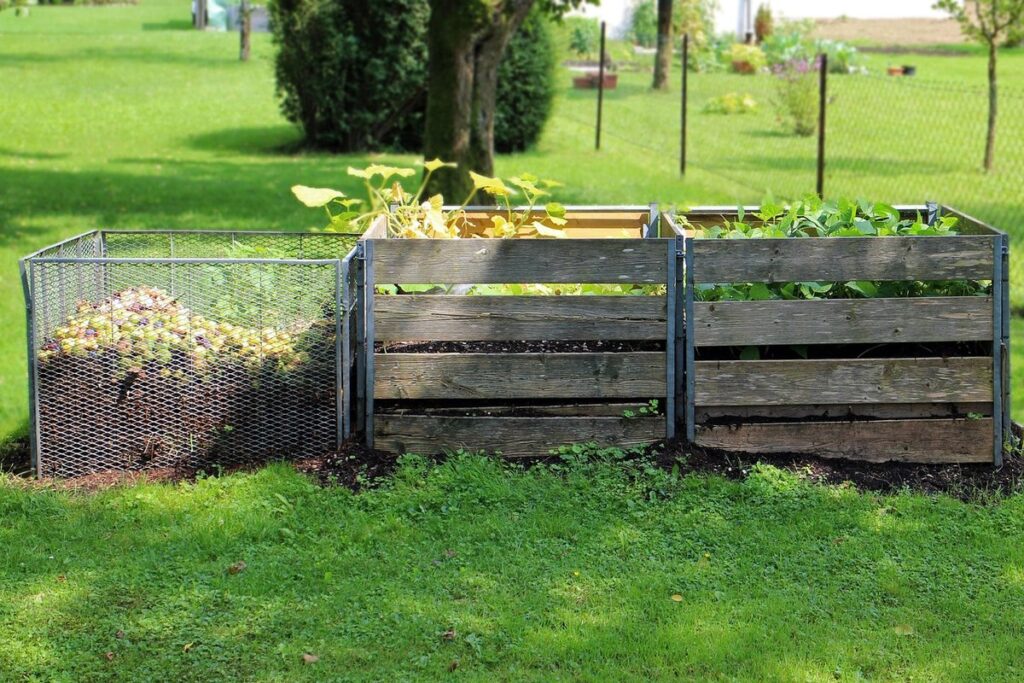
When it comes to choosing the right compost bin for your needs, there are several types to consider. One option is a DIY compost bin, which can be made from repurposed materials like old pallets or wire mesh. This approach not only saves money but also allows you to tailor the design to fit your specific space constraints.
Commercial compost bins are another popular choice, offering a range of styles and sizes to suit different budgets and needs. These bins often feature secure latching systems and pest-proof mesh to protect against rodents and other pests. Some commercial bins even include features like odor control and built-in aerators for improved decomposition.
For those looking to turn kitchen scraps into nutrient-rich fertilizer, worm composting systems (vermicomposting) are a great option. These systems use red wiggler worms to break down food waste in a controlled environment, producing a high-quality compost that’s rich in microorganisms and nutrients. When choosing a compost bin, consider factors like cost, space requirements, and maintenance needs – this will help you select the best option for your specific situation.
Location and Placement
When choosing the right location for your compost bin, it’s essential to consider airflow and sunlight. A well-ventilated area will promote healthy decomposition and speed up the process. Avoid placing your compost bin near water sources, such as a garden hose or a leaky pipe, as excess moisture can lead to anaerobic conditions that slow down decomposition.
Instead, position your compost bin in an area with good airflow. This could be on a raised platform or elevated area, away from any obstructions like trees or buildings. Direct sunlight can also hinder the composting process by heating up the pile too quickly and causing it to dry out. A shaded area or one that receives partial sunlight is ideal.
Consider the proximity of your compost bin to your kitchen or garden as well. Having it close to these areas will make it easier to add scraps and leaves, but be mindful not to overload the bin with too much material at once. Aim for a balance between accessibility and space constraints.
Size and Capacity
When it comes to choosing the right compost bin, size and capacity are crucial considerations. The amount of space you have available in your yard and the quantity of organic waste you generate will determine the optimal bin size for your needs.
Consider a larger bin if you have a big garden or produce a substantial amount of kitchen scraps daily. On average, a 7 cu. ft. bin can hold about 3-4 cubic feet of finished compost, which is equivalent to around 100 pounds of material. However, if you live in an apartment with limited outdoor space, a compact bin will suffice.
Another factor to consider is the shape and design of the bin. A rectangular or square-shaped bin will maximize storage capacity compared to a round one. Some bins also feature a removable lid, which can be convenient for easy access and turning the compost.
Ultimately, select a bin that fits your specific needs and available space.
Setting Up Your Compost Pile
Before you start adding materials to your compost pile, it’s essential to set it up correctly, which we’ll cover in this next step. Let’s get started by selecting a suitable location and preparing the site.
Layering Materials
When building your compost pile, it’s essential to layer “green” materials (high in nitrogen) with “brown” materials (high in carbon). This balance is crucial for efficient decomposition. Green materials typically come from food scraps, grass clippings, and manure, while brown materials include dried leaves, straw, and shredded newspaper.
To start, create a 4-6 inch layer of brown materials at the bottom of your pile. This will help with airflow and prevent pests from becoming attracted to your compost. Next, add a 2-3 inch layer of green materials on top of the brown layer. You can use food scraps like vegetable peels or fruit rinds, but be sure to avoid adding meat, dairy, or oily foods as they can attract pests and create odors.
Continue alternating between layers of brown and green materials, ending with a 4-6 inch layer of brown materials on top. This will help speed up the decomposition process and reduce any potential odors. As you add new materials, gently mix the existing pile to ensure everything is breaking down evenly. By achieving this balance of nitrogen-rich “green” materials and carbon-rich “brown” materials, your compost pile will be off to a great start.
Adding Water
When adding water to your compost pile, it’s essential to strike the right balance. Too little moisture can cause dryness and slow down decomposition, while too much can lead to anaerobic conditions, resulting in unpleasant odors and attracting pests.
Aim for a damp, but not soggy consistency – similar to a damp sponge. To achieve this, start by sprinkling water over the pile every few days, ideally after adding new materials. You can also use a spray nozzle or hose with a fine nozzle to gently soak the compost.
As a general rule of thumb, maintain an area that’s roughly 50-60% moist – you should be able to stick your hand into the pile up to the knuckles without feeling dryness. If you notice it getting too dry between waterings, simply add more water accordingly.
Keep in mind that certain materials like shredded newspaper and cardboard will absorb more moisture than others, such as food scraps or grass clippings. Be mindful of these variations when monitoring your compost’s moisture levels to ensure the right balance for optimal decomposition.
Monitoring Temperature
Regular temperature checks are crucial to ensure your compost pile reaches the ideal temperatures that kill off pathogens and weed seeds. Aim for a minimum of 131°F (55°C) within the first week of decomposition, increasing to 140°F (60°C) over the next few weeks. To monitor temperature, insert a compost thermometer into the center of the pile or use an infrared thermometer to scan the surface.
Take readings daily for the first two weeks, and then reduce frequency to once or twice a week. This will give you a clear picture of your compost’s progress. Keep in mind that temperatures can fluctuate depending on factors like moisture levels, pile size, and material mix. If you notice inconsistent readings, adjust moisture levels by adding more water or brown materials.
When temperatures drop below 100°F (38°C), it may indicate inadequate carbon-to-nitrogen ratio or insufficient mixing. Conversely, high temperatures above 160°F (71°C) could signal over-mixing or too much green material. By monitoring temperature closely, you’ll be able to make necessary adjustments and ensure your compost pile reaches optimal conditions for decomposition and pathogen destruction.
What to Compost
Now that you know what compost is and why it’s beneficial, let’s talk about what to put in your compost pile to make nutrient-rich soil for your garden.
Fruit and Vegetable Scraps
Composting fruit and vegetable scraps is a great way to reduce waste and create nutrient-rich soil for your garden. But what exactly can you add to the compost pile from your kitchen? Generally, it’s best to stick with fruits and veggies that are free of pesticides and additives.
When it comes to adding scraps to the compost, be mindful of their moisture levels. For example, if you’re composting a large quantity of juicy tomatoes, make sure to balance them out with drier materials like leaves or shredded newspaper. This will prevent anaerobic conditions from developing in your pile.
On the other hand, avoid adding meat, dairy, and oily foods to the compost at all costs. These can attract pests like rodents and flies, as well as create strong odors that might be unpleasant for you and your neighbors. Instead, consider creating a separate “green bin” for these scraps and taking them out with your regular trash.
Some examples of fruit and veggie scraps that are perfect for composting include:
• Fruit peels and rinds
• Vegetable trimmings and peels
• Bread and grains (like rice or pasta)
• Eggshells
Remember, the key is to maintain a balance of “green” (high-nitrogen) materials like fruit and veggie scraps with “brown” (low-nitrogen) materials like leaves or straw. This will create a healthy compost pile that’s teeming with beneficial microorganisms.
Yard Trimmings
When adding yard trimmings to your compost pile, it’s essential to consider their texture and moisture levels. Grass clippings, for instance, are high in nitrogen but can be too wet if not monitored properly. To balance this out, mix them with drier materials like leaves or twigs.
Shredding these yard trimmings before adding them to the pile can significantly speed up decomposition. Use a lawn mower or chipper shredder to break down large pieces into smaller ones. This will increase their surface area, allowing for better oxygen flow and microbial activity.
When incorporating leaves into your compost, be sure to shred them first as well. Whole leaves can create anaerobic conditions within the pile, hindering decomposition. Consider collecting fallen leaves in a separate bin or pile until you have enough to add to your compost. This will ensure they’re evenly distributed throughout the mixture.
Coffee Grounds and Tea Bags
Composting coffee grounds and tea bags is a great way to reduce waste and create nutrient-rich soil for your garden. These items are high in nitrogen, which can help speed up the composting process. However, be aware that their high nitrogen content may attract pests like rodents or insects, so it’s essential to balance them with carbon-rich materials.
To compost coffee grounds and tea bags effectively, mix them with other “green” materials like fruit and vegetable scraps, grass clippings, or manure. Aim for a mix of 2/3 brown materials (like dried leaves or shredded paper) and 1/3 green materials. This balance will help regulate the nitrogen levels and prevent pest attractants.
When adding coffee grounds and tea bags to your compost pile, make sure they’re in moderation. A general rule is to use about 10-20% of the total volume as “green” materials. Monitor your pile’s temperature and moisture levels, adjusting the mix as needed to maintain a balanced ecosystem.
Maintaining Your Compost Pile
Now that you have a thriving compost pile, it’s essential to maintain it properly to ensure a continuous supply of nutrient-rich compost. This section will walk you through the steps to keep your pile in top condition.
Turning the Pile
Regular turning of the compost pile is crucial to ensure that all materials are getting enough air. This process helps speed up decomposition by providing oxygen to microorganisms, which in turn accelerates the breakdown of organic matter. Without sufficient aeration, your compost pile can become anaerobic, leading to unpleasant odors and a slower decomposition rate.
To turn the compost pile effectively, use a pitchfork or shovel to gently mix the contents. Start from one side of the pile and work your way through it, breaking up any clumps and fluffing out any compacted areas. Make sure to get all materials, including leaves, grass clippings, and kitchen scraps, fully incorporated into the pile.
As you turn, aim for a loose, even texture that’s neither too dry nor too wet. This will help microorganisms thrive and do their job efficiently. Aim to turn your compost pile every 7-10 days during active decomposition periods, which typically last several months. Remember, regular turning is key to achieving nutrient-rich compost in no time!
Monitoring pH Levels
Checking the pH level of your compost is crucial to ensure it’s suitable for plant growth. An ideal pH range for compost is between 6.0 and 7.5. If the pH levels are too high (alkaline) or low (acidic), it can harm plants.
To check the pH levels, you’ll need a pH meter or testing kit specifically designed for compost. Follow the manufacturer’s instructions to collect a sample from your compost pile. Insert the probe into the compost and wait for the reading to stabilize. Record the pH level and adjust as necessary.
A pH range of 6.0-7.5 ensures optimal microbial activity, which is essential for breaking down organic matter efficiently. If your compost is too acidic (pH < 6.0), it may lead to stunted plant growth or even kill beneficial microbes. On the other hand, an alkaline pH (above 8.0) can promote weed growth and inhibit nutrient availability.
Regular pH checks will help you maintain a balanced compost pile, ensuring your finished product is rich in nutrients for your plants.
Avoiding Odors and Pest Issues
As you continue to maintain your compost pile, it’s essential to take steps to minimize odors and pest problems. These issues can arise when materials like food scraps and grass clippings break down too quickly, creating anaerobic conditions that lead to unpleasant smells and attract unwanted pests.
To avoid these problems, consider adding bulking agents like straw or shredded newspaper to your compost pile. These materials help absorb excess moisture, allowing for better airflow and reducing the likelihood of odors. You can also add carbon-rich materials like leaves or coconut coir to balance out the nitrogen-rich food scraps and grass clippings.
Regular turning of the compost pile is also crucial in maintaining a healthy balance of microorganisms and preventing pests from taking over. Aim to turn your pile every 7-10 days, using a pitchfork or shovel to mix the materials thoroughly. By following these tips, you can keep your compost pile odor-free and pest-free, creating a nutrient-rich resource for your garden.
Using Your Compost
Now that you’ve created a rich, nutrient-dense compost, let’s talk about how to put it to good use in your garden and beyond. We’ll cover its practical applications and benefits.
Applying Compost
When it’s time to put your compost to good use, you’ll be excited to see the impact it can have on your garden beds, lawns, and indoor plants. Applying compost is a straightforward process that can be done in various ways.
First, let’s talk about using compost as a mulch. Simply spread a 2-3 inch layer of compost over the soil surface, keeping it a few inches away from plant stems. This will help retain moisture, suppress weeds, and regulate soil temperature. For example, you can use compost to mulch around your vegetable garden beds or along walkways.
Another way to apply compost is by mixing it into potting soil for indoor plants. A 10-20% mix of compost to regular potting soil is a good starting point. This will provide essential nutrients and improve drainage for your plants. You can also use compost as a top dressing, sprinkling a thin layer over the soil surface after planting.
When applying compost, be sure to mix it well with existing soil to avoid any settling or clumping issues. With these simple techniques, you’ll be able to unlock the full potential of your homemade compost and enjoy a thriving garden or indoor space.
Compost Tea
Compost tea is a liquid solution that’s made by steeping compost in water. It’s an excellent way to provide your plants with essential nutrients without overloading the soil. By using compost tea as a fertilizer, you can promote healthy plant growth and improve the overall health of your garden.
To make compost tea, start by brewing 1-2 cups of active compost in a gallon of water for several hours. The longer it steeps, the stronger the solution will be. You can adjust the ratio to suit your specific needs. For example, if you have plants that are sensitive to strong fertilizers, use less compost.
Compost tea is rich in beneficial microbes that help to boost soil fertility and support plant immunity. These microbes work together to break down nutrients and make them available for your plants to absorb. This can lead to improved root growth, better resistance to pests and diseases, and even increased yields. By incorporating compost tea into your garden routine, you’ll be giving your plants the best chance to thrive.
Long-Term Benefits
Regular composting offers numerous long-term benefits that can have a significant impact on your garden’s productivity and overall health. One of the most notable advantages is improved soil fertility. As you continue to add organic matter to your compost pile, it breaks down into a nutrient-rich soil amendment that enhances soil structure and increases its water-holding capacity.
This leads to healthier plant growth, increased resistance to diseases, and better yields. For instance, using compost in your garden can result in up to 30% higher crop yields compared to non-composted soils. Furthermore, regular composting reduces waste sent to landfills by utilizing organic materials that would otherwise decompose without producing any value.
To maximize these benefits, aim to maintain a consistent composting routine and incorporate a mix of “green” (nitrogen-rich) and “brown” (carbon-rich) materials into your pile. This balance will ensure optimal decomposition rates and produce high-quality compost for your garden needs. By adopting regular composting practices, you’ll be rewarded with improved soil fertility, reduced waste, and increased crop yields over time.
Frequently Asked Questions
How do I know if my compost pile is too wet or dry?
Compost piles can be either too wet or too dry, which affects the decomposition process. Check your compost pile regularly for moisture by sticking your hand into it up to the wrist. If it’s too wet, add more carbon-rich materials like leaves or shredded newspaper. If it’s too dry, add water and mix well.
Can I compost meat, dairy, and oily foods?
No, it’s not recommended to compost meat, dairy, and oily foods as they can attract pests and create unpleasant odors. Instead, focus on composting fruit and vegetable scraps, yard trimmings, coffee grounds, and tea bags.
How often should I turn my compost pile?
Turning your compost pile is essential for maintaining aeration and speeding up the decomposition process. Aim to turn it every 7-10 days during active composting phases or when you notice significant changes in temperature and moisture levels.
Can I use my compost immediately after finishing it?
No, it’s best to let your finished compost mature for at least 2-3 weeks before using it in your garden. This allows the microorganisms to break down any remaining nutrients, making the compost more stable and effective for plant growth.
How can I prevent pests from getting into my compost pile?
Pests like rodents and flies can be attracted to compost piles, especially those with high nitrogen levels or food scraps. To prevent this, ensure your compost bin is secure, add a 4-6 inch layer of carbon-rich materials at the bottom, and regularly mix the contents to maintain even moisture levels.