
As a homeowner or gardener, you know that maintaining your tree’s health is crucial for its longevity and safety. One essential task to ensure your tree’s well-being is pruning, specifically focusing on healthy limb maintenance. Pruning your tree can be intimidating, especially when it comes to cutting branches, but with the right techniques and tools, you can do it safely and effectively. In this article, we’ll walk you through a comprehensive guide on pruning methods for limbs, covering everything from choosing the right tools to best practices for maintaining healthy trees. We’ll cover various techniques, including when to prune and how to cut branches without harming your tree or yourself. By the end of this article, you’ll be confident in your ability to prune your tree like a pro!
Understanding the Importance of Pruning
Pruning is not just a cosmetic task, but also a vital maintenance practice that can significantly impact your tree’s health and longevity. In this section, we’ll delve into why pruning matters for your trees’ overall well-being.
Benefits of Regular Pruning
Regular pruning offers numerous benefits that go beyond just aesthetics. For one, it plays a vital role in maintaining tree health. By removing diseased, damaged, or dead branches, you prevent the spread of disease and pests, ultimately reducing the risk of tree failure. Pruning also promotes healthy growth by allowing sunlight to penetrate deeper into the canopy, encouraging new growth, and improving air circulation.
Pruning your trees regularly also increases safety. Dead or hanging branches can be hazardous, especially during strong winds or storms. By removing them, you minimize the risk of injury or property damage. Furthermore, regular pruning makes it easier to spot potential issues before they become major problems.
Regular pruning can also enhance aesthetic appeal by maintaining a balanced and proportionate shape. This is particularly important if you’re looking to create a specific landscape design or style. With consistent pruning, your trees will maintain their desired form, adding visual appeal and value to your property.
Different Types of Pruning
When it comes to pruning a limb, understanding the different types of pruning is crucial for achieving the desired results. There are three main types of pruning: selective, thinning, and reduction pruning.
Selective pruning involves removing individual branches or limbs that are damaged, diseased, or interfering with other growth. This type of pruning helps maintain the tree’s shape and promotes healthy growth by directing energy towards the remaining foliage. For example, if you notice a branch with signs of disease or damage, selectively pruning it can help prevent further harm to the tree.
Thinning pruning, on the other hand, involves removing select branches to allow more sunlight to penetrate the canopy and promote air circulation. This method is ideal for trees that are overcrowded or have dense foliage. By thinning out certain branches, you’ll create space for new growth and reduce the risk of disease.
Reduction pruning, also known as topping, involves cutting back branches to a shorter length to control size or shape. However, this method should be used sparingly, as it can stress the tree and lead to new growth that’s prone to disease. When using reduction pruning, make sure to cut at a 45-degree angle and avoid leaving any stubs or wounds that could become entry points for pests or diseases.
In terms of frequency, selective pruning is typically done annually, while thinning pruning may be necessary every few years depending on the tree’s growth rate. Reduction pruning should only be used in emergency situations or when the tree is severely overgrown. By choosing the right type of pruning for your needs, you’ll be able to maintain a healthy and well-shaped tree that thrives with proper care.
Pre-Pruning Checklist
Before you start pruning, take a moment to review our pre-pruning checklist to ensure you’re prepared for a safe and successful job on your tree. This step will save you time and effort in the long run.
Assessing Tree Health
Before you start pruning, it’s essential to assess the overall health of your tree. This will help you identify potential problems that need attention before you begin shaping and maintaining its limbs. Look for signs of stress or disease, such as unusual growth patterns, discoloration, or cracks in the bark.
Check for any physical damage, like broken branches or wounds, which can provide an entry point for pests and diseases. Inspect the tree’s leaves and needles for any yellowing, browning, or dropping off, which could indicate nutrient deficiencies, drought, or disease.
Examine the trunk and roots for signs of decay or rot, such as soft spots or fungal growth. Also, check for any signs of insect infestation, like aphids, scale, or borers. By identifying potential issues before pruning, you can address them promptly and prevent further damage to your tree’s health.
Take a closer look at the area around the limb you plan to prune, noting its proximity to other branches, leaves, and surrounding structures. This will help you make informed decisions about where to make cuts and how to maintain the tree’s overall shape and structure.
Identifying Target Limbs
When pruning a limb, it’s essential to identify the target limbs that need attention. This involves considering several key factors: branch size, position, and growth pattern.
To start, take stock of the tree’s overall structure and look for branches that are dead, diseased, or damaged. These are clear candidates for removal, as they can compromise the tree’s health and create safety hazards. Next, assess the size and proportion of each limb in relation to the rest of the tree. Larger branches may need to be pruned back to maintain balance and prevent weight distribution issues.
Also consider the growth pattern of your tree. Look for branches that are growing inwards or crossing over others, which can create rubbing and damage to the bark. Identify any V-shaped branch unions – where two branches meet at a sharp angle – as these can be weak points prone to breaking. Make a mental note of these target limbs, as they will require pruning to maintain your tree’s overall health and aesthetics.
Pruning Techniques for Different Limb Types
When it comes to pruning, understanding the unique characteristics of each limb type is crucial. Let’s dive into specific techniques for shaping and maintaining different types of limbs.
Branches with a Wide Angle of Attachment
When pruning branches with a wide angle of attachment, it’s essential to make clean cuts to promote healthy healing and minimize the risk of disease or pest infestation. A wide angle of attachment refers to a branch that grows from the trunk at an angle greater than 45 degrees.
To prune these types of branches effectively, start by identifying the point where the branch meets the trunk. If the branch is growing too close to the ground or other surrounding structures, consider cutting it back to a more manageable length. When making the cut, aim for a slight undercut about 1-2 inches from the attachment point. This will help prevent tearing of the bark and encourage the wound to heal quickly.
Cutting at a slightly tapered angle can also help reduce the risk of water collecting on the cut surface, which can lead to rot and disease. Aim for a clean, angled cut that is about 1/4 inch beyond the undercut. Remember to make your cuts just above a growth node – this will help stimulate new growth and promote a healthy, full shape.
Branches with a Narrow Angle of Attachment
When pruning branches with a narrow angle of attachment, you’re essentially dealing with a “Y” branch that splits off from the trunk at an acute angle. These types of limbs can be particularly hazardous, as they tend to grow more vigorously and are more susceptible to breakage, especially in windy conditions.
This is because branches with a narrow angle of attachment have limited support and are often under tension. As they grow, they can put pressure on adjacent limbs or the trunk itself, leading to damage or even failure. If not addressed properly, these weak points can become entry points for disease and pests, further compromising the health of your tree.
To mitigate this risk, prune branches with a narrow angle of attachment by making a clean cut at the base of the branch, just above the point where it meets the trunk. Alternatively, consider removing the weakest or most compromised limb altogether to reduce stress on the surrounding foliage. By addressing these potential problem areas proactively, you can help maintain a healthy and robust tree that’s better equipped to withstand environmental stresses.
Pruning Tools and Equipment
To prune a limb effectively, you’ll need the right tools for the job. Let’s take a look at the essential pruning tools and equipment that every homeowner should have in their arsenal.
Choosing the Right Pruning Saw
When it comes to pruning a limb, having the right tools is crucial for effectiveness and safety. Among these essential tools is a pruning saw, which comes in various types to suit different needs and preferences.
There are two main categories of pruning saws: curved (or bow) saws and straight (or flat) saws. Curved saws have a curved blade that allows for smooth cuts in tight spaces, making them ideal for pruning branches with a diameter of up to 2 inches. They also help prevent the saw from getting stuck in thick wood.
Straight saws, on the other hand, are designed for larger branches and feature a long, straight blade with a sharp edge. This design allows for more aggressive cutting, but may be less suitable for tight spaces or smaller branches.
Other considerations when choosing a pruning saw include material (e.g., high-carbon steel, stainless steel), size, and ergonomics (e.g., handle shape, weight). Ultimately, the right pruning saw will depend on your specific needs, branch sizes, and personal preferences.
Other Essential Pruning Tools
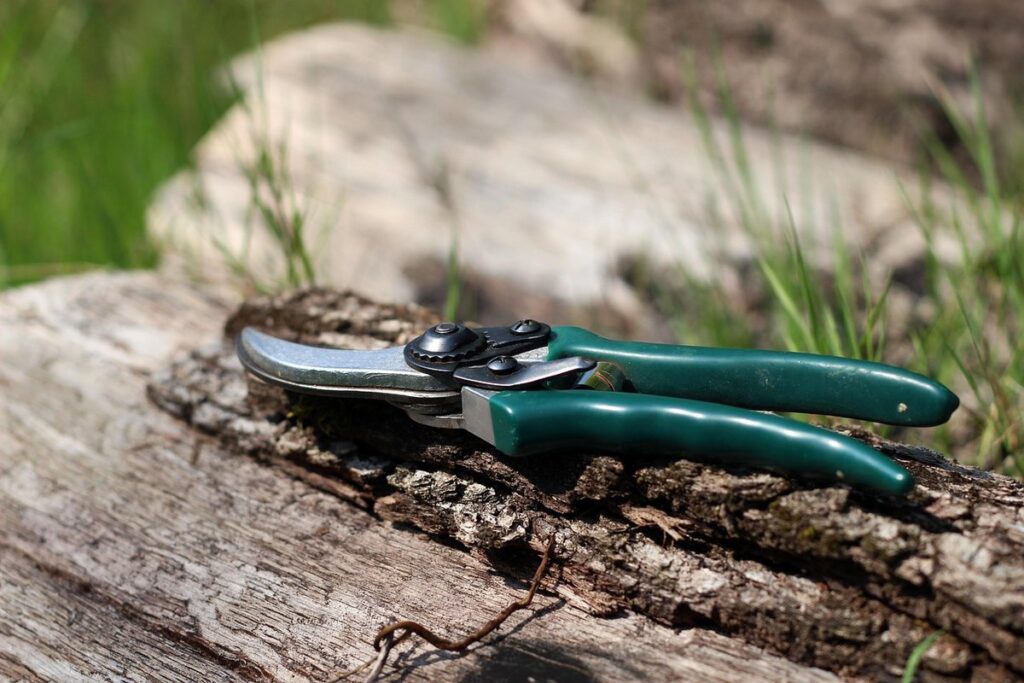
In addition to the main pruning tools, there are several other essential items that every pruner should have in their arsenal. Loppers, for example, are a must-have for reaching branches up to 2-3 inches thick. They come in different sizes and styles, but most importantly, they allow you to prune thicker branches without having to use a saw. Pole saws are another valuable tool that can reach high branches with ease. These extendable poles have a pruning saw attached to the end, allowing you to make precise cuts from a safe distance.
When it comes to protecting yourself while pruning, gloves are an essential item. They provide grip and protection for your hands from thorns and sap. Look for gloves made from durable materials like leather or synthetic fabrics that can withstand regular use. Some pruners also swear by using long sleeves, safety glasses, and a hard hat when working with heavy branches or in dense foliage areas.
It’s also worth investing in a pruning saw sharpener to keep your blades in top condition. A dull blade can make pruning more difficult and increase the risk of accidents.
Safety Considerations and Best Practices
When pruning a limb, it’s crucial to prioritize your safety and the health of your tree. This section outlines essential precautions to take and best practices to follow for successful and safe pruning.
Personal Protective Gear
When it comes to pruning a limb, safety should always be your top priority. This is where personal protective gear (PPG) comes into play. PPG is designed to protect you from potential hazards while working with trees, and it’s essential that you wear the right gear to minimize risks.
Start by wearing safety glasses or goggles that meet ANSI standards. These will shield your eyes from flying debris, branches, and sap, which can cause serious eye injuries. Next, choose gloves that provide a good grip and are made of durable materials. This will prevent blisters and cuts from tools and branches.
A first aid kit is also crucial when pruning. Include basic supplies like bandages, antiseptic wipes, and pain relievers in your kit. Make sure to keep it easily accessible in case of an emergency. Don’t forget to dress appropriately for the task at hand – wear long sleeves, pants, and sturdy boots to protect yourself from branches and tools.
By wearing the right PPG, you’ll be well-equipped to tackle pruning tasks with confidence and safety. Remember, a safe pruner is a happy pruner!
Working at Heights
When pruning a limb, it’s essential to consider working at heights safely. This involves using proper ladder usage and fall protection techniques to prevent accidents.
Before ascending, ensure the ladder is securely positioned on level ground, with the feet 1 foot away from any support for every 4 feet of height. Always maintain three points of contact with the ladder – two hands and one foot, or two feet and one hand. Avoid overreaching, as this can lead to loss of balance.
Fall protection techniques include using harnesses, ropes, and anchors. For example, a tree climber might attach themselves to a secure anchor point on the tree using a climbing rope. Regularly inspect your equipment for wear and tear, and ensure you’re trained in its use.
Remember that some pruning tasks may require additional safety measures, such as personal fall arrest systems (PFAS) or aerial lifts. Always assess the risks associated with each task before proceeding.
Post-Pruning Care and Maintenance
Now that you’ve pruned your limb, it’s essential to provide your tree with proper care and maintenance to ensure a healthy recovery and promote new growth. This includes watering, fertilizing, and monitoring for any potential issues.
Watering and Fertilizing
After pruning a limb, it’s essential to provide your tree with proper care to promote healthy growth and prevent disease. Watering is crucial during this period, as the pruning process can cause stress to the tree. Make sure to water your tree deeply at least once or twice a week, depending on weather conditions. However, avoid overwatering, which can lead to root rot and other problems.
Fertilization is also vital for your tree’s recovery after pruning. A balanced fertilizer with equal amounts of nitrogen, phosphorus, and potassium (N-P-K) will promote healthy growth and fruit production. Apply the fertilizer according to the manufacturer’s instructions, usually in early spring or late fall when the tree is dormant. You can also use a slow-release fertilizer that provides nutrients for several months.
To determine if your tree needs fertilization, consider its age, soil type, and nutrient levels. If you’re unsure about the best fertilizer for your tree, consult with a local nursery or gardening expert. Keep in mind that overfertilizing can harm your tree, so it’s better to err on the side of caution and follow a recommended schedule.
Monitoring Tree Health
Monitoring tree health after pruning is crucial to ensure the tree recovers well and remains healthy. Pruning can stress a tree, making it more susceptible to pests, diseases, and environmental factors. Regular monitoring helps detect potential issues early on, allowing for prompt treatment and preventing further damage.
After pruning, inspect your tree regularly for signs of stress or disease. Look for changes in foliage color, texture, or growth patterns. Check for any unusual growths, cracks, or splits in the bark. Also, monitor for pests like aphids, scales, or spider mites, which can infest weakened trees.
Keep a record of your tree’s health and pruning schedule to track its progress. This will help you identify any patterns or areas that require more attention. For example, if you notice a particular branch is consistently stressed after pruning, consider adjusting your pruning techniques for future seasons.
Also, ensure the soil around your tree remains healthy by maintaining adequate moisture, fertilizing as needed, and mulching to retain moisture and suppress weeds. By being proactive in monitoring your tree’s health, you can prevent problems before they become severe and enjoy a thriving, well-maintained tree.
Frequently Asked Questions
Can I prune my tree during any season, or are there specific times for pruning?
No, it’s essential to prune your tree at the right time to avoid causing harm. Typically, the best seasons for pruning trees depend on their species and growth patterns. For deciduous trees, late winter or early spring is ideal, while evergreens can be pruned throughout the growing season.
How do I determine which branches are dead or diseased?
Inspect your tree’s branches carefully during different seasons to identify signs of disease or death, such as discoloration, brittleness, or unusual growth patterns. Use a pair of binoculars for better visibility and take notes on specific limbs that need attention.
What if I’m unsure about the angle at which a branch is attached?
If you’re unsure whether a branch has a wide or narrow angle of attachment, it’s always best to err on the side of caution and consult with an arborist or tree care professional. They can assess the branch and provide guidance on the safest pruning method.
How do I maintain my pruning tools and equipment for optimal performance?
Regularly clean your pruning tools with a wire brush and apply a lubricant to keep them in good condition. Store them in a dry place, away from direct sunlight, to prevent damage. Replace blades or saws when they become dull to ensure safe and effective pruning.
Can I prune my tree if it’s under stress due to environmental factors like drought or pest infestations?
Pruning can actually exacerbate stress conditions like drought or pest infestations. It’s best to address these issues first by providing adequate water, using Integrated Pest Management (IPM) techniques, and consulting with a professional for guidance on tree care during stressful periods.
What if I’m unsure about how to safely prune specific types of limbs?
While the article covers general pruning techniques, certain types of branches may require specialized knowledge or equipment. Consult with an arborist or tree care professional for guidance on pruning sensitive or complex branch structures.