
Are you ready to bring your garden to life with vibrant peonies? These stunning flowers are a favorite among gardeners, but they do require some TLC to thrive. With proper care and maintenance, your peony plants can produce gorgeous blooms for years to come. But where do you start? Location is key – choose a spot that gets full sun to partial shade and has well-draining soil. Planting at the right depth and spacing is also crucial. Watering, fertilization, pruning, and pest management are all important aspects of peony care that can make or break those beautiful blooms. In this comprehensive guide, we’ll walk you through the essential techniques for optimal peony growth and blooming. Let’s dive in and get your garden looking its best!
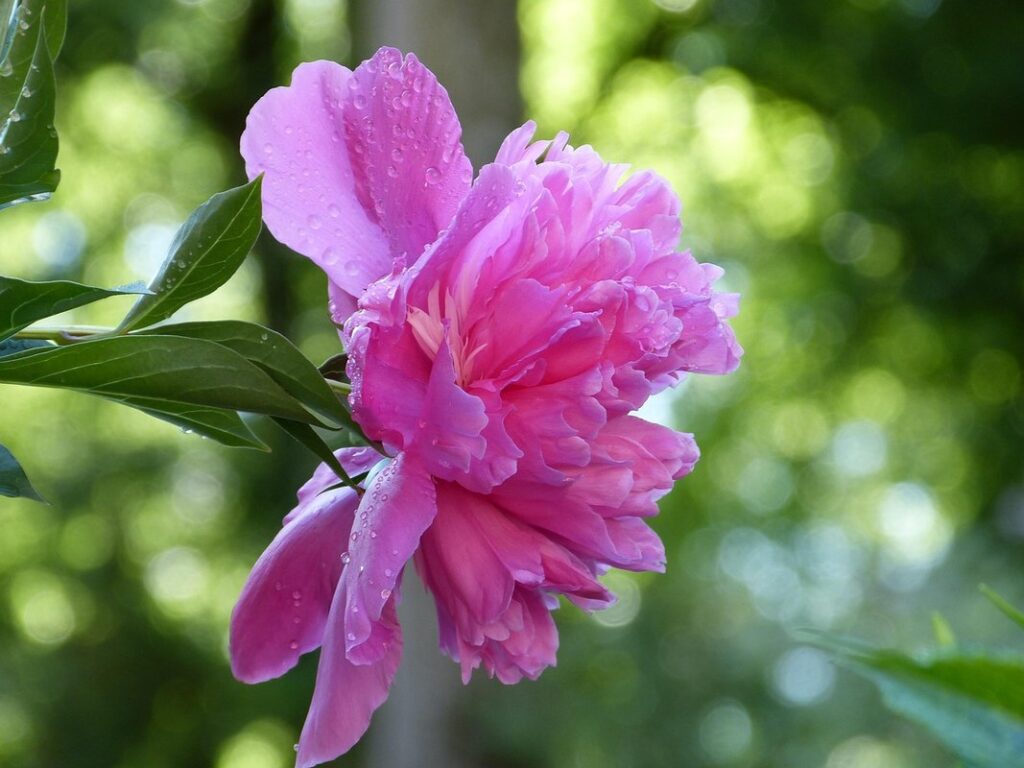
Choosing the Right Location
When choosing a location for your peonies, consider factors such as sunlight exposure and proximity to water sources, which can impact their growth and maintenance. Proper placement is key to thriving flowers.
Full Sun vs. Partial Shade
When it comes to peony flower maintenance, sunlight is one of the most critical factors to consider. Peonies are native to Europe and Asia, where they bloom in full sun to partial shade conditions. In a home garden setting, understanding the amount of sunlight your peony plants require will help you choose the perfect location.
Full sun refers to areas that receive direct sunlight for at least six hours a day. For peonies, this typically means planting them in an open spot with no obstructions like trees or buildings. However, be aware that extreme heat can cause peonies to suffer from drought stress, especially during periods of intense summer weather.
On the other hand, partial shade provides filtered sunlight and can help protect peonies from scorching temperatures. If you’re planting peonies in an area with full sun, consider adding a layer of mulch or using groundcovers to retain moisture and regulate soil temperature.
Soil Requirements
When selecting a location for your peonies, it’s essential to consider the soil requirements for optimal growth. Peony plants thrive in well-draining soils with a slightly acidic to neutral pH range (6.0-7.0). Avoid planting in areas with standing water or where water tends to collect, as this can lead to root rot and other problems.
In terms of nutrient requirements, peonies benefit from rich, fertile soil that is high in organic matter. A balanced fertilizer applied in the spring can provide essential nutrients for healthy growth. However, be cautious not to over-fertilize, as this can promote excessive foliage growth at the expense of flowers.
To create a suitable environment, test your soil pH and amend it if necessary. Mix compost or well-rotted manure into the soil to improve its structure and fertility. Aim to plant peonies in areas with full sun to partial shade, where they will receive direct sunlight for at least 6 hours a day.
Keep in mind that peonies are sensitive to extreme temperatures and can be affected by soil compaction. Avoid walking on the planting bed or compacting the soil, as this can lead to reduced growth and decreased flowering.
Planting Peonies: A Step-by-Step Guide
To get started with growing beautiful peonies, it’s essential to plant them correctly, and we’ll walk you through a step-by-step process to ensure success. This guide covers the critical aspects of planting peonies.
Preparing the Soil
Before planting peonies, it’s essential to prepare the soil properly. This involves digging, fertilizing, and adding organic matter to create a welcoming environment for these beautiful flowers. Start by loosening the soil to a depth of about 12-18 inches, using a shovel or a garden fork. This will help break up any clods and allow roots to grow freely.
Next, add a balanced fertilizer according to the manufacturer’s instructions. A mix that’s high in phosphorus (P) is ideal for peonies, as it promotes root growth and flowering. You can also consider using compost or well-rotted manure to provide a slow release of nutrients.
Add about 2-3 inches of organic matter such as leaf mold, rotted pine bark, or compost on top of the soil. This will help retain moisture, suppress weeds, and improve drainage. If your soil is heavy clay or sandy, consider mixing in some peat moss or perlite to adjust its pH and structure. Remember to rake the soil gently after adding organic matter to avoid compacting it.
By following these steps, you’ll be creating a perfect environment for your peonies to thrive in.
Planting the Rhizome
Planting peonies from rhizomes can be a bit more involved than planting bare-root perennials, but with the right techniques, you’ll set yourself up for success. To begin, choose a location with well-draining soil and full sun to partial shade. Dig a hole about 12-18 inches deep, depending on the size of your rhizome.
Gently spread out the roots of the peony, making sure they’re not tangled or twisted. Place the rhizome in the center of the hole, with the “eyes” (small buds on the crown) facing upwards and slightly exposed above the soil level. This is crucial for proper growth, as it allows the eyes to breathe and receive sunlight.
Space your peonies about 3-4 feet apart, depending on their mature size. Fill in the remaining soil, tamping it down gently around the roots to prevent air pockets. Water thoroughly to settle the soil, and keep the area consistently moist during the first growing season. By following these steps, you’ll give your new peonies a strong start and set them up for years of vibrant blooms.
Watering and Irrigation Strategies
To ensure your peonies stay healthy and vibrant, it’s essential to develop a reliable watering and irrigation plan that meets their specific needs. A consistent approach will also help prevent overwatering, which is a common mistake many gardeners make.
Drought Tolerance and Water Needs
When it comes to watering peonies, it’s essential to strike the right balance between providing enough moisture and avoiding overwatering. Peonies generally require about 1 inch of water per week, either from rainfall or irrigation. However, this can vary depending on climate conditions.
In hot and dry climates, such as those found in zones 7-9, peonies need more frequent watering to prevent drought stress. Water them deeply once a week, but avoid getting the crown wet to prevent rot. On the other hand, in cooler and more humid climates, like those in zones 3-5, you can water less frequently.
To determine the perfect watering schedule for your peonies, observe their growth and adjust as needed. Keep an eye out for signs of drought stress, such as wilting or yellowing leaves. Conversely, be cautious not to overwater, which can lead to root rot and other problems. By paying attention to your local climate conditions and the specific needs of your peony plants, you’ll be able to provide them with the right amount of moisture for optimal growth and blooming.
Avoiding Overwatering
Overwatering is one of the most common mistakes gardeners make when it comes to peony flower maintenance. It’s easy to get carried away with watering, especially during hot and dry spells. However, too much water can be detrimental to these beautiful flowers.
When peonies sit in waterlogged soil for extended periods, their roots begin to rot, leading to a range of problems. These include reduced growth, fewer blooms, and even the death of the plant. This is because peonies are sensitive to root rot, which can be caused by excessive moisture.
To avoid overwatering your peonies, make sure to check the soil regularly by inserting your finger into it up to the first knuckle. If the soil feels dry, it’s time to water. Water your peonies in the morning or early afternoon so that excess moisture has a chance to evaporate before nightfall. Avoid watering during periods of high humidity, as this can exacerbate root rot issues.
By being mindful of these simple tips, you can prevent overwatering and ensure your peonies thrive all season long.
Fertilization and Mulching
To keep your peonies healthy, you’ll want to focus on fertilizing at the right time and creating a protective layer of mulch around their roots. This simple care ensures they thrive each growing season.
Fertilizer Types and Application
When it comes to fertilizing your peonies, you have several options to choose from. Organic and synthetic fertilizers are two popular types that can provide the necessary nutrients for healthy growth.
Organic fertilizers, such as compost or manure tea, promote soil health by adding beneficial microbes and nutrients. They tend to release their nutrients slowly, which can help prevent over-fertilization and promote long-term soil fertility. For example, you can make your own compost at home using kitchen scraps and yard waste, or purchase a bag of compost from a gardening store.
Synthetic fertilizers, on the other hand, provide a quick boost of nitrogen, phosphorus, and potassium. However, they can be harsh on the environment and may require more frequent applications to maintain their effectiveness. A balanced fertilizer with an NPK ratio of 10-10-10 is a good starting point for peony care.
For optimal results, fertilize your peonies in early spring when new growth begins, and again after blooming has finished. Avoid fertilizing during the active growing season as this can promote weak, leggy stems and reduce blooming potential.
Mulch Benefits and Applications
Mulching around peony plants has numerous benefits that contribute to their overall health and vibrancy. One of the primary advantages is weed suppression – by applying a layer of mulch, you’ll reduce the need for frequent weeding, which can be time-consuming and labor-intensive.
Another significant benefit is moisture retention. Mulch helps to keep the soil consistently moist, reducing the risk of water stress and promoting healthy root growth. This is especially important for peonies, as they require a steady supply of water to produce those show-stopping blooms.
When it comes to choosing a mulch type, there are several options available. Organic materials like wood chips or bark work well, while inorganic alternatives like plastic sheeting can also be effective. However, consider using natural composted wood or straw as these will break down over time and nourish the soil with beneficial nutrients.
To apply mulch effectively, spread a 2-3 inch layer around the base of your peony plants, keeping it about an inch away from the crowns to prevent moisture buildup.
Pruning and Deadheading Techniques
Proper pruning and deadheading are crucial for maintaining a healthy and thriving peony plant, ensuring it blooms beautifully season after season. Let’s dive into these essential techniques together!
Spring Blooming Peony Care
After spring-blooming peonies finish their flowering period, it’s essential to prune them correctly to promote healthy growth and encourage next year’s blooms. Deadheading spent flowers is the first step in this process. To deadhead, simply snip off the faded flower head at a 45-degree angle, making sure to leave the seed pods intact. This will direct the plant’s energy towards producing new foliage rather than seeds.
When pruning spring-blooming peonies, cut back the stems to about one-third to one-half of their height from the ground. This will help control the size and shape of the plant while also allowing sunlight to reach the lower buds. Remove any dead or damaged stems, as these can harbor diseases that may spread to other parts of the plant.
Be cautious not to prune too much of the stem, as this can reduce the number of blooms for next year. It’s better to err on the side of caution and remove less than you think necessary. After pruning, water your peonies well and provide them with a balanced fertilizer to support their continued growth throughout the season.
Summer Dormancy and Fall Care
Allowing your peonies to go dormant during summer is crucial for their long-term health and productivity. When a peony finishes blooming in the spring, it typically enters a period of dormancy until the following year’s bloom cycle. During this time, the plant conserves energy and resources by slowing down its growth.
In warm climates or regions with mild winters, peonies may not require as much protection during winter. However, in areas with harsh winters, it’s essential to provide your peonies with adequate care before the cold weather sets in.
For fall care, start by applying a thick layer of mulch around the base of each plant. This will help insulate the roots and protect them from extreme temperatures. Additionally, trim back any dead or damaged stems to about 3-4 inches above ground level. Avoid cutting back foliage too much, as this can cause damage to the plant’s energy reserves.
Pest and Disease Management
To keep your peonies healthy and thriving, it’s essential to be aware of common pests and diseases that can affect them. We’ll cover prevention methods and treatments for these issues.
Common Pests and Diseases
As a peony lover, it’s essential to be aware of the common pests and diseases that can affect these beautiful flowers. Some of the most prevalent issues include aphids, whiteflies, and spider mites, which can suck sap from the plant, causing damage and stress. To prevent infestations, ensure your peonies receive good air circulation, water them carefully to avoid overwatering, and inspect your plants regularly.
In terms of diseases, botrytis and powdery mildew are common problems in peony cultivation. Botrytis is a fungal disease that can cause black spots on the leaves and petals, while powdery mildew creates a white, powdery coating on the foliage. To prevent these issues, water your plants at ground level to avoid splashing water on the flowers and leaves, remove any infected areas immediately, and treat with fungicides if necessary.
Regular maintenance is key to keeping your peonies healthy and pest-free. Check for signs of infestation or disease every week during peak growing season, and take action promptly if you notice anything unusual. By being proactive and taking care of these issues early on, you can enjoy a thriving and beautiful peony garden all season long.
Integrated Pest Management Strategies
When it comes to peony flower maintenance, effective pest control is crucial to prevent damage and ensure healthy blooms. However, relying on a single method of pest control can lead to resistance and further complications. That’s why an integrated pest management (IPM) approach is essential.
An IPM strategy involves combining multiple techniques to manage pests. This might include physical barriers, such as fine mesh or row covers, to prevent pests from reaching your peonies. Biological controls like introducing beneficial insects that prey on pests can also be effective. Cultural controls, like pruning and watering practices, can help reduce pest populations.
For example, some gardeners find success with neem oil-based treatments for aphid control. These oils disrupt insect growth and development, preventing pest populations from getting out of hand. Other gardeners prefer introducing beneficial nematodes that attack and kill grubs. By combining these methods, you can minimize the use of chemical pesticides and maintain a balanced ecosystem in your garden.
Effective IPM requires monitoring and tracking pest activity to determine the best course of action. Regularly inspect your peonies for signs of pests, and adjust your strategy accordingly.
Frequently Asked Questions
Can I plant peonies in areas with poor drainage?
Yes, while peonies prefer well-draining soil, you can still grow them in areas with some waterlogging issues by incorporating organic matter and raising the planting bed to improve air circulation. However, if the area is consistently waterlogged, it’s best to choose a different location for your peony plants.
How often should I prune my peonies during dormancy?
Prune your peonies in late winter or early spring, removing dead stems and leaves from the previous year’s growth. This will help promote new growth and encourage blooming in the spring. Cut back any damaged or diseased areas to about 6 inches above the ground.
What are some common pests that target peonies?
Peonies can be susceptible to pests like aphids, slugs, and snails. To manage these issues, use a combination of techniques such as introducing beneficial insects, using physical barriers, and applying targeted pest control methods. Regularly inspect your plants for signs of infestation and take action promptly.
Can I propagate peonies from seed?
While it’s technically possible to grow peonies from seed, this method can be unreliable and may not produce plants that are true to the parent variety. Instead, consider dividing established rhizomes or purchasing nursery-grown plants for more consistent results. If you do choose to sow seeds, make sure they’re fresh and provided with optimal growing conditions.
How long after planting should I expect my peonies to bloom?
Newly planted peony tubers typically require a year or two before producing blooms. However, some varieties may produce flowers within the first year if given ideal growing conditions. Be patient and focus on providing proper care during the establishment phase for optimal blooming results in future years.