
Radish lovers, have you ever bitten into a crunchy, firm radish only to be met with a flavor that’s more akin to a bland bell pepper than a pungent, spicy punch? If so, you’re not alone. Tough, hard radishes can be a real letdown, especially when they’re supposed to add a burst of flavor to your favorite dishes. But the good news is that it doesn’t have to be this way. With some expert tips on cultivation and cooking methods, you can unlock the natural sweetness within these underrated roots. In this article, we’ll explore why radishes sometimes taste bland and provide practical advice on how to coax out their full flavor potential, whether you’re a seasoned gardener or just starting to experiment with these versatile vegetables.
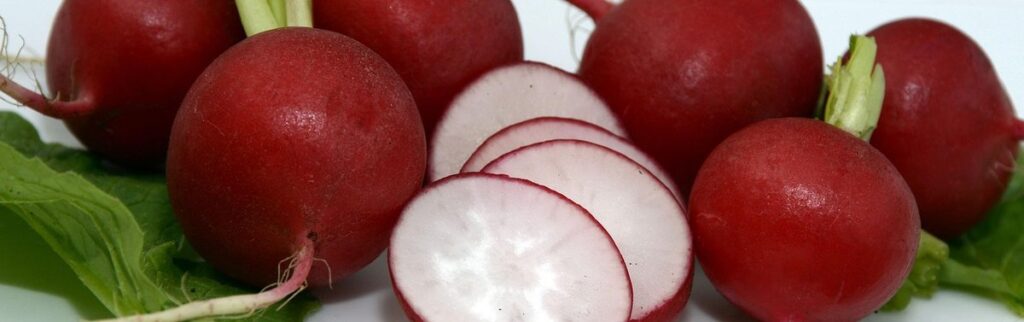
What are Tough Hard Bland Radishes?
These often-maligned veggies may look uninviting, but they’re actually quite common and found in many supermarkets, so let’s take a closer look.
Origin and History of Radish Varieties
Radish varieties have been cultivated for thousands of years, with their origins tracing back to Asia and Europe. The first domesticated radishes were bred from the wild radish (Raphanus raphanistrum), which still grows today in many parts of the world. These early radishes were likely small, hot, and peppery, with a flavor profile that is distinct from the tough hard bland varieties we know today.
As civilizations developed and trade routes expanded, radish varieties began to spread throughout the world. In Asia, the Chinese cultivated a range of radish types, including daikon and mooli, which were prized for their sweet flavor and crunchy texture. Meanwhile, in Europe, radishes were often grown as a winter crop, valued for their ability to tolerate cold temperatures and add crunch to salads.
Through selective breeding and hybridization, farmers developed new radish varieties with desirable traits such as size, shape, color, and flavor. Some radishes became sweeter and milder, while others retained their original hot, peppery taste. Today, there are countless radish varieties available, each with its unique characteristics and uses in cooking. By understanding the history of these varieties, we can appreciate the diversity and complexity of this humble root vegetable.
Identifying Characteristics of Tough Hard Bland Radishes
When encountering a radish that’s deemed “tough” and “hard,” it’s often due to its high water content being low. This typically occurs when the radish is harvested at an immature stage, resulting in a denser, crunchier texture that’s more difficult to slice or chop. You can verify this by gently squeezing the radish; if it feels firm but yields slightly to pressure, it might be due to the reasons mentioned above.
In terms of flavor profile, tough hard bland radishes often exhibit a lack of sweetness and depth. This is often linked to factors such as inadequate sunlight exposure during growth or poor soil quality, which restricts nutrient absorption by the plant. These conditions can result in an unbalanced ratio of sugars and starches within the radish, contributing to its bland taste.
Practically, when selecting a tougher radish variety, it’s essential to check for visible signs such as a denser skin or smaller root size. This will give you a better understanding of what to expect from its texture and flavor profile.
The Causes of Bland Flavor in Radishes
Radish flavor can be a letdown when it’s more bitter than bold, and understanding what causes bland radish flavor is key to growing better-tasting ones. Let’s explore some common reasons behind this issue.
Nutrient Deficiencies and Soil Quality
Radish flavor can be significantly impacted by nutrient deficiencies, particularly nitrogen. Nitrogen is an essential element for plant growth and development. A lack of nitrogen can lead to stunted growth, reduced yields, and most notably, a decrease in the production of sugars that contribute to the sweetness and flavor of radishes.
Inadequate soil quality can also hinder radish flavor. Soil lacking nutrients like potassium and phosphorus can affect sugar production, while excessive levels of certain minerals like iron and manganese can lead to bitter or metallic flavors. For example, an overabundance of manganese can cause radishes to develop an unpleasantly sharp taste.
To address nutrient deficiencies and enhance soil quality for optimal radish flavor:
* Maintain a balanced fertilizer application schedule that includes nitrogen-rich fertilizers
* Test your soil regularly to determine its pH level and nutrient content
* Consider using compost or manure as natural, nutrient-rich amendments
* Rotate your crops seasonally to avoid depleting the soil of essential nutrients
By addressing these factors, you can potentially improve radish flavor. However, individual results may vary depending on specific growing conditions.
Impact of Climate and Weather Conditions
Radish flavor and texture can be significantly impacted by extreme weather conditions and climate fluctuations. For instance, excessive rain or watering can cause radishes to become waterlogged, leading to a loss of crunch and an unpleasantly sweet taste. Conversely, droughts can result in stunted growth and a bland, fibrous texture.
Temperature also plays a crucial role in determining radish flavor. Radishes grown in hot temperatures tend to be sweeter and less pungent than those grown in cooler conditions. A study found that radishes grown at 75°F (24°C) had higher sugar content compared to those grown at 50°F (10°C).
Climate change is also affecting radish cultivation, with warmer winters leading to irregular seed germination and unpredictable growth patterns. This can result in an inconsistent flavor profile and texture. To mitigate the effects of climate fluctuations on radish flavor, gardeners should consider using drought-tolerant varieties or implementing soil moisture monitoring systems.
In regions prone to extreme weather conditions, it’s essential to choose radish varieties that are specifically bred for resilience. Some popular options include ‘Cherry Belle’ and ‘French Breakfast’, which exhibit better tolerance to temperature fluctuations and water stress.
Genetic Predisposition to Bland Flavor
Radish flavor is determined by a complex interplay of genetic and environmental factors. While external influences such as soil quality and climate can significantly impact a radish’s taste, there is evidence to suggest that genetic predisposition also plays a role.
Studies have identified specific genes responsible for the production of volatile compounds in radishes, which contribute to their flavor profile. Variations in these genes can result in altered levels or types of flavor precursors being produced, potentially leading to a bland taste. For instance, research has pinpointed a particular gene variant associated with reduced glucosinolate content – these compounds are responsible for the pungent flavor characteristic of radishes.
If you’re growing your own radishes and encountering bland flavor issues, it’s worth considering selecting seed varieties that have been bred specifically to enhance flavor. Look for cultivars that have been developed using advanced breeding techniques or have natural resistance to certain pests and diseases – these often exhibit improved taste profiles.
Radish Varieties: A Guide to the Most Common Types
Let’s explore some of the most common radish types that might be more forgiving than our tough, hard, and bland subject stars. We’ll dive into what makes them unique and tasty.
Cherry Belle Radishes – A Brief Overview
Cherry Belle radishes are one of the most widely cultivated and consumed varieties worldwide. Known for their slender shape and vibrant red color, these radishes offer a sweet flavor profile that’s both refreshing and crunchy.
When it comes to growing Cherry Belle radishes, they tend to mature relatively quickly – typically within 20-25 days after sowing. This makes them an excellent choice for gardeners looking to add some early-season interest to their gardens or as a companion crop to slower-growing vegetables like carrots.
In terms of culinary uses, Cherry Belle radishes are incredibly versatile. Slice or dice them thinly and toss with olive oil, salt, and pepper for a simple yet flavorful side dish. Alternatively, chop them up finely and use them as a topping for salads or sandwiches. Their mild flavor also makes them an excellent choice for pickling or adding to soups and stews.
One of the best things about Cherry Belle radishes is their ability to thrive in cooler temperatures – making them perfect for spring or fall gardens when other vegetables might be struggling.
French Breakfast Radishes – Characteristics and Uses
French breakfast radishes are another popular type of radish that deserves attention. These radishes have several advantages, including their crunchy texture and sweet flavor. They’re also relatively easy to grow and require minimal maintenance. One of the main benefits of French breakfast radishes is their ability to add a burst of flavor to salads and other dishes without overpowering them.
However, they do have some disadvantages. For one, they can be quite bland if not paired with strong flavors, which makes them less versatile than some other types of radishes. They’re also relatively short-lived, typically lasting only a few days after harvesting. But for those who enjoy their unique flavor and texture, French breakfast radishes are definitely worth trying.
In terms of uses, French breakfast radishes pair particularly well with creamy sauces, such as hollandaise or bearnaise. They can also be used as a garnish for soups or salads. To get the most out of your French breakfast radishes, try slicing them thinly and serving them on top of a bed of greens, or add them to a sandwich for an extra kick of flavor.
The Role of Cooking Methods in Enhancing Flavor
When it comes to bringing out the hidden flavor of tough hard bland radishes, mastering various cooking methods can make all the difference in your culinary journey. This is where heat and technique come into play.
Roasting Radishes for Depth of Flavor
Roasting radishes is one of the most effective ways to bring out their natural sweetness and depth of flavor. Unlike other cooking methods that can leave radishes tasting bitter or overcooked, roasting helps to caramelize their sugars and develop a rich, earthy flavor profile. To roast radishes, simply cut them in half or quartered lengthwise, toss with olive oil, salt, and your choice of aromatics (such as garlic, thyme, or rosemary), and spread them out on a baking sheet.
Roasting at high temperatures – around 425°F to 450°F (220°C to 230°C) – helps to quickly develop the Maillard reaction, a chemical reaction that enhances flavor and browning. This process can take anywhere from 15-25 minutes, depending on the size of your radishes and desired level of caramelization. As you roast, keep an eye on the radishes, shaking the pan occasionally to ensure even cooking.
The result is a tender, slightly sweet, and deeply flavorful side dish that pairs well with roasted meats or as a topping for salads. By trying roasting, you can unlock the hidden potential in your tough hard bland radishes and enjoy a truly remarkable culinary experience.
Pickling Radishes – A Preservation Method with Benefits
Pickling radishes is a preservation method that not only extends their shelf life but also enhances their flavor profile. The process involves soaking sliced or whole radishes in a brine solution, typically made with vinegar, salt, and spices, which helps to draw out excess moisture and preserve the vegetable. This method is particularly beneficial for tough, hard, and bland radishes, as it allows their natural sweetness to shine through.
When pickling radishes, the acidity of the vinegar helps to break down the cell walls, making the radish’s flavor compounds more accessible to our taste buds. The result is a tangy, slightly sweet, and crunchy snack that adds a burst of freshness to any meal. To try your hand at pickling radishes, start by slicing or whole them thinly, then soak them in a mixture of 1 cup water, 1 cup vinegar (such as white wine or apple cider), and 1 tablespoon salt for at least 30 minutes. You can also add aromatics like garlic, ginger, or dill to the brine for extra flavor.
Nutrition and Health Benefits of Radishes
You might be surprised at just how nutritious these humble radishes are, providing a wealth of vitamins, minerals, and antioxidants that can boost your overall health. Let’s dig into some of their key nutrition and health benefits!
The High Water Content and Fiber in Radishes
Radishes are often misunderstood as being tough and bland, but beneath their unassuming exterior lies a nutritional powerhouse. One of the primary reasons radishes are so beneficial is due to their exceptionally high water content, which makes up approximately 95% of their overall composition. This elevated moisture level not only contributes to their crunchy texture but also renders them an excellent source of hydration.
In addition to their impressive water content, radishes are a rich source of dietary fiber, boasting around 2-3 grams per 100-gram serving. This high fiber concentration plays a crucial role in supporting healthy digestion and satiety levels. Furthermore, the soluble fiber present in radishes has been shown to help regulate blood sugar levels and promote feelings of fullness.
To maximize the nutritional benefits of radishes, consider incorporating them into salads or using as a crunchy addition to sandwiches. When cooking with radishes, be mindful not to overcook them, as this can lead to a loss of essential nutrients. Instead, enjoy them raw or lightly sautéed to preserve their delicate flavor and texture.
Antioxidant Properties and Potential Health Benefits
Radishes are more than just a crunchy addition to salads and sandwiches; they also pack a punch when it comes to antioxidants. These tiny roots contain a range of bioactive compounds that have been shown to possess potent antioxidant properties, helping to neutralize free radicals and protect against oxidative stress.
Studies have demonstrated that radish extracts exhibit significant antioxidant activity, with one study identifying the presence of flavonoids, phenolic acids, and other polyphenols. These compounds work together to scavenge free radicals, reduce inflammation, and even inhibit the growth of cancer cells. The potential health benefits associated with consuming radishes are numerous, including reduced risk of chronic diseases like heart disease, diabetes, and certain cancers.
To reap these rewards, simply add sliced or diced radishes to your favorite meals or blend them into a refreshing juice. You can also try making a homemade radish salad by mixing thinly sliced radishes with olive oil, lemon juice, and chopped herbs for a delicious and nutritious side dish. With their impressive antioxidant profile, radishes are an easy way to boost the nutritional value of your diet and promote overall well-being.
Cultivating Tough Hard Bland Radishes: Tips for Gardeners
If you’re growing tough, hard bland radishes and want to improve their quality, we’ve got some expert tips on how to cultivate better-tasting ones in your garden.
Choosing the Right Soil Conditions
When cultivating tough hard bland radishes, choosing the right soil conditions is crucial for their growth and flavor. As a gardener, you want to ensure that your radish crop thrives in an environment that provides the necessary nutrients and optimal growing conditions.
To select the best soil conditions, consider the pH level of your soil. Radishes prefer slightly acidic to neutral soil with a pH between 6.0 and 7.0. Soil with high acidity can lead to nutrient deficiencies, while alkaline soils may cause root growth issues. If your soil’s pH is outside this range, take steps to adjust it by adding lime to raise the pH or sulfur to lower it.
Also, radishes prefer well-draining soil that doesn’t waterlog easily. A sandy loam soil with a mix of organic matter and compost will provide the ideal growing conditions for radishes. Avoid planting in areas with compacted soil, as this can hinder root growth and affect the flavor of your radishes.
Planting and Harvesting Techniques for Optimal Flavor
When it comes to coaxing out the best flavor from tough hard bland radishes, understanding proper planting and harvesting techniques is crucial. Radish roots are sensitive to heat and moisture, so timing is everything.
To plant radishes for optimal flavor, sow seeds thinly and evenly in well-draining soil when the weather is cool – ideally around 4-6 weeks before the last frost date. Sow them directly into the ground, rather than starting them indoors and transplanting, as this can cause roots to become overgrown and lose their punch.
Harvest radishes regularly to encourage new growth and prevent the development of woody flavor compounds. Check for readiness by gently digging around the base of each plant with your finger; if the root is firm but still tender, it’s ready. If you notice any sign of splitting or browning, use them immediately as their flavor will quickly degrade.
Aim to harvest radishes in the morning when they’re at their crispest and most flavorful. Remove the leaves and roots together by twisting and pulling gently – this will help preserve the delicate flavor compounds within.
Conclusion: The Unyielding Flavor of Radishes
Now that we’ve delved into the complexities of tough, hard, bland radishes, let’s discuss how to unlock their true flavor potential.
Recap of Key Takeaways
As we conclude our exploration of tough hard bland radishes, let’s take a moment to recap the key takeaways that will help you tackle these seemingly unappetizing vegetables.
Radish varieties like ‘Cherry Belle’ and ‘French Breakfast’ are more prone to becoming tough and hard due to their thick skins and compact growth habits. However, this doesn’t mean they’re flavorless. With proper handling and preparation, even the blandest radishes can add a punch of flavor to your dishes.
To rescue a tough hard bland radish, try soaking it in water or vinegar for about 30 minutes before slicing. This helps rehydrate the vegetable and brings out its natural sweetness. You can also use a vegetable peeler to remove any thick skins that might be contributing to its toughness.
Another key consideration when working with tough hard bland radishes is their texture. Because they’re often dense, it’s best to slice them thinly or use a mandoline to create uniform pieces that cook evenly. This helps prevent overcooking and ensures the radish retains some crunch in the finished dish.
Incorporating radishes into your cooking can also be a matter of experimentation. Try pairing them with bold flavors like garlic, ginger, or chili peppers to create a balance between their natural sweetness and spicy kick. Additionally, using radishes as a base for salads or slaws can add freshness and crunch without overpowering the other ingredients.
By applying these simple tips and techniques, you’ll be well on your way to unlocking the unyielding flavor of tough hard bland radishes in your kitchen.
Frequently Asked Questions
Can I still grow radishes with nutrient deficiencies?
Yes, while soil quality is crucial for optimal radish flavor, it’s not impossible to grow them even with some nutrient deficiencies. Focus on providing a balanced fertilizer and ensure the radish crop receives adequate water and sunlight. However, keep in mind that flavor may not be as vibrant.
How can I pick the right type of radish variety for my garden?
Choosing the right radish variety depends on factors like climate, soil quality, and desired flavor profile. Research local market trends or consult with fellow gardeners to determine which varieties thrive in your area. Consider factors like heat tolerance, disease resistance, and root size.
Will using compost improve the flavor of tough hard bland radishes?
Yes, adding organic matter like compost can enrich the soil and potentially enhance the flavor of radishes. However, results may vary depending on the type of radish variety and overall growing conditions. Compost primarily affects nutrient availability, not necessarily the root’s inherent flavor.
Can I use a hydroponic system to grow radishes?
While hydroponics can provide consistent water supply and precise nutrient control, its impact on radish flavor is minimal. Flavor largely depends on the variety, climate, and soil quality. If you choose to grow using hydroponics, consider factors like pH balance, nutrient mix, and temperature fluctuations.
How long does it take for radishes to become tender after harvesting?
After harvesting tough hard bland radishes, cooking methods can significantly impact tenderness. Roasting or grilling radishes for 10-15 minutes can break down their cell walls, making them softer and more palatable. Monitor the root’s texture and adjust cooking time accordingly.