
Preserving datura seeds is an essential skill for any gardener, collector, or enthusiast who wants to safeguard their favorite plant’s future. With the right knowledge and techniques, you can ensure that these rare and fascinating seeds remain viable for years to come. However, seed preservation is a delicate process that requires careful consideration of factors such as storage conditions, moisture levels, and handling procedures. In this article, we’ll delve into the world of seed preservation, exploring the key principles that affect viability and sharing expert advice on optimal storage methods for datura seeds. By the end of this guide, you’ll be equipped with the knowledge to successfully preserve your datura seeds and share them with others, ensuring their legacy lives on for generations to come.
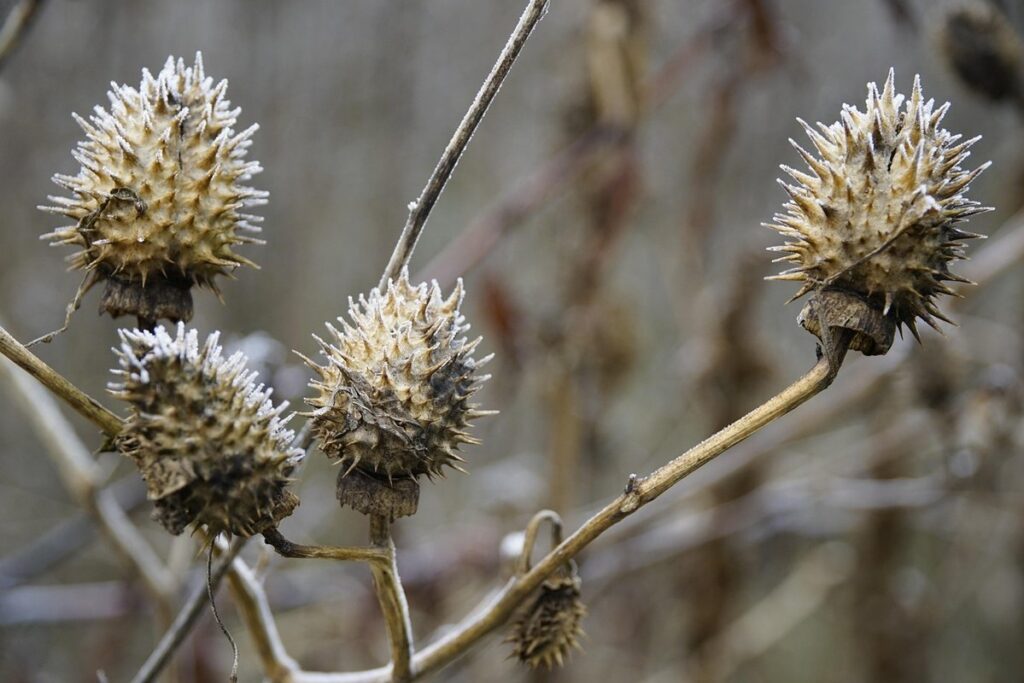
Understanding Datura and Seed Preservation
Datura seeds can be delicate, so it’s essential to understand how they’re structured and how that affects their preservation methods. This helps you choose the right techniques for successful storage.
Introduction to Datura
Datura is an intriguing and multifaceted plant that has garnered significant attention for its unique properties and uses. This plant has been a vital component of various cultures worldwide, not only for its medicinal value but also for its spiritual significance. In traditional medicine, datura extracts have been employed to treat ailments such as anxiety, insomnia, and pain management.
Its importance extends beyond the realm of healthcare; in some cultures, datura seeds are considered sacred and are used in rituals to promote spiritual growth and introspection. The plant’s versatility has also led to its incorporation into various forms of art, with datura-inspired motifs appearing in textiles, pottery, and other craftworks.
Moreover, datura’s adaptability has enabled it to thrive in diverse environments, making it a valuable subject for study in the fields of botany and ecology. As we delve into the realm of preserving datura seeds, understanding the plant’s rich history and significance becomes crucial. By appreciating its cultural, medicinal, and ecological importance, we can better appreciate the value of preserving these delicate seeds.
The Importance of Seed Preservation
As we delve into the world of preserving datura seeds, it’s essential to understand why this task is so crucial for future generations. The preservation of these seeds isn’t just about securing a sustainable future; it’s also about safeguarding the integrity of Datura species.
Unfortunately, many Datura species are facing severe threats due to habitat destruction, over-collection, and climate change. In fact, according to the International Union for Conservation of Nature (IUCN), several Datura species are listed as vulnerable or endangered. By preserving datura seeds, we can help ensure that these species continue to thrive and adapt to changing environmental conditions.
Moreover, seed preservation allows us to safeguard genetic diversity within Datura populations. This is particularly important because it enables future generations to develop new cultivars and breeding programs, further enriching our understanding of these plants’ unique characteristics. By saving datura seeds, we’re essentially planting a time capsule for future botanists and researchers to explore and build upon.
Factors Affecting Seed Viability
When it comes to preserving datura seeds, understanding the factors that affect seed viability is crucial for successful germination. Environmental conditions play a significant role in determining the quality and longevity of seeds.
Temperature fluctuations can be particularly detrimental to seed viability. Seeds exposed to extreme temperatures, either too hot or too cold, may experience desiccation, chilling injury, or even death. For instance, if datura seeds are left outdoors in freezing temperatures for an extended period, they may become unusable. Similarly, exposure to high temperatures above 35°C (95°F) can cause seeds to degrade quickly.
Humidity levels also impact seed viability, with too little moisture causing desiccation and too much leading to fungal growth and rot. Light exposure is another critical factor, as excessive light can trigger premature germination or photodamage to the embryo. When storing datura seeds, it’s essential to maintain a consistent temperature between 5-15°C (41-59°F), keep them away from direct sunlight, and maintain a relative humidity of 40-50%. By controlling these environmental factors, you can significantly extend the shelf life and viability of your preserved datura seeds.
Preparing Datura Seeds for Long-Term Storage
To ensure your datura seeds remain viable and healthy, it’s essential to properly prepare them for long-term storage by drying and packaging them carefully. This step is crucial for successful seed preservation.
Harvesting and Cleaning
Harvesting datura seeds requires attention to detail and timing. The ideal time for harvesting is when the seed pods turn a light brown color and begin to dry out. Avoid leaving the seeds on the plant too long, as this can lead to mold or spoilage.
To harvest the seeds, gently twist the seed pods from the plant, taking care not to damage them. Place the pods in a paper bag or a dry container to collect any fallen seeds.
Cleaning the seeds is crucial for their viability and storage. Start by separating the seeds from the chaff (the dry, papery material surrounding the seeds). Use a fine-mesh sieve or a small tray with holes to separate the seeds from the debris.
To remove excess moisture and impurities, spread the cleaned seeds on a paper towel or a clean cloth and let them air dry for several days. You can also use a desiccant like silica gel to absorb any remaining moisture.
Once the seeds are completely dry, store them in an airtight container, such as a glass jar or envelope, sealed with a silica gel packet to maintain humidity levels.
Drying and Curing Techniques
Drying and curing techniques are crucial steps in preparing Datura seeds for long-term storage. If not done correctly, it can lead to seed spoilage and reduced viability.
To dry the seeds, you’ll need to remove excess moisture from the seed coat. One popular method is air drying, where seeds are spread out in a single layer on paper towels or cloth. This process takes around 7-10 days, depending on the humidity level of your environment. Another method is using a desiccant, such as silica gel or activated charcoal, to absorb moisture from the seeds.
A more efficient method for drying Datura seeds is using a food dehydrator or a low-temperature oven (set at 150°F – 200°F). This technique allows you to dry the seeds quickly and evenly. However, it’s essential to check on them frequently to prevent overheating, which can cause damage.
Once dried, store the seeds in airtight containers, such as glass jars or envelopes, with desiccants like silica gel packets. You should also label the container with the seed variety, date, and storage conditions. Proper drying and curing ensure that your Datura seeds remain viable for an extended period, allowing you to sow them whenever needed.
Packaging and Labeling
When packaging and labeling datura seeds for long-term storage, it’s essential to prioritize moisture protection. This can be achieved by using airtight containers such as glass jars or plastic bags specifically designed for seed storage. Make sure to remove any excess air from the container before sealing.
Labeling is also crucial in maintaining an organized collection. Include the seed type, date of collection, and storage location on the label. Consider adding notes about specific growing conditions or any notable characteristics of the seeds.
Some materials to avoid using for packaging include paper bags and cardboard containers, as they can allow moisture to seep in and compromise the seed viability. It’s also essential to store the seeds away from direct sunlight, heat sources, and areas prone to temperature fluctuations.
When storing large quantities of seeds, it’s recommended to use multiple containers labeled with the same information, ensuring that all stored seeds are easily identifiable and accessible for future reference.
Cold Storage Methods for Preserving Seeds
To keep your datura seeds viable, you’ll need to use airtight containers and store them in a cool, dry place to prevent moisture damage. Proper storage is crucial for long-term preservation.
Refrigeration and Freezing
When it comes to preserving datura seeds, refrigeration and freezing are two common methods used to maintain their viability. Both approaches have their pros and cons, which you should consider before deciding on the best storage method for your seeds.
Refrigerated storage is a popular choice among seed enthusiasts due to its ease of use and low cost. Simply store your datura seeds in an airtight container or envelope and place it in the refrigerator at a temperature between 39°F and 45°F (4°C and 7°C). This method can be effective for short-term storage, but prolonged refrigeration may lead to seed degradation. For instance, a study found that storing datura seeds in the refrigerator for six months resulted in a significant loss of germination rate.
On the other hand, freezing is an even more effective method for long-term preservation. Freezing stops metabolic processes, allowing seeds to remain viable for extended periods. To freeze your datura seeds, place them in an airtight container or freezer bag and store it at 0°F (-18°C) or below. This approach is ideal for seed banks or those who plan to preserve seeds for several years.
In terms of pros and cons, refrigerated storage has the advantage of being readily available and easy to use, but may not be suitable for long-term preservation. Freezing, while more effective, requires specialized equipment and can be more expensive in the long run. Ultimately, the choice between refrigeration and freezing depends on your specific needs and circumstances.
Using Silica Gel or Desiccants
When storing datura seeds, maintaining low humidity levels is crucial to prevent moisture absorption and potential mold growth. Silica gel or desiccants can be effective tools in achieving this goal. These substances work by absorbing excess moisture from the air, thereby creating a dry environment that’s ideal for seed preservation.
Silica gel, in particular, is a popular choice due to its high absorbency rate and ability to maintain its effectiveness over an extended period. You can purchase silica gel packets or use loose granules within a mesh bag. When using silica gel, ensure it’s placed in an airtight container with the seeds to prevent moisture from seeping back into the storage environment.
For those who prefer not to use silica gel, desiccants like activated charcoal or calcium chloride can also be used to regulate humidity levels. However, these alternatives may require more frequent replenishment and have varying levels of effectiveness. Regardless of the choice, make sure to monitor the storage container’s moisture levels periodically by checking for signs of seed damage or mold growth. This will help you adjust your desiccant usage as needed to maintain a stable environment for long-term seed preservation.
Alternative Storage Methods for Datura Seeds
When it comes to preserving datura seeds, finding the right storage method is crucial to maintaining their viability. This section will explore alternative methods for storing your precious seeds.
Root Cellar Storage
A root cellar can be an excellent natural cold storage environment for datura seeds. This type of storage method is ideal for preserving seeds without relying on electricity or artificial refrigeration. By utilizing the earth’s natural cooling properties, you can keep your seeds at a consistent cool temperature, typically between 32°F and 40°F (0°C to 4°C).
To use a root cellar as a cold storage environment for datura seeds, ensure it is well-insulated and maintained at a consistent temperature. Avoid placing the seeds near heating vents or direct sunlight, which can cause temperature fluctuations.
When storing datura seeds in a root cellar, consider using breathable containers such as mesh bags or paper envelopes to maintain air circulation around the seeds. This will help prevent moisture buildup and promote healthy seed germination. Regularly check on the seeds to monitor their condition and replace them as needed to ensure optimal viability.
Root cellars can be built into existing structures or created in a separate area, making it a feasible storage option for datura seeds.
Burying Seeds Underground
When burying datura seeds underground, it’s essential to consider the soil quality and moisture control to ensure proper germination. Start by selecting a location with well-draining soil, as this will prevent waterlogged conditions that can lead to seed rot. You can also mix in organic matter like compost or worm castings to enrich the soil and promote healthy growth.
When burying seeds, plant them about 1/4 inch deep, spaced about 12-18 inches apart. Keep the soil consistently moist during the first few weeks after planting, but avoid overwatering. Datura seeds can be sensitive to extreme temperatures, so it’s crucial to maintain a stable temperature between 65°F to 75°F (18°C to 24°C) for optimal germination.
To further ensure success, consider using a moisture-retentive medium like coconut coir or peat moss to maintain a consistent level of humidity. Also, be aware that burying seeds can attract pests and other critters, so make sure to secure the area with fine mesh or netting to prevent damage. By following these guidelines, you’ll be well on your way to successfully germinating datura seeds underground.
Monitoring and Reviving Seeds
Now that you’ve stored your datura seeds, it’s time to ensure they remain viable for future planting. In this section, we’ll cover the essential steps for monitoring and reviving seeds over time.
Checking Seed Viability
Checking seed viability is crucial to ensure successful germination and growth of your Datura plants. You can perform several methods to test the viability of your seeds, including germination tests and other diagnostic techniques.
A simple and effective method is the tetrazolium (TZ) test, which involves staining the seeds with a colorless compound called 2,3-bis(2-methoxy-4-nitro-5-sulfophenyl)-2H-tetrazolium hydroxide. This compound turns red in areas where cell activity is present, allowing you to visually inspect for viable cells. This method can be used on both small and large seeds.
Another method is the seed coat cracking test. Gently crack the seed coat using a needle or a pointed tool. If the embryo inside the seed has begun to decay or rot, it will not sprout when cracked. However, if the seed contains viable cells, they will begin to germinate within 1-3 days after cracking.
It’s essential to note that the results of these tests should be interpreted in conjunction with other factors such as seed age, storage conditions, and handling practices.
Reviving Dormant Seeds
Reviving dormant seeds can be a bit more challenging than dealing with fresh ones, but don’t worry, I’ve got you covered. Scarification and stratification are two effective methods to revive datura seeds.
Scarification involves breaking the seed coat to allow water and oxygen to reach the embryo inside. To do this, gently sand or scrape the surface of the seed using a fine-grit sandpaper or a sharp knife. Be careful not to damage the embryo. For example, if you’re trying to revive a batch of seeds from your last harvest, try scarifying 5-7 seeds and see how they respond.
Stratification mimics the natural process of cold stratification that datura seeds undergo in nature. To do this, place the seeds between two moist paper towels or in a plastic bag with some damp peat moss. Store them in the refrigerator for 30-60 days. Check on them periodically to ensure they remain damp but not waterlogged.
Remember, not all dormant seeds will respond equally well to these methods, so be prepared to experiment and adjust your approach as needed.
Conclusion and Future Directions
As you’ve now successfully preserved your datura seeds, let’s look ahead to the next steps in ensuring their long-term viability and exploring potential new applications.
Recap of Key Takeaways
As we conclude our comprehensive guide to preserving datura seeds, let’s take a moment to recap the key takeaways that will help you successfully store and maintain the viability of these delicate seeds.
One crucial point to remember is the importance of proper drying and cleaning of the seeds. As mentioned earlier, this step cannot be overstated in ensuring the seeds remain healthy and free from contamination. To reiterate, carefully dry the seeds with a desiccant or silica gel, followed by thorough cleaning with a soft brush and tweezers to remove any debris.
Another key takeaway is the significance of storing datura seeds in an airtight container. We discussed the various storage methods, including glass vials, mason jars, and paper envelopes, and emphasized the importance of choosing the right material for your needs. Remember to label each container with the seed type, date, and any relevant notes.
In conclusion, preserving datura seeds requires attention to detail, patience, and a thorough understanding of the process. By following these key takeaways, you’ll be well on your way to successfully storing and maintaining the viability of these remarkable seeds for future use.
Recommendations for Further Research
As you’ve completed this comprehensive guide on preserving datura seeds, we hope you now have a deeper understanding of the complexities involved. However, there’s always room for growth and improvement. If you’re looking to dive further into the world of seed preservation, here are some recommendations for future research directions.
Exploring the effects of different storage mediums on seed viability is an area that warrants more attention. While we’ve discussed various methods in this guide, a thorough investigation into the long-term efficacy of each would be beneficial. For instance, comparing the performance of silica gel, desiccants, and vacuum-sealed containers over extended periods could provide valuable insights.
Another potential area of research involves developing standardized protocols for seed preservation across different species. While datura seeds were our focus, other plants have unique characteristics that require tailored approaches. By establishing a universal framework, researchers and conservationists can better address the needs of various plant species.
Lastly, exploring the intersection of seed preservation and cutting-edge technologies such as cryogenic storage or nanotechnology could open up new avenues for research.
Frequently Asked Questions
Can I use silica gel or desiccants for datura seeds that are already drying?
Yes, you can still use silica gel or desiccants to absorb moisture from seeds that are partially dried. However, ensure the drying process is not complete, and the seeds are still pliable but slightly firm to the touch. This approach helps maintain optimal humidity levels during storage.
How often should I check on stored datura seeds for signs of damage?
Regular checks (every 2-3 months) on your stored seeds will help you detect any potential issues early on. Look out for mold, pests, or physical damage, which can compromise seed viability. Monitor temperature fluctuations and adjust your storage conditions as needed to prevent damage.
What if I accidentally contaminate a batch of datura seeds – can they still be saved?
No, unfortunately, contaminated seeds may not recover even after thorough cleaning. If you notice signs of contamination during the harvesting or drying process, it’s best to err on the side of caution and dispose of those seeds to prevent potential damage to your entire collection.
Can I store datura seeds in an airtight container without using silica gel or desiccants?
While airtight containers can help maintain humidity levels, storing seeds without any moisture-absorbing material may lead to mold growth. If you choose not to use silica gel or desiccants, ensure the container is made from breathable materials (like paper or cloth) and store it in a well-ventilated area.
How long are datura seeds typically viable after harvesting?
The viability of datura seeds can vary depending on factors like storage conditions, moisture levels, and handling procedures. Generally, seeds stored properly can remain viable for 5 to 10 years. However, proper maintenance, including regular checks and adjustments to your storage setup, can extend their lifespan further.