
As the seasons change and autumn leaves start to fall, many of us think of Halloween and its iconic jack-o-lanterns. But did you know that pumpkins have a surprising connection to winter celebrations too? In many cultures around the world, pumpkins are not just a seasonal decoration for Halloween, but also a symbol of warmth and hospitality during the cold winter months.
In this article, we’ll explore the history behind the pumpkin’s cultural significance, from its origins in harvest festivals to its modern-day uses in holiday decor. We’ll delve into how pumpkins have become an integral part of winter celebrations, and share some creative ways to incorporate them into your autumn and holiday decor. Whether you’re a seasoned decorator or just looking for new ideas, this article will show you the unexpected link between Halloween pumpkins and winter’s warmest traditions.
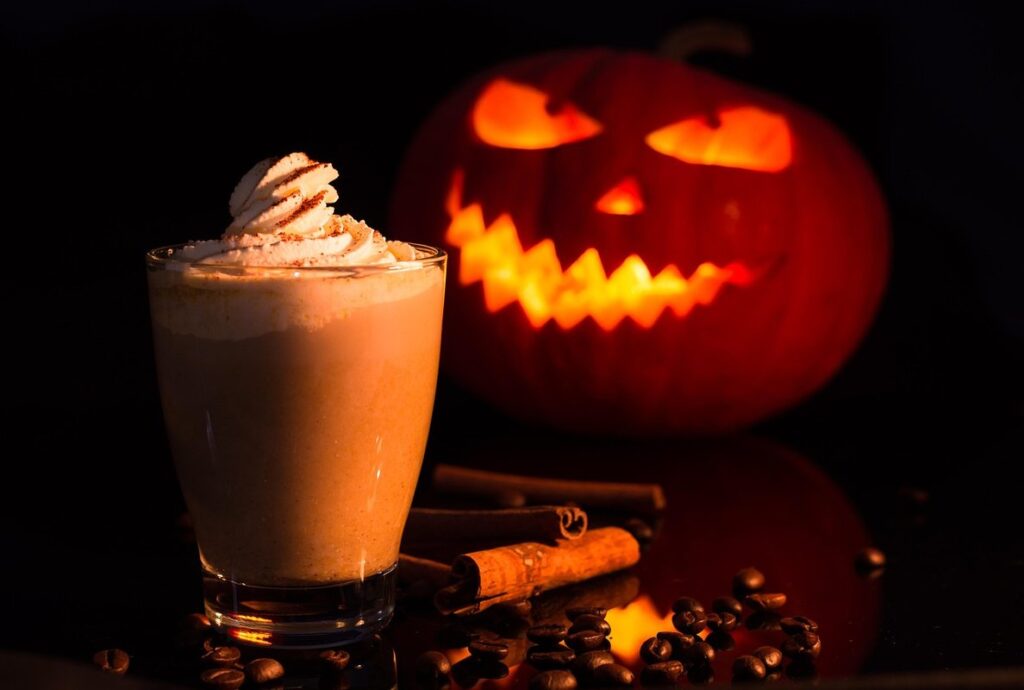
What is a “Pumpkin” Anyway?
Let’s take a step back and understand what we’re actually celebrating when we talk about Halloween pumpkins: are they gourds, squash, or something entirely different?
Defining the Term: From Botanical to Cultural Significance
Pumpkins have undergone a significant transformation from being a simple edible crop to a cultural icon deeply ingrained in our collective consciousness. At its core, the term “pumpkin” refers to a type of fruit belonging to the Cucurbitaceae family, which includes squash and melons. These plants are characterized by their vining habit, large leaves, and vibrant orange coloration. Traditionally, pumpkins were grown solely for their nutritional value, with various cultures using them in stews, soups, and other dishes.
However, over time, the pumpkin’s cultural significance has expanded far beyond its edible applications. In many societies, pumpkins have become a symbol of harvest season, representing abundance and fertility. This shift in perception is particularly evident during Halloween, where pumpkins are transformed into jack-o-lanterns, serving as a beacon for autumnal festivities.
As we delve deeper into the connection between pumpkins and winter, it becomes clear that this unlikely duo shares more than just a passing association.
History of Pumpkins in Autumn Celebrations
Pumpkins have been a staple of autumn celebrations for centuries, particularly during Halloween and Thanksgiving. The history of pumpkins in these festivities dates back to early European settlers in North America, who brought their pumpkin-picking traditions with them from the Old World.
In colonial times, pumpkins were a symbol of abundance and harvest prosperity. They were used in various ways, including as decorations, food, and even as lanterns. The first jack-o’-lanterns, carved with scary faces, originated from the Irish tradition of carving turnips and other root vegetables to ward off spirits. However, when settlers found that pumpkins were easier to carve than turnips, they adopted this practice.
As time passed, pumpkins became an integral part of Halloween celebrations, particularly in the United States. The iconic pumpkin patch photo opportunity, complete with smiling children posing amidst a sea of orange gourds, has become a beloved autumnal tradition. In fact, it’s estimated that over 1.5 billion pounds of pumpkins are sold each year during the Halloween season.
The Evolution of Halloween Decorations: From Carving to Display
Halloween decorations have come a long way from simple carved pumpkins, and today we’ll explore how they’ve evolved into elaborate displays that transform homes. Let’s take a look at this transformation.
Origins of Jack-o’-Lanterns: A Symbolism Deep Dive
Carved pumpkins have become an integral part of Halloween decorations, but their origins are deeply rooted in folklore and symbolism. The jack-o’-lantern, a carved pumpkin with a candle or light source inside, is said to ward off evil spirits and trick-or-treaters alike. This tradition has its roots in ancient Celtic festivals, where people would carve turnips and other root vegetables to honor the spirits of the dead.
The practice was later adopted by Irish immigrants in North America, who used pumpkins instead of turnips due to their abundance and ease of carving. The name “jack-o’-lantern” is believed to come from the Irish legend of Stingy Jack, who was unable to pay for his drinks in a pub and was forced to make a deal with the devil.
In modern times, carved pumpkins have become a staple of Halloween decorations, but their symbolism still holds significance. Carving designs into pumpkins can be seen as a way to connect with nature and honor the cycle of life and death. By incorporating elements from nature, such as leaves or flowers, you can create a unique design that reflects your personality and style.
By understanding the origins and symbolism behind jack-o’-lanterns, we can appreciate their significance in our Halloween celebrations and incorporate them into our own winter traditions.
Modern Pumpkin Displays: Trends and Ideas for Home Decorators
As you begin to transition from Halloween’s spooky ambiance to winter’s cozy warmth, it can be challenging to decide what to do with those remaining pumpkins. Why not repurpose them into a stunning winter display? With a few creative tweaks and some seasonal flair, you can turn your autumnal accents into unique winter decorations.
Consider transforming your pumpkin arrangement into a snow-covered wonderland by swapping traditional fall flowers for frosted white or pale blue blooms. Alternatively, simply wrap twigs or pinecones around the pumpkins to evoke a wintry feel. You could also paint them in icy hues like silver or gray to create an otherworldly ambiance.
For a more rustic look, group your pumpkins with natural elements like branches, evergreen sprigs, and candles to mimic a snow-covered forest scene. To add a pop of color, incorporate some festive holly berries or cranberries into the mix. With these ideas, you can breathe new life into your Halloween pumpkins and create a captivating winter display that will leave guests wondering at its beauty.
The Connection Between Pumpkins and Winter
You might be surprised to learn that pumpkins aren’t just a seasonal treat for Halloween, but also hold a secret connection to the winter months ahead. Let’s explore this unexpected relationship.
From Harvest Season to Holiday Season: A Symbolic Link
As we transition from harvest season to holiday season, pumpkins serve as a symbolic link between these two distinct periods. While they’re often associated with the spookiness of Halloween, their significance extends beyond this one day. Pumpkins represent the culmination of fall’s bounty, symbolizing the abundance and richness of the harvest.
Their transformation from a seasonal decoration to a holiday icon is a poignant reminder of the cyclical nature of time. As we carve and adorn pumpkins, we acknowledge the passing of time and the shift in seasons. This simple yet meaningful ritual allows us to honor the past while embracing the future.
In many cultures, pumpkins are seen as a bridge between the harvest season’s themes of abundance and gratitude and the holiday season’s focus on family, friendship, and celebration. By incorporating pumpkins into our holiday decor, we pay homage to the land, the farmers who cultivate it, and the community that comes together to celebrate the changing seasons.
How Winter-themed Pumpkin Decorations Became Popular
As we dive into the fascinating world of pumpkins during winter, it’s interesting to note that winter-themed pumpkin decorations have become increasingly popular over the years. Gone are the days when Halloween pumpkins were limited to traditional orange and black designs. Today, you can find a wide range of winter-inspired pumpkin decor that brings a cozy touch to your home.
Snowflakes, pinecones, and festive colors like red and green have become staples in modern pumpkin decoration. You can create your own winter wonderland by adding snowflake patterns or pinecone embellishments to your pumpkins using paint, stickers, or even decoupage. Alternatively, you can opt for pre-made decorations featuring these themes.
For a more unique look, try combining traditional Halloween elements with winter-themed accessories. For instance, pair a carved jack-o-lantern with a sprig of holly or a pinecone to create a visually appealing contrast. Don’t be afraid to get creative and experiment with different color combinations and textures to find the perfect winter-inspired pumpkin decoration for your home.
The Science Behind Pumpkins: Growth Cycles and Seasonality
Let’s dive into the fascinating science behind pumpkins, exploring their growth cycles and how they’re intricately tied to seasonal changes. You’ll discover why pumpkins thrive in cooler weather.
Understanding Pumpkin Growth Patterns and Temperature Requirements
Pumpkin growth is highly dependent on specific temperature conditions, making autumn an ideal time for planting. However, this season’s warm temperatures gradually give way to colder winter weather, which can impact pumpkin development.
Typically, pumpkins require a long growing season with average temperatures ranging from 65°F to 95°F (18°C to 35°C). During the fall season, daytime temperatures often exceed 80°F (27°C), while nighttime temperatures can drop below 50°F (10°C). This fluctuation in temperature is crucial for pumpkin growth.
As winter sets in and temperatures continue to drop, pumpkins require protection from extreme cold. Typically, a hard frost occurs when the temperature falls below 32°F (0°C) over an extended period. When this happens, pumpkin vines may die back, and any remaining fruit will be compromised.
To mitigate these effects, gardeners often use techniques such as mulching to insulate soil and plants from cold temperatures.
How Farmers Adapt to Cooler Temperatures During Harvest Time
As the autumn season progresses into early winter, farmers must adapt their harvesting techniques to ensure a successful pumpkin crop. One of the most significant challenges during this time is managing cooler temperatures that can negatively impact fruit quality and yield.
To mitigate these effects, farmers employ various strategies. For instance, they may extend the growth period by planting pumpkin varieties with shorter maturation times or choose cultivars specifically bred for cooler climates. Some farmers also use row covers to protect their crops from frost damage, while others opt for more advanced techniques like hydroponics to regulate soil temperature and optimize nutrient delivery.
Another crucial consideration is harvest timing. Farmers must carefully monitor weather forecasts and adjust their harvesting schedules accordingly. In regions where frost is a risk, it’s not uncommon for farmers to begin harvesting in late October or early November, before the first frost sets in. By taking these proactive measures, farmers can ensure that their pumpkin crops are brought to market in optimal condition, even during the cooler temperatures of autumn and early winter.
Creative Ways to Reuse Pumpkins After Halloween
You’ve got a pumpkin that’s seen its best days as a jack-o-lantern, but don’t toss it just yet! Here are some creative ways to give it new life this winter.
Upcycling Ideas for Repurposing Old Pumpkins
As we bid farewell to the spooky season, don’t let those old pumpkins go to waste! They still have so much life left in them. Here are some creative upcycling ideas for repurposing old pumpkins, perfect for decorating, cooking, or even boosting your garden’s health.
For a cozy winter atmosphere, try transforming your old pumpkin into a decorative centerpiece. Paint it with warm, earthy tones and add some candles, pinecones, or evergreen branches to give it a rustic feel. You can also use it as a planter for small plants like succulents or herbs, adding a pop of color to your winter decor.
In the kitchen, roasted pumpkin seeds make a delicious snack, perfect for munching on while cozied up by the fireplace. Simply toss them with olive oil, salt, and your favorite spices, then roast in the oven until crispy. You can also use old pumpkin puree as a base for homemade soups or stews.
For garden enthusiasts, old pumpkins make great compost additions. Slice them open and place them in your compost bin, where they’ll break down into nutrient-rich fertilizer for next spring’s crops. Alternatively, carve out the flesh and use it as a natural pest repellent around your plants – slugs and snails won’t stand a chance against its pungency!
How to Keep Your Pumpkins Fresh Longer: Tips and Tricks
When it comes to enjoying your pumpkin throughout the winter months, proper storage is key. Pumpkins are a seasonal delight that can add warmth and coziness to your home during the colder months. By following some simple tips and tricks, you can keep your pumpkins fresh for longer.
First, make sure your pumpkins are completely dry before storing them. Any excess moisture can cause mold or rot, which can be difficult to prevent once it sets in. To speed up the drying process, place your pumpkins in a sunny spot or use a fan to circulate the air.
Next, store your pumpkins in a cool, dark place with good ventilation. A garage or basement is ideal, but if you don’t have either of those, a cupboard or pantry will do. Keep them away from direct sunlight and heat sources, as this can cause them to spoil quickly.
To preserve your pumpkins further, you can also consider treating them with a natural preservative like beeswax or petroleum jelly. This will help lock in moisture and prevent decay. By following these tips, you’ll be able to enjoy your pumpkin for months to come.
Frequently Asked Questions
Can I use real pumpkins for winter decorations, or are they best suited for Halloween?
Yes, real pumpkins can be used for winter decorations, but it’s essential to choose varieties that thrive during the cooler months, such as ‘Sugar Pie’ or ‘Jarrahdale’. Make sure to clean and dry them properly before displaying. Consider using a sealant to extend their freshness.
How do I incorporate pumpkins into my holiday decor without making it look too obvious?
To avoid an overly obvious Halloween theme, blend pumpkins with other winter elements like evergreen branches, holly, or candles. Use them as part of a larger arrangement or mix and match different textures and colors to create a cohesive look.
What’s the best way to preserve my pumpkins for extended use in winter decorations?
To keep your pumpkins fresh longer, spray them with a sealant specifically designed for fruits and vegetables. You can also apply a mixture of petroleum jelly and water to prevent moisture loss. Keep them away from direct sunlight and heat sources.
Can I grow my own pumpkins for winter decorations, or is it too late in the season?
While pumpkin growth cycles vary depending on your climate, it’s generally possible to start growing pumpkins for winter decorations, even if it’s a bit later than ideal. Choose varieties with shorter maturation periods (around 100 days), and ensure you have enough sunlight, water, and space for the vines.
How can I repurpose old pumpkins instead of throwing them away?
Get creative! Carve or paint designs onto old pumpkin shells to create unique decorative items like planters or candle holders. You can also use them as bird feeders or make a rustic-looking centerpiece by combining them with other natural elements.