
Garlic is one of those magical ingredients that adds flavor, depth, and nutrition to our meals. But did you know there’s more to garlic than just the bulbous type we commonly use in cooking? In fact, there are eight distinct families of garlic, each with its own unique characteristics, uses, and health benefits waiting to be explored.
From Allium sativum to Wild Garlic, these various types of garlic offer a wealth of possibilities for cooks, chefs, and health enthusiasts alike. Whether you’re looking to elevate your cooking skills or harness the medicinal properties of this ancient plant, understanding each family’s individual traits is essential. In this comprehensive guide, we’ll delve into the fascinating world of garlic varieties, examining their uses, benefits, and surprising differences. Join us as we uncover the secrets of these eight families of garlic, unlocking a new world of flavors and health opportunities in the process!
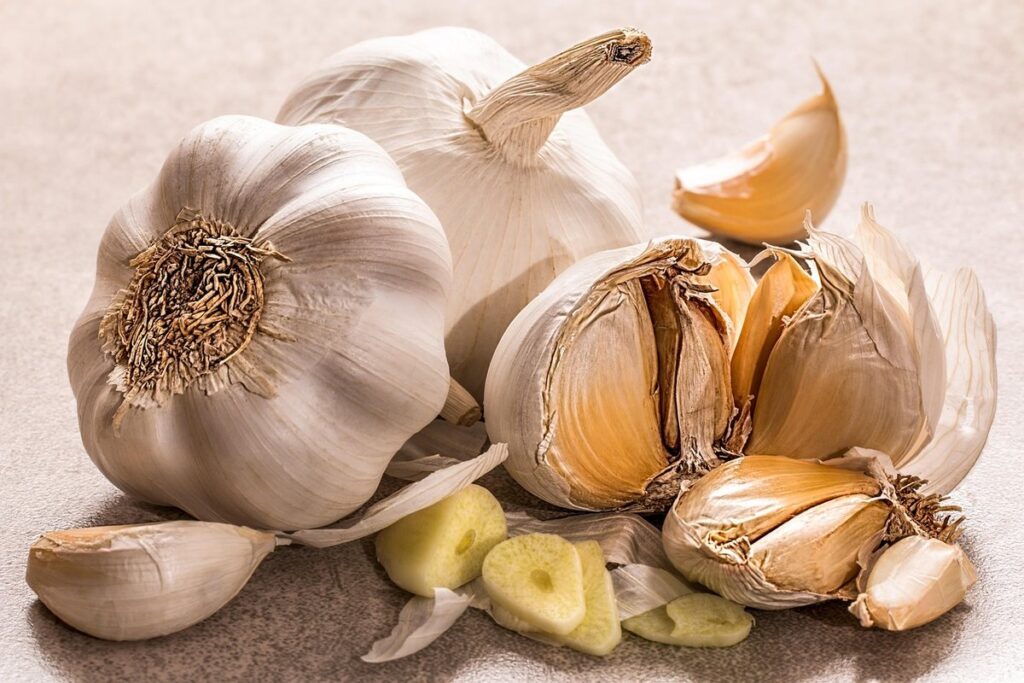
Family 1: Allium sativum – The Most Common Type
The most widely cultivated and consumed garlic is found within the Allium sativum family, boasting a mild flavor and versatility in cooking. Let’s take a closer look at its characteristics.
1.1 History and Origin
Garlic has been a staple ingredient in various cultures for thousands of years, with its history dating back to ancient civilizations. The most common type of garlic, Allium sativum, originated in Central Asia, where it was first cultivated around 4000-5000 years ago. From there, it spread to the Middle East and Mediterranean regions through trade routes.
As civilizations rose and fell, garlic continued to be a prized ingredient, not only for its flavor but also for its medicinal properties. The ancient Greeks and Romans used garlic to ward off illnesses and diseases, while the Chinese employed it in traditional medicine for centuries.
Today, Allium sativum is one of the most widely cultivated species of garlic globally, with China being the largest producer. Its adaptability to various climates and soil types has contributed to its widespread cultivation and popularity. Whether you’re a chef or a home cook, understanding the history and origin of garlic can help you appreciate its versatility and value in cooking.
Garlic’s long journey from Central Asia to global kitchens is a testament to its enduring appeal and importance as a culinary ingredient.
1.2 Characteristics and Varieties
Allium sativum, commonly known as garlic, is one of the most widely consumed and versatile types of garlic. Its distinctive flavor profile is characterized by a pungent, slightly sweet taste that adds depth to various dishes.
One of the notable characteristics of Allium sativum is its firm texture, which makes it ideal for cooking and storing. The aroma of this type of garlic is intense and often overpowering when raw, but mellow out significantly when cooked.
Some popular varieties within the Allium sativum family include Silverskin, Elephant, and Creole. Silverskin garlic has a milder flavor and thinner skin, making it easier to peel. Elephant garlic, on the other hand, is known for its large size and mild taste, often used in Mediterranean dishes. Creole garlic has a stronger flavor profile and thicker skin, perfect for grilling or roasting.
When choosing between different varieties of Allium sativum, consider the desired intensity of flavor and texture. For example, if you’re looking to add a subtle kick to your cooking, Silverskin might be the better choice.
Family 2: Elephant Garlic
Next up, let’s dive into the fascinating world of Elephant Garlic, a family known for its robust flavor and larger bulb size compared to other varieties. We’ll explore its characteristics in more detail here.
2.1 Distinctive Features
Elephant garlic is easily distinguishable from other types of garlic due to its impressive size. On average, an individual bulb can weigh up to 2 ounces and consist of 10-20 cloves. This large size makes it a popular choice for cooks who need a robust flavor in their dishes without the pungency associated with smaller varieties.
One of the most notable characteristics of Elephant garlic is its mild taste. Unlike other types of garlic, which can be overpowering, Elephant garlic adds depth to meals without overwhelming them. This makes it an excellent option for those who are new to cooking or prefer a more subtle flavor in their dishes.
Research has also highlighted potential health benefits associated with consuming Elephant garlic. Its high content of vitamins C and B6, as well as its rich supply of antioxidants, make it a nutritious addition to any meal. With its distinctive size, mild flavor, and potential health advantages, it’s no wonder that Elephant garlic is gaining popularity among cooks worldwide.
When working with Elephant garlic, be sure to use gloves when handling the bulbs, as their large cloves can cause skin irritation in some individuals. Additionally, store them away from direct sunlight to prevent moisture buildup and promote healthy growth.
2.2 Cultivation and Uses
Cultivating Elephant garlic is relatively easy due to its hardy nature. It prefers well-drained soil with a pH range of 6.0-7.0 and full sun. Plant the cloves about 4-6 inches apart and 2-3 inches deep in the fall, about 6-8 weeks before the first frost. This allows them to establish themselves during the winter months and emerge in early spring.
When harvesting Elephant garlic, wait until the tops of the plants have begun to yellow and fall over, indicating that the bulbs are mature. Carefully dig up the entire plant, taking care not to damage the cloves. Dry them in a warm, dry place for a few days to cure before storing in a cool, dark location.
Elephant garlic is highly versatile and can be used in various ways. In cooking, it’s often used as a substitute for regular garlic, adding depth of flavor to dishes like soups, stews, and roasted vegetables. Its mild, sweet flavor also makes it suitable for roasting or grilling whole, as a side dish. Some people use Elephant garlic for medicinal purposes, such as reducing inflammation and improving cardiovascular health due to its high allicin content.
Family 3: Silverskin Garlic
Let’s dive into the Silverskin family, where we’ll explore their mild flavor profile and versatility in both cooking and preserving garlic. Their unique characteristics make them a popular choice for many home cooks.
3.1 Unique Characteristics
Silverskin garlic stands out from other families due to its distinctive papery skin. This unique characteristic not only adds to its visual appeal but also helps it retain moisture and flavor longer than other varieties. When choosing Silverskin, look for firm bulbs with minimal signs of sprouting or mold.
One of the most notable features of Silverskin garlic is its mild flavor profile. It’s often described as sweet and subtle, making it an excellent choice for cooking methods where strong flavors might overpower other ingredients. For instance, roasting or grilling Silverskin garlic will bring out its natural sweetness without becoming overpowering.
Silverskin garlic also boasts high sulfur content, which contributes to its distinctive flavor and aroma. Sulfur is responsible for the pungency often associated with garlic, but in Silverskin, it’s balanced by a milder taste. This balance makes Silverskin an ideal choice for those who want to add depth without overwhelming their dishes.
When working with Silverskin garlic, consider its mild flavor and high sulfur content when pairing it with other ingredients. For example, combine roasted Silverskin with olive oil, herbs, and lemon juice for a simple yet flavorful sauce.
3.2 Culinary and Health Benefits
Silverskin garlic is not only prized for its unique appearance but also for its versatility and health benefits. In cooking, Silverskin’s mild to medium flavor makes it an excellent choice for dishes where a stronger garlic taste might overpower other ingredients.
It pairs well with roasted meats, vegetables, and as a finishing touch for soups and sauces. To bring out its best flavor, use Silverskin garlic in the last 10-15 minutes of cooking, so its delicate aroma can infuse into the dish without burning or overpowering it.
From a health perspective, Silverskin garlic is rich in antioxidants, vitamin C, and potassium, making it an excellent addition to a balanced diet. It’s also been found to have antimicrobial properties that help boost the immune system and combat infections.
To reap its medicinal benefits, consider incorporating Silverskin into your daily meals or using it as a natural remedy for colds and flu. For example, make garlic tea by steeping three cloves in hot water and drink it before bed to promote relaxation and ease congestion.
Family 4: Softneck Garlic
Softneck garlic is one of the most widely cultivated and consumed types, known for its mild flavor and soft, papery skin that does not form a compact head. Let’s dive into what makes this family so special.
4.1 Adaptability and Yield
Growing Softneck garlic is an excellent choice for gardeners of all levels, thanks to its remarkable adaptability and high yield potential. This family of garlic can thrive in a wide range of climates, making it ideal for regions with varying temperatures and moisture levels.
One of the key advantages of Softneck garlic is its ability to produce multiple harvests from a single bulb. With proper care, a single head of Softneck garlic can be divided into several smaller bulbs, each capable of producing its own crop. This not only increases yield but also provides gardeners with a sense of continuity and security.
Softneck garlic is also relatively low-maintenance, requiring minimal care compared to other varieties. It’s tolerant of poor soil quality and can survive brief periods of drought, making it an excellent choice for gardeners who may have limited resources or time to devote to their garden. By growing Softneck garlic, you can enjoy a bountiful harvest with minimal fuss.
In terms of yield, Softneck garlic is known to produce higher yields than many other varieties. A single bulb can yield up to 20-30 cloves, depending on the specific variety and growing conditions. With proper care and attention, it’s not uncommon for gardeners to harvest multiple bulbs from a single head, resulting in a substantial supply of fresh garlic throughout the year.
4.2 Flavor Profile and Versatility
Softneck garlic is renowned for its versatility and milder flavor profile compared to other families. Its flavor is often described as sweeter and nuttier, making it a favorite among cooks and chefs. This characteristic allows Softneck garlic to be used in a wide range of dishes, from Mediterranean cuisine to Asian-inspired recipes.
One reason for its popularity lies in its ability to hold its shape when cooked, unlike other families that tend to become soft or disintegrate during the cooking process. This makes it an excellent choice for grilling, roasting, and sautéing, allowing chefs to add a burst of flavor without worrying about texture.
For those new to using Softneck garlic, consider incorporating it into roasted vegetable dishes, such as Brussels sprouts or carrots, where its sweetness can shine through. Additionally, try mincing it and adding it to sauces like pesto or hummus for an added depth of flavor.
Family 5: Rocambole Garlic
Let’s take a closer look at Rocambole garlic, one of the more robust and aromatic varieties, originating from Europe and North Africa. Its unique flavor profile makes it a favorite among chefs.
5.1 Distinctive Flavor
Rocambole garlic is often described as having a unique flavor profile that falls somewhere between the pungency levels of Hardneck and Softneck types. This distinct characteristic makes it an attractive option for chefs and home cooks looking to add depth and complexity to their dishes.
One of the key features of Rocambole garlic is its slightly sweet and nutty flavor, which is often enhanced by the presence of a hint of bitterness. This subtle balance of flavors allows Rocambole garlic to pair well with a variety of ingredients, from rich meats like beef and lamb to delicate fish and poultry.
When working with Rocambole garlic, it’s essential to note that its pungency level can be quite intense, especially when raw or slightly cooked. To minimize the overpowering flavor, try roasting or caramelizing the garlic before using it in a recipe. This process not only mellows out the flavor but also brings out the sweet, nutty undertones that make Rocambole garlic so unique.
5.2 Health Benefits and Medicinal Uses
Rocambole garlic is not only a flavorful addition to many dishes but also offers numerous health benefits and medicinal uses. Research has shown that this variety of garlic contains high levels of allicin, a compound with potent antibacterial properties. This makes Rocambole garlic an effective natural remedy for fighting off infections and promoting overall well-being.
One of the key ways Rocambole garlic can benefit your health is by reducing inflammation. Studies have demonstrated that its active compounds can inhibit the production of pro-inflammatory cytokines, helping to alleviate symptoms associated with conditions like arthritis. Furthermore, its antibacterial properties make it an excellent tool for preventing the spread of illnesses caused by bacteria.
To reap the benefits of Rocambole garlic, consider incorporating it into your diet in a variety of ways. Try adding minced garlic to meals throughout the day or using it as a flavor enhancer in soups and sauces. You can also use roasted Rocambole garlic as a side dish or spread on toast for a tasty and healthy snack. As with any food, be sure to consume it in moderation, and consult with a healthcare professional before using it as a treatment for specific health conditions.
Family 6: Asiatic Garlic
Let’s dive into the unique characteristics and uses of the Asiatic garlic family, known for its robust flavor and versatility in various cuisines. From Asian stir-fries to Mediterranean dishes, this type of garlic shines through.
6.1 Origin and History
Asiatic garlic has a rich history that spans centuries, originating from Eastern Asia where it was highly valued for its unique flavor and medicinal properties. Tracing its roots back to ancient civilizations, Asiatic garlic has been cultivated and consumed in China, Japan, Korea, and other parts of the region for thousands of years.
Archaeological evidence suggests that garlic was first domesticated in China around 4000 BCE, where it was not only used as a food but also for its perceived health benefits. The plant’s distinctive flavor and aroma were highly prized by Chinese cooks and healers alike, who used it to add depth to dishes and treat various ailments.
Over time, Asiatic garlic spread throughout Eastern Asia, with different cultures developing their own unique methods of cultivation and preparation. Today, this family of garlic remains a staple ingredient in many Asian cuisines, prized for its strong flavor, pungency, and versatility in both sweet and savory dishes.
6.2 Characteristics and Varieties
Asiatic garlic is known for its mild flavor profile, which sets it apart from other families of garlic. The taste is often described as sweet and nutty, making it a popular choice among chefs who want to add depth to their dishes without overpowering them. In terms of texture, Asiatic garlic tends to be larger than other types, with a thicker skin that’s easier to peel.
One of the most significant advantages of Asiatic garlic is its potential health benefits. It contains a higher concentration of allicin, a compound known for its antibacterial and antiviral properties. Studies have shown that regular consumption of allicin-rich foods like Asiatic garlic can help boost the immune system and reduce inflammation.
When working with Asiatic garlic, it’s essential to choose high-quality bulbs that are firm and free of visible signs of spoilage. To bring out its unique flavor, try roasting or grilling the cloves before using them in your favorite recipes. This will caramelize the natural sugars and enhance the overall taste experience.
Family 7: Wild Garlic
Let’s dive into Family 7, Wild Garlic, which is known for its robust flavor and earthy aroma. This family of garlic is often used in Mediterranean cuisine to add depth and richness to various dishes.
7.1 Unique Characteristics and Uses
Wild garlic stands out from other families due to its distinct characteristics. Its pungency level is relatively low compared to others, making it a popular choice for those who find strong flavors overwhelming. When used in cooking, wild garlic adds a delicate flavor profile with subtle notes of onion and a hint of sweetness.
One of the unique uses of wild garlic is its medicinal properties. The leaves contain compounds that have anti-inflammatory and antibacterial properties, which can help alleviate symptoms of colds, coughs, and sore throats. To harness these benefits, simply chop the leaves and steep them in hot water to make a soothing tea or add them to soups for an extra boost.
In terms of culinary applications, wild garlic pairs well with lighter dishes like fish and salads. It’s also used as a substitute for onions in many recipes due to its mild flavor. When cooking with wild garlic, be sure to use it sparingly, as its flavor can quickly overpower other ingredients.
7.2 Foraging and Cultivation Tips
When foraging for wild garlic, it’s essential to identify the plants correctly to avoid confusion with lookalike species. Inspect the leaves and flowers closely; wild garlic has broad, flat leaves that resemble a clover-like shape, whereas the flowers appear as small white clusters. Be cautious not to mistake them with lily of the valley or autumn crocus, which can be toxic.
When cultivating wild garlic, choose a shaded area with moist soil for optimal growth. Sow seeds in fall or early spring and maintain a consistent moisture level throughout the growing season. Harvest the leaves before flowering by cutting off the stems about an inch above the base, allowing new shoots to grow from the underground rhizomes.
In cooking, wild garlic adds depth and flavor to soups, stews, and sauces. Use it in moderation, as its strong aroma can overpower other ingredients. For medicinal purposes, wild garlic is valued for its antimicrobial properties; infuse it in oil or make a tincture by mixing equal parts of the plant with vodka.
Frequently Asked Questions
How do I choose the right type of garlic for a specific recipe?
When selecting garlic, consider the flavor profile you’re aiming for and the cooking method. For example, if you’re making a roasted vegetable dish, Softneck Garlic’s mild flavor would be a good choice. If you want to add depth to an Italian sauce, Allium sativum is a versatile option.
Can I grow my own garlic, or should I rely on store-bought varieties?
Garlic can be grown at home, and it’s a great way to have fresh, organic produce available year-round. Choose a suitable variety for your climate, such as Asiatic Garlic, which thrives in warmer temperatures. With proper care, you’ll enjoy a bountiful harvest of homegrown garlic.
Are there any health benefits associated with specific families of garlic?
Yes. Wild Garlic, also known as ramps, has been shown to have antibacterial properties and may aid in digestion. Silverskin Garlic contains higher levels of allicin, which has anti-inflammatory properties. Consult with a healthcare professional before using garlic for medicinal purposes.
Can I substitute one type of garlic for another in recipes?
While similar, each family of garlic has unique characteristics that affect flavor and aroma. Substituting can result in unpredictable outcomes. If possible, stick to the recommended variety or experiment with small batches to adjust seasoning levels.
How do I store garlic to preserve its flavor and potency?
Proper storage is crucial for maintaining garlic’s quality. Store bulbs in a cool, dry place away from direct sunlight. Softneck Garlic tends to be more sensitive than other varieties, so keep it separate from other stored vegetables.