
As you gaze out at your beautiful tree rose bushes, you can’t help but wonder how to keep them thriving through the harsh winter months. Tree roses are a unique and stunning addition to any garden, but they do require some special care during the cold weather. Winterizing your tree roses is crucial for their survival and revival in spring. In this article, we’ll delve into the essential tips and tricks you need to know for caring for your tree roses through the winter season. From pruning and mulching to preventing pests and diseases, we’ve got you covered with expert advice on how to protect your trees from damage and revive them when warmer weather returns. Let’s get started!
Understanding Tree Roses and Their Needs
To properly care for your tree rose during winter, it’s essential to understand their unique needs and how to meet them when the temperatures drop. Let’s dive into what makes tree roses special.
What Are Tree Roses?
A tree rose is a type of hybrid rose that combines the characteristics of a shrub and a climbing rose. It’s essentially a multi-stemmed plant with one main stem that can grow up to 6 feet tall, while other stems branch out from it, reaching lengths of 3-5 feet. This unique structure allows tree roses to provide stunning support for their own blooms as well as those of other plants.
Tree roses are known for their vigorous growth habit and ability to produce an abundance of flowers in a range of colors, including pink, red, yellow, and white. They require regular pruning to maintain their shape and promote healthy growth. One of the reasons tree roses need special care is that they have a higher water requirement than other types of roses due to their larger size and leafier foliage.
If you’re new to growing tree roses, it’s essential to understand their needs and provide them with the right conditions to thrive during winter. In the next section, we’ll discuss how to prepare your tree rose for winter by pruning, protecting from frost damage, and providing adequate moisture.
Tree Rose Growth Patterns and Varieties
When it comes to tree roses, their growth patterns and varieties can play a significant role in determining their winter hardiness. Understanding these factors is crucial for providing the right care during the cold months.
Tree roses come in three primary growth patterns: standard, shrub, and weep. Standard trees have a single stem and a symmetrical canopy, making them more susceptible to winter damage due to snow loading and wind resistance. Shrubs, on the other hand, have multiple stems and are more compact, reducing their exposure to harsh weather conditions.
Weep tree roses have an open, vase-like growth habit, which can be beneficial for cold climates as it allows snow to fall through the branches without causing damage. Some popular varieties of tree roses include ‘Prairie Joy’, ‘Double Purity’, and ‘Gibson’s Scarlet’. When selecting a variety, consider its growth pattern and adaptability to your local climate.
When winterizing tree roses, take note of their specific needs based on their growth patterns and varieties.
Preparing Tree Roses for Winter
As winter approaches, it’s essential to prepare your tree roses for the cold months ahead by protecting them from frost and harsh weather conditions. Let’s dive into the steps you can take to ensure their survival.
Choosing the Right Location for Your Tree Rose
When choosing the right location for your tree rose, it’s essential to consider its sunlight and wind exposure needs. Tree roses typically require full sun to partial shade, depending on the variety, so select a spot that receives at least 6 hours of direct sunlight per day. If your tree rose is not getting enough sunlight, it may become leggy or weak.
Avoid planting your tree rose in areas with harsh winds, as this can cause damage to its delicate branches and flowers. Look for a location that provides some protection from the wind, such as near a building or behind a row of shrubs.
Consider the soil temperature and moisture levels when selecting a location for your tree rose. Choose an area with well-draining soil to prevent root rot and other diseases. By choosing the right location for your tree rose, you’ll be giving it the best chance to thrive during the winter months and beyond.
In addition, keep in mind that south-facing locations tend to receive more intense sunlight and heat, which can cause stress to the plant. East- or west-facing locations are often better options, as they provide a more gentle and consistent light throughout the day.
Mulching and Watering Before Winter
As winter approaches, it’s essential to prepare your tree rose for dormancy by taking care of its mulching, watering, and fertilizing needs. Mulching is a crucial step in protecting the roots from cold temperatures and retaining moisture in the soil. Apply a 2-3 inch layer of organic mulch such as bark chips or straw around the base of the tree rose, keeping it a few inches away from the trunk to prevent rot.
When it comes to watering, reduce the frequency of watering in the fall to once a month. This will help your tree rose adjust to the changing moisture levels and prevent root rot. If you live in an area with heavy rainfall, ensure the soil isn’t waterlogged, as this can cause more harm than good.
Avoid fertilizing your tree rose during the winter months, as it’s not actively growing. However, if you didn’t fertilize earlier in the season, now is a great time to do so using a balanced fertilizer. Follow the manufacturer’s instructions for application rates and timing to avoid burning the roots. By taking care of these tasks before winter, your tree rose will be well-prepared for the cold months ahead.
Protecting Tree Roses from Extreme Weather Conditions
As you prepare your tree roses for winter, it’s essential to learn how to protect them from harsh weather conditions that can cause damage or even death. We’ll cover the best ways to safeguard your trellis roses against extreme temperatures and weather events.
How to Prune Your Tree Rose for Winter Protection
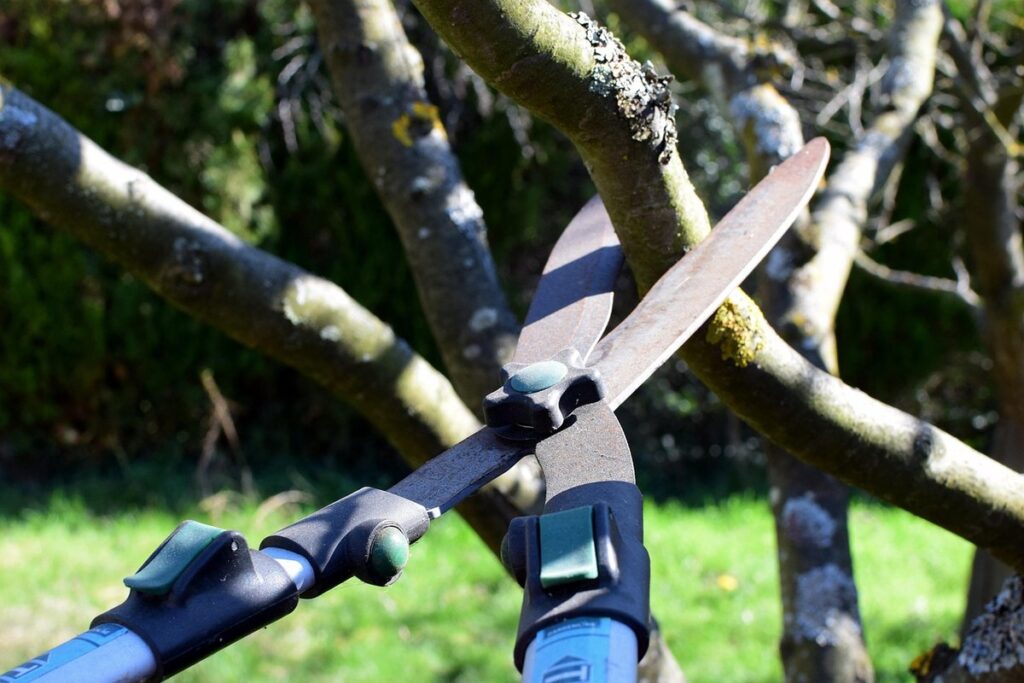
Pruning your tree rose is an essential step in winter protection. This process not only maintains its shape and appearance but also prevents damage from snow, ice, and extreme cold temperatures.
To start pruning, inspect your tree rose carefully, looking for any dead, diseased, or damaged branches. Remove these using sharp, clean pruning tools to prevent spreading diseases. Next, consider the overall structure of your tree rose. Prune back any overgrown canes by one-third to half their length to encourage new growth and promote a balanced shape.
When making cuts, cut at a 45-degree angle just above a bud eye (the small swelling from which a new branch grows). This will help water run off and reduce the risk of disease. Also, consider thinning out dense areas to improve air circulation and prevent moisture buildup, which can lead to damage during winter months.
Remember to prune your tree rose in late fall or early winter, when it’s dormant. Avoid pruning too heavily, as this can cause stress that may make the plant more susceptible to winter damage.
Supporting Large or Top-Heavy Tree Roses
Supporting large or top-heavy tree roses is crucial during winter to prevent them from breaking under snow load. As a general rule of thumb, any tree rose with a diameter of 2 inches or more should be staked for added support.
To provide sufficient support, start by gently tying the stem to a sturdy stake using soft ties such as twine or plant tape. Be sure to leave enough slack to accommodate the plant’s natural movement and growth. You can also use tree rose supports or stakes specifically designed for this purpose.
For particularly top-heavy trees, you may need to add additional support from nearby branches or shrubs to prevent them from tipping over. When staking, keep in mind that it’s better to err on the side of caution – it’s easier to remove excess support than it is to repair a broken stem. By taking these precautions, you’ll help ensure your tree rose remains safe and secure throughout the winter months.
Maintaining Tree Roses During Dormancy
Now that we’ve covered pruning and protecting your tree rose, let’s focus on maintaining these beautiful plants during their dormant winter months. Proper care ensures they thrive come spring.
Signs of Healthy vs. Unhealthy Dormancy in Tree Roses
As tree roses enter dormancy, it’s essential to differentiate between healthy and unhealthy signs. Healthy dormancy typically appears as a natural, dry, and slightly wrinkled appearance of the leaves. The bark may also take on a rougher texture due to the reduction of sap flow. This is a normal response to the decrease in daylight hours and cold temperatures.
On the other hand, unhealthy dormancy can manifest in various ways. For instance, if your tree rose’s leaves are still green and lush, or if new growth appears during the dormant season, it may be an indication that the plant isn’t receiving enough chill hours or is being exposed to excessive moisture. Other signs of unhealthy dormancy include cracking bark, fungal infections, or a persistent presence of pests.
If you notice any of these symptoms, address them promptly by adjusting your tree rose’s care routine accordingly.
Fertilizing and Pruning During Winter Months
Fertilizing and pruning are two crucial tasks that might seem counterintuitive during the winter months when tree roses are dormant. However, providing them with the right nutrients and trimming back can significantly promote healthy growth come spring.
For fertilization, it’s essential to choose a balanced, slow-release fertilizer specifically formulated for rose care. Apply it in early winter, around December or January, to give your tree rose enough time to absorb the nutrients before dormancy sets in. Avoid over-fertilizing, as this can lead to weak and leggy growth.
Pruning is another critical aspect of winter maintenance. Prune your tree rose back by about one-third to one-half during the dormant season, usually between late January and early March. Remove any dead or damaged branches to prevent disease and encourage new growth in the spring. Make clean cuts just above a bud eye (the small swelling from which a leaf or branch grows) using sharp, sterile pruning tools.
By following these steps, you’ll set your tree rose up for success when it awakens from its winter slumber.
Addressing Common Problems in Tree Roses During Winter
One of the biggest challenges tree rose owners face during winter is identifying and addressing common problems that can damage your plants. In this section, we’ll explore the most common issues to watch out for.
Dealing with Pests and Diseases
During the winter months, tree roses are more susceptible to pests and diseases that can cause significant damage. To protect your beautiful blooms, it’s essential to identify common issues early on.
One of the most prevalent problems is black spot disease, which appears as small, black spots on leaves. To prevent its spread, make sure to remove any infected foliage immediately and treat with a fungicide according to the manufacturer’s instructions. Regularly inspecting your tree rose for signs of disease will help catch issues before they become severe.
Some common pests that target tree roses during winter include aphids, whiteflies, and spider mites. To keep these unwanted visitors at bay, use neem oil or insecticidal soap on affected areas, following the product’s label instructions. Additionally, maintaining good air circulation around your tree rose can help prevent pest infestations.
By being vigilant and taking prompt action when issues arise, you’ll be able to protect your tree roses from common pests and diseases that can thrive in the winter environment.
Preventing Root Damage from Frost Heave
Frost heave is one of the most significant threats to tree roots during winter. It occurs when water seeps into the soil and freezes, pushing roots upwards out of the ground and causing damage. This phenomenon can be devastating for tree roses, leading to root exposure, decay, and even death.
When roots are exposed to air, they become susceptible to desiccation, which can cause further damage. To mitigate this risk, it’s essential to ensure that your tree rose is planted in a well-draining soil mix. Avoid planting in areas with standing water or where water tends to collect.
To prevent root damage from frost heave, consider the following tips:
* Mulch around the base of your tree rose to insulate the roots and maintain moisture levels.
* Water thoroughly before the first frost to settle the soil and reduce water penetration.
* Apply a layer of protective fabric or burlap to shield the soil from extreme temperature fluctuations.
By taking these precautions, you can minimize the risk of root damage and help your tree rose survive the harsh winter conditions.
Reviving Your Tree Rose After Winter
Now that winter has passed, it’s time to revive your tree rose and restore its vibrancy. In this section, we’ll share essential steps for bringing new life back into your dormant beauty.
Signs Your Tree Rose Needs Extra Care After Winter
As winter comes to an end and your tree rose begins to show signs of life, it’s essential to assess its condition and determine if it needs extra care. Inspect the plant carefully for any damage or stress that may have occurred during the cold months. Check for signs of frostbite, such as brown or wilted leaves, or discolored bark.
If you notice any damage, take immediate action to prune affected areas and prevent further harm. Remove any dead or diseased branches to promote healthy growth and encourage new shoots to develop. This will also help prevent the spread of disease and pests.
Another sign that your tree rose may need extra care is if it’s showing signs of nutrient deficiency. Check for yellowing leaves, weak growth, or poor flowering. If you suspect a nutrient imbalance, have your soil tested to determine what fertilizers are needed. Don’t be surprised if your tree rose needs a boost after the winter months – with proper care, it’ll bounce back in no time!
Tips for a Successful Spring Revival of Your Tree Rose
As you eagerly anticipate the arrival of spring, it’s essential to prepare your tree rose for revival. The harsh winter months can be brutal on these beautiful plants, but with some TLC, you can help them bounce back to their former glory.
Before we dive into the tips, remember that timing is everything when reviving a tree rose after winter. Wait until the threat of frost has passed in your area, and temperatures are consistently above 40°F (4°C). This ensures that new growth won’t be damaged by sudden cold snaps.
Here are some actionable tips to help you achieve a successful spring revival:
* Inspect your tree rose carefully for any damage or signs of disease. Prune any dead or dying branches to prevent the spread of disease and encourage healthy growth.
* Fertilize your tree rose with a balanced, slow-release fertilizer. This will provide essential nutrients without burning your plant’s roots.
* Water thoroughly but avoid overwatering, which can lead to root rot. Make sure the soil is moist but not waterlogged.
* Monitor your tree rose for signs of pests or diseases and take action promptly if you notice any issues.
By following these simple tips, you’ll be well on your way to reviving your tree rose and enjoying a stunning display of blooms come springtime.
Frequently Asked Questions
Can I still plant new tree roses in the fall, or should I wait until spring?
Yes, you can still plant new tree roses in the fall, but make sure to give them enough time to establish themselves before winter sets in. Choose a location with good air circulation and protect the plants from extreme weather conditions by providing adequate mulching and watering.
How often do I need to prune my tree rose during the winter months for optimal health?
Prune your tree rose sparingly during the winter months, focusing on removing any dead or diseased stems. Prune in late fall or early spring when the plant is dormant to minimize stress and promote healthy growth. Remove about one-third of the plant’s growth to encourage new shoots and blooms.
What’s the best way to protect my tree rose from root damage caused by frost heave?
To prevent root damage from frost heave, apply a thick layer (about 3-4 inches) of mulch around the base of your tree rose. This will help insulate the roots and keep them from freezing. Also, ensure the soil is not too dry or waterlogged, as this can exacerbate the issue.
How do I know if my tree rose needs extra care after winter?
Check for signs of healthy vs. unhealthy dormancy, such as green stems, new growth, or excessive dieback. If you notice any significant damage or decline, consider providing additional support, pruning, or fertilizing to help your tree rose recover and thrive.
Can I use regular rose fertilizer on my tree rose during the winter months?
No, it’s best not to fertilize your tree rose during the dormant season (winter). Wait until spring when new growth begins to emerge. However, if you must fertilize during this period, use a balanced, slow-release fertilizer at half the recommended rate to avoid causing more harm than good.