
Creating a thriving wildflower garden is a dream shared by many nature lovers, but it requires more than just scattering seeds in your backyard. To achieve wildflower success, you need to carefully consider every step, from choosing the perfect location to providing the right care for your blooms. A well-planned and executed wildflower garden not only adds beauty to your outdoor space but also supports local biodiversity and provides a haven for pollinators.
In this article, we’ll guide you through the crucial steps to create a stunning and sustainable wildflower garden. We’ll start by discussing how to select the right location and soil conditions, followed by advice on selecting the perfect wildflowers for your climate and region. You’ll also learn essential tips on planting, maintenance, and care to ensure your blooms flourish season after season. Whether you’re a seasoned gardener or a beginner, follow these steps to grow a vibrant and thriving wildflower garden that brings joy to you and your community.
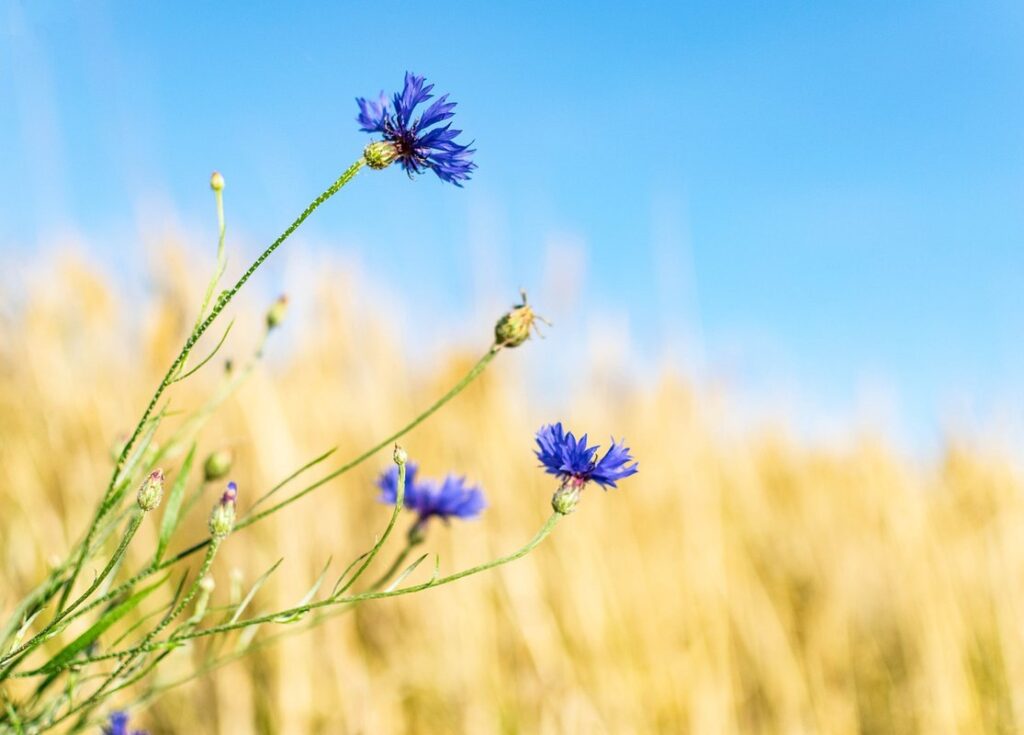
Choosing the Right Location
When it comes to growing a vibrant and thriving wildflower garden, choosing the right location is crucial. You’ll want to pick a spot that receives the perfect amount of sunlight and moisture.
Understanding Your Climate Zone
Understanding your climate zone is crucial when it comes to growing wildflowers. The right climate can make all the difference between a lush, vibrant display and a lackluster patch of flowers. To determine your climate zone, you’ll need to consider factors like temperature, rainfall, and sunlight.
There are several types of climates suitable for wildflowers, including temperate, Mediterranean, and alpine zones. Temperate climates have mild winters and warm summers, making them ideal for many varieties of wildflowers. If you live in a region with hot summers and cold winters, look for drought-tolerant species that can thrive in such conditions.
Some popular wildflower types for each climate zone include:
• Black-eyed Susans (Rudbeckia hirta) for temperate climates
• California poppies (Eschscholzia californica) for Mediterranean zones
• Alpine forget-me-nots (Myosotis alpestris) for high-altitude areas
To ensure success, research the specific climate requirements for your chosen wildflower species. Consult local nurseries or gardening experts to determine which types will thrive in your area. With the right climate and care, you’ll be well on your way to creating a stunning wildflower display that brings beauty and joy to your garden.
Selecting a Sunny Spot
When it comes to growing sun-loving wildflowers, selecting the right spot is crucial. These flowers thrive in areas that receive full sun to partial shade, typically 4-6 hours of direct sunlight per day. To create a sunny spot in your garden or yard, consider the following tips.
Choose an area with good air circulation to prevent moisture from collecting and promoting fungal diseases that can affect wildflowers. If you’re creating a new bed, make sure it’s at least 3-4 feet away from any structures, such as fences or buildings, to ensure proper sunlight penetration. Observe your yard during different times of the day to identify areas with the most direct sunlight.
When selecting an existing spot, look for areas that receive full sun, such as a south-facing slope or a cleared area in a woodland garden. Even if you’re not creating a new bed, consider transplanting a few wildflowers into a sunny spot, providing they’ll have enough room to grow and spread out their roots.
By identifying the perfect spot with plenty of sunlight, you’ll be well on your way to growing vibrant and thriving sun-loving wildflowers in your garden or yard.
Soil Preparation
Before planting your wildflowers, it’s essential to prepare the soil properly. This involves removing weeds and debris, loosening compacted areas, and adding organic matter like compost.
Testing Your Soil pH
Soil pH is often overlooked as an essential factor in wildflower success, but it’s crucial for their growth and well-being. Wildflowers have adapted to thrive in specific pH ranges, so testing and understanding your soil’s pH will help you choose the right species for your garden or meadow.
To test your soil pH, you can use a DIY kit available at most gardening stores. These kits usually involve inserting a probe into the soil and reading the pH level from a color-coded chart. If you prefer a more accurate reading, consider sending a sample to a lab for analysis. The ideal pH range for wildflowers varies depending on the species, but generally falls between 6.0 and 7.5.
If your soil pH is too high or low, you can take steps to adjust it. Adding elemental sulfur will lower pH levels, while dolomitic limestone will raise them. However, be cautious when making adjustments – sudden changes can shock the plants. Instead, aim for gradual adjustments over time. This may involve incorporating organic matter like compost or well-rotted manure into your soil.
Adding Organic Matter
When it comes to creating a welcoming environment for wildflowers to thrive, adding organic matter to your soil is one of the most crucial steps. This simple yet effective practice can make all the difference in achieving that lush, vibrant meadow you’ve always dreamed of.
By incorporating compost or manure tea into your soil preparation routine, you’ll be providing a nutrient-rich foundation for your wildflowers to grow and flourish. Organic matter helps to improve soil structure, increasing its ability to hold water and support root growth. It also acts as a natural fertilizer, supplying essential micronutrients that promote healthy plant development.
To add organic matter to your soil, start by incorporating a 2-3 inch layer of compost into the top 6 inches of soil. You can also make your own compost at home using kitchen scraps and yard waste. Alternatively, create a manure tea by steeping animal manure in water and using it as a liquid fertilizer. Aim to add a small amount of organic matter each season to gradually improve your soil’s fertility and structure, ensuring that your wildflowers have everything they need to succeed.
Planting Wildflowers
When it comes to planting wildflowers, choosing the right location and soil type is crucial for their survival and growth. Pick a spot that receives the right amount of sunlight for your chosen blooms.
Selecting the Right Species
When it comes to planting wildflowers, selecting the right species is crucial for their success. This means choosing varieties that thrive in your specific climate zone and soil type. Start by identifying the types of wildflowers native to your region, as they’ll be best adapted to the local conditions.
Consider factors such as growth habits and bloom times when making your selection. For example, if you have a dry spot in your yard, choose species that are drought-tolerant like Lupine or Black-eyed Susan. On the other hand, areas with moist soil can support plants like Bee Balm or Butterfly Weed.
Be mindful of mature plant sizes as well – don’t overcrowd your garden by planting small varieties alongside large ones. Some popular wildflower species for beginners include Cosmos, Zinnia, and Cornflower. Research these options and others to find the best fit for your space and climate. This will set you up for success with your wildflower planting endeavors.
Preparing the Soil for Sowing
Preparing the soil is an essential step in creating the perfect environment for wildflowers to thrive. Before sowing those beautiful seeds, take some time to create a smooth surface and control weeds that can compete with your flowers.
Start by removing any debris or existing vegetation from the area you want to plant. This will give you a clean slate to work with and prevent weeds from growing up through your new wildflowers. Next, loosen the soil to a depth of about 8-10 inches using a garden fork or spade. This will allow roots to grow deeper and make it easier for seeds to germinate.
To control weeds, consider applying a pre-emergent herbicide in early spring before sowing your seeds. This will prevent weeds from sprouting up through the soil during the growing season. Alternatively, you can use mulch or landscape fabric to suppress weed growth. Regularly maintaining a layer of organic mulch will also help retain moisture and regulate soil temperature.
Once you’ve prepared the soil, it’s time to sow those seeds!
Caring for Wildflowers
Now that you’ve planted and nurtured your wildflower seeds, it’s time to focus on providing them with the right conditions to thrive. Here, we’ll cover essential tips for keeping your blooms healthy and happy throughout their growth cycle.
Watering Techniques
When it comes to caring for wildflowers, watering is often an afterthought. However, proper watering techniques are crucial for their survival and success. Wildflowers have evolved to thrive in specific environments, but when planted in gardens or containers, they require some TLC.
Proper watering ensures that your wildflowers receive the right amount of moisture without overwatering them. Overwatering can lead to root rot, nutrient deficiencies, and other problems that can be detrimental to their growth. A good rule of thumb is to water them deeply but infrequently. This encourages deep root growth, making them more resilient to drought.
Consider installing a rain barrel or greywater system to collect and conserve water. These systems not only reduce your water bill but also provide a steady supply of clean water for your wildflowers during dry spells. When watering, make sure to aim at the soil level to avoid washing away delicate seeds or damaging tender shoots. By implementing efficient watering techniques and conserving water, you’ll be well on your way to achieving wildflower success.
Mulching and Maintenance
Mulching and Maintenance is an essential step in caring for wildflowers. Mulch helps retain moisture in the soil, suppresses weeds that compete with your wildflowers for water and nutrients, and regulates soil temperature. When selecting a mulch, choose organic materials like bark chips, straw, or grass clippings. These materials will break down over time, adding valuable nutrients to the soil.
To maintain healthy growth throughout the growing season, water your wildflowers deeply but infrequently. This encourages deep root development, making them more resistant to drought and extreme weather conditions. Avoid frequent shallow watering, which can lead to weak and leggy stems. Fertilize lightly in early spring with a balanced fertilizer, following the manufacturer’s instructions.
Regularly inspect your wildflower bed for signs of pests or diseases. Monitor for aphids, whiteflies, and spider mites, and treat promptly if necessary. Keep the area around your wildflowers weed-free to prevent competition for resources. By mulching and maintaining your wildflowers regularly, you’ll enjoy a vibrant display of color throughout the growing season.
Pest and Disease Management
Wildflowers are susceptible to pests and diseases that can damage their growth, so it’s essential to learn how to identify and manage common issues. Let’s take a closer look at controlling these threats naturally.
Identifying Common Pests and Diseases
When it comes to growing wildflowers, it’s essential to be aware of the common pests and diseases that can affect them. Two of the most common culprits are aphids and powdery mildew.
Aphids are small, soft-bodied insects that feed on plant sap, causing curled or distorted leaves. They’re often found in clusters on stems and leaves, and can be a major problem if left unchecked. To prevent infestations, keep an eye out for these signs and take action promptly by introducing natural predators like ladybugs or lacewings to control the population.
Powdery mildew is another common issue that affects wildflowers, causing a white, powdery coating on leaves and stems. It thrives in humid environments and can be prevented by providing good air circulation around your plants. Use physical barriers or row covers to keep moisture away from foliage, and remove any infected areas to prevent the spread of disease.
Regularly inspect your wildflower bed for signs of pests and diseases, and take action early to prevent infestations and control outbreaks. By being proactive and monitoring your plants closely, you can enjoy a healthy and thriving wildflower garden all season long.
Organic Control Methods
When it comes to maintaining healthy wildflowers, controlling pests and diseases is crucial. Fortunately, there are many effective organic methods that won’t harm the environment or your flowers. Let’s take a look at some of these methods.
Neem oil is one such natural pesticide that can be used to control aphids, whiteflies, and other pests. Derived from the seeds of the neem tree, this oil works by interfering with the insects’ hormone system, ultimately preventing them from reproducing. To use neem oil, mix it with water according to the manufacturer’s instructions and spray it on your wildflowers.
Another effective organic method is companion planting. By pairing wildflowers with other plants that repel pests or attract beneficial insects, you can create a balanced ecosystem that naturally controls pest populations. For example, basil repels aphids, while nasturtiums attract beneficial wasps that prey on aphids and whiteflies.
Some additional tips to keep in mind include:
* Using physical barriers, such as fine mesh or row covers, to prevent pests from reaching your wildflowers
* Encouraging beneficial insects, like bees and butterflies, by planting a diverse range of flowers that provide nectar and pollen
* Practicing good garden hygiene, including removing weeds and debris that can harbor diseases
Maximizing Wildflower Success
To truly unlock the potential of your wildflowers, it’s essential to focus on a few key strategies that will maximize their growth and beauty in your garden. Let’s take a closer look at some expert tips for boosting blooming success.
Encouraging Re-Seeding
Encouraging re-seeding is a crucial step in maximizing wildflower success. As you’ve worked hard to cultivate these beautiful blooms, it’s essential to allow them to complete their life cycle and spread their seeds naturally. This not only ensures the survival of the species but also promotes diversity in your garden.
To promote seed production, ensure that your wildflowers receive sufficient sunlight, water, and nutrients. A balanced fertilizer application during the growing season can go a long way in boosting flower size and seed yield. Some wildflower species like cosmos and marigold self-seed readily, while others may require more encouragement. Consider providing support for tall stems or deadheading spent blooms to direct energy towards seed production.
For dispersal, let nature take its course and allow the seeds to fall where they may. You can also aid the process by gently sweeping off seed heads into a designated area, allowing them to dry further before scattering them in other parts of your garden.
Creating a Pollinator-Friendly Garden
Creating a pollinator-friendly garden is an essential step towards maximizing wildflower success. By attracting beneficial insects and supporting healthy wildflower growth, you’ll be providing the perfect conditions for these beautiful flowers to thrive.
When designing your pollinator-friendly garden, consider incorporating plants that are rich in nectar and pollen, such as coneflowers, black-eyed susans, and cosmos. These flowers will serve as a vital food source for bees, butterflies, and other pollinators. Don’t forget to include a mix of annuals and perennials, which will provide a constant supply of blooms throughout the growing season.
When choosing plants, select species that are native to your region, as they’ll require less maintenance and be more resistant to pests and diseases. Also, consider using a variety of plants with different bloom times to create a dynamic display of color and attract pollinators for an extended period. For example, plant early-blooming flowers like crocuses or grape hyacinths in the spring, followed by mid-season blooms like coneflowers or bee balm, and finish with late-season flowers like asters or goldenrod.
By following these simple tips and incorporating pollinator-friendly plants into your garden design, you’ll be well on your way to creating a haven for beneficial insects and supporting the health and growth of your wildflowers.
Frequently Asked Questions
Can I Start a Wildflower Garden in Shade?
Yes, you can still create a beautiful wildflower garden in shaded areas, but it’s essential to choose species that thrive in low-light conditions. Research and select shade-tolerant wildflowers suitable for your climate and region.
How Often Should I Water My Wildflowers During Droughts?
Water your wildflowers deeply but infrequently during droughts to encourage deep root growth. Aim to provide about 1-2 inches of water per week, either through rainfall or irrigation, to help them survive dry spells.
Are There Any Specific Tips for Encouraging Re-Seeding in My Garden?
To promote re-seeding, allow some wildflowers to go to seed and self-sow. Cut the stalks back after blooming, leaving a few inches of stem intact to facilitate seed dispersal. Also, consider sowing seeds from local species or nurseries that specialize in native plants.
Can I Mix Wildflowers with Other Plants Like Grasses or Shrubs?
Yes, you can combine wildflowers with other perennials like grasses or shrubs to create a diverse and thriving garden ecosystem. Just ensure the companion plants have similar growing conditions and won’t compete with your wildflowers for resources.
What’s the Best Way to Attract Beneficial Insects Like Bees and Butterflies?
Create a pollinator-friendly environment by incorporating native flowers that provide nectar and pollen, like sunflowers, coneflowers, or black-eyed Susans. Also, avoid using pesticides, which can harm beneficial insects.