
Gardening is often seen as a leisurely activity for those with green thumbs, but the truth is that anyone can benefit from getting their hands dirty. Not only does gardening provide an opportunity to connect with nature, but it also offers numerous physical and mental health benefits. From reducing stress levels to improving cardiovascular health, simple gardening activities like watering and mulching can make a significant difference in one’s wellbeing. But what if you’re new to gardening or don’t know where to start? Don’t worry! This article will guide you through the world of simple gardening activities, covering basic tasks like propagation and companion planting. By the end of this post, you’ll be equipped with the knowledge to create your own thriving garden oasis, improving both your physical and mental wellbeing along the way.
Getting Started with Gardening
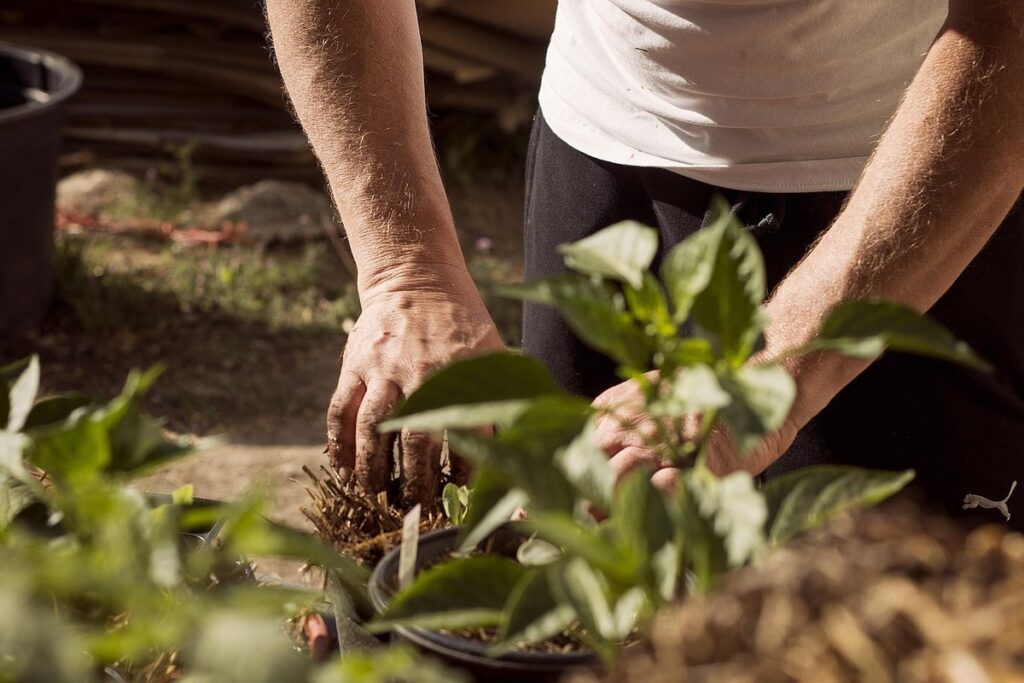
Getting started with gardening can be intimidating, but don’t worry, we’ve got you covered! This is where you’ll learn the basic steps to get your garden up and running in no time.
Understanding Your Climate and Soil Type
Understanding your local climate and soil type is essential to creating a thriving garden. The first step in determining these factors is to research your area’s climate zone. You can use online resources such as the USDA Plant Hardiness Zone Map or consult with local nurseries for more specific information.
Knowing your climate zone will help you understand what types of plants are suitable for your area and when to plant them. For example, if you live in a hot and dry climate, you’ll want to choose drought-tolerant plants that require minimal watering. On the other hand, if you live in an area with cold winters, you’ll need to select plants that can withstand frost.
To determine your soil type, start by observing its texture and color. Clay soils tend to be heavy and dense, while sandy soils are often light and loose. Loamy soils are well-balanced and ideal for most gardening needs. You can also get a more accurate reading with a DIY soil test kit or consult with a local nursery.
Preparing the garden bed is crucial to its success. Start by removing weeds and debris, then loosen the soil to a depth of about 8-10 inches. Add organic matter such as compost or manure to improve soil structure and fertility. Finally, rake the soil to create a smooth surface for planting.
Choosing the Right Plants for Your Garden
When choosing plants for your garden, several factors come into play. First and foremost is sunlight – consider how much direct sunlight your plants will receive on a daily basis. Some plants, like succulents and cacti, thrive in full sun while others prefer partial shade.
Next up is watering needs – if you tend to forget to water or live in an area with low rainfall, opt for drought-tolerant plants that require less frequent watering. Take creeping thyme, for example: this low-growing herb can survive with minimal watering and requires no maintenance beyond occasional pruning.
Hardiness zones also play a crucial role in plant selection – ensure the plants you choose are suitable for your region’s climate. Check local nurseries or gardening stores to determine which hardiness zone you’re in and select plants accordingly. Beginner-friendly options include marigolds, zinnias, and petunias, all of which require minimal care and can thrive in a variety of conditions.
When selecting low-maintenance plants, don’t be afraid to explore beyond flowers – consider herbs, succulents, or shrubs for added diversity in your garden.
Basic Gardening Tasks to Get You Started
Let’s get started with the essential tasks you’ll need to do on a regular basis, from watering and weeding to pruning and mulching. These tasks will help keep your garden healthy and thriving.
Watering Your Garden: Tips and Tricks
Watering your garden is one of the most crucial tasks in gardening. Overwatering can be just as detrimental to plants as underwatering. So, how often should you water? A good rule of thumb is to check the soil moisture by inserting a finger into the soil up to the knuckle. If it feels dry, it’s time for watering.
To avoid overwatering, observe your garden’s specific needs based on factors like climate, soil type, and plant species. For example, plants that prefer well-draining soil, like succulents, require less frequent watering. Conversely, plants with deep roots, such as trees or shrubs, may need more water.
Consider utilizing rain barrels to collect and store rainwater for irrigation. This not only reduces waste but also provides a free source of water for your garden. Drip irrigation systems are another efficient option that delivers water directly to plant roots, minimizing evaporation and runoff.
By implementing these strategies, you’ll be watering your garden with precision and saving valuable resources in the process. Remember, it’s all about finding the right balance – not too much, not too little.
Mulching and Composting: Benefits and How-Tos
Mulching and composting are two simple yet effective gardening techniques that can make a significant difference in your garden’s health and productivity. Mulch is a layer of organic material applied to the soil surface to retain moisture, suppress weeds, and regulate soil temperature. Composting, on the other hand, involves breaking down organic waste into a nutrient-rich soil amendment.
Creating a compost pile is easier than you think. Start by collecting kitchen scraps, leaves, and grass clippings in a designated area. Layer “green” materials (high in nitrogen) like food waste and grass clippings with “brown” materials (high in carbon) like dried leaves and shredded newspaper. Keep the pile moist, and turn it regularly to speed up decomposition.
When choosing mulch, consider the type of plants you’re growing. Organic mulches like wood chips or bark can help retain moisture around water-loving plants like hydrangeas and azaleas. Inorganic mulches like gravel or stone are better suited for areas with poor drainage or where moisture retention is not necessary. Some popular types of mulch include straw, pine needles, and cocoa hulls.
When using mulch, aim to apply a 2-3 inch layer around the base of your plants. Keep it a few inches away from the plant’s stem to prevent rot and disease. Regularly replenish the mulch as needed to maintain its effectiveness.
Seasonal Gardening Activities to Keep You Engaged
Whether you’re a seasoned gardener or just starting out, there are always exciting seasonal activities to try and keep your garden thriving throughout the year. Let’s explore some engaging seasonal tasks for your garden.
Spring Gardening Tasks: Preparing Your Garden for Growth
As spring arrives, it’s time to prepare your garden for new growth and vitality. One of the most important spring gardening tasks is cleaning up winter debris from your garden beds and pathways. This involves removing dead leaves, twigs, and weeds that accumulated over the winter months. Not only does this make your garden look tidy, but it also allows you to assess what needs attention as the new growing season begins.
Another essential task is pruning shrubs and trees. Pruning helps maintain their shape, promotes healthy growth, and encourages blooming. Consider using sharp, clean tools to prevent spreading diseases and taking care not to over-prune, which can shock the plant. For beginners, start with easy-to-grow plants like hydrangeas or azaleas.
Now’s also the time to plan your cool-season crops, such as broccoli, kale, or spinach. Plant these in well-draining soil and full sun to partial shade areas. Make sure to follow seed package instructions for proper spacing and depth. By completing these tasks, you’ll set yourself up for a bountiful harvest and enjoy the satisfaction of watching your garden thrive this spring season.
Summer Gardening Tasks: Maintaining a Thriving Garden
As summer arrives, it’s essential to shift your focus from planting seeds to maintaining the health and vibrancy of your garden. To keep your plants thriving during this warmest season, establish a consistent watering schedule. Watering your plants deeply but infrequently encourages deep root growth, making them more resilient to heat stress and drought. Aim to provide about 1-2 inches of water per week for mature plants.
Regular fertilization is also crucial during summer months. Use a balanced fertilizer (10-10-10 NPK) once a month to promote healthy growth and prevent nutrient deficiencies. Be mindful of over-fertilizing, as this can lead to weak, leggy growth. Instead, consider using compost tea or liquid fish emulsion for an organic boost.
Monitor your garden regularly for signs of pests and diseases. Common summer issues include aphids, whiteflies, powdery mildew, and root rot. Inspect your plants daily, and take action promptly if you spot any problems. Keep a close eye on weather forecasts to avoid fungal diseases that thrive in humid conditions. By staying vigilant and adjusting your care routine as needed, you’ll enjoy a thriving garden all summer long.
Advanced Gardening Techniques to Take Your Skills to the Next Level
Whether you’re a seasoned green thumb or looking to take your gardening skills to new heights, this advanced techniques guide is for you. Let’s dive into expert-level methods for maximizing yield and beauty in your garden.
Propagation Methods: How to Divide and Transplant Plants
When it comes to propagating plants, there are several methods you can use to multiply your favorite varieties. One of the simplest and most cost-effective ways is through division, which involves separating established plants into smaller sections to create new individuals.
To divide a plant successfully, start by gently removing the soil from around its roots using a fork or knife. Identify the crown, where the roots meet the stem, and locate any visible growth points. Carefully separate the plant into two or more sections, making sure each section has at least one growth point and some roots attached. Plant the divided sections in well-draining soil, water thoroughly, and provide adequate care.
Another method is through cuttings, which involve taking a portion of a stem or leaf and encouraging it to grow roots. You’ll need a pair of clean scissors or pruning shears for this technique. Make your cuts just above a node, where the leaf meets the stem, and remove lower leaves to prevent water from collecting.
Grafting is another advanced method that requires more skill but can be highly rewarding. This involves joining a piece of stem (scion) onto the root system of a mature plant (rootstock). You’ll need a sharp grafting knife or a specialized tool for this technique, and it’s essential to choose compatible plants for successful integration.
Keep in mind that not all plants are suitable for division, cuttings, or grafting. Research your specific varieties before attempting propagation, as some may require specialized techniques or equipment.
Companion Planting: Benefits and Examples of Different Pairings
Companion planting is an age-old gardening technique that’s easy to incorporate into your existing routine. By pairing certain plants together, you can create a harmonious ecosystem that improves soil health, repels pests, and boosts crop yields. This strategy involves selecting plants that complement each other in terms of growth habits, nutrient requirements, and pest resistance.
For instance, planting marigolds with tomatoes is a classic example of companion planting. Marigolds release chemicals that repel nematodes, microscopic worms that can harm tomato roots. By pairing basil with vegetables like lettuce and peppers, you’ll not only add fresh flavor to your salads but also attract beneficial insects that pollinate these plants.
In terms of soil health, comfrey is a remarkable addition to any garden. Its deep taproots bring up nutrients from the subsoil, making them available to other plants. When paired with strawberries or raspberries, comfrey acts as a fertilizer, promoting healthy growth and fruit production. By incorporating companion planting into your gardening routine, you’ll be amazed at how easy it is to create a thriving ecosystem that benefits all your plants.
Tips for Overcoming Common Gardening Challenges
As you nurture your garden, you’ll inevitably face obstacles – pest infestations, uneven watering, and more. Let’s tackle these common challenges together with some expert advice.
Dealing with Pests and Diseases: Prevention and Control Methods
Dealing with pests and diseases is an inevitable part of gardening. Common garden pests like aphids, whiteflies, and spider mites can quickly spread and cause significant damage to plants. Slugs and snails, on the other hand, are notorious for their ability to chew through leaves and stems at night. To prevent these pests from taking over your garden, start by introducing beneficial insects such as ladybugs or lacewings, which feed on aphids and other pests.
Regularly inspect your plants for signs of disease like yellowing leaves, black spots, or powdery mildew. Fungal diseases are often caused by excess moisture, so ensure good air circulation around your plants and avoid overwatering. To control pest populations, use organic methods whenever possible, such as introducing natural predators, using neem oil, or spraying soap solutions.
To maintain a healthy garden ecosystem, practice crop rotation to break disease cycles and reduce soil-borne pests. Keep your garden free of debris and weeds, which can harbor pests and diseases. By implementing these prevention strategies and control methods, you’ll be well on your way to creating a balanced and thriving garden environment.
Staying Motivated and Organized as a Gardener
As a gardener, it’s easy to get caught up in the excitement of planting and nurturing your garden only to feel burnt out as the seasons change. Staying motivated and organized is key to enjoying your gardening journey throughout the year.
To plan ahead and stay inspired, consider starting a gardening journal or calendar where you track what worked and what didn’t from one season to the next. Write down notes on soil types, sunlight exposure, and any challenges that arose, so you can learn from your experiences and make informed decisions for future planting sessions.
Seeking out online resources or local gardening communities is also a great way to stay engaged with other gardeners who share similar interests and challenges. Join social media groups focused on gardening in your region, attend workshops or webinars, and participate in online forums where you can ask questions, share tips, and gain new insights.
By incorporating planning, journaling, and community engagement into your gardening routine, you’ll be better equipped to handle the ups and downs of each season and stay motivated to tend to your garden with ease.
Conclusion: Why Simple Gardening Activities are Essential for Your Wellbeing
In conclusion, simple gardening activities offer numerous benefits that extend far beyond just nurturing plants. By incorporating these easy and accessible activities into your daily routine, you can significantly improve your physical and mental wellbeing. For instance, the act of getting outdoors and engaging with nature has been shown to reduce stress levels and boost mood. Even small tasks like watering or pruning can provide a sense of accomplishment and purpose. To make the most of simple gardening, try starting with one or two activities each week and gradually increasing your involvement as you become more comfortable. By doing so, you’ll be able to cultivate a deeper connection with nature and experience its rejuvenating effects firsthand.
Frequently Asked Questions
What are some simple gardening activities that can be done indoors?
You can start by propagating plants, such as leafy greens or herbs, using a propagation tray or a glass of water. This will help you develop your green thumb and get a head start on your garden. You can also practice companion planting by placing certain plants together to enhance growth and deter pests.
How often should I check my soil moisture levels when gardening?
Yes, it’s essential to check your soil moisture levels regularly, especially during hot or dry weather. Aim to water your plants when the top 2-3 inches of soil feels dry to the touch. Overwatering can be detrimental to plant health, so it’s better to err on the side of caution.
Can I use regular mulch for my garden, or do I need specialized gardening mulch?
While regular mulch can work in a pinch, using a specialized gardening mulch like wood chips or bark can provide better benefits. Gardening mulch is designed to retain moisture, suppress weeds, and regulate soil temperature, making it an ideal choice for creating a thriving garden.
How do I know which plants are suitable for my local climate and soil type?
Yes, choosing the right plants for your area is crucial for success in gardening. Research your USDA Plant Hardiness Zone and consult with local nurseries or gardening experts to determine which plants will thrive in your specific climate and soil conditions.
What’s the best way to deal with pests and diseases in my garden without using harsh chemicals?
To prevent pest and disease issues, practice integrated pest management (IPM) techniques. This includes crop rotation, companion planting, and using physical barriers or traps to deter pests. When dealing with infestations, use natural remedies like neem oil or insecticidal soap to control outbreaks.