
Are you frustrated with your root vegetable crops struggling to grow? You’re not alone. Many gardeners face the challenge of stunted root growth, whether it’s beets, carrots, or potatoes. But before you give up on these nutrient-dense veggies, let’s explore why they might not be thriving. Insufficient light, pests, and diseases are just a few common causes that can lead to poor yields.
In this article, we’ll delve into the reasons behind stunted root growth and provide practical solutions to boost your garden’s productivity. From adjusting soil conditions to implementing integrated pest management techniques, we’ll cover it all. By the end of this post, you’ll have a better understanding of how to overcome common obstacles and grow healthy, delicious root vegetables. So, let’s get started on this journey to optimize your root vegetable growth!
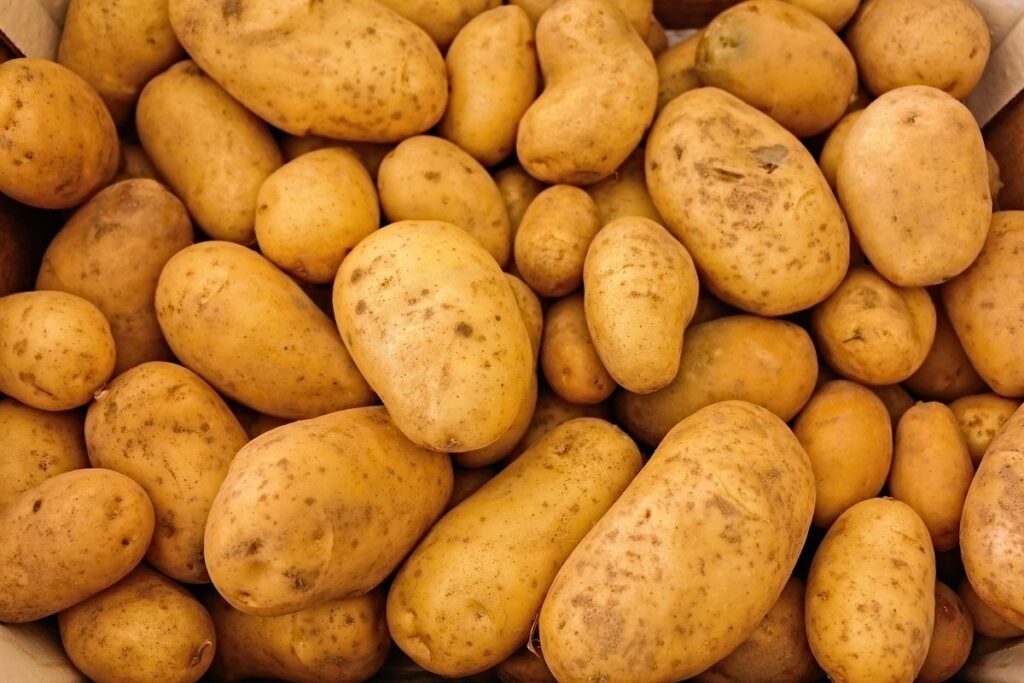
Understanding Common Issues with Root Vegetables
We’ve already discussed some of the potential causes of your root vegetables not growing, but there are also some common issues that can arise during growth. Let’s explore these common problems together.
Insufficient Light Exposure
Insufficient light exposure is one of the most common issues that can affect root vegetable growth. Light is essential for photosynthesis, a process that provides energy to plants, and inadequate lighting can hinder this process. As a result, root development and tuber formation may be negatively impacted.
Root vegetables like potatoes, carrots, and beets require at least 6 hours of direct sunlight per day to grow well. However, if the area where they are planted receives less than that, it can lead to weak or misshapen roots. This is because the plants will not have enough energy to produce the complex carbohydrates needed for root growth.
If you’re growing root vegetables and suspect that insufficient light is a problem, there are several things you can do. First, consider moving your plants to a brighter location or supplementing with grow lights. You should also check the distance between the plants and any obstructions like trees or buildings. By providing your root vegetables with adequate light, you can help them thrive and produce better yields.
Watering Frequency and Quality Concerns
Proper watering techniques are crucial for root vegetables to grow well. Overwatering is one of the most common mistakes that gardeners make when growing root vegetables like carrots, beets, and radishes. When watered excessively, these plants may become susceptible to rot and other diseases, causing them to fail to thrive or even die.
To avoid overwatering, it’s essential to ensure adequate moisture retention in the soil. You can achieve this by mixing compost into your soil before planting. This will help improve its structure and ability to hold water. Water your root vegetables deeply but infrequently, allowing the top inch of soil to dry out between waterings.
A good rule of thumb is to provide about 1-2 inches of water per week for most root vegetables. You can also use a drip irrigation system or soaker hose to deliver water directly to the roots, minimizing evaporation and runoff. Regularly check your soil’s moisture levels by inserting a finger into it up to the knuckle. If you encounter dry soil, it’s time to give them some more water.
Temperature Fluctuations
Temperature fluctuations can be a significant challenge for root vegetable growers. Extreme heatwaves or frost events can cause irreversible damage to these delicate plants. During heatwaves, roots absorb water and nutrients quickly, but if the soil temperature exceeds 85°F (30°C), it can lead to reduced growth rates and increased susceptibility to pests and diseases.
Conversely, frosts can cause physical damage to the plant’s tissues, reducing its ability to grow. To mitigate these effects during heatwaves or frost events, gardeners can take a few preventative measures. For instance, they can cover their plants with row covers to protect them from extreme temperatures. Alternatively, mulching can help retain soil moisture and regulate temperature fluctuations.
It is also essential for growers to monitor weather forecasts closely to plan accordingly. If a heatwave or frost event is predicted, they should take immediate action to safeguard their root vegetables. By understanding the impact of temperature extremes on root vegetable growth and taking proactive steps to mitigate its effects, gardeners can improve the chances of successful harvests.
Soil-Related Problems Affecting Root Vegetable Growth
Root vegetables can be particularly vulnerable to soil-related issues, such as poor drainage and nutrient deficiencies, which can hinder their growth. Let’s explore some common soil problems that may be affecting your root veggies.
Poor Soil Structure and Drainage
Poor soil structure can significantly hinder root vegetable growth, leading to several issues. One of the primary consequences is erosion, where topsoil is washed away by rainwater, exposing roots to extreme temperatures and making them more susceptible to disease. Conversely, inadequate drainage can cause waterlogging, which may lead to root rot and other problems.
Adequate soil structure is crucial for proper aeration, allowing roots to breathe and absorb nutrients efficiently. Compacted or poorly draining soils can impede these processes, ultimately affecting yield quality and quantity. To prevent such issues, gardeners should aim for a mix that balances sand, silt, and clay components, typically aiming for 50-60% of topsoil composition being made up of particles smaller than 0.02 mm.
Some key signs to watch out for include settling or slumping soil, slow water penetration rates, and reduced root growth. If you notice these symptoms, consider incorporating organic matter such as compost or well-rotted manure into your soil mix to improve its structure and drainage capabilities. Regularly tilling the area can also help loosen compacted layers, ensuring roots have enough room to develop properly.
Nutrient Deficiencies
Nutrient deficiencies are a common issue affecting root vegetable growth. These deficiencies can be caused by various factors such as poor soil quality, inadequate fertilization, and imbalanced water management. Some of the most common nutrient deficiencies that impact root vegetables include nitrogen (N), phosphorus (P), potassium (K), iron (Fe), zinc (Zn), and boron (B).
Signs of these deficiencies may manifest differently depending on the specific nutrient involved. For example, a nitrogen deficiency can cause yellowing or pale leaves, while a phosphorus deficiency can result in stunted growth or purple discoloration on stems and leaves. To identify nutrient deficiencies, it’s essential to monitor your plants closely for any unusual changes.
To correct nutrient deficiencies, start by testing your soil pH and nutrient levels. This information will guide you in choosing the right fertilizer and adjusting your fertilization schedule accordingly. You can also implement crop rotation practices to replenish soil nutrients and maintain soil health. Another option is to use organic amendments such as compost or manure tea to provide essential nutrients to your plants. Regularly inspecting your root vegetables for signs of nutrient deficiencies will help you catch any issues early on, enabling timely intervention and correction.
Contaminated or Unsuitable Soil Conditions
Soil contamination is a serious concern when it comes to growing root vegetables. Heavy metals like lead, mercury, and arsenic can seep into the soil from industrial waste, contaminated water, or even fertilizers. These toxins can accumulate in the plant’s tissues, making them unsafe for consumption.
Pathogens such as nematodes, fungi, and bacteria can also infect the soil, causing root rot, decay, or other diseases that hinder growth. Some common pathogens include Phytophthora, Pythium, and Rhizoctonia.
To detect potential contaminants in your soil, you can conduct a pH test, check for nutrient imbalances, and analyze for heavy metals using a lab test kit. For example, the US Environmental Protection Agency (EPA) recommends testing for lead levels above 300 parts per million (ppm).
If you suspect contamination, avoid planting root vegetables altogether until remediation is complete. Consider replacing the soil or starting with sterile potting mix. In some cases, you can also apply a barrier material to prevent contaminants from spreading.
Regularly maintaining good agricultural practices and using clean water sources can help minimize the risk of contamination.
Pests and Diseases Affecting Root Vegetable Plants
When it comes to root vegetables, pests and diseases can quickly put a damper on your harvest. Let’s explore some common culprits that might be harming your roots.
Identifying Common Pests
When inspecting root vegetable plants for signs of growth issues, it’s essential to identify common pests that can cause significant damage. Root vegetables such as carrots, beets, and potatoes are particularly susceptible to infestation by pests like the carrot rust fly, onion maggots, and potato beetles.
The carrot rust fly is a major pest in many regions, causing damage through its larvae feeding on plant roots and tubers. The life cycle of this pest typically spans 2-3 weeks, with females laying eggs near the soil surface. To control carrot rust flies, use physical barriers like fine mesh or fine netting to prevent female flies from reaching plants.
Onion maggots, another common pest affecting root vegetables, target onion and garlic roots, causing damage through feeding on plant tissues. Control methods for onion maggots include crop rotation, using row covers, and applying insecticides. Potato beetles also pose a significant threat, feeding on potato leaves, stems, and tubers.
In addition to these pests, check your plants regularly for signs of aphid infestations, which can weaken roots and reduce plant growth. Actionable tips for controlling pests include maintaining cleanliness in the garden, avoiding overwatering, and introducing beneficial insects like ladybugs or lacewings that prey on pest populations.
Recognizing Fungal and Bacterial Diseases
When inspecting root vegetable plants for signs of distress, it’s essential to recognize fungal and bacterial diseases that can hinder growth. These microorganisms often thrive in moist environments, making root vegetables particularly susceptible.
Fungal diseases like powdery mildew and downy mildew are common culprits. Powdery mildew appears as a white, powdery coating on leaves, while downy mildew forms yellowish patches with a fuzzy underside. These conditions can spread quickly if not addressed promptly. Bacterial diseases such as bacterial leaf spot (BLS) and soft rot also plague root vegetables.
To recognize these issues early, monitor your plants for unusual growth patterns or discoloration. Regularly inspect leaves, stems, and roots for signs of disease. Keep in mind that fungal and bacterial diseases often thrive in conditions with high humidity, poor air circulation, and inadequate crop rotation.
Prevention is key: maintain optimal temperature and moisture levels, ensure proper soil aeration, and rotate your crops regularly to avoid depleting the soil of beneficial nutrients.
Climate Change Impacts on Root Vegetable Production
Climate change is having a profound impact on root vegetable production, causing crop failures and reduced yields that can be devastating to farmers. Let’s explore how it affects this crucial food source.
Rising Temperatures and Weather Extremes
Climate change is having a profound impact on our planet’s temperature fluctuations and extreme weather events. Rising temperatures are causing root vegetable production to suffer, as these plants require specific temperature conditions to thrive. A 2°C rise in global temperatures can lead to a decrease in root vegetable yields by up to 10%. This is because many root vegetables, such as carrots and beets, are sensitive to heat stress.
Extreme weather events like droughts, floods, and heatwaves are becoming more frequent and severe due to climate change. For example, the 2018 European heatwave caused widespread damage to root vegetable crops, resulting in losses of up to €1 billion. To mitigate these effects, farmers can implement strategies such as crop rotation, soil conservation, and irrigation management. These techniques can help root vegetables adapt to changing temperature conditions and reduce their vulnerability to extreme weather events. By taking proactive steps, we can ensure a more stable and resilient root vegetable supply chain in the face of climate change.
Changes in Precipitation Patterns
Changes in precipitation patterns are significantly impacting root vegetable production worldwide. Droughts and excessive rainfall events can severely affect crop growth, leading to reduced yields and lower quality produce. Root vegetables, such as carrots, beets, and potatoes, rely on consistent moisture levels for proper development.
Drought conditions can cause root vegetables to become concentrated in flavor but smaller in size. This is because the plant prioritizes water conservation over growth, resulting in a stunted or deformed root system. On the other hand, excessive rainfall can lead to rot and decay, as the soil becomes waterlogged and oxygen-starved.
Farmers can mitigate these effects by implementing more resilient crop varieties, adjusting irrigation schedules, and using mulch to retain moisture. For example, some farmers are experimenting with drought-tolerant carrot varieties that require less water but maintain their quality. Others are adopting precision agriculture techniques to optimize water use based on soil type and weather forecasts.
When planning your root vegetable crops, consider the precipitation patterns in your area and make informed decisions about crop selection, planting schedules, and irrigation strategies. This proactive approach can help minimize the negative impacts of changing precipitation patterns on your yield and overall profitability.
Preventative Measures to Enhance Root Vegetable Yields
To ensure your root vegetable yields flourish, it’s essential to take proactive steps against common issues that can hinder growth. Let’s explore some key preventative measures you can implement.
Crop Rotation Strategies
Crop rotation is a simple yet effective strategy to enhance root vegetable yields while preserving soil health and minimizing pest management issues. By regularly changing the type of crop grown on a particular plot, you can break disease and pest cycles, replenish nutrients, and maintain optimal soil fertility. For instance, planting legumes like beans or peas after brassicas (broccoli, cauliflower) helps to reduce club root disease prevalence.
To implement effective crop rotation for root vegetables, start by identifying the common pests and diseases associated with your crops. For example, beets are susceptible to leaf spot, while carrots are often affected by rust. Once you’ve identified these issues, create a rotating plan that includes complementary plants to repel or attract beneficial insects. This can include marigolds to deter nematodes in carrots or nasturtiums to prevent aphids in beets.
By incorporating crop rotation into your root vegetable cultivation routine, you’ll not only improve soil health but also reduce the reliance on chemical pesticides and fertilizers.
Integrated Pest Management (IPM) Techniques
When it comes to growing root vegetables, pests and diseases can quickly become major obstacles. That’s where Integrated Pest Management (IPM) techniques come into play. IPM is a holistic approach that combines physical, cultural, biological, and chemical controls to minimize harm to the environment and human health.
At its core, IPM involves monitoring your crop regularly for signs of pests or diseases. This can include checking for unusual coloration, holes in leaves, or actual insects like aphids or whiteflies. Once you’ve identified a problem, it’s essential to choose an effective control method. For example, if you’re dealing with carrot rust flies, you might use fine-mesh row covers to prevent egg-laying.
For larger-scale infestations, consider introducing beneficial nematodes or other natural predators that target specific pests. Always read the label and follow instructions carefully when using chemical controls, and opt for organic options whenever possible. By monitoring, identifying, and controlling pests effectively, you’ll not only protect your crop but also reduce your environmental footprint.
Additional Tips and Considerations for Root Vegetable Growers
As you’ve worked through the common causes and solutions, you may still be wondering how to fine-tune your root vegetable growing skills. Let’s review some extra tips to help you achieve success.
Record Keeping and Monitoring
Keeping accurate records of soil conditions, weather patterns, and crop performance is crucial for improving future harvests. By tracking these key factors, you can identify trends and make data-driven decisions to optimize your root vegetable growing strategies.
Start by creating a spreadsheet or using a gardening app to log daily observations, including temperature, precipitation, and soil moisture levels. Record the type of weather event (e.g., drought, flood) and its duration to gain insight into how it may have affected your crop’s growth.
Monitor crop performance by tracking metrics such as germination rate, transplant success, and harvest yields. Note any issues that arise, like pest or disease infestations, and the measures taken to address them. This information will help you pinpoint specific challenges and adjust your growing strategies accordingly.
By regularly reviewing and updating your records, you’ll develop a more nuanced understanding of what works best for your unique climate and soil conditions. This knowledge can be invaluable in predicting and preparing for future growing seasons, ultimately leading to healthier, more productive root vegetable crops.
Scaling Up or Down: Adapting Your Approach
As you continue to grow root vegetables, it’s essential to be adaptable and adjust your approach based on changing climate conditions, market demand, or personal preferences. You may find that what works for you one season doesn’t work the next, and being flexible can make all the difference.
If you’re experiencing a particularly hot or dry season, consider adjusting your watering schedule to minimize stress on your plants. Conversely, if you’re dealing with excess rainfall, implement techniques like mulching or cover cropping to reduce erosion and retain moisture in the soil. For example, using a drip irrigation system can be an efficient way to deliver water directly to the roots of your plants while minimizing evaporation.
On the other hand, changes in market demand may require you to shift your focus from one type of root vegetable to another. Perhaps customers are clamoring for sweet potatoes due to their high nutritional value and versatility. In this case, consider scaling up your sweet potato production by allocating more space in your garden or investing in specialized tools like a potato harvester.
Finally, personal preferences can also influence your approach to growing root vegetables. For instance, if you’re interested in trying new varieties or experimenting with unique recipes, you may want to dedicate a portion of your garden to trial and error. By being open to change and willing to adjust your methods as needed, you’ll be better equipped to overcome challenges and achieve success in the face of uncertainty.
Frequently Asked Questions
Can I still grow root vegetables in a shaded area?
Yes, but you may need to adjust your expectations for yield and size. While most root vegetables require full sun, some varieties can tolerate partial shade. Consider planting shade-tolerant options like beets or turnips, and make sure the soil is well-draining to prevent waterlogged conditions.
How often should I check my soil for nutrient deficiencies?
Regularly monitoring your soil’s pH and nutrient levels is crucial to preventing deficiencies. Check your soil at least twice a season, once in spring and again after harvest, using a DIY kit or sending samples to a lab for analysis. Adjust your fertilization schedule accordingly based on the results.
What if I’m growing root vegetables in containers? How can I prevent stunted growth?
When growing in containers, it’s essential to choose varieties specifically bred for container gardening. Ensure good drainage by using well-draining potting mix and avoid overwatering, which can lead to root rot. Also, consider using a trellis or other support system to help plants grow upwards and reduce crowding.
Can I use compost tea as a fertilizer for my root vegetables?
Yes, compost tea is a natural and effective way to provide beneficial microbes to your soil. Steep 1-2 cups of compost in 5 gallons of water for 24 hours, then use the liquid as a foliar spray or add it to the soil around your plants. This can help improve soil structure, reduce pests, and promote healthy root growth.
What if I’ve identified a pest issue but don’t know how to get rid of it? Where can I find more information?
If you’re struggling with a specific pest issue, consult online resources like gardening forums or extension websites for guidance. Additionally, consider reaching out to local nurseries, gardening clubs, or your county extension office for advice from experienced growers and experts in the field.