
Heritage vegetable varieties are a treasure trove of flavors, textures, and colors that can add excitement to your cooking routine. But they’re more than just a culinary delight – they also play a vital role in preserving biodiversity, promoting nutritional diversity, and supporting local food systems. As we increasingly focus on sustainability and environmental stewardship, it’s essential to explore the unique characteristics of these heirloom varieties. From their rich history to their health benefits, we’ll delve into the importance of preserving heritage vegetables. In this article, we’ll highlight the advantages of incorporating these varieties into your garden or pantry, explore their nutritional profiles, and share some creative ways to bring them to life in the kitchen. Whether you’re a seasoned gardener or a curious cook, this journey will inspire you to explore the rich world of heritage vegetables.
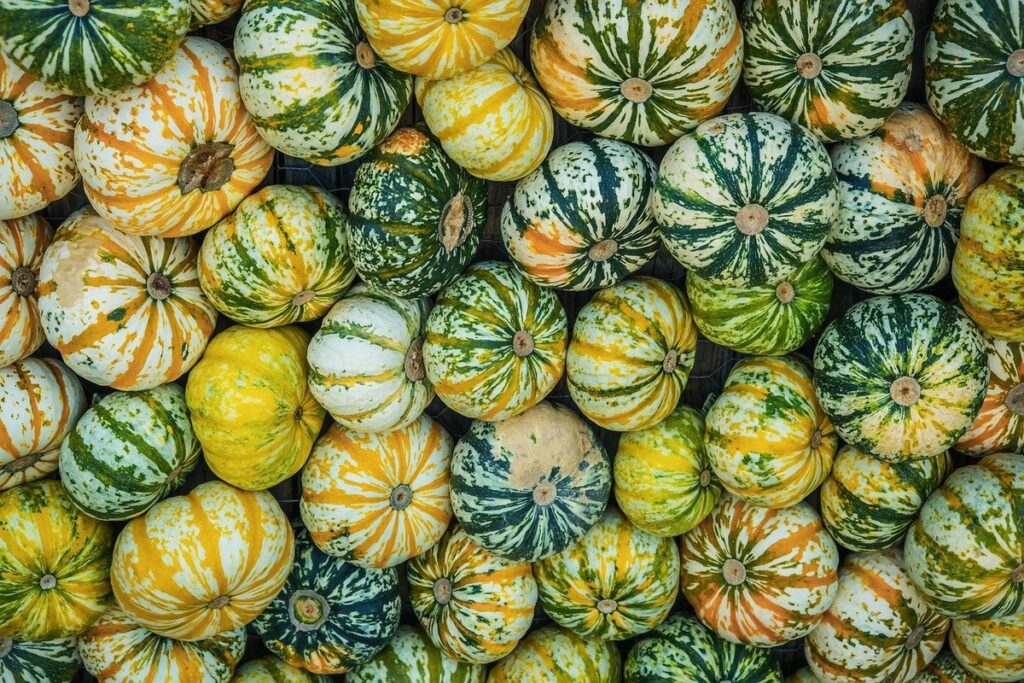
The Significance of Preserving Heirloom Vegetables
As we explore the world of heritage vegetable varieties, it’s essential to understand why preserving these unique plants is so crucial for our culinary and environmental future. Let’s dive into what makes heirloom vegetables truly special.
Importance of Biodiversity in Vegetable Production
Preserving heritage vegetable varieties is crucial for maintaining agricultural biodiversity and reducing our reliance on monoculture farming practices. By saving these heirloom varieties, we can ensure the long-term health of our ecosystems and the food we produce.
Monoculture farming, where a single crop is grown in large quantities, has led to soil degradation, water pollution, and loss of genetic diversity. In contrast, heritage vegetable varieties offer a diverse range of characteristics that make them more resilient to pests and diseases. For instance, the ‘Brandywine’ tomato variety is resistant to nematodes, a common pest that can devastate tomato crops.
To incorporate heritage vegetables into your garden or farm, start by selecting a few varieties that suit your climate and growing conditions. Research their specific needs, such as light, water, and soil requirements. You can also experiment with companion planting, where different vegetables are grown together to enhance growth and reduce pests. By doing so, you’ll not only be preserving biodiversity but also cultivating healthier and more resilient crops.
History and Evolution of Heirloom Vegetables
Heirloom vegetables have been a staple in gardens and kitchens for centuries, with origins dating back to ancient civilizations. These unique varieties were cultivated and selectively bred over time to adapt to local climates, soil conditions, and cultural preferences. Each heirloom vegetable has its distinct characteristics, such as size, color, flavor, and texture.
As agriculture developed, farmers began experimenting with cross-breeding plants to create new varieties that were more resilient and productive. This process led to the creation of hybrid vegetables, which eventually replaced many heirloom varieties in commercial production. However, a growing interest in preserving biodiversity and promoting sustainable agriculture has sparked a renewed focus on heirloom vegetables.
Today, gardeners and farmers are rediscovering the value of these ancient varieties, which offer unique flavors, textures, and colors that modern hybrids often lack. By saving and sharing seeds from heirloom vegetables, enthusiasts can help preserve genetic diversity and keep traditional growing practices alive.
Characteristics and Types of Heritage Vegetables
Heritage vegetables come in a wide range of characteristics, from unique flavors and textures to varying growth habits and maturity times. Let’s take a closer look at what sets them apart.
Unique Flavor Profiles and Textures
Heritage vegetables are known for their unique flavor profiles and textures that set them apart from modern varieties. Take the Black Spanish Radish, for instance. Its pungent flavor is unlike anything found in contemporary radishes, and its crunchy texture adds a satisfying depth to salads and other dishes.
The Blue Hubbard Squash is another example of a heritage vegetable with an unmistakable character. Its sweet, nutty flavor is often used in soups and stews, while its dense, moist flesh makes it perfect for roasting or baking. When working with these unique varieties, cooks must adapt their techniques to coax out the best flavors.
To get started, try experimenting with small batches of heritage vegetables in your kitchen. Taste and record the flavor profiles of different varieties to develop a sense of their individual characteristics. This will help you choose the right cooking methods and pairings for each variety. With practice and patience, you’ll become proficient at highlighting the unique qualities of these heirloom vegetables.
Adaptability and Resilience
Heritage vegetables have been cultivated for centuries, and their adaptability has allowed them to thrive in various climates and growing conditions. Throughout history, farmers have selectively bred these varieties to suit the specific needs of their regions, resulting in a diverse range of crops that can tolerate extreme temperatures, humidity levels, and soil types.
For example, the ‘Rouge d’Hiver’ beet variety from France is resistant to cold temperatures, making it ideal for winter harvests. Similarly, the ‘Australian Buttercrunch’ lettuce variety is bred to withstand high heat and drought conditions common in its native region. These traits make heritage vegetables valuable resources for modern farmers facing climate change and environmental challenges.
When reviving heritage varieties, farmers can benefit from their adaptability by growing them in a range of conditions. By experimenting with different growing techniques and observing the performance of these crops, farmers can unlock new knowledge about how to cultivate resilient and productive harvests.
Benefits of Growing Heritage Vegetables
Growing heritage vegetables can bring a wealth of benefits, from unique flavors and textures to improved nutrition and resilience. Let’s explore some of these advantages together.
Increased Crop Diversity and Reduced Pesticide Use
Growing heritage vegetables is not just about preserving history; it’s also an opportunity to transform modern farming practices. By incorporating these diverse varieties into our agricultural systems, we can achieve a trifecta of benefits: increased crop diversity, reduced pesticide use, and improved soil health.
Crop diversity is the foundation of a resilient food system. Heritage vegetables offer a unique genetic pool that can help farmers adapt to changing environmental conditions, such as climate change and pests. For example, the ‘Brune d’Hiver’ beet variety from France is more resistant to drought than its modern counterparts. By growing this heritage variety, farmers can reduce their reliance on irrigation systems and minimize water waste.
Reducing pesticide use is another significant advantage of heritage vegetables. Many of these varieties have developed natural defense mechanisms over centuries, making them less susceptible to pests and diseases. This means that farmers can avoid using chemical pesticides, which not only harm the environment but also contaminate soil and water sources.
Enhanced Nutrition and Flavor
When you grow heritage vegetable varieties, you’re not only preserving a piece of history but also providing yourself and others with access to nutrient-dense foods that are rich in unique flavors. These varieties have been developed over centuries through careful selection and adaptation to specific climates and soil conditions, resulting in a more diverse range of nutritional profiles compared to modern commercial varieties.
Many heritage vegetables are higher in antioxidants, fiber, and vitamins than their modern counterparts. For example, heirloom tomatoes have been found to contain up to 25% more lycopene than commercial tomato varieties. This increased nutritional value is particularly beneficial for health-conscious consumers seeking to boost their intake of essential micronutrients.
To experience the unique flavors associated with heritage vegetables, try growing your own and experimenting with different recipes. One way to enhance the flavor of heritage greens like kale or collard greens is by massaging them with olive oil and lemon juice before cooking. This simple preparation method helps to break down the cell walls, making the vegetables easier to digest and more flavorful.
When choosing heritage vegetable varieties, be sure to research their specific growth requirements and climate adaptations to ensure you can provide the best possible conditions for success. By doing so, you’ll not only enjoy a bountiful harvest but also contribute to the preservation of these precious genetic resources for future generations.
Challenges in Preserving Heritage Vegetables
Preserving heritage vegetables can be a delicate process, as many varieties are sensitive to modern farming practices and storage conditions. This makes it essential to adapt preservation methods for each unique variety.
Threats to Biodiversity and Preservation Efforts
The preservation of heritage vegetable varieties is a delicate task that faces numerous threats. Habitat destruction and fragmentation are among the most significant challenges. As natural habitats shrink and become isolated, the populations of rare and unique heritage vegetables dwindle, making them increasingly vulnerable to extinction. Climate change exacerbates this issue by altering ecosystems and disrupting plant reproduction cycles.
Climate change also accelerates the spread of pests and diseases that target these sensitive varieties. A lack of funding for preservation efforts is another major concern. Many organizations struggle to secure sufficient resources to maintain seed banks, conduct research, and educate farmers about heritage vegetable cultivation. Furthermore, the increasing commercialization of agriculture often prioritizes high-yielding, disease-resistant hybrids over traditional varieties.
To combat this, enthusiasts can support local farmers who specialize in heritage vegetables by purchasing their produce directly or joining community-supported agriculture programs. Governments can also establish policies to protect biodiversity and provide funding for preservation initiatives.
Solutions and Initiatives for Conservation
There are many initiatives underway to conserve and promote heritage vegetable varieties. One such example is the establishment of seed banks, which serve as a repository for seeds from endangered and rare varieties. These banks provide a safeguard against loss and ensure that unique traits and characteristics are preserved for future generations. For instance, the Svalbard Global Seed Vault in Norway stores seeds from over 1 million crop accessions, including heritage vegetable varieties.
Community-supported agriculture (CSA) programs also play a vital role in promoting heritage vegetables. These programs connect consumers directly with farmers who grow heirloom and rare varieties, fostering a sense of community and supporting the preservation of these unique crops. By choosing to purchase produce from CSAs that specialize in heritage vegetables, consumers can help promote their conservation.
In addition to seed banks and CSAs, there are also organizations dedicated to preserving heritage vegetable varieties through education and outreach programs. These initiatives aim to raise awareness about the importance of conserving these unique varieties and provide training for farmers on sustainable growing practices. By supporting these efforts, we can work together to revive heritage vegetable varieties and ensure their continued existence for generations to come.
Growing Heritage Vegetables in Your Garden
Growing heritage vegetables can be a fun and rewarding experience, especially when you’re growing varieties that have been preserved for generations. Let’s dive into the basics of cultivating these unique varieties.
Choosing the Right Varieties for Your Climate
When growing heritage vegetables in your garden, it’s essential to choose varieties that are well-suited for your local climate and growing conditions. This means considering factors like frost tolerance, sunlight requirements, and moisture levels.
For example, if you live in a region with harsh winters, look for heritage vegetable varieties that are specifically bred for cold climates or have natural resistance to frost. Some popular heritage vegetables that fit the bill include Brussels sprouts, kale, and cabbage – all of which can tolerate light frosts and continue to produce throughout the winter months.
On the other hand, if you live in a warmer region with long summers, choose heritage varieties that thrive in heat and sunlight. Tomatoes, peppers, and eggplants are great options for warm climates, but make sure to select varieties that are resistant to heat stress and sunscald.
When selecting heritage vegetables, also consider their moisture requirements. Some varieties, like sweet potatoes and pumpkins, prefer well-drained soil and full sun, while others, like lettuce and spinach, require more consistent moisture levels.
It’s also worth noting that many heritage vegetable varieties have been bred for specific growing conditions over centuries, so do your research to find the perfect fit for your garden.
Tips for Successful Cultivation and Care
When growing heritage vegetables, their unique characteristics can make them more finicky than modern varieties. However, with proper care and attention, you can successfully cultivate these heirloom treasures.
To start, prepare your soil with a focus on rich organic matter. Heritage vegetables often prefer well-draining, fertile soil that’s teeming with life. Add compost or well-rotted manure to improve the soil structure and fertility. Test your soil pH to ensure it falls within the optimal range for your specific heritage variety.
Watering should be done carefully, as heritage vegetables can be sensitive to overwatering. Aim to provide about 1 inch of water per week, either from rainfall or irrigation. Mulch around plants to retain moisture and suppress weeds.
Keep an eye out for pests that might target your heritage vegetables. Encourage beneficial insects by introducing companion plants like marigolds or nasturtiums. Use neem oil or other organic pest control methods whenever necessary. By following these tips, you’ll be well on your way to successfully cultivating your prized heritage vegetables.
Conclusion: The Future of Heritage Vegetable Varieties
As we conclude our journey through reviving heritage vegetable varieties, let’s take a look at what the future holds for these unique and precious crops.
Preserving the Past for a Sustainable Future
As we conclude our journey through the world of heritage vegetable varieties, it’s essential to emphasize the significance of preserving these gems for future generations. Not only do they hold a piece of history and cultural identity, but they also play a vital role in promoting biodiversity, improving nutrition, and enhancing culinary experiences.
Heritage vegetables come in an astonishing array of shapes, sizes, colors, and flavors – each one unique to its specific region or community. By preserving these varieties, we ensure the continuation of traditional farming practices that have been passed down through generations. This preservation also safeguards the rich cultural heritage associated with these crops, which is often tied to family traditions, folklore, and local cuisine.
The importance of biodiversity cannot be overstated. With the increasing popularity of industrial agriculture, many heirloom varieties are at risk of being lost forever due to hybridization and monoculture farming practices. By preserving heritage vegetables, we maintain the genetic diversity that makes our food system resilient and adaptable. This means that even in times of climate change or pests, these crops can still thrive.
In addition to their ecological benefits, heritage vegetables often boast higher nutritional value compared to modern varieties. They are more likely to be rich in antioxidants, vitamins, and minerals due to their unique characteristics and growth patterns. For example, the Purple Peruvian potato is an excellent source of fiber, vitamins, and minerals that are essential for maintaining healthy blood pressure.
As you embark on your own journey to explore heritage vegetable varieties, consider the following tips: visit local farmers’ markets or nurseries that specialize in heirloom crops; join a community garden or start one in your neighborhood; and experiment with new recipes using these unique ingredients. By doing so, not only will you be preserving the past for future generations, but also enriching your own culinary experiences with the diverse flavors and textures of heritage vegetables.
Frequently Asked Questions
How do I choose the right heritage vegetable varieties for my garden or pantry?
Consider factors like climate, soil type, and personal preferences when selecting heirloom varieties. Research specific growing requirements and recommended uses for each variety to ensure a successful harvest.
What are some common challenges in preserving heritage vegetables, and how can I overcome them?
Threats to biodiversity and preservation efforts include monoculture farming practices, disease susceptibility, and lack of market demand. To overcome these challenges, focus on building a diverse garden ecosystem, practicing integrated pest management, and promoting heirloom varieties through local markets.
How do I ensure the long-term health and sustainability of my heritage vegetable crop?
Implement crop rotation strategies to maintain soil fertility and reduce pests and diseases. Monitor weather patterns and adjust your growing schedule accordingly to minimize risks associated with climate change. Consider incorporating companion planting techniques for added resilience.
Can I grow heritage vegetables in containers, or do they require extensive garden space?
Many heirloom varieties can thrive in container gardens, provided you choose compact or dwarf varieties suitable for smaller spaces. Ensure adequate sunlight, water, and nutrient-rich soil to promote healthy growth.
How can I involve my community or family members in preserving heritage vegetable varieties?
Host workshops, gardening events, or cooking classes to share knowledge about heirloom vegetables and engage others in preservation efforts. Collaborate with local schools or community gardens to develop educational programs and promote hands-on learning experiences.