
As an avid gardener or cook, you’re likely no stranger to the pungent aroma of freshly harvested garlic. But have you noticed that your cloves seem to be sprouting prematurely in October? This unexpected development can be both exciting and puzzling, especially if you’re not sure what it means for your crop’s quality and yield.
In this article, we’ll explore why garlic tends to sprout early in the fall season, also known as “green garlic” or “spring garlic.” We’ll dive into the benefits of early harvesting, including increased crop yields and enhanced flavor profiles. You’ll learn how to manage the premature sprouting process to get the most out of your harvest while still enjoying a delicious and aromatic crop. By the end of this article, you’ll be equipped with the knowledge to tackle even the most unexpected challenges in your garlic garden.
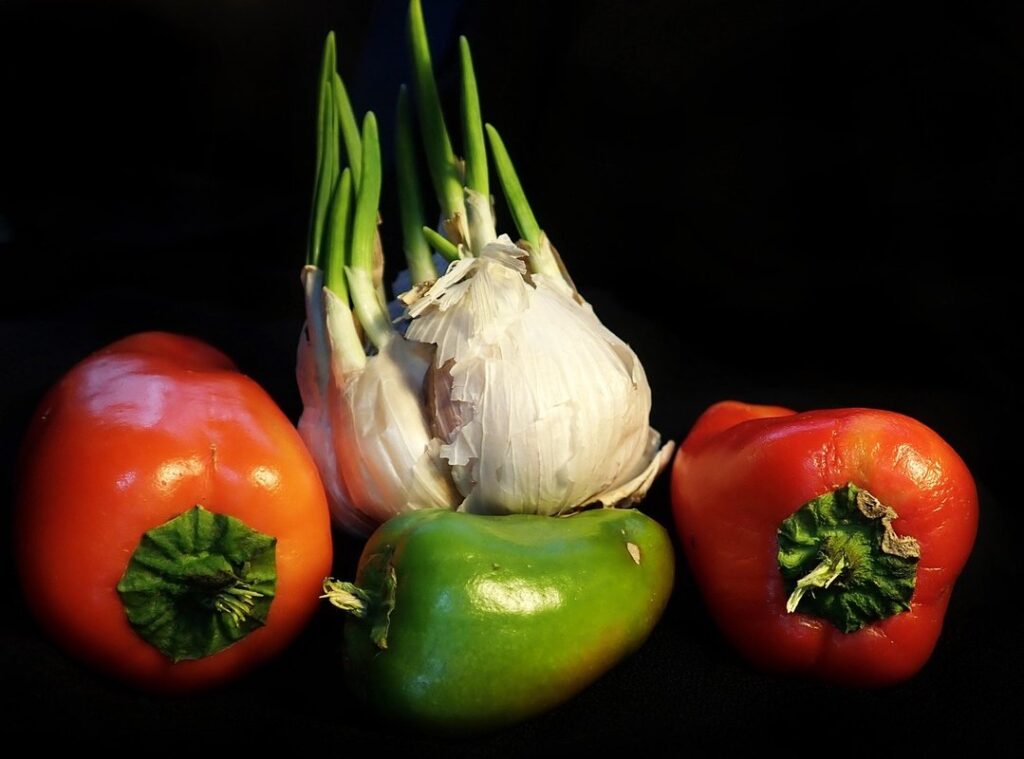
Causes of Premature Garlic Sprouting in October
When your garlic starts sprouting prematurely in October, it’s likely due to one of several reasons, including excessive moisture and temperature fluctuations. We’ll explore these causes in more detail below.
Climate Change and Weather Conditions
Climate change is not only affecting global temperatures but also influencing local weather patterns. This can lead to unpredictable temperature fluctuations that may trigger garlic sprouting prematurely. For instance, a sudden warm spell in October might cause the cloves to break dormancy and send up shoots.
Increased temperature fluctuations are especially concerning for gardeners who rely on specific climate conditions to control the sprouting process. A study by the University of California, Davis found that warmer temperatures can reduce the length of time it takes for garlic to sprout, with some varieties showing significant reductions in dormancy period. This means that even if you’ve successfully stored your garlic bulbs at a cool temperature, the sudden change in weather might trigger premature sprouting.
As gardeners, we need to be aware of these changes and take proactive steps to manage the sprouting process. One strategy is to store garlic in a location with stable temperatures between 35°F and 45°F (2°C and 7°C). You can also monitor local weather forecasts to anticipate any temperature fluctuations that might affect your garlic bulbs. By being more mindful of these factors, you can better control the timing of sprouting and avoid losses due to premature growth.
Soil Temperature and Moisture Levels
Soil temperature and moisture levels play a crucial role in determining whether garlic bulbs remain dormant or start sprouting prematurely. Garlic bulbs typically require a period of cold temperatures to break dormancy before they can begin growing new cloves. However, if the soil temperature rises too quickly, it can trigger early sprouting.
Adequate moisture is also essential for maintaining garlic bulb dormancy. If the soil remains too dry for an extended period, it can stimulate premature growth. Conversely, excessive water can lead to rot and fungal diseases that can further exacerbate the problem of unwanted sprouts.
To manage these conditions, it’s essential to monitor your garlic bed’s temperature and moisture levels closely. Mulching or covering the area with a frost blanket can help regulate soil temperatures and prevent sudden spikes. Similarly, regular watering, taking care not to overwater, will maintain optimal moisture levels and reduce the likelihood of premature sprouting.
You can also plant garlic cloves at the correct depth to minimize exposure to changing temperature conditions. A general rule is to bury them about 4-6 inches deep, which helps protect against extreme temperatures.
Varietal Influence on Garlic Sprouting
While climate change and storage conditions play significant roles in garlic sprouting, it’s also intriguing to explore whether certain varieties are more prone to premature sprouting due to genetic factors or breeding practices. Research suggests that the genetic makeup of garlic can influence its propensity for sprouting.
For instance, some popular garlic varieties like Silverskin and Softneck tend to have a higher sprouting rate compared to their Hardneck counterparts. This might be attributed to the differences in their bulb structure and dormancy mechanisms. Silverskins and Softnecks often produce more leaves and smaller cloves, which can lead to increased moisture retention and subsequently encourage sprouting.
On the other hand, varieties like Elephant and Rocambole exhibit lower sprouting rates due to their larger, tighter-closed bulbs that naturally slow down water uptake and minimize moisture accumulation. It’s essential for growers to consider these varietal differences when selecting garlic for planting or storage.
If you’re concerned about premature sprouting in your specific variety, start by evaluating the growth habits and bulb structure of your garlic crop. Keep an eye on your storage conditions as well – maintaining a consistent temperature below 32°F (0°C) can help slow down sprouting.
Benefits of Garlic Sprouting in October
As you navigate the process of garlic sprouting in October, understanding its benefits is crucial to making the most of your harvest. We’ll explore the advantages of this specific timing for garlic growth.
Early Harvesting Opportunities
One of the most exciting aspects of garlic sprouting in October is the opportunity to harvest earlier than usual. This can bring a multitude of benefits, particularly when it comes to storage needs and fresh market sales.
For one, early harvesting reduces the need for long-term storage, which can be a major concern for growers who may not have ample space or resources to store their crop until next year’s planting season. By harvesting in October, you’ll avoid the hassle of storing garlic bulbs over winter, minimizing the risk of rot and mold.
Furthermore, early-harvested garlic is ideal for fresh market sales. The cloves are typically smaller and more delicate than those harvested later in the season, making them perfect for using in recipes or selling as “new crop” garlic. You can also consider value-adding by packaging and marketing your early harvest as a unique product, such as “October’s Finest Garlic” or “Early Harvest Delight”. This can help you tap into the demand for fresh, locally-grown produce during the fall season.
Keep in mind that early harvesting may require some adjustments to your typical harvesting process. Be sure to check the bulbs regularly for readiness, and harvest at the optimal time to ensure maximum quality and flavor.
Increased Crop Yields
While premature sprouting of garlic in October may seem like a setback, it can actually have some unexpected benefits. In certain cases, a premature sprouting event can lead to increased crop yields due to factors such as improved soil fertility or optimal growing conditions.
For instance, if the soil has received ample rainfall and nutrient-rich fertilizers, the garlic bulbs may respond by producing more offsets, resulting in higher overall yield. Similarly, if the climate is favorable, providing the right amount of sunlight, temperature, and moisture, the garlic plants may grow stronger and healthier, leading to a better harvest.
This phenomenon can be attributed to the garlic’s natural adaptation mechanism, where it responds to its environment by producing more growth points to maximize its chances of survival. However, it’s essential to note that this doesn’t always occur, and premature sprouting can also lead to reduced yields or poor bulb quality. As a gardener, it’s crucial to monitor your garlic crop closely and take necessary measures to prevent damage from excessive moisture or extreme weather conditions. By doing so, you can potentially capitalize on the benefits of premature sprouting and enjoy a more bountiful harvest.
Enhanced Flavor Profiles
When garlic bulbs are exposed to partial sprouting in October, it’s not uncommon for them to develop distinct flavor profiles when harvested prematurely. This phenomenon has been observed by many gardeners and chefs who swear by the unique taste characteristics of these partially sprouted garlic bulbs.
The partially sprouted garlic exhibits a more pronounced depth of flavor, with notes of sweetness and a hint of bitterness. This is due to the increased concentration of enzymes that occur as the bulb begins to sprout. The sprouting process triggers a chemical response within the bulb, breaking down its cell walls and releasing a burst of flavors.
For example, chefs have reported that partially sprouted garlic adds a rich, savory flavor to dishes like roasted meats and vegetables. Some even use it as an ingredient in their signature sauces and marinades. If you’re looking to infuse your cooking with a new level of depth and complexity, consider harvesting your partially sprouted garlic bulbs in October and experimenting with their unique flavor profiles.
Keep in mind that the optimal time for harvest depends on personal preference and desired intensity of flavors. Harvesting too early may result in a milder flavor, while waiting longer can intensify the bitterness.
Managing Premature Garlic Sprouting
If you’re finding green shoots poking out of your October garlic bulbs, it’s likely premature sprouting. This section will offer tips for addressing this issue and promoting healthy bulb development.
Monitoring Soil Temperature and Moisture
Monitoring soil temperature and moisture levels is crucial when it comes to managing premature garlic sprouting. A good understanding of these factors can help you identify the root cause of sprouting issues and take corrective action.
To monitor soil temperature, consider using a soil thermometer. This simple tool allows you to gauge the temperature at different depths in your soil bed. Aim for temperatures between 40°F (4°C) and 50°F (10°C), as this range is ideal for garlic bulb formation.
When it comes to moisture levels, a soil moisture meter can be an invaluable asset. These meters give you accurate readings on soil moisture content, helping you determine if your soil is too dry or waterlogged. Aim for moist but not waterlogged conditions, as excessive moisture can lead to rot and sprouting.
By monitoring these factors regularly, you’ll be better equipped to address premature garlic sprouting issues and promote healthy bulb formation.
Implementing Mulching Techniques
Applying organic mulch is an effective technique to regulate soil temperature and maintain optimal moisture levels for garlic growth. By creating a barrier between the soil and air, mulching helps prevent extreme fluctuations in temperature, which can trigger premature sprouting.
Choose an organic mulch that will not harbor pathogens or compete with your garlic for water and nutrients. Examples of suitable options include straw, grass clippings, wood chips, or pine needles. When applying mulch, spread it evenly to a depth of 2-3 inches around the garlic bulbs. Be cautious not to cover the actual bulb itself, as this can cause rot.
Regularly monitoring soil moisture and adjusting mulching levels is crucial. A well-mulched area typically requires less watering, but you should still check for dryness every week or two. To ensure proper air circulation, gently rake the surface of the mulch once a month to avoid compaction.
By maintaining an optimal environment through mulching, you can reduce the likelihood of premature garlic sprouting and promote healthier bulb development.
Considering Pre-Sprouting Treatments
Considering pre-sprouting treatments can be a viable option for inducing dormancy in garlic bulbs. One approach is to use chemical treatments, such as ethylene gas or growth regulators like Ethephon or 1-MCP. These chemicals work by inhibiting the production of ethylene, a hormone that promotes sprouting.
For example, some farmers have successfully used controlled atmosphere storage (CAS) facilities to store garlic bulbs at high humidity and low oxygen levels. This environment slows down the sprouting process, allowing for longer storage periods. However, such facilities can be costly to establish and maintain.
Another alternative is to use specialized storage containers or bags that allow for optimal ventilation while maintaining a stable temperature. These containers can help regulate the environment around the garlic bulbs, slowing down the sprouting process. It’s essential to research and choose the right product that suits your specific needs.
Before trying any pre-sprouting treatment, it’s crucial to ensure you understand the risks and benefits associated with each method. Some chemicals may have negative side effects on the bulb’s quality or even toxicity concerns.
Frequently Asked Questions
What if I’ve already harvested my garlic crop, but some cloves are still sprouting? Can I use them?
You can still use the green garlic or spring garlic for cooking, even after harvesting your main crop. Simply trim off any large sprouts and use the smaller shoots as you would regular garlic. The flavor will be milder and sweeter.
How do I know if my garlic is ready to harvest now that it’s sprouting?
Check for a minimum of three green shoots emerging from each bulb, typically around 6-8 inches tall. Harvest when the tops begin to yellow or fall over naturally. This usually indicates maturity and readiness for use as “green garlic.”
Can I prevent premature garlic sprouting in future seasons by changing my growing conditions or techniques?
While you can’t completely eliminate premature sprouting, implementing mulching techniques and monitoring soil temperature and moisture levels closely may help reduce the likelihood of early sprouting. This requires regular attention to your garden’s microclimate.
What if I want to maintain a consistent flavor profile for my garlic crop? How should I manage premature sprouting?
For a more consistent flavor, aim for a single harvest period rather than harvesting individual cloves as they sprout. If you do choose to harvest green garlic, use it within a few days of harvest for the best flavor.
Will climate change have an impact on future garlic crops, making premature sprouting even more common?
Yes, climate change is likely to lead to increased temperature fluctuations and unpredictable weather patterns, which may cause more garlic cloves to sprout prematurely. Be prepared to adapt your growing strategies as conditions continue to shift.