
If you’re like many gardeners, there’s nothing more frustrating than watching your fruit trees struggle to bear fruit. Despite proper care and attention, your trees just aren’t producing the yields you expect. But don’t worry, you’re not alone! Fruit tree bearing problems are common, and often, they can be solved with a little detective work.
In this article, we’ll delve into the top causes of fruit tree bearing problems, from environmental factors like weather and soil quality to pests, diseases, nutrient deficiencies, and more. We’ll explore expert tips for identifying and addressing these issues, so you can coax your trees back on track to healthy growth and maximum yields. Whether you’re a seasoned gardener or just starting out, this guide will help you troubleshoot common problems and get the most from your fruit trees. Let’s get started!
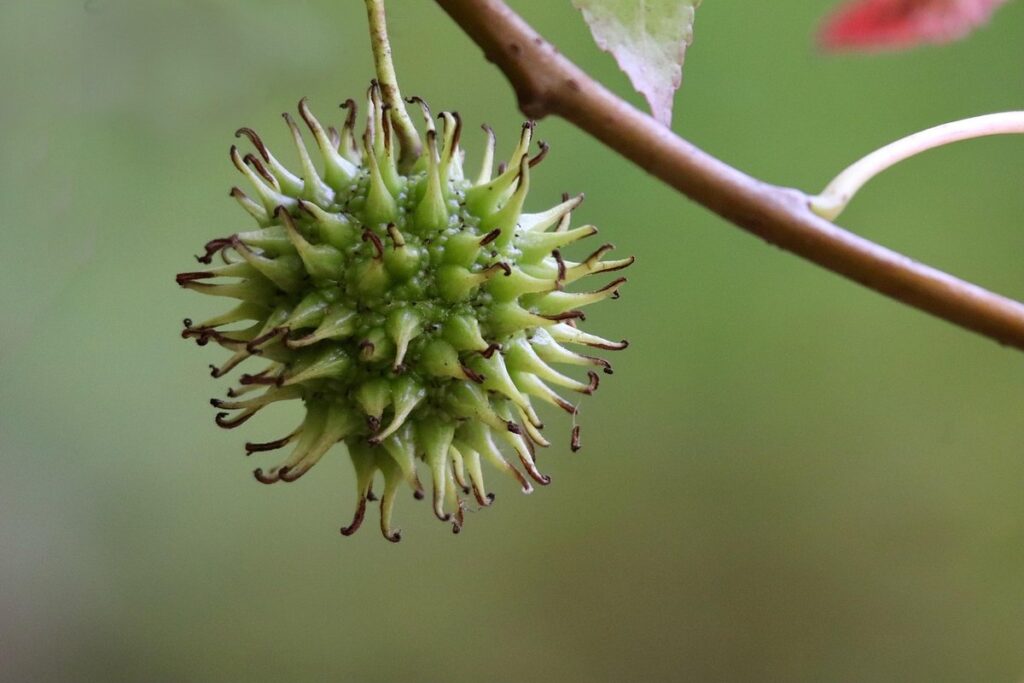
Understanding Fruit Tree Bearing Issues
When it comes to fruit tree bearing issues, one of the most common problems is a complete lack of fruit. In this next section, we’ll explore what causes non-bearing trees and how to address these issues.
Identifying Common Problems
When it comes to fruit tree bearing issues, there are several common problems that can affect a tree’s ability to produce fruit. One of the most significant challenges is disease. Fungal diseases like powdery mildew and black knot can cause damage to leaves and reduce fruit production. Bacterial diseases like fire blight can spread quickly through a tree, causing dieback and killing off entire branches.
Pests are another common issue that can impact fruit tree bearing. Insects like aphids, whiteflies, and spider mites can suck sap from leaves and stems, weakening the tree and reducing its ability to produce fruit. Rodents and birds can also cause significant damage by feeding on buds and young fruit.
Nutrient deficiencies and environmental factors can also affect fruit production. A lack of essential nutrients like nitrogen, phosphorus, or potassium can impact a tree’s ability to produce fruit. Environmental factors such as extreme temperatures, drought, or excessive water can also stress the tree and reduce fruiting.
Regular monitoring and maintenance can help prevent or mitigate these issues. Inspect your trees regularly for signs of disease or pests, and take action promptly if you notice any problems. Provide your trees with the right nutrients and environmental conditions to support healthy growth and fruit production.
Recognizing Symptoms of Bearing Problems
When you notice that your fruit tree is struggling to produce fruit or has irregular growth patterns, it’s essential to recognize the symptoms of bearing problems. One common issue is reduced yields, where the tree produces fewer fruits than expected. This can be due to factors like inadequate pollination, poor soil quality, or insufficient water and nutrient supply.
Look out for deformed or discolored fruit as another indication of bearing problems. Discoloration can range from yellowing or browning of skin to internal discoloration. Deformities may include irregular shapes, split fruits, or misshapen growths. These issues often arise from diseases like fungal infections, pests, or nutrient deficiencies.
Unusual growth patterns are another symptom of bearing problems. You might notice uneven branch growth, sparse foliage, or an abnormal shape. This can be a result of insufficient sunlight, inadequate pruning, or root damage caused by disease or pests.
To address these issues, inspect your tree regularly and take note of any changes in its appearance. Consult with local gardening experts or online resources to diagnose the problem accurately. With prompt attention and proper care, you may be able to rectify bearing problems and improve fruit production.
Environmental Factors Affecting Fruit Tree Bearing
When it comes to fruit tree bearing, environmental factors can play a significant role in determining their success, and understanding these factors is crucial for healthy growth. Let’s take a closer look at the impact of weather conditions on your trees’ productivity.
Climate Change and Extreme Weather Conditions
Climate change is having a profound impact on fruit tree bearing, with rising temperatures, changing precipitation patterns, and increased frequency of extreme weather events all taking a toll on these vital food sources. One of the most significant challenges facing fruit trees today is heat stress, which occurs when temperatures soar above 100°F (38°C). This can cause fruit to ripen prematurely, leading to reduced yields and compromised quality.
Droughts are another major concern, as prolonged water scarcity can weaken trees, making them more susceptible to disease and pests. In fact, a study by the USDA found that drought stress alone can reduce apple tree yields by up to 50%. Similarly, frost damage can be devastating for fruit trees, particularly those in regions with cold winters.
To mitigate these effects, consider implementing strategies such as drip irrigation, mulching, and selecting heat-tolerant or climate-resilient varieties. These simple yet effective measures can help your fruit trees adapt to the challenges posed by climate change. By taking proactive steps to protect your trees from extreme weather conditions, you’ll be well on your way to preserving a bountiful harvest for years to come.
Soil Quality and Its Impact on Fruit Production
Soil quality plays a significant role in determining the yield and quality of fruit production. A soil with optimal pH levels is essential for fruit trees to absorb necessary nutrients effectively. Most fruit trees prefer slightly acidic to neutral soils, with a pH range between 6.0 and 7.0. Soil with high acidity or alkalinity can lead to nutrient deficiencies, making it challenging for the tree to produce healthy fruits.
Nutrient availability is another critical factor in soil quality. Fertilization and mulching are essential practices to maintain optimal levels of nutrients such as nitrogen, phosphorus, and potassium. However, excessive fertilization can cause more harm than good by promoting weed growth and polluting water bodies. On the other hand, poor nutrient availability can lead to reduced fruit size, delayed ripening, or even tree mortality.
Soil’s water-holding capacity is also vital for maintaining optimal moisture levels. Well-draining soils with adequate aeration prevent root rot and waterlogged conditions that can cause nutrient deficiencies and promote disease susceptibility. By understanding your soil type and its limitations, you can take corrective measures such as adding organic matter or adjusting the irrigation schedule to ensure your fruit trees receive the right amount of nutrients and water for optimal production.
Pests and Diseases Affecting Fruit Trees
Fruit trees can be vulnerable to a range of pests and diseases that can significantly impact their ability to produce fruit, often going unnoticed until it’s too late. Let’s take a closer look at some common culprits.
Common Fruit Tree Pests and Their Management
Fruit trees are susceptible to various pests that can significantly impact their bearing performance. Some of the most common fruit tree pests include insects like aphids, whiteflies, and spider mites, which feed on sap, causing damage to leaves and reducing fruit production. Rodents such as squirrels, rats, and mice also target fruit trees, gnawing on branches and trunks, while birds like starlings, sparrows, and finches feed on fruits.
Effective management strategies for these pests involve using a combination of physical barriers, traps, and chemical controls. For instance, covering the tree with fine-mesh netting or row covers can prevent insects from reaching the fruit, while trapping devices can capture rodents and birds attempting to access the tree. Additionally, maintaining good sanitation practices, such as removing weeds and debris around the tree, can reduce the presence of pests.
To manage these pests more effectively, consider implementing integrated pest management (IPM) strategies, which involve identifying the pest species, assessing the level of infestation, and selecting control methods that minimize harm to beneficial insects and the environment. By adopting such a holistic approach, you can protect your fruit trees from common pests and promote healthy bearing performance.
Disease Prevention and Control in Fruit Trees
Preventing disease is crucial to maintaining healthy fruit trees. The most common diseases affecting fruit trees are caused by pathogens such as fungi, bacteria, and viruses.
Fungal diseases like powdery mildew, scab, and leaf spot can be prevented with proper sanitation and pruning practices. Remove any infected leaves or branches to prevent the spread of disease. Ensure good air circulation around your trees by thinning out nearby vegetation.
Bacterial diseases like fire blight are often caused by poor watering habits. Avoid overhead irrigation that can splash bacteria onto tree surfaces. Regularly inspect your trees for signs of disease, and take prompt action if you notice any issues.
Viral diseases like citrus greening are spread by insect vectors like aphids and whiteflies. Monitor your trees regularly for pests and use integrated pest management techniques to control infestations. Biological control agents like beneficial insects can also help manage pest populations.
Regular fungicide applications may be necessary in some cases, but always follow the product label instructions to avoid harming beneficial organisms.
Nutrient Deficiencies Affecting Fruit Tree Bearing
Nutrient deficiencies can be a sneaky culprit behind your fruit tree’s poor bearing, and some essential nutrients are more commonly lacking than you might think.
When trees don’t get what they need from the soil, it can impact their ability to produce flowers and fruit – often resulting in disappointing harvests.
Macronutrients: Nitrogen, Phosphorus, and Potassium
When it comes to fruit tree growth and bearing, macronutrients play a crucial role. Nitrogen (N), phosphorus (P), and potassium (K) are the three essential macronutrients that every fruit tree needs to thrive.
Nitrogen is responsible for promoting vegetative growth, including leaf development and stem elongation. Without sufficient nitrogen, your fruit trees may appear stunted or weak. However, excessive nitrogen can lead to overgrowth, making it harder for the tree to produce fruit. A balanced fertilizer with 10-10-10 N-P-K ratio will provide adequate nitrogen levels.
Phosphorus, on the other hand, is vital for root development and flower formation. It helps trees absorb water and nutrients from the soil. Fruiting trees require a significant amount of phosphorus during bud break and flowering stages. Apply a fertilizer with a high P content (e.g., 15-30-15) during these periods to support fruit set.
Potassium is essential for overall tree health, promoting resistance to disease and pests. It also plays a role in water balance within the plant. Fruit trees need potassium throughout their growth cycle, but it’s particularly crucial during flowering and fruit development stages. Use a balanced fertilizer with added potassium (e.g., 10-20-20) to keep your trees healthy and productive.
These macronutrients work together to promote healthy tree growth and fruit production. Ensure you provide the right balance of N-P-K for optimal results, adjusting fertilizers as needed based on soil tests and seasonal changes.
Micronutrients: Calcium, Magnesium, and Boron
Micronutrients play a crucial role in fruit tree growth and bearing. Among these micronutrients, calcium (Ca), magnesium (Mg), and boron (B) are particularly essential for optimal fruit production.
Calcium is vital for cell wall development and fruit set. A deficiency in Ca can lead to bitter pit disease in apples, brown heart disease in pears, and internal browning in citrus fruits. Symptoms of calcium deficiency include discolored or deformed leaves, reduced fruit size, and decreased yields.
Magnesium (Mg) is involved in photosynthesis, energy production, and nutrient uptake. Magnesium-deficient trees exhibit interveinal chlorosis (yellowing between leaf veins), reduced growth rates, and poor fruit quality.
Boron (B) helps regulate water balance within the tree and facilitates nutrient transport to developing fruits. Boron deficiency can cause leaf scorch, premature defoliation, and reduced yields.
To correct micronutrient deficiencies, regular soil testing is essential. Based on the test results, apply the necessary micronutrients as fertilizers or use foliar sprays for quicker results. Aim to maintain optimal levels of Ca (1.5-2.0%), Mg (0.5-0.8%), and B (0.5-1.5 mg/kg soil). Monitor tree response closely and adjust application rates accordingly.
Cultivation Practices Affecting Fruit Tree Bearing
Effective cultivation practices can significantly impact a fruit tree’s ability to bear fruit, making it crucial to understand what methods are harming or helping your trees.
Pruning Techniques for Optimizing Fruit Production
Pruning is one of the most effective ways to optimize fruit production on your trees. When done correctly, pruning can increase yields by up to 30% and promote healthy growth patterns. However, pruning too little or too much can have negative consequences for your tree’s productivity.
When deciding when to prune your fruit trees, consider the species, climate, and time of year. For example, some varieties like apple and pear trees benefit from dormant season pruning (winter or early spring), while others like citrus and avocado trees are best pruned during their active growth phase (spring-fall). Make sure to remove any dead, diseased, or damaged branches as soon as possible to prevent the spread of disease.
When it comes to how much to prune, a general rule of thumb is to remove no more than 20-30% of the tree’s canopy in one season. This will allow the tree to maintain its energy reserves and promote new growth. Use pruning tools like loppers or hand pruners to make clean cuts just above a bud or lateral branch. This will encourage branching and fruiting.
Maintaining healthy branches is also crucial for optimal fruit production. Look for signs of weak growth, such as narrow, twisted, or drooping limbs. Remove these sections to promote air circulation and sunlight penetration. By pruning strategically and regularly, you can optimize your fruit tree’s bearing potential and enjoy a bountiful harvest.
Training Systems and Support for Fruiting Trees
When it comes to fruit tree bearing problems, proper training systems and support play a crucial role in promoting healthy growth and optimal fruit production. A well-designed trellising system can help control the tree’s vigor, direct energy towards fruiting branches, and reduce stress on the tree’s root system.
Trellising methods such as espalier and staking are particularly effective for fruit trees like apples, pears, and peaches that require regular pruning to maintain a central leader or a short clear stem. For example, espalier systems can help maximize space in small gardens while maintaining good air circulation around the tree. This is especially important for fruiting varieties, which are more susceptible to disease when air circulation is poor.
When choosing a training system, consider factors like the tree’s mature size, growth habit, and pruning requirements. For instance, dwarf or semi-dwarf rootstocks can benefit from staking during their early years to establish a strong structural framework that will support the tree’s weight as it matures. By selecting the right trellising method for your fruiting trees, you can ensure they receive the necessary support to produce an abundance of high-quality fruit year after year.
Preventative Measures for Fruit Tree Bearing Problems
To ensure a bountiful harvest, understanding preventative measures is crucial in preventing common bearing problems that can affect your fruit tree’s productivity. This section covers essential steps to take before issues arise.
Regular Monitoring and Maintenance
Regular monitoring and maintenance are essential components of preventing bearing problems in fruit trees. By inspecting for pests and diseases regularly, you can catch issues early on before they spread and cause significant damage. For example, regular pruning of branches infected with fungal diseases like powdery mildew or fire blight can prevent the disease from spreading to other parts of the tree.
Checking soil conditions is another critical aspect of maintenance. Fruit trees require specific pH levels and nutrient profiles to thrive, and poor soil quality can lead to reduced yields and weak tree growth. Consider getting a soil test done annually to determine your tree’s specific needs. Based on the results, adjust your cultivation practices by adding organic matter or fertilizers as necessary.
Adjusting cultivation practices as needed is also crucial for maintaining healthy fruit trees. This includes factors like irrigation, mulching, and pruning. Overwatering can lead to root rot and reduce yields, while under-watering can cause stress and weaken the tree. Mulch around the base of your trees to retain moisture and suppress weeds. Prune your trees regularly to promote air circulation and prevent disease.
Inspecting for pests like aphids, codling moths, or spider mites can also help you catch infestations early on. Use neem oil or insecticidal soap to control infestations before they spread and cause damage. By performing these simple tasks, you’ll be well on your way to preventing bearing problems in your fruit trees and enjoying a bountiful harvest.
Integrating Organic and Chemical Controls
When it comes to managing pests and diseases on your fruit trees, having a balanced approach is key. This means integrating organic and chemical controls to create a holistic management plan that works for both you and the environment.
Organic controls are an excellent starting point for maintaining a healthy ecosystem. These methods focus on using natural substances and techniques to deter pests and diseases, such as introducing beneficial insects like ladybugs or lacewings to prey on aphids, or using neem oil to repel fungal growths. For example, applying a mixture of garlic and hot pepper spray can be an effective way to control aphid populations without harming bees.
However, there may be situations where chemical controls are necessary, such as in the case of severe infestations or diseases that have spread quickly. In these cases, using targeted and low-toxicity chemicals can help to mitigate the problem. To integrate these methods effectively, it’s essential to choose products that are specifically labeled for use on fruit trees and follow all instructions carefully.
Ultimately, finding a balance between organic and chemical controls requires monitoring your tree’s health regularly and being prepared to adjust your strategy as needed.
Frequently Asked Questions
What are some general tips for troubleshooting common fruit tree problems?
When encountering issues with your fruit trees, it’s essential to remain calm and approach the problem methodically. Start by observing the tree’s overall health, checking for signs of pests or diseases, and monitoring its water and nutrient intake. Next, research specific solutions related to your region’s climate and soil conditions. Remember, every tree is unique, so tailor your approach based on the tree’s individual needs.
Can I use a single product to address multiple bearing problems in my fruit trees?
While some products may claim to combat various issues simultaneously, it’s generally best to tackle each problem separately with targeted solutions. This approach ensures you’re addressing specific root causes rather than masking symptoms with a one-size-fits-all treatment. For instance, if you suspect nutrient deficiencies are affecting your tree’s production, apply appropriate fertilizers rather than relying on an all-purpose product.
How do I know which of the many fruit tree varieties is right for my garden and climate?
Choosing the correct fruit tree variety is crucial to its success in your specific environment. Research local nurseries or consult with a gardening expert to find out which varieties thrive in your area’s temperature, precipitation, and soil conditions. Consider factors like mature size, disease resistance, and production yields when selecting the best tree for your garden.
What are some natural methods for controlling pests that might harm my fruit trees?
Integrated pest management (IPM) is an excellent approach to minimizing chemical use while keeping your fruit trees safe from pests. Some effective natural control methods include introducing beneficial insects like ladybugs or lacewings, using physical barriers to prevent damage, and practicing good garden hygiene by removing weeds and debris that might attract pests.
Can I grow multiple types of fruit on the same tree?
While some fruit trees are naturally capable of producing different types of fruit (e.g., dwarf apple trees), many others require grafting or separate planting for optimal results. Research specific requirements for your desired fruits to ensure compatibility and maximize yields. Keep in mind that certain combinations might be more challenging than others, so consider factors like cross-pollination needs and disease resistance when selecting companion fruits.